
You select 5052 aluminum1 for a marine component, trusting its "marine-grade" title. But when the part is put under serious load, it bends or fails, compromising the safety and integrity of your equipment.
While 5052 masters corrosion, it compromises on strength. For critical marine components under load, a forged 6061-T62 is the true master, delivering the structural integrity and fatigue resistance that a non-heat-treatable alloy cannot.
I once worked with a client who built custom winches for marine vessels. They machined the winch drums from thick 5052 plate, thinking "marine-grade" meant it was the best choice for everything on a boat. Under heavy, repeated loads, the drums began to deform. The cable windings became uneven, causing dangerous binding. The problem was that 5052, while excellent against corrosion, is a relatively soft alloy. It simply couldn't handle the structural stress. We replaced their machined plate with custom-forged 6061-T6 rings. The forging process, combined with the superior strength of heat-treated 6061, created a drum that was incredibly strong and fatigue-resistant. They solved their problem by understanding that the "best" alloy depends on the job, and for strength, forging is key.
What is 5052 marine alloy?
You hear the term "marine-grade" and assume it means superior strength and durability in all aspects. This can lead you to choose an alloy that is not suitable for your part's mechanical requirements.
5052 is called a marine alloy because of its excellent corrosion resistance3, especially in saltwater. It is a non-heat-treatable aluminum-magnesium alloy primarily used for sheet metal applications like boat hulls, tanks, and enclosures.
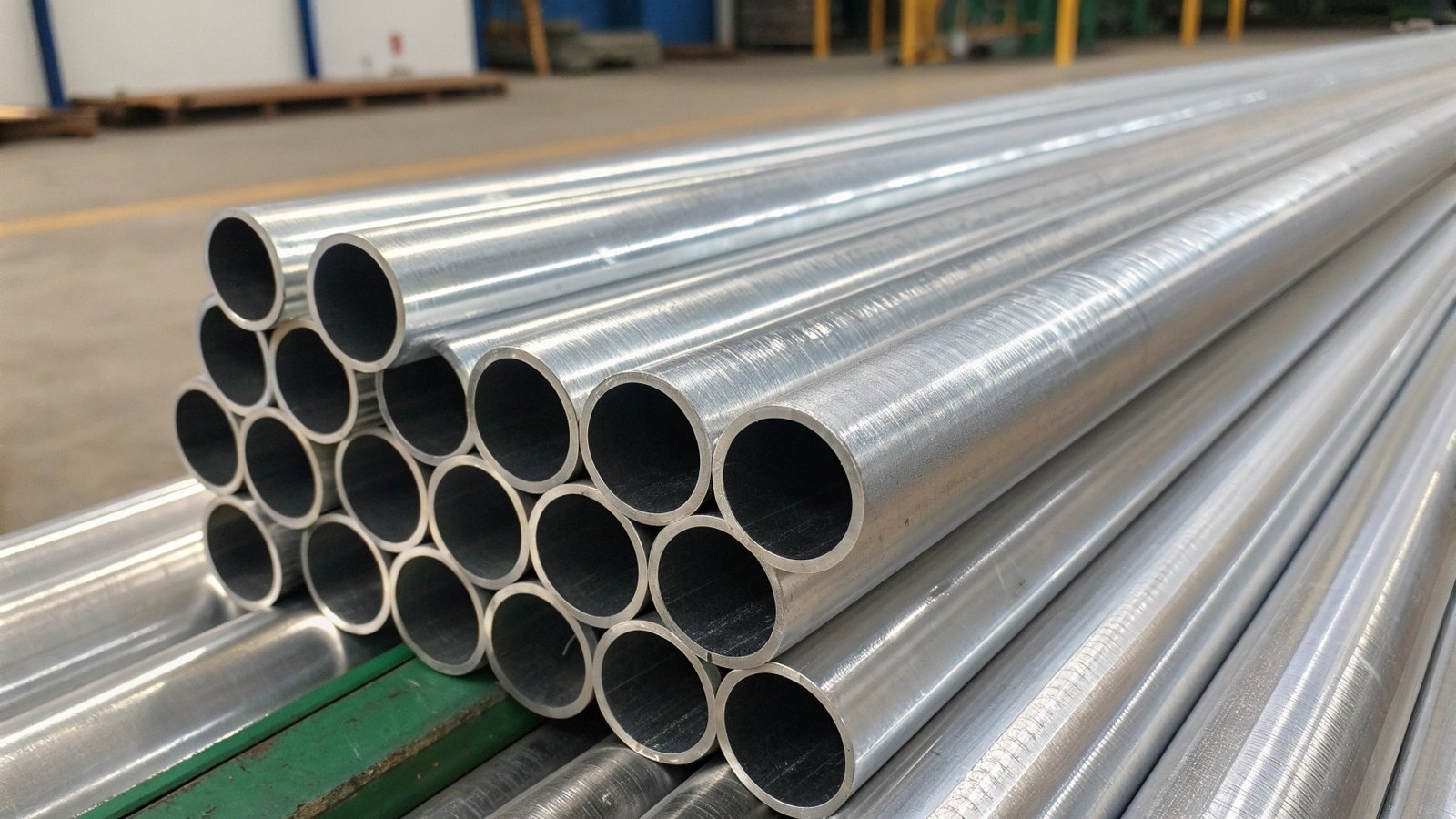
The "marine-grade" label for 5052 comes from its specific chemical composition. The primary alloying element is magnesium, which gives it outstanding resistance to corrosion in saltwater and other harsh environments. Unlike alloys in the 6000 or 7000 series, it contains very little copper, which is a major contributor to corrosion in aluminum. This makes it perfect for parts that need to survive constant exposure to moisture. However, 5052 is a non-heat-treatable alloy. It gets its strength from strain hardening (work hardening), which means its strength potential is limited. It is most commonly found in sheet and plate form and is valued for its good formability—it can be bent and shaped without cracking. This makes it ideal for boat hulls, fuel tanks, and boxes, but not for heavy-duty machined components that need to bear significant loads.
What is the difference between marine grade aluminum and regular aluminum?
You see different aluminum grades and wonder if "marine-grade" is just a marketing term. This confusion can make it difficult to select the right material for your project, balancing cost and performance.
"Marine-grade" aluminum, like the 5000-series, has high magnesium content and very low copper, offering superior corrosion resistance. "Regular" structural aluminum like 6061 offers higher strength but is more susceptible to corrosion without protection.
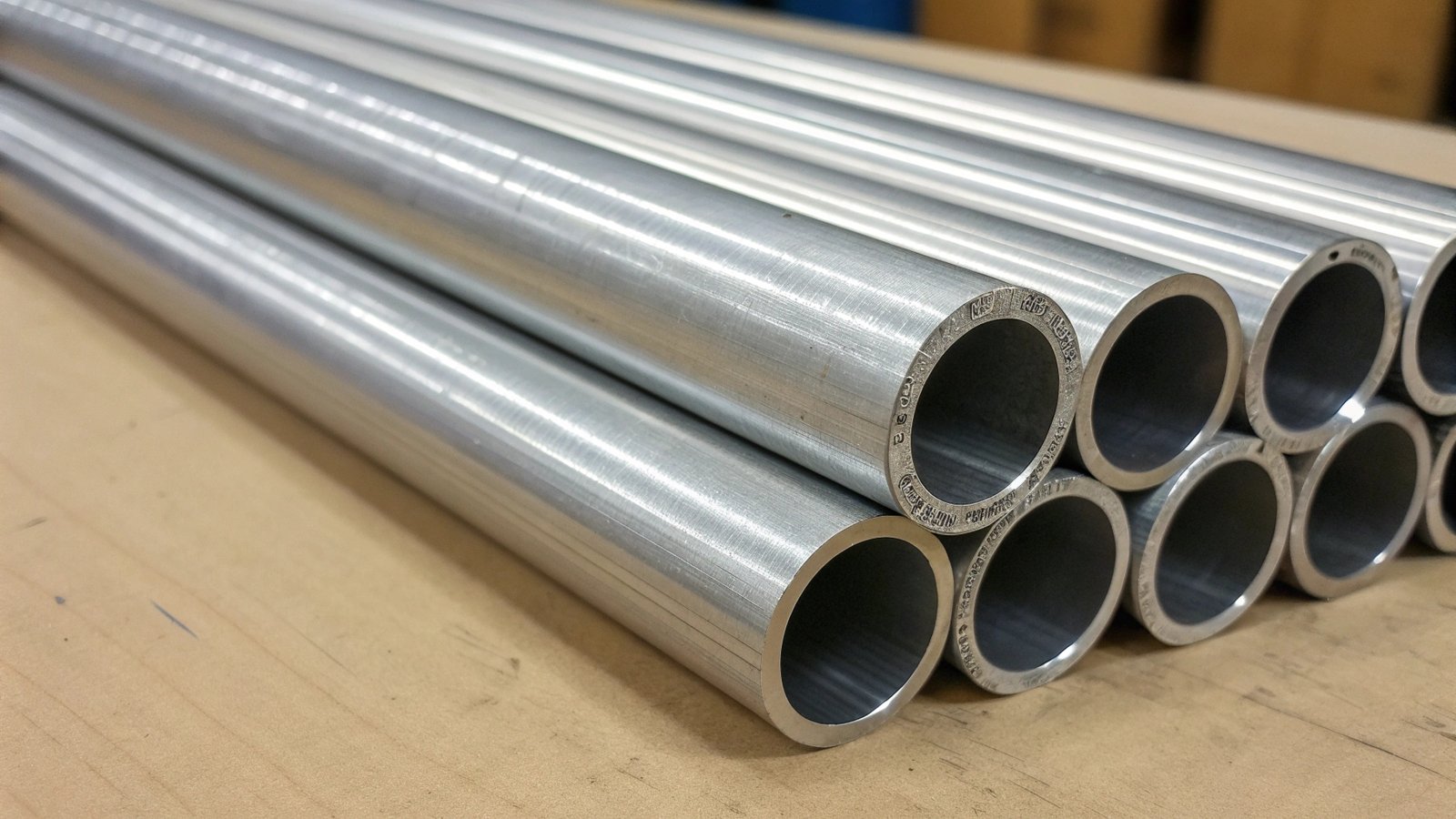
There is a real, chemical difference. The distinction comes down to the alloying elements used to give the aluminum its specific properties.
- Marine-Grade (5xxx series): Alloys like 5052 and 5083 are alloyed primarily with magnesium. This chemistry provides the best defense against saltwater corrosion. They are non-heat-treatable and have moderate strength, perfect for sheet applications.
- Regular/Structural Grade (6xxx series): Alloys like 6061 are alloyed with magnesium and silicon. This allows them to be heat-treated to a T6 temper, resulting in much higher strength. While it has good general corrosion resistance, it's not as robust as the 5xxx series in a marine environment without a protective coating like anodizing or paint.
For our clients, the choice is critical. If you are a trader supplying sheet for boat building, 5052 is your product. If you are a machining company making a high-strength rudder post or a mounting bracket, you need the strength of a forged 6061 part and must simply add a protective finish.
Is 5052 aluminum stronger than 6061?
You are choosing between 5052 and 6061 for a part. You need to know which one provides more strength to ensure your component will not fail under its expected load.
No, 6061-T6 aluminum is significantly stronger than any temper of 5052. 6061-T6 has a yield strength nearly double that of 5052-H32, the most common temper for 5052.

This is a very common point of confusion. 5052 is tough and has excellent fatigue life, but it is not strong in terms of tensile or yield strength. It is a non-heat-treatable alloy, meaning its strength comes from being hardened during the rolling process. 6061 is a heat-treatable alloy. Through the T6 tempering process (solution heat treating and artificial aging), its internal structure is transformed, dramatically increasing its strength. For a machining company, this is the most important difference. If you are making a simple, non-load-bearing cover plate for a marine environment, 5052 is a fine, cost-effective choice. But if you are machining any part that has to resist force—a bracket, a gear, a flange, a structural component—then the superior strength of 6061-T6 is not optional, it is a requirement for a safe and reliable design. The corrosion aspect can be easily managed with proper finishing.
What is 5052 aluminum equivalent to?
You are sourcing materials internationally and need to find a direct equivalent for 5052. Using the wrong standard can lead to receiving material with different properties and performance characteristics.
Alloy 5052 is internationally recognized, but its closest equivalents are EN AW-5052 (Europe) and AlMg2.5 (Germany). It's crucial to always check the specific temper designation, as this significantly affects its properties.
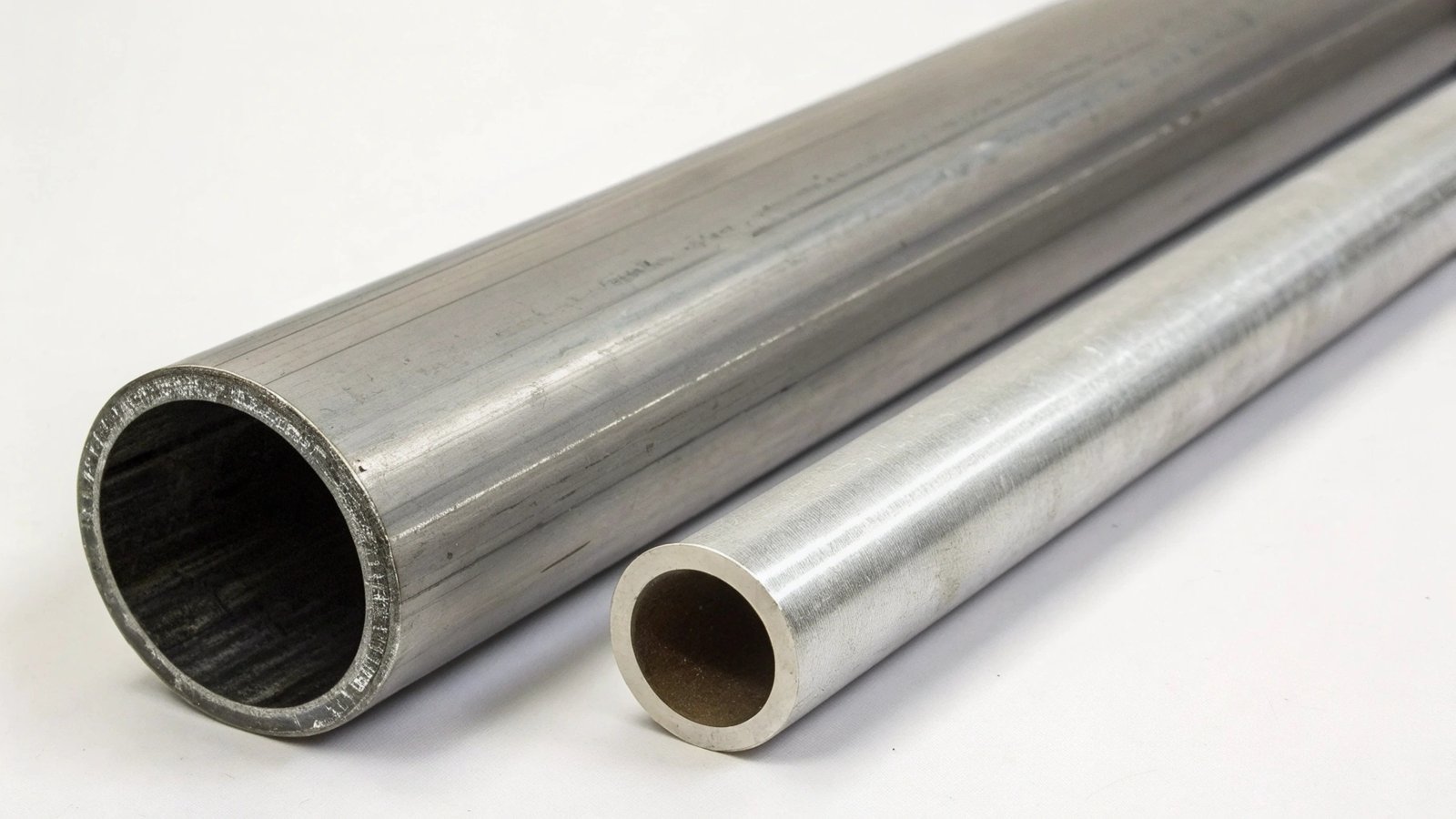
Navigating international standards is a key part of the global trade we manage at SWA Forging. While 5052 is a widely used designation from the American Aluminum Association (AA), other regions have their own naming systems. For our clients in the Middle East who work with European suppliers or end-users, knowing these equivalents is essential. The European standard is EN AW-5052. The German chemical designation is AlMg2.5, which helpfully describes its main alloying elements: aluminum and ~2.5% magnesium. However, just matching the alloy number is not enough. The temper is equally important. For example, 5052-H32 has different strength and formability than 5052-O (annealed). When placing an order, a trader must specify both the alloy and the temper (e.g., EN AW-5052 H32) to ensure they get the exact product their customer needs. This precision prevents costly mistakes and ensures consistency across the supply chain.
Common 5052 Equivalents
| Standard | Designation |
|---|---|
| USA (AA) | 5052 |
| Europe (EN) | EN AW-5052 |
| Germany (DIN) | AlMg2.5 |
| ISO | Al Mg2.5 |
Conclusion
Choose the right master for the job. For unbeatable corrosion resistance in sheet form, use 5052. For high-strength, load-bearing marine components, trust the forged integrity of SWA Forging's 6061-T6.
Explore the properties of 5052 aluminum to understand its applications and limitations in marine environments. ↩
Discover the applications of 6061-T6 aluminum and why it's preferred for high-strength marine components. ↩
Understand the mechanisms behind aluminum's corrosion resistance, especially in marine environments. ↩