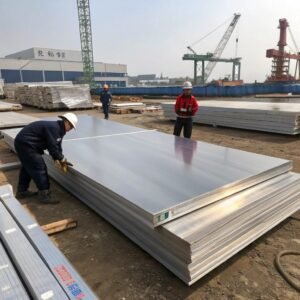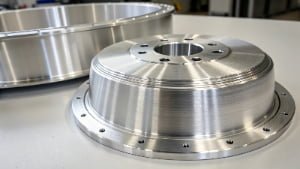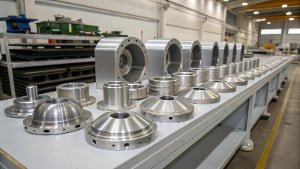

Aluminium forging is a fascinating process that transforms metal into durable components. But can aluminium truly be forged?
Yes, aluminium can be forged. This process enhances the material's properties, making it stronger and more reliable for various applications.
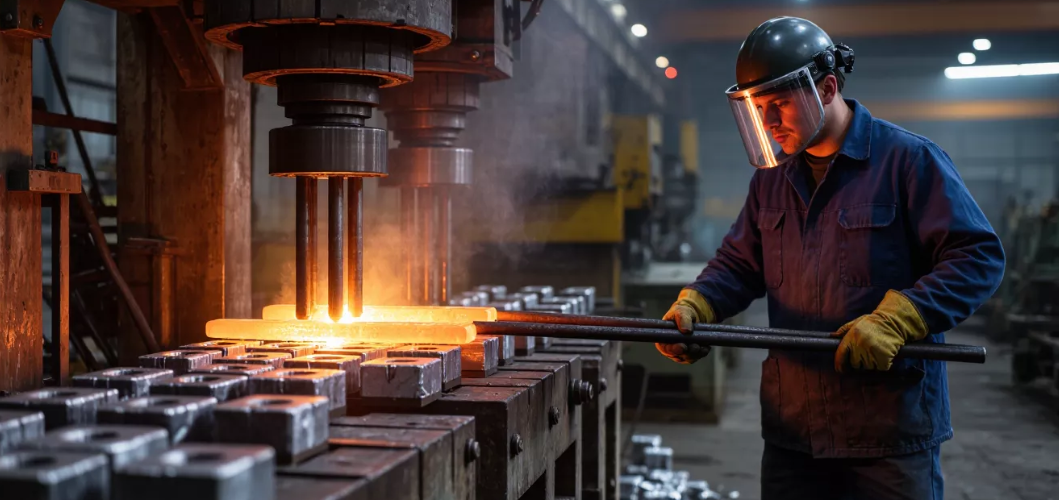
Forging aluminium is not just about shaping metal. It's about ensuring that the internal grain structure aligns perfectly with the final shape of the part. This process guarantees a continuous, defect-free structure that provides predictable strength, something machining or casting cannot achieve.
Can aluminium be forged?
Aluminium can indeed be forged, and this practice is widely used in various industries. From automotive to aerospace, forged aluminium components are crucial.
Forged aluminium parts are lighter and stronger than their cast counterparts. This makes them ideal for high-performance applications.
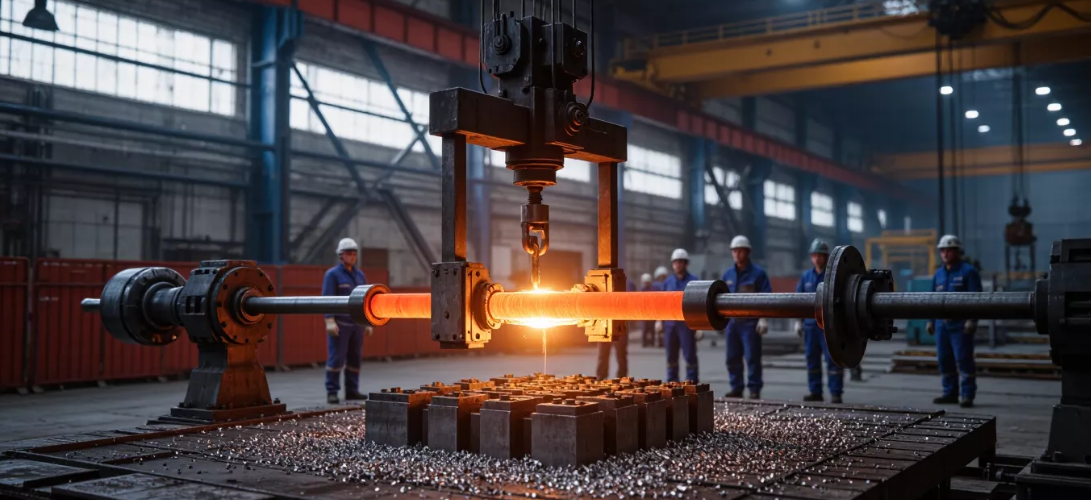
Forging involves applying immense pressure to shape the aluminium. This method aligns the metal's grain structure, providing a strong foundation. When I first saw a forged aluminium part, I was impressed by its smooth surface and strength. It was clear that forging was not just about the shape of the metal but about creating something more reliable.
The Benefits of Forging Aluminium
- Improved Strength: The forging process enhances the strength of aluminium.
- Customization: It allows for tailored shapes and sizes, perfect for specific applications.
- Uniformity: Forged components have fewer defects compared to cast parts.
In the automotive industry, for instance, forged aluminium is crucial for making lightweight and high-strength components. The reduced weight leads to improved fuel efficiency.
How hard is it to forge aluminum?
Forging aluminium is challenging but rewarding. The process requires specific temperatures and techniques to ensure success.
While aluminium is easier to forge than other metals, it still demands skill and precision.
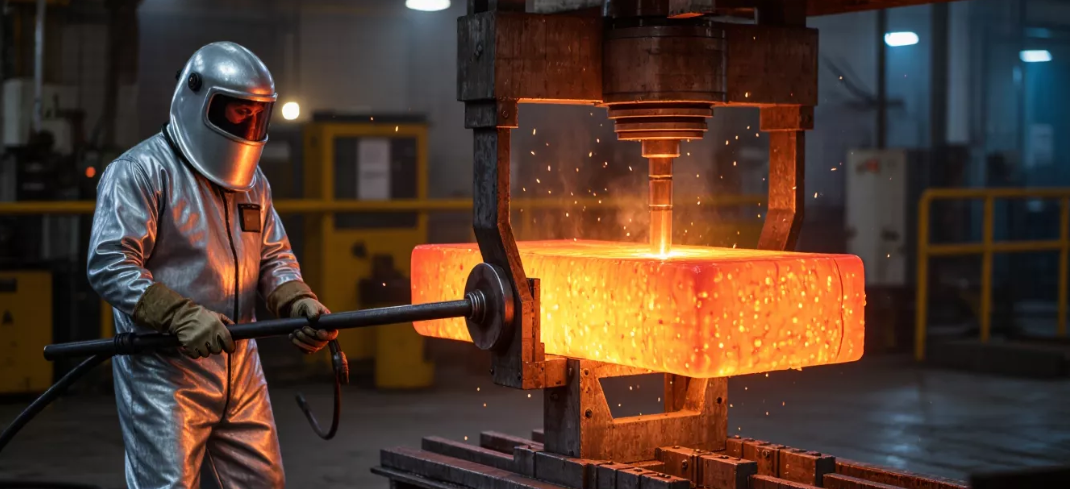
When I first started working with aluminium, I realized how important it was to control the temperature. If the metal is too cold, it can crack. If it's too hot, it can lose its strength. I learned that understanding the material properties is key to successful forging.
Key Factors in Forging Aluminium
- Temperature Control: Maintaining the right temperature is crucial.
- Tooling: The right tools are necessary to shape the aluminium correctly.
- Pressure Application: Applying the correct amount of pressure ensures a successful forge.
The difficulty in forging aluminium1 lies in mastering these factors. Each step must be carefully monitored to create high-quality components.
Why can't aluminum be smelted?
Aluminium can be smelted, but it’s not as straightforward as forging. Smelting involves extracting the metal from its ore, which requires high temperatures and energy.
The smelting process for aluminium is energy-intensive and not as efficient as forging.
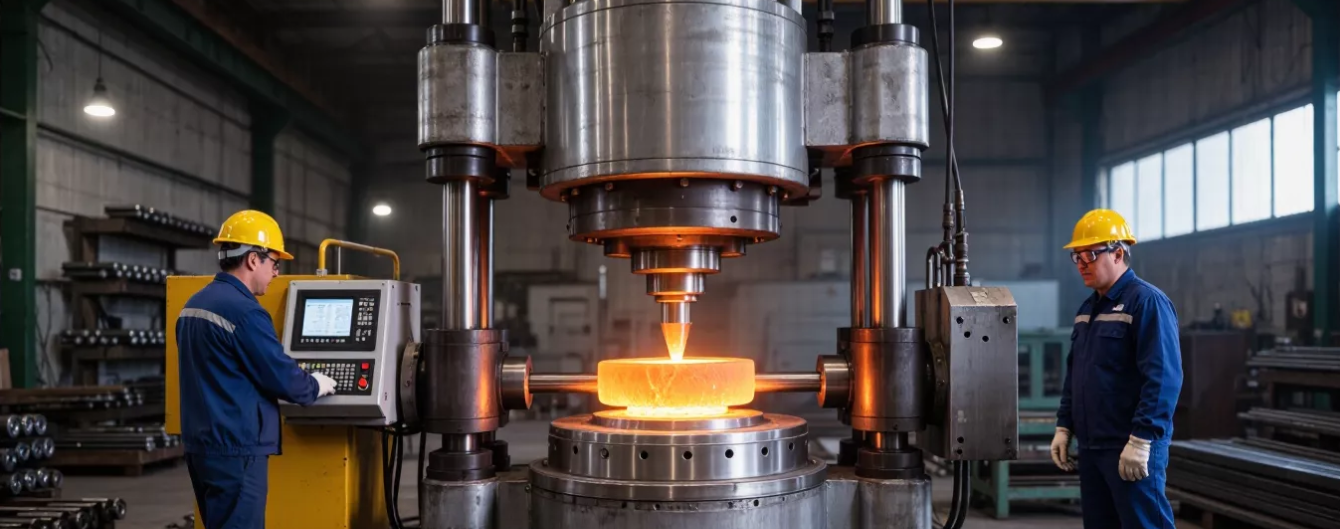
When I learned about smelting, I understood why forging is often preferred. Smelting requires a lot of energy, making it less sustainable. This insight helped me appreciate the value of forging as a more efficient method of creating strong components.
Sustainable Practices in Aluminium Production
- Energy Efficiency: Forging uses less energy compared to smelting.
- Waste Reduction: The forging process creates less waste material.
- Recyclability: Forged aluminium can often be recycled more easily.
By choosing forging over smelting, manufacturers can reduce their environmental impact while still producing high-quality products.
What metals cannot be forged?
Not all metals lend themselves to forging. Some metals are too brittle or not malleable enough.
Metals like cast iron and certain types of ceramics cannot be forged effectively.
When I explored the limitations of forging, I discovered that understanding material properties is essential. Some metals simply don’t respond well to the forging process.
Metals That Are Difficult to Forge
| Metal | Reason |
|---|---|
| Cast Iron | Brittle and hard to shape |
| Ceramics | Fragile and cannot be shaped |
| Some Alloys | Poor ductility |
This knowledge is important for anyone venturing into metalworking. Choosing the right metal for forging ensures better results and more reliable products.
Conclusion
In summary, aluminium forging is a powerful process that combines art and science to create strong, reliable components.
Explore the advantages of forging aluminium, including strength and lightweight properties, crucial for various industries. ↩