
You rely on popular 6061 aluminum1 for everything. But a "jack-of-all-trades" is a master of none, a risk that your critical components and your reputation simply cannot afford.
While 6061 is an excellent general-purpose alloy, its versatility is a weakness when a single property—like ultimate strength—is non-negotiable. Our clients need a forged specialist, an alloy optimized for the single critical property that defines success and prevents failure.
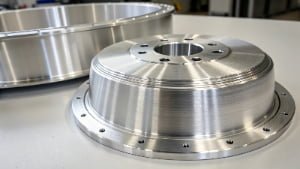
I once had a client in the marine industry who was machining rudder components from 6061-T6 plate. It was strong, easy to get, and they used it for everything. But they were seeing premature failures from pitting corrosion. I explained that while 6061 has decent corrosion resistance, the constant saltwater exposure was its kryptonite. The "good enough" property wasn't good enough. We switched them to a custom-forged ring made from a 5000-series alloy. This series is not as strong as 6061, but it has exceptional corrosion resistance in marine environments. By identifying the single most critical property—corrosion resistance—and choosing a specialist alloy, we solved their failure problem permanently. The "jack-of-all-trades" was the wrong tool for the job.
Why Is 6061 Aluminum So Popular?
You see 6061 specified everywhere and might think it's a default choice. This popularity can make you overlook a more specialized, better-performing alloy for your specific application.
6061 is popular because it offers the best all-around combination of good strength, excellent corrosion resistance, high weldability, and great machinability, all at a reasonable cost. It is the perfect, safe general-purpose alloy.
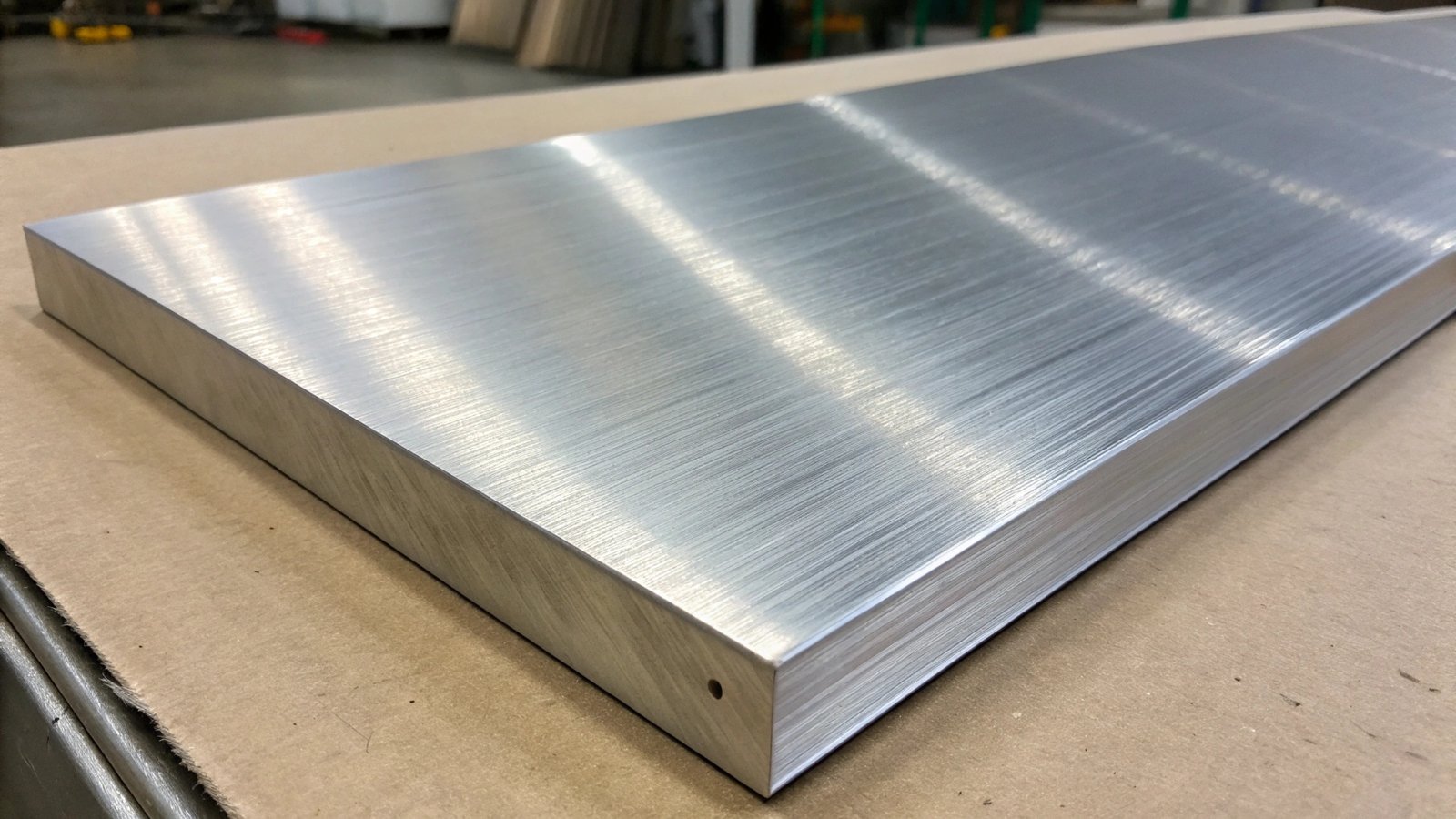
Alloy 6061 earned its popularity for very good reasons. It's the definition of a well-balanced material. After heat treatment to the T6 temper, it delivers strength that is more than sufficient for a huge range of structural applications, from machine frames to automotive parts. Unlike the high-strength 2xxx and 7xxx series, it doesn't sacrifice corrosion resistance2 to get there. You can expose it to the atmosphere or fresh water with very little concern. It’s also one of the most weldable heat-treatable aluminum alloys, and machinists love it for its predictable behavior and good chip formation. Finally, it’s widely available and cost-effective. This blend of "good" to "excellent" ratings across every major category makes it the reliable default for engineers and designers. It's the safe choice when no single performance property is being pushed to its absolute limit.
What Is the Grade 6061 Alloy?
You need to understand what "6061" actually means. Knowing its composition is the first step to understanding its behavior and where it fits in the vast world of aluminum alloys3.
Grade 6061 is a heat-treatable aluminum alloy whose primary alloying elements are magnesium and silicon. This specific chemistry allows it to be strengthened significantly through precipitation hardening, achieving its popular T6 temper.
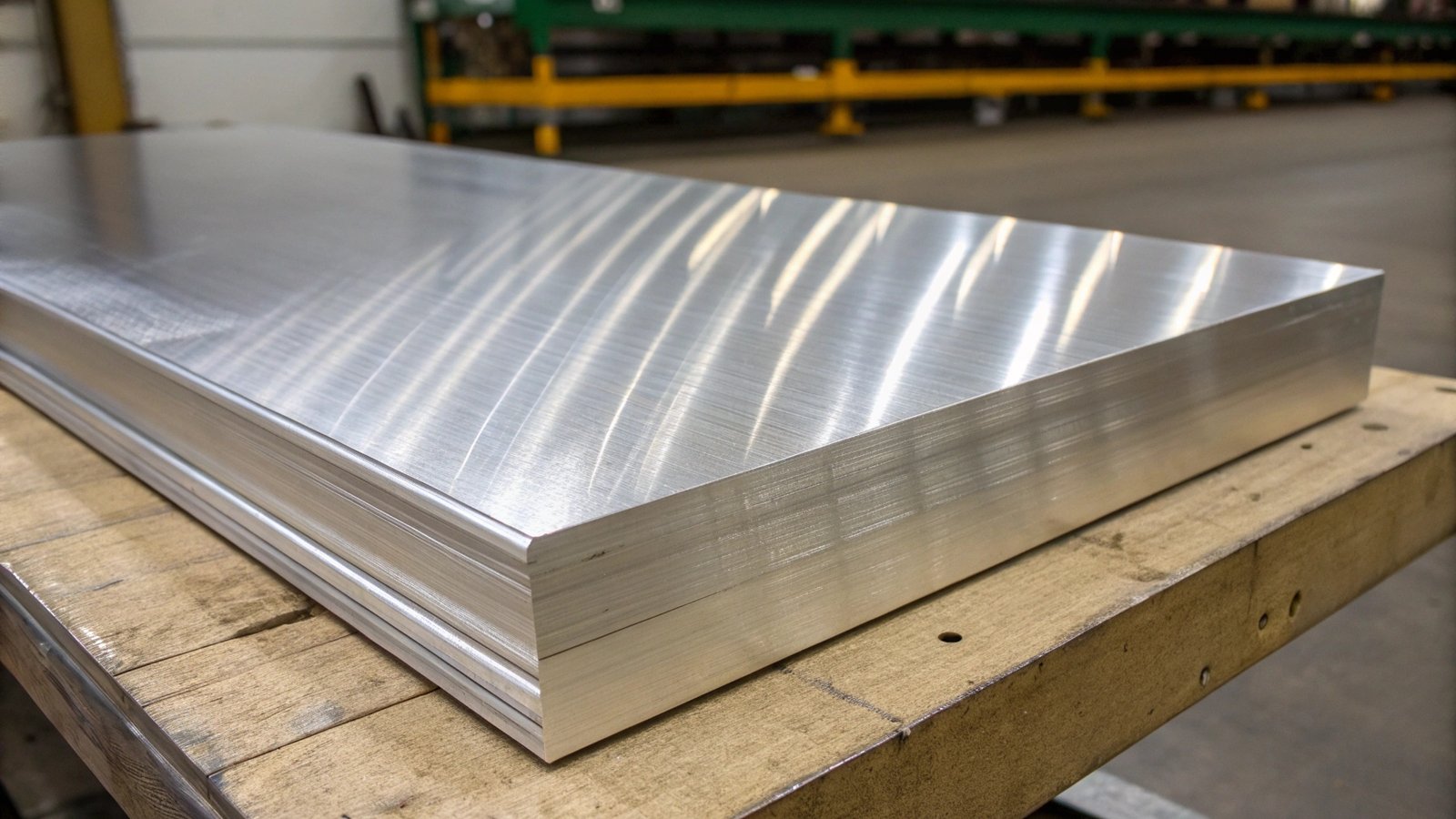
When we say "6061," we are referring to a specific recipe defined by international standards. The base is, of course, aluminum (Al). To this, we add approximately 1.0% magnesium (Mg) and 0.6% silicon (Si). These two elements are the key ingredients. When the alloy is properly heat-treated—a process involving heating it to a high temperature, quenching it in water, and then artificially aging it—these elements combine to form magnesium silicide precipitates within the metal's grain structure. These tiny, hard particles act like roadblocks, impeding dislocation movement and making the material much stronger and harder. This is the transformation from the soft, annealed state (6061-O) to the strong, widely used 6061-T6 temper. Other minor elements like iron, copper, and chromium are also present in controlled amounts to refine the grain structure and further enhance its properties. Understanding this composition is key to why it responds so well to both forging and heat treatment.
Does 6061 Aluminum Crack?
You're considering 6061 for a part that will see stress or vibration. You need to know if it has any inherent weaknesses or tendencies to crack under pressure.
Yes, like any metal, 6061 aluminum can crack under certain conditions, such as extreme overload, improper welding, or fatigue from cyclic loading. However, it is not considered brittle and has good toughness and fatigue resistance for most applications.
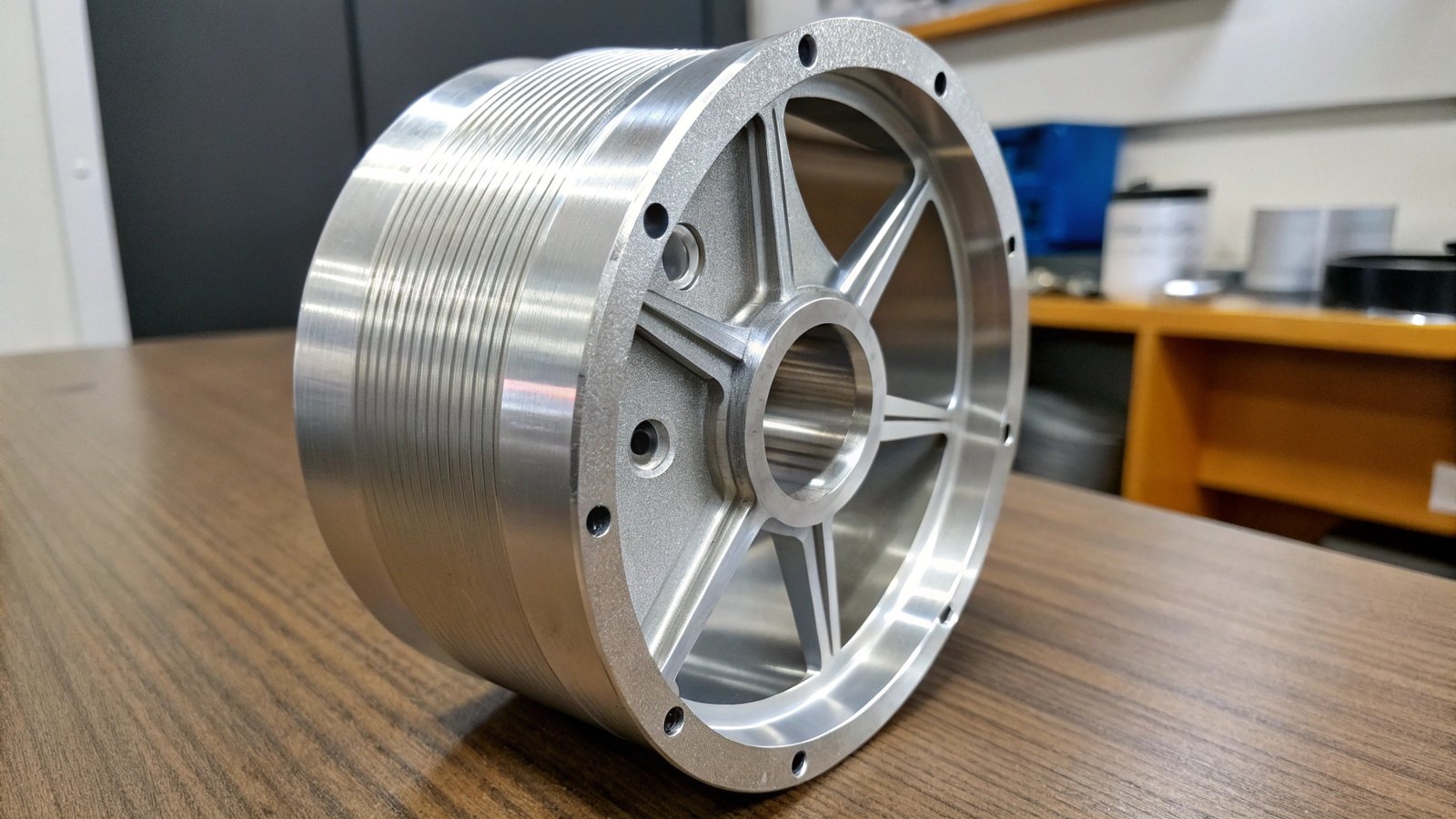
No material is indestructible, and 6061 is no exception. It can and will crack if pushed beyond its design limits. The most common cause of cracking is fatigue. If a 6061 part is subjected to millions of small, repetitive stress cycles (like vibrations in a vehicle), a microscopic crack can form and slowly grow over time until the part fails. Another risk is stress concentration. A sharp internal corner in a machined part can concentrate stress in one small area, making it a likely point for a crack to start. Improper welding is another major cause, as the heat can create a weakened zone next to the weld bead that is susceptible to cracking. However, it's important to put this in context. 6061 is considered a very tough and ductile alloy. It is far less prone to sudden, brittle fracture than higher-strength alloys. When properly designed and forged—a process that improves fatigue resistance—6061 is an extremely reliable material.
Is 6061 or 7075 Aluminum Stronger?
You have a high-stress application and need the strongest possible material. You must make the correct choice between the versatile 6061 and the high-performance 7075 to ensure safety and reliability.
7075 aluminum is significantly stronger than 6061. In the common T6 temper, 7075-T6 has a typical tensile strength of around 572 MPa (83,000 psi), while 6061-T6 is around 310 MPa (45,000 psi).
This is not a close competition. When it comes to pure strength, 7075 is in a different league. Alloyed primarily with zinc, 7075 is one of the highest-strength aluminum alloys commercially available and is a cornerstone of the aerospace industry for this reason. Its strength-to-weight ratio is comparable to many steels. However, this massive strength comes with trade-offs. 7075 is more difficult to weld, has lower corrosion resistance (often requiring cladding or anodizing), and is less ductile, making it more susceptible to stress-corrosion cracking in some environments. So, the choice is clear: If your part's absolute, number-one requirement is to handle the maximum possible load with the minimum possible weight, 7075 is the specialist you need. If the part requires a balance of good strength, excellent corrosion resistance, and weldability, then 6061 is the more appropriate choice. This is the essence of choosing the right tool for the job.
Property Trade-Off: 6061 vs. 7075
| Property | Alloy 6061-T6 | Alloy 7075-T6 | Winner for Critical Applications |
|---|---|---|---|
| Tensile Strength | Good (~310 MPa) | Excellent (~572 MPa) | 7075 |
| Corrosion Resistance | Excellent | Fair | 6061 |
| Weldability | Good | Poor | 6061 |
| Cost | Lower | Higher | 6061 |
Conclusion
Stop using a generalist material for specialist jobs. Partner with an expert who will help you select and forge the precise alloy that optimizes the one property that guarantees success.
Explore the unique properties of 6061 aluminum to understand its versatility and applications in various industries. ↩
Learn about the significance of corrosion resistance in aluminum alloys and how it affects material selection. ↩
Get an overview of various aluminum alloys and their specific applications across different industries. ↩