
You're sourcing material for an aerospace job, but the extreme cost of 7075 isn't justified for every part. You wonder if 6061-T6 is truly flight-worthy, fearing a rejection from your client.
Yes, 6061-T6 is a widely used aircraft grade aluminum, but it's the certified "workhorse," not the high-strength "hero." It earns its grade for secondary structures through processes like forging that guarantee a reliable, uniform internal structure.
I once consulted for a machining company that was new to aerospace contracts. They won a bid for a set of complex mounting brackets. Thinking "stronger is better," they quoted the job using certified 7075-T73, the same material used for primary wing spars. While technically it would work, the cost was astronomical and the material was much harder to machine. Their bid was way too high. I showed them that for this application—a secondary structural part—forged and certified 6061-T61 was the industry standard. It offered more than enough strength, better machinability, and superior corrosion resistance2 at a fraction of the cost. We supplied them with the forged 6061-T6 rings they needed to make the parts. They resubmitted their bid, won the contract, and learned a valuable lesson: "aircraft grade" means choosing the right certified material for the job, not always the strongest one.
What defines 6061-T6 as 'aircraft grade'?
You see 6061-T6 sold everywhere, from hardware stores to metal suppliers. You need to know what separates the standard commercial bar from the material you can safely use in an airplane.
"Aircraft grade" 6061-T6 is defined by its strict adherence to aerospace material specifications (AMS). This demands a certified manufacturing process like forging, precise heat treatment, rigorous inspection, and complete material traceability.
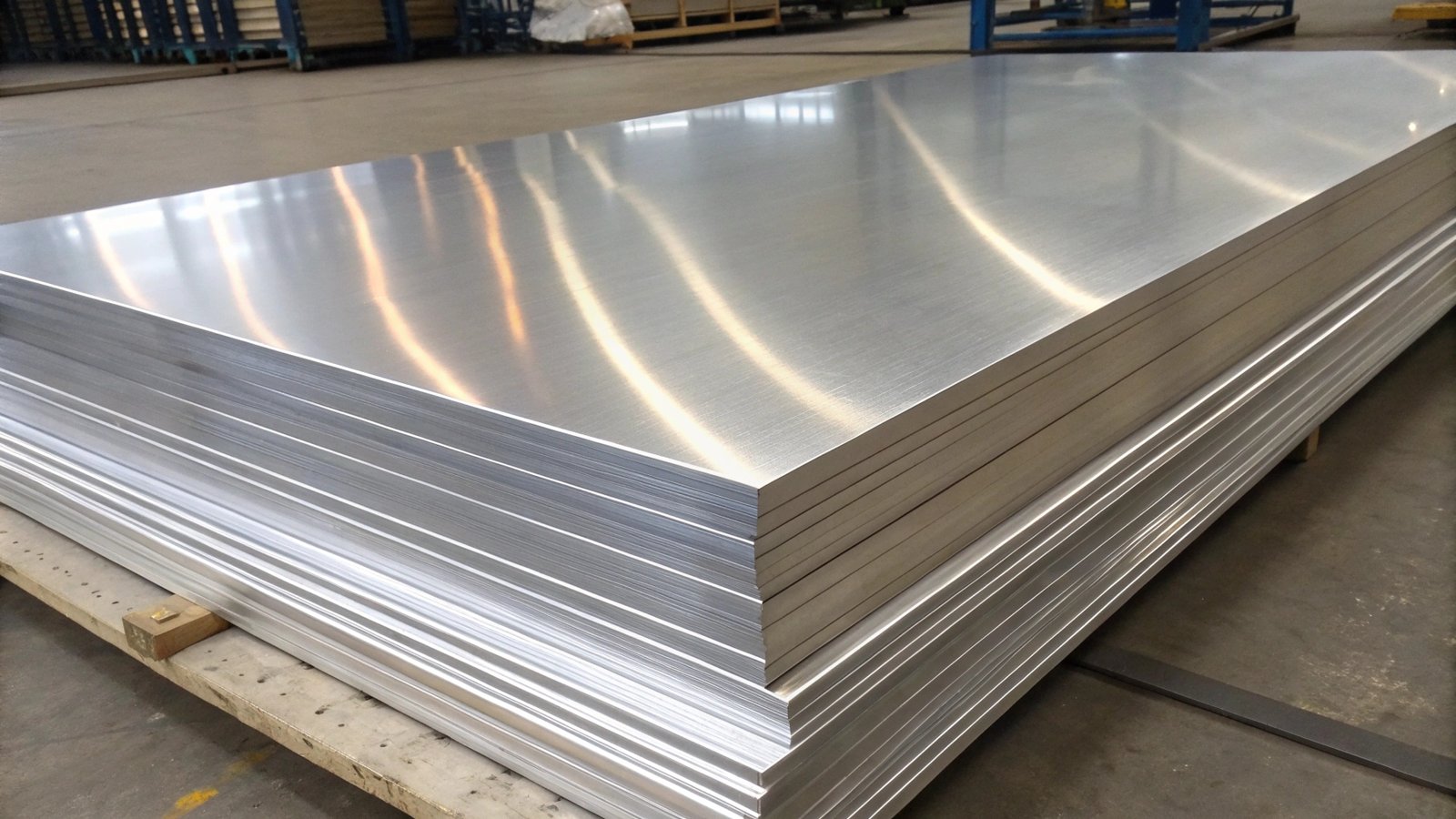
The difference isn't in the chemical formula; it's in the pedigree. To earn its wings, a piece of 6061-T6 must prove its reliability through a series of mandatory steps that commercial-grade material simply does not undergo.
- Forging for Integrity: For fittings, flanges, and structural brackets, forging is key. The process kneads the metal, refining the grain structure and eliminating the internal voids or inconsistencies found in standard extrusions. This massively improves fatigue life and ensures uniform strength.
- Verified T6 Temper: The heat treatment process to achieve the T6 temper is monitored with extreme precision and the results are verified through hardness testing to guarantee the material meets the required strength.
- Total Inspection: The material is subjected to non-destructive testing, like ultrasonic inspection, to ensure it is 100% free of internal flaws.
- Certified Proof: Every order comes with a complete certification package, including chemical analysis, mechanical property reports, and inspection results, all traceable to a specific standard like AMS 4150. This is your guarantee.
What is the difference between 6061-T6 and 7075 aluminum?
You have a part to make and need to choose between 6061 and 7075. Making the wrong choice means the part is either over-engineered and too expensive, or dangerously under-strength.
The simplest difference is "workhorse" versus "hero." 6061-T6 is a versatile, weldable, and corrosion-resistant workhorse for secondary structures. 7075 is a high-strength hero used for the most critical, high-stress parts where failure is not an option.
Choosing between these two alloys is a classic engineering trade-off. They are both excellent materials, but they are designed for very different jobs. Understanding their core differences is essential for any trader or machinist in the aerospace supply chain.
| Property | 6061-T6 Aluminum (Workhorse) | 7075-T6 Aluminum (Hero) |
|---|---|---|
| Typical Yield Strength | ~276 MPa (40 ksi) | ~503 MPa (73 ksi) |
| Primary Use | Fittings, brackets, landing mats, secondary structure | Main wing spars, fuselage frames, landing gear |
| Corrosion Resistance | Excellent | Good (but requires specific tempers like T73 for SCC resistance) |
| Weldability | Good | Poor (not recommended) |
| Cost | Moderate | High |
For our customers, this is a frequent topic of discussion. We help them save money and improve their products by ensuring they use the incredible strength of forged 7075 only where it's needed, and rely on the cost-effective reliability of forged 6061-T6 for the many applications where it excels.
What other types of aluminum are aircraft grade?
You know about the "workhorse" 6061 and the "hero" 7075. But what other alloys are in the aerospace toolbox? Knowing these helps you serve a wider range of customer needs.
Besides the 6xxx and 7xxx series, the 2xxx series (like 2024) is vital for its fatigue resistance, and the 5xxx series (like 5052) is used for its excellent formability and corrosion resistance in non-structural roles.
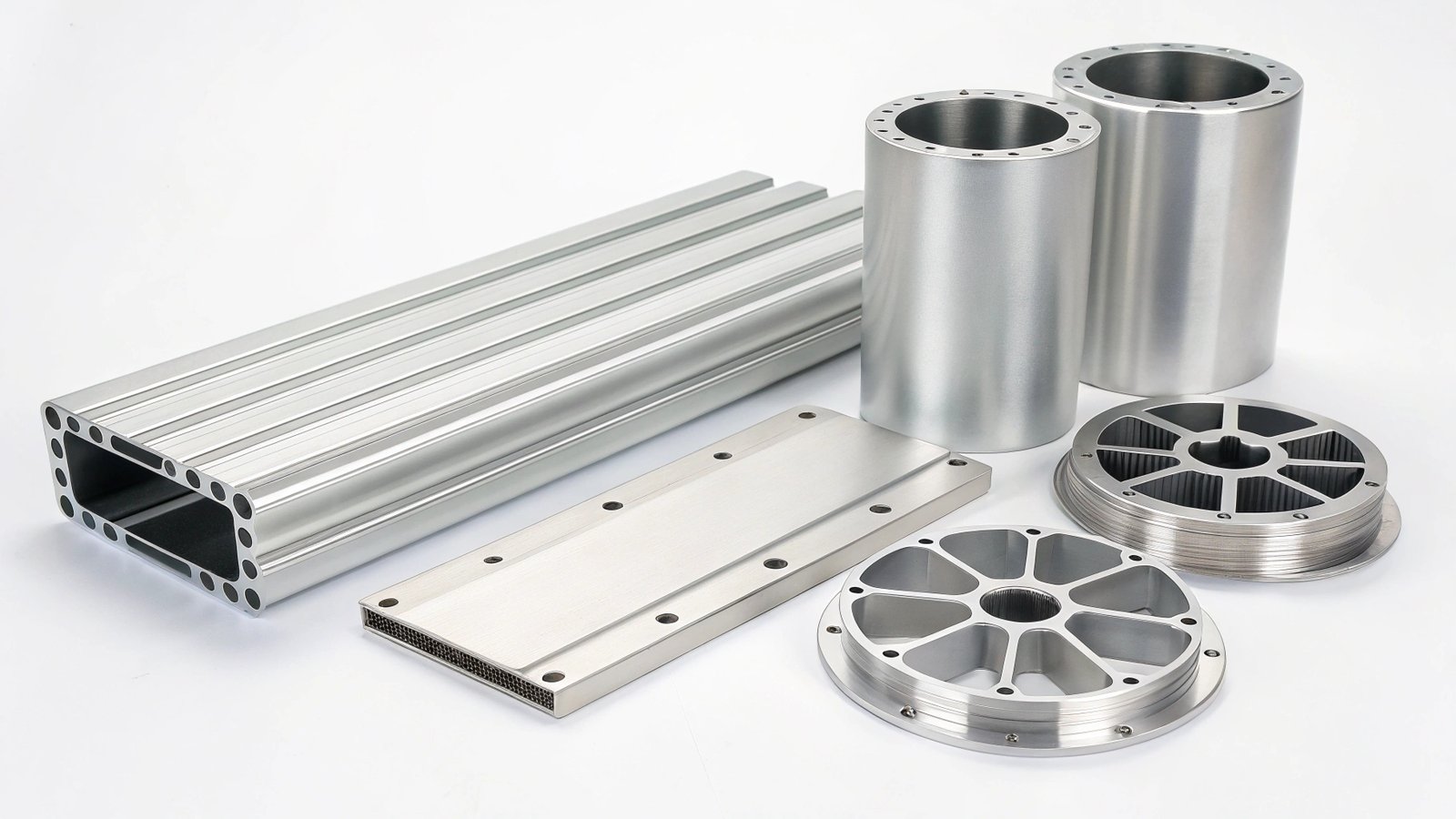
An aircraft is a puzzle built from many specialized pieces. While 6061 and 7075 are major players, other alloys fill critical niches. Each must earn its "aircraft grade" status through the same rigorous process of controlled manufacturing and certification.
- 2xxx Series (e.g., 2024): This is the classic aircraft alloy, with copper as its main alloying element. Its claim to fame is excellent fatigue resistance. It is designed to withstand the flexing and bending that an aircraft skin experiences over thousands of flights. You'll find it used extensively for fuselage skins and tension-loaded structures.
- 5xxx Series (e.g., 5052): This alloy's strength is moderate, so it isn't used for primary structures. However, its fantastic formability and resistance to corrosion make it perfect for manufacturing complex parts like fuel tanks, hydraulic lines, and non-structural fairings or enclosures.
Understanding this family of materials allows you to have more intelligent conversations with your clients, guiding them to the most effective and appropriate material for any given application.
Conclusion
6061-T6 is a vital and versatile aircraft grade material. Its status as a reliable "workhorse" is not inherent, but earned through the certified forging process that guarantees its flawless performance.