You buy a standard aluminum block, but hidden internal flaws like porosity cause your machined part to fail under stress. This ruins your expensive part and damages your reputation for quality.
Forging is not a shaping process; it's a process of assurance. The immense pressure eliminates porosity and refines the grain structure, transforming a simple metal into a structural guarantee—a material without hidden weaknesses, ensuring absolute integrity from the surface to its core.
We once supplied a large 6061 forged disc to a new machining client in the Middle East. They had previously used cast aluminum blanks for the same part to save costs. They told us about a critical failure where a high-speed rotating component they manufactured had shattered during final testing. An investigation found a small, hidden gas pocket, a form of porosity, deep inside the cast blank. This tiny void created a stress point that led to a catastrophic crack. They lost their entire production run. When they machined our forged disc, they noticed the difference immediately. The material was uniform, with no surprises. Their finished part passed every stress test with flying colors. They understood then that paying for a forged product isn't about the shape; it's about buying peace of mind. It's an assurance that the material is 100% solid, all the way through.
What is forged aluminum, really?
You hear the term "forged" and just think of a blacksmith with a hammer. This makes it hard to understand why it is the superior choice for high-performance industrial applications.
Forged aluminum is created when a solid aluminum billet is heated and then pressed into a shape under extreme pressure. This process forces the internal grain structure of the metal to align, eliminating defects and dramatically increasing its strength and fatigue resistance.
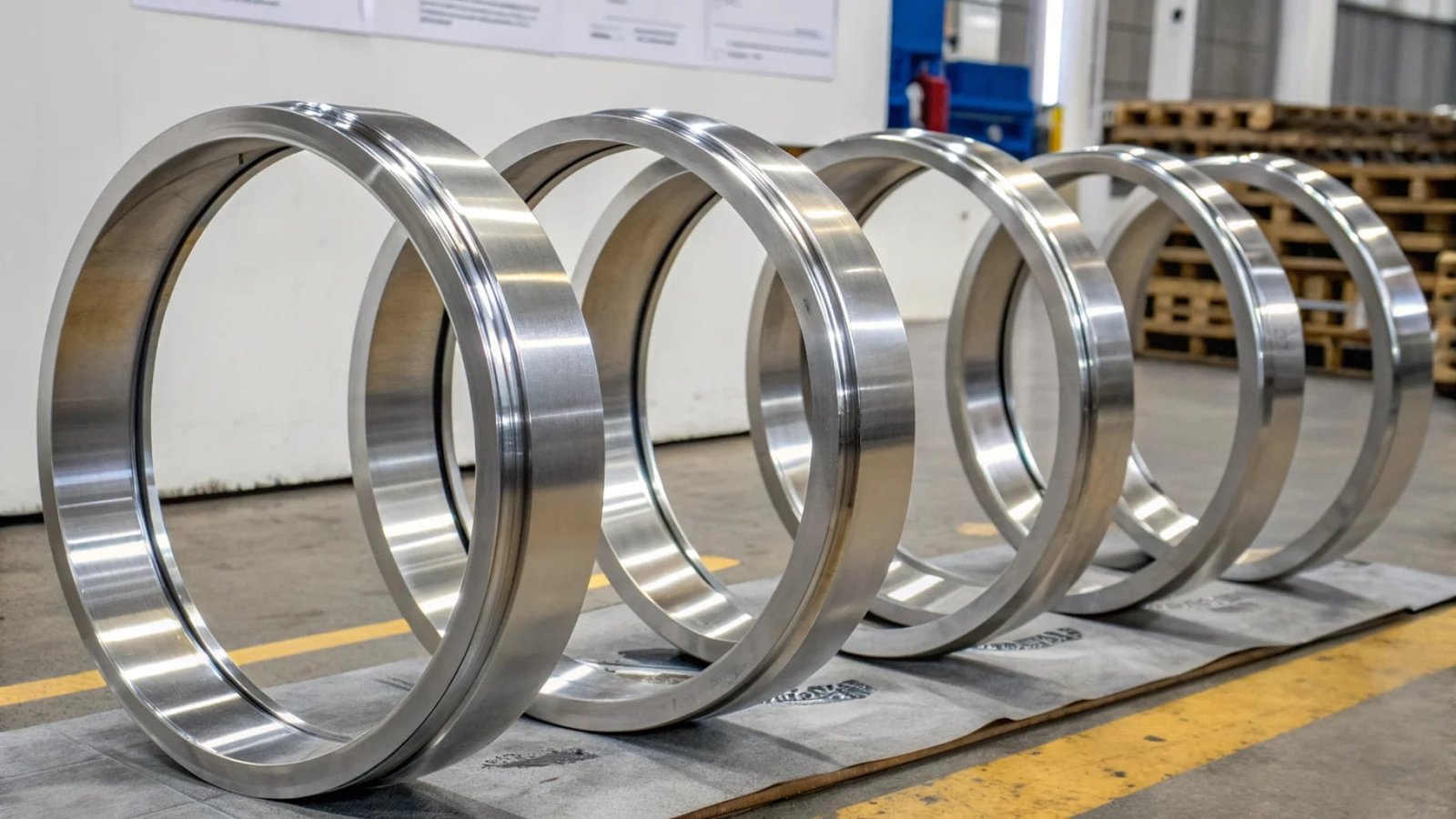
The simplest way to understand the difference is to compare it to casting. In casting, you melt the aluminum and pour it into a mold, like making an ice cube. As it cools, tiny bubbles and voids can get trapped inside, and the crystal structure is random and weak. Forging is the opposite. We start with a solid, high-quality billet and use thousands of tons of pressure to squeeze it into shape. This immense force physically crushes any potential voids and forces the metal's internal grains to flow along the contour of the part. This refined, directional grain structure is what makes a forged part so much tougher and more resistant to impact and fatigue than a cast or extruded one. It is a process of refinement, not just shaping.
Forging vs. Casting: The Hidden Differences
| Feature | Casting | Forging |
|---|---|---|
| Internal Structure | Random, coarse grains. Can have porosity. | Directional, fine grains. No porosity. |
| Strength | Lower | Significantly Higher |
| Fatigue Resistance | Poor. Prone to cracking from voids. | Excellent. Resists repeated stress cycles. |
| Reliability | Variable. Hidden defects are a risk. | Extremely High. Predictable and uniform. |
| Our Process | We do not use casting for structural parts. | This is our core process for all rings and discs. |
Can you even forge 6061 T6 aluminum?
You know 6061-T6 as a strong, reliable material. You might wonder if this strength comes from the alloy itself or if the forging process is a necessary step to activate its full potential.
Yes, not only can 6061 be forged, but it is one of the most common alloys we forge. The forging process is what prepares the 6061 for the T6 heat treatment, creating a part that is both strong and structurally sound.
The combination of forging and T6 heat treatment is what makes 6061 such a popular workhorse for industrial applications. The forging process first creates a dense, defect-free blank with a superior grain structure. After the part is forged, we then apply the T6 heat treatment (solution heat treat and artificial aging) to bring it to its peak strength. The result is a part that you can trust completely. For our clients who are machining large fixtures, bases for heavy machinery, or structural components, this combination is perfect. They get the good corrosion resistance and weldability of the 6061 alloy, plus the structural guarantee that only comes from a forged product. It removes all the guesswork from their manufacturing process, ensuring their final product is safe and reliable.
Is 7075 aluminum also forged?
You see 7075 used in critical aerospace parts. You know it is incredibly strong, but you want to be sure that the parts you are buying have the ultimate integrity for demanding applications.
Absolutely. For an ultra-high-strength alloy like 7075, forging1 is not just an option; it is essential. The forging process is critical to developing the fracture toughness and fatigue resistance that makes 7075 suitable for aerospace and other high-stress roles.
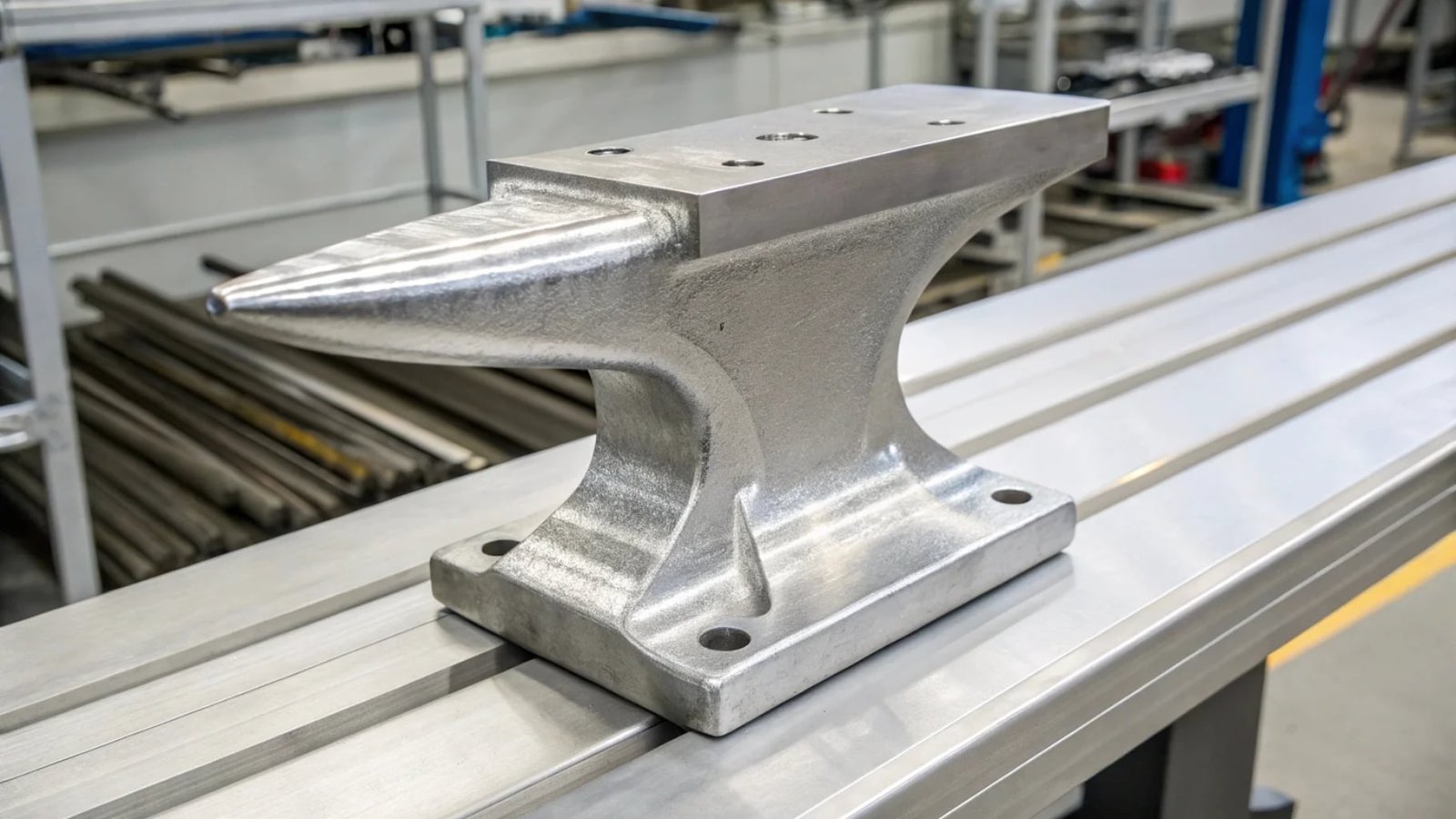
When an engineer specifies 7075 aluminum2, they are demanding the highest level of performance. They are designing a part where failure is not an option and strength-to-weight ratio is everything. You cannot achieve this level of assurance with a cast 7075 product. The immense pressure of the forging process is what gives 7075 its legendary properties. It ensures there are zero internal defects that could become a starting point for a crack under extreme stress or vibration. That is why when we forge a 7075 disc for a client in the high-performance automotive or defense industry, our process is extremely rigorous. We are not just selling them a strong alloy; we are delivering a certified, structurally perfect foundation for their most critical components.
What grade of aluminum is the most formable?
After learning about the incredible strength of forged parts, you might wonder what happens when you actually need to bend or shape aluminum, not just machine it.
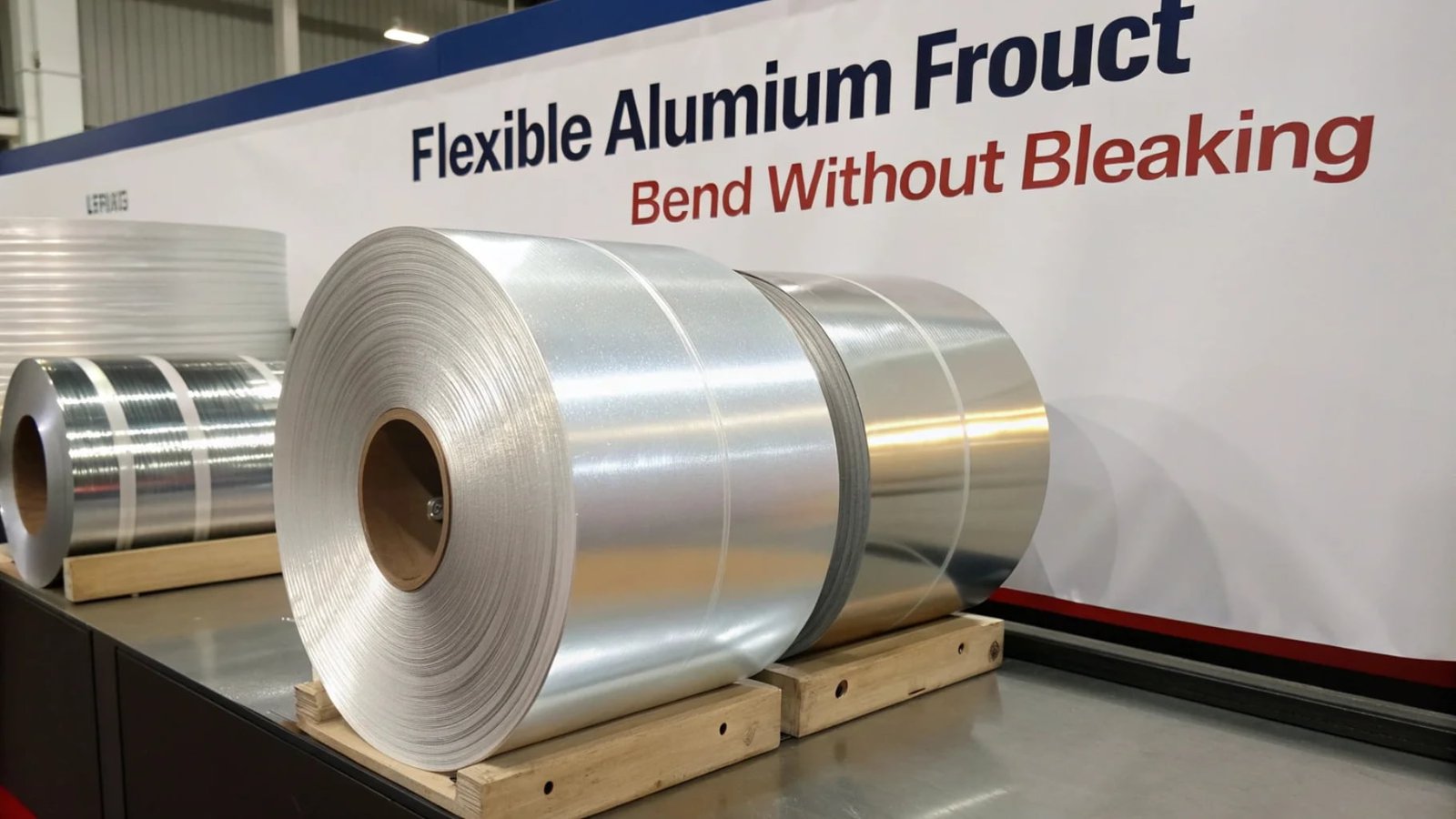
The most formable grades of aluminum are typically non-heat-treatable alloys like the 1xxx, 3xxx, and 5xxx series, especially in their soft, annealed ('O' temper) state. Formability is the opposite of the high strength found in forged T6 parts.
It is important to understand that there is a direct trade-off between strength and formability. The properties that make a forged 6061-T6 or 7075-T6 part so strong and rigid also make it brittle and impossible to bend without breaking. Formable alloys are designed differently.
-
3003 Aluminum: This is a very common "general purpose" alloy. It is not very strong, but it has excellent workability and can be bent, spun, and drawn into complex shapes easily. You find it in cooking utensils and chemical equipment.
-
5052 Aluminum: This alloy offers a great compromise. It has much better formability than 6061, but it is also the strongest of the non-heat-treatable grades, with excellent corrosion resistance. It is often used for sheet metal parts in marine environments.
Even strong alloys like 6061 can be made formable if they are in the right temper. In its annealed 'O' temper, 6061 is quite soft and can be bent. However, it has none of the strength it is known for. The strength only comes after the forming is done and the part is put through a full T6 heat treatment. This is why our clients buy forged parts from us—they need the final, guaranteed strength, not a material for bending.
Conclusion
Forging provides a structural guarantee. It eliminates hidden flaws and creates a material with absolute integrity, ensuring your final part performs predictably and safely under the most demanding conditions.