1. Material Overview & Manufacturing Process
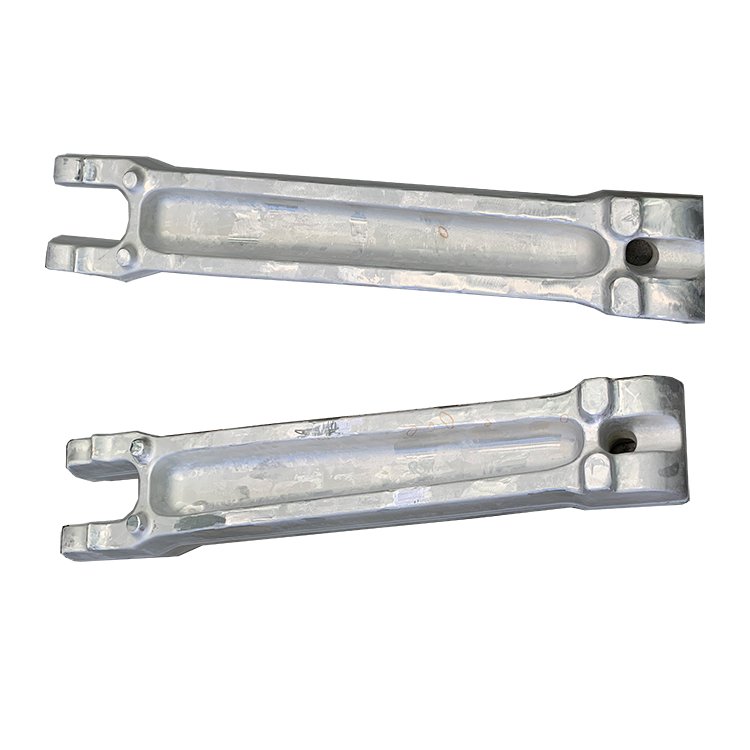
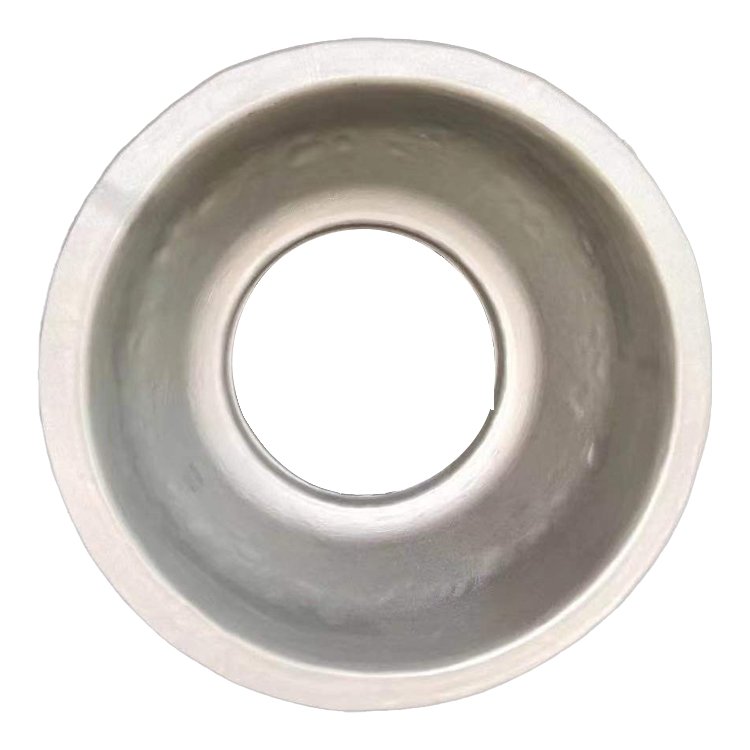
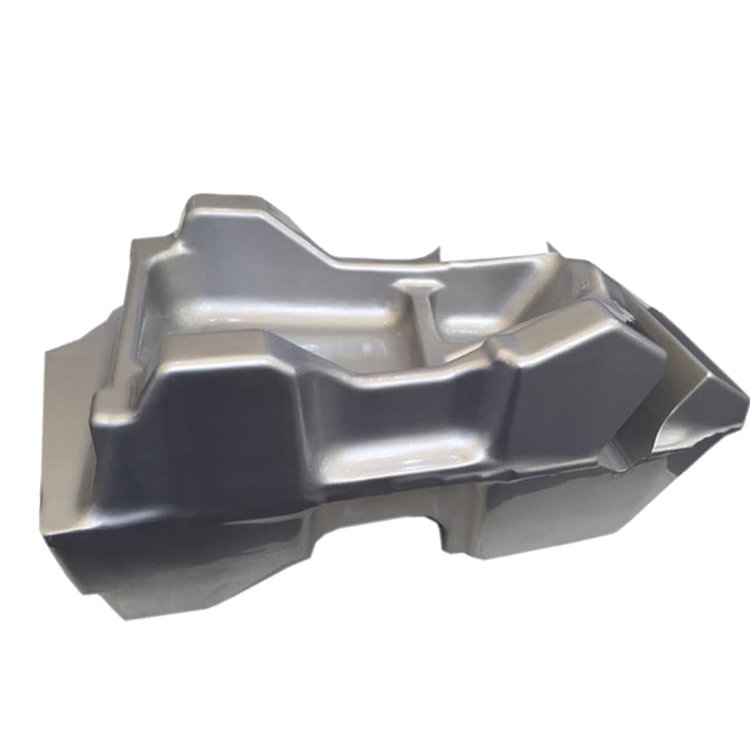
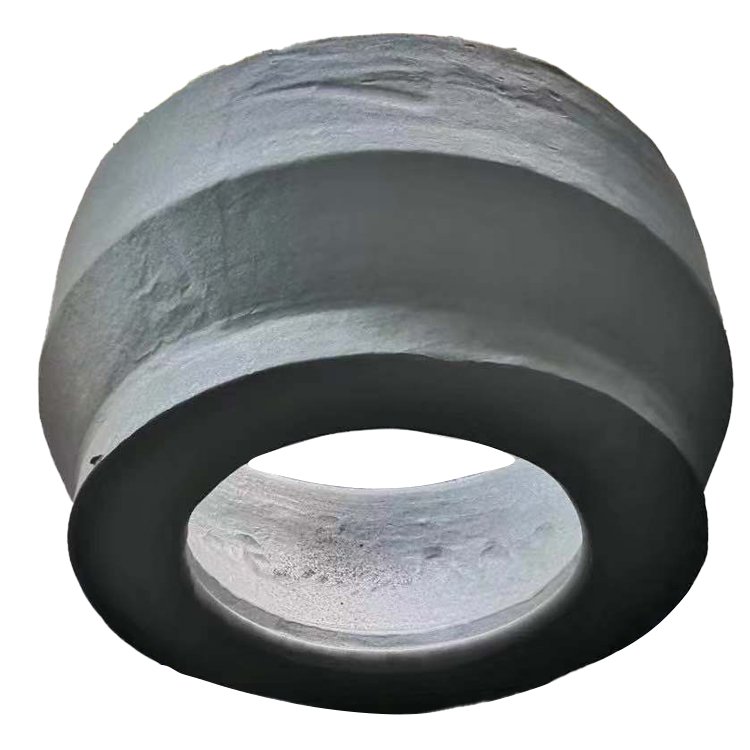
2618 large aluminum alloy die forgings are specialized high-temperature aluminum alloy components designed to maintain excellent strength and fatigue performance at elevated temperatures (typically up to 250°C to 300°C, and even higher for short durations). Unlike conventional high-strength aluminum alloys (such as 7075 or 2024), 2618 belongs to the Al-Cu-Mg-Ni-Fe series, distinguished by its inclusion of nickel (Ni) and iron (Fe) elements. These elements form stable dispersoids at high temperatures, significantly enhancing the alloy’s thermal stability and high-temperature mechanical properties. The manufacturing of large die forgings ensures material density, grain refinement, and continuous grain flow, characteristics crucial for components operating under demanding high-temperature and cyclic load conditions. 2618 large forgings are widely used in aerospace engine components (e.g., compressor blades, casings, pistons, piston pins), high-performance racing components, and other applications requiring a balance of lightweighting and high-temperature performance.
- Primary Alloying Elements:
- Copper (Cu): 1.8-2.7% (main strengthening element, forms Al₂Cu)
- Magnesium (Mg): 1.3-1.8% (synergistically strengthens with copper, and forms Mg₂Si phase)
- Nickel (Ni): 0.8-1.4% (improves high-temperature strength and stability, forms Al₃Ni, etc.)
- Iron (Fe): 0.8-1.4% (improves high-temperature strength and stability, forms Al₃Fe, etc.)
- Silicon (Si): 0.10-0.30% (optimizes heat treatment response)
- Base Material:
- Aluminum (Al): Balance
- Controlled Impurities:
- Zinc (Zn): 0.25% max
- Manganese (Mn): 0.10% max
- Titanium (Ti): 0.10% max
- Chromium (Cr): 0.10% max
- Other elements: 0.05% max each, 0.15% max total
Manufacturing Process (for Large Die Forgings): The production of 2618 large die forgings is extremely sensitive to forging temperature, deformation amount, and heat treatment process control, aiming to maximize its high-temperature strength and stability.
- Raw Material Preparation & Large-Size Ingots:
- High-quality, low-impurity 2618 large-size ingots are selected as forging billets. Ingot production requires advanced casting techniques (such as semi-continuous casting) to ensure uniform internal structure, absence of macroscopic defects, and minimal segregation. Special attention is paid to the uniform distribution of Ni and Fe.
- Ingots must undergo strict chemical composition analysis and ultrasonic inspection to ensure metallurgical quality.
- Multi-Pass Pre-forging (Upsetting and Drawing):
- Large ingots typically first undergo multi-pass upsetting and drawing pre-forging to break down coarse as-cast structures, refine grains, eliminate internal porosity and segregation, and form a uniform, fine-grained structure with continuous grain flow.
- Pre-forging is carried out on large hydraulic or oil presses, with precise control of deformation temperature and amount.
- Cutting:
- Billets are precisely cut according to the pre-forged dimensions and final forging requirements.
- Heating:
- Large billets are uniformly and slowly heated in advanced large forging furnaces to ensure thorough heat penetration. The forging temperature range for 2618 is narrow and requires strict control (typically 430-470°C), avoiding overheating that could cause grain boundary melting, and ensuring effective distribution of Ni/Fe dispersoids.
- Large Die Forging Formation:
- One or more precise strikes/pressures are applied on 10,000-ton or even tens of thousands of tons large hydraulic presses or forging hammers. Die design is extremely complex, utilizing CAE simulation techniques to precisely predict metal flow, temperature fields, and stress fields, ensuring metal flow lines follow the complex contour of the part and achieve near-net shaping.
- Stepwise Forging: For extremely complex or very large parts, forging may be conducted in multiple dies and steps to gradually form the final shape.
- Trimming:
- After forging, the heavy flash around the periphery of the large forging is removed.
- Heat Treatment:
- Solution Heat Treatment: The large forging is heated in a precisely controlled large heat treatment furnace to approximately 530°C ± 5°C and held for sufficient time to allow alloying elements to fully dissolve into the solid solution. Extremely high temperature uniformity is required.
- Quenching: Rapid cooling from the solutionizing temperature. For large forgings, large quenching tanks are typically used for warm water quenching (approx. 60-100°C) to reduce quenching stress and cracking risk, while ensuring sufficient strengthening.
- Aging Treatment:
- T61 Temper: This is the most commonly used temper for 2618, achieved through artificial aging (typically at 190-200°C for a longer holding time, such as 10-20 hours) to achieve strengthening. The aging process requires precise control to ensure the stability of precipitates and optimal high-temperature performance.
- Large Tensile/Compression Stress Relief (e.g., T6151):
- After quenching, large forgings typically require stress relief using large tensile or compression machines to significantly reduce quenching residual stress, minimize machining distortion, and improve dimensional stability. This step is particularly critical for large components; for high-temperature service parts, residual stress can affect creep behavior and thermal fatigue life.
- Finishing & Inspection:
- Deburring, shot peening (improves fatigue performance), dimensional inspection, surface quality checks.
- Finally, comprehensive nondestructive testing (e.g., ultrasonic, penetrant, eddy current) and mechanical property tests are performed to ensure the product meets the highest aerospace or relevant industry specifications.
2. Mechanical Properties of 2618 Large Die Forgings
2618 large die forgings in the T61 temper exhibit unique high-temperature strength, good room-temperature strength, and excellent fatigue performance, making them a preferred choice for high-temperature applications. Their performance indicators are usually strictly required by aerospace or special industrial standards, with guaranteed values distinguished for longitudinal (L), transverse (LT), and short-transverse (ST) directions.
| Property Type | T61 Typical Value (Room Temp) | T61 Typical Value (250°C) | Test Direction | Standard |
| Ultimate Tensile Strength (UTS) | 430-470 MPa | 260-300 MPa | L/LT/ST | ASTM B557 |
| Yield Strength (0.2% YS) | 380-420 MPa | 200-240 MPa | L/LT/ST | ASTM B557 |
| Elongation (2 inch) | 7-12% | 10-18% | L/LT/ST | ASTM B557 |
| Brinell Hardness | 135-150 HB | N/A | N/A | ASTM E10 |
| Fatigue Strength (10⁷ Cycles) | 130-160 MPa | 100-120 MPa | N/A | ASTM E466 |
| Creep Rupture Strength (1000h, 250°C, 0.2% strain) | 100-120 MPa | N/A | N/A | ASTM E139 |
| Fracture Toughness K1C | 20-26 MPa√m | N/A | N/A | ASTM E399 |
| Shear Strength | 250-280 MPa | N/A | N/A | ASTM B769 |
| Elastic Modulus | 72 GPa | 65 GPa | N/A | ASTM E111 |
Property Uniformity and Anisotropy:
- The size and weight of large die forgings make internal mechanical property uniformity a challenge, especially regarding high-temperature performance. However, advanced forging and heat treatment processes maximize property uniformity.
- Precise grain flow control enables optimal performance in main loading directions and improves transverse and short-transverse properties, reducing overall anisotropy, particularly for high-temperature performance in critical areas.
3. Microstructural Characteristics
The microstructure of 2618 large die forgings is the fundamental guarantee of its high-temperature strength, creep resistance, and fatigue performance.
Key Microstructural Features:
- Refined, Uniform, and Dense Grain Structure:
- After upsetting and die forging with a large forging ratio, coarse as-cast grains are thoroughly broken down, forming fine, uniform, and dense recrystallized grains. This eliminates casting defects such as porosity, gas pockets, and segregation, significantly improving the material’s ductility, toughness, and fatigue life.
- Stable dispersoids formed by Ni and Fe elements (e.g., Al₃Ni, Al₉FeNi) effectively pin grain boundaries at high temperatures, inhibiting grain growth and creep, thus maintaining fine-grain strengthening.
- Continuous Grain Flow Highly Conforming to Part Shape:
- This is the most significant characteristic and advantage of large die forgings. As the metal plastically flows within the large die cavity, its grains are elongated and form continuous fibrous flow lines that closely conform to the part’s complex external and internal structures.
- This grain flow alignment with the part’s primary stress direction under actual operating conditions effectively transfers loads, significantly improving the part’s fatigue performance, impact toughness, and high-temperature creep and thermal fatigue resistance in critical stress areas (e.g., large connection holes, corners, varying cross-sections). In large components, the control and continuity of grain flow are crucial for overall structural integrity.
- Precise Control and Uniform Distribution of Strengthening Phases (Precipitates):
- After strictly controlled solution heat treatment and aging, primary strengthening phases (e.g., Al₂Cu, S’ phase Al₂CuMg, and stable intermetallic compounds formed by Ni/Fe) precipitate uniformly in the aluminum matrix with optimal size, morphology, and spacing.
- For large 2618 forgings, the aging treatment (T61 temper) aims to form strengthening phases with extremely high stability at elevated temperatures, particularly those rich in Ni and Fe intermetallic compounds, which are resistant to coarsening and dissolution, thereby ensuring the alloy’s long-term mechanical properties at high temperatures.
- High Metallurgical Cleanliness and Low Defect Rate:
- Large die forgings have a dense internal structure, free from casting defects. Through strict control of raw material impurity content, the formation of harmful iron-rich or silicon-rich phases is reduced, thereby ensuring the material’s toughness, fatigue life, and damage tolerance. Large forgings for aerospace applications typically require extremely low levels of non-metallic inclusions and are ensured by 100% ultrasonic inspection for internal quality.
4. Dimensional Specifications & Tolerances
2618 large aluminum alloy die forgings are typically applied in fields with strict requirements for dimensional accuracy and geometric tolerances, and can achieve complex and near-net shape production.
| Parameter | Typical Size Range | Aerospace Forging Tolerance (e.g., AMS 2770) | Precision Machining Tolerance | Test Method |
| Max Envelope Dimension | 500 – 3000 mm | ±0.5% or ±2 mm | ±0.05 – ±0.3 mm | CMM/Laser Scan |
| Min Wall Thickness | 5 – 100 mm | ±1.0 mm | ±0.2 – ±0.5 mm | CMM/Thickness Gauge |
| Weight Range | 20 – 500 kg | ±3% | N/A | Electronic Scale |
| Surface Roughness (Forged) | Ra 12.5 – 50 μm | N/A | Ra 1.6 – 6.3 μm | Profilometer |
| Flatness | N/A | 0.5 mm/100mm | 0.1 mm/100mm | Flatness Gauge/CMM |
| Perpendicularity | N/A | 0.3° | 0.1° | Angle Gauge/CMM |
Customization Capability:
- Large die forgings are typically highly customized, produced based on complex CAD models and engineering drawings provided by customers.
- Manufacturers must possess strong die design and manufacturing capabilities, as well as ultra-large forging and heat treatment equipment.
- Full services can be provided, from raw material pre-forging, die forging, heat treatment, stress relief to rough/finish machining.
5. Temper Designations & Heat Treatment Options
The properties of 2618 alloy are highly dependent on heat treatment, especially aging treatment. For large forgings, the uniformity and depth of heat treatment are key challenges.
| Temper Code | Process Description | Typical Applications | Key Characteristics |
| O | Fully annealed, softened | Intermediate state before further processing | Maximum ductility, lowest strength |
| T61 | Solution heat treated, then artificially aged | High-temperature structural components, engine parts | Optimal high-temperature strength, good room-temp strength, fatigue resistance |
| T6151 | Solution heat treated, artificially aged, stretched stress-relieved | For reduced residual stress and machining distortion | Optimal high-temperature strength, low residual stress |
Temper Selection Guidance:
- T61 Temper: This is the standard and preferred temper for large 2618 forgings, providing the strength, creep resistance, and thermal fatigue performance required by 2618 alloy at high temperatures.
- T6151 Temper: For thick or precision-machined large forgings, choosing the T6151 temper can effectively reduce quenching residual stress, thereby minimizing machining distortion and improving dimensional stability, which is crucial for maintaining precise fits and reducing stress concentrations at high temperatures.
6. Machining & Fabrication Characteristics
Machining of 2618 large die forgings typically requires high-performance cutting tools and optimized processes; its weldability is poor.
| Operation | Tool Material | Recommended Parameters | Comments |
| Turning | Carbide, PCD tools | Vc=100-500 m/min, f=0.1-1.0 mm/rev | High hardness, requires high-rigidity machine tools, precision for surface finish |
| Milling | Carbide, PCD tools | Vc=150-800 m/min, fz=0.08-0.6 mm | High-performance machining centers, ample cooling, multi-axis control |
| Drilling | Carbide, Coated HSS | Vc=30-100 m/min, f=0.05-0.25 mm/rev | Deep hole drilling, internal cooling, chip evacuation, strict dimensional control |
| Tapping | HSS-E-PM | Vc=5-20 m/min | Proper lubrication, prevents thread tearing, mindful of cutting forces |
| Welding | Not Recommended (Fusion Welding) | Large 2618 components have poor weldability, prone to cracking and strength loss | Primarily via mechanical fastening or brazing/diffusion bonding (specific applications) |
| Residual Stress Treatment | Post-heat treatment pre-stretching/pre-compression, or vibratory stress relief, or stepwise machining | Prevents machining distortion, ensures dimensional stability, particularly affects high-temperature service performance | Critical aerospace process |
Fabrication Guidance:
- Machinability: 2618 in T61 temper has high hardness; its machinability is good but sensitive to tool wear. For large components, with large machining allowances, high-power, high-rigidity machine tools and ample cooling lubrication are required.
- Residual Stress: Large forgings have high residual stress after quenching. The T6151 temper (including tensile stress relief) can effectively control machining distortion, which is crucial for the dimensional stability and creep performance of high-temperature components. In precision machining of large components, a multi-stage machining strategy, including roughing-stress relief-finishing, should be employed.
- Weldability: Conventional fusion weldability of 2618 alloy is very poor, highly prone to hot cracking and severe loss of joint strength, and not suitable for structural welding. For connection applications, high-strength bolted connections or riveting are typically used, or in special cases, solid-state welding (such as Friction Stir Welding FSW) or brazing/diffusion bonding may be considered, with strict evaluation of their impact on overall high-temperature performance.
7. Corrosion Resistance & Protection Systems
The corrosion resistance of 2618 large aluminum alloy die forgings is relatively general, especially in humid or chloride environments, requiring additional protection.
| Corrosion Type | T61 (Typical) | Protection System |
| Atmospheric Corrosion | Good | Anodizing, or no special protection needed |
| Seawater Corrosion | Moderate | Anodizing, high-performance coatings, galvanic isolation |
| Stress Corrosion Cracking (SCC) | Moderately Sensitive | Anodizing, coatings, residual stress reduction |
| Exfoliation Corrosion | Moderately Sensitive | Anodizing, coatings |
| Intergranular Corrosion | Moderately Sensitive | Heat treatment control |
Corrosion Protection Strategies:
- Alloy and Temper Selection: The copper content of 2618 alloy makes its corrosion resistance inferior to 6xxx series alloys, but this trade-off is typically accepted to achieve high-temperature performance.
- Surface Treatment:
- Anodizing: The most common and effective protection method, forming a dense oxide film on the forging surface, enhancing corrosion and wear resistance. For large components, the size of the anodizing tank and process control are crucial.
- Chemical Conversion Coatings: Serve as good primers for paints or adhesives, providing additional corrosion protection.
- High-Performance Coating Systems: Multi-layer high-performance anti-corrosion coatings can be applied in extremely corrosive environments, especially in high-temperature exposure zones.
- Galvanic Corrosion Management: When in contact with incompatible metals, strict isolation measures (e.g., gaskets, insulating coatings, sealants) must be taken to prevent galvanic corrosion, which is particularly important in large complex structures.
8. Physical Properties for Engineering Design
The physical properties of 2618 large aluminum alloy die forgings are key input data in the design of high-temperature structural components.
| Property | Value | Design Consideration |
| Density | 2.76 g/cm³ | Lightweight design |
| Melting Range | 530-630°C | Heat treatment and welding window |
| Thermal Conductivity | 160 W/m·K | Thermal management, heat dissipation design |
| Electrical Conductivity | 36% IACS | Moderate electrical conductivity |
| Specific Heat | 920 J/kg·K | Thermal mass and heat capacity calculations |
| Thermal Expansion (CTE) | 22.8 ×10⁻⁶/K | Dimensional changes due to temperature variations |
| Young’s Modulus | 72 GPa | Deflection and stiffness calculations |
| Poisson’s Ratio | 0.33 | Structural analysis parameter |
| Damping Capacity | Low | Vibration and noise control |
Design Considerations:
- High-Temperature Strength and Stability: 2618’s strength retention in the 200-300°C temperature range is far superior to other common aluminum alloys, which is its core advantage.
- Excellent Fatigue Performance and Creep Resistance: The forging process combined with the alloy’s characteristics makes it suitable for engine components subjected to high-temperature cyclic loads.
- Ultimate Strength-to-Weight Ratio (at high temperatures): Provides an excellent strength-to-weight ratio in high-temperature environments, ideal for achieving weight reduction and improving thrust-to-weight ratio in aero-engines.
- Integration of Large Complex Shapes: Large die forging can produce near-net-shaped complex geometries, integrating multiple functions, reducing part count and assembly costs, which is crucial for the complex structures of aero-engines.
- Residual Stress Control: Controlling residual stress in large forgings is a key focus in design and processing, affecting dimensional stability and high-temperature creep behavior.
Design Limitations:
- High Cost: Raw material cost, die development cost, forging equipment investment, and precision machining cost are all extremely high, limiting its widespread application.
- Long Manufacturing Cycle: The design and manufacturing of dies for complex large forgings, as well as multi-pass forging and heat treatment cycles, are lengthy, requiring precise production planning.
- Poor Weldability: Traditional fusion welding methods are generally not used for 2618 large load-bearing structures.
- Lower Room-Temperature Strength than 7xxx Series: Its room-temperature strength is not as high as ultra-high-strength alloys like 7075, but its advantage becomes significant at high temperatures.
Economic and Sustainability Considerations:
- High-Value Applications: Large 2618 forgings are primarily used in strategic aerospace fields with extremely high demands for performance, reliability, and safety, where their high cost is offset by the significant performance improvements and safety margins they provide.
- Material Utilization Efficiency: Advanced near-net shaping forging technology and precision machining can minimize material waste, though for large parts, machining allowance can still be substantial.
- Environmental Friendliness: Aluminum alloys are highly recyclable, aligning with green manufacturing and circular economy principles.
- Enhanced Safety: The superior high-temperature performance of forgings directly enhances the safety of critical equipment like aero-engines, which is the highest manifestation of their value.