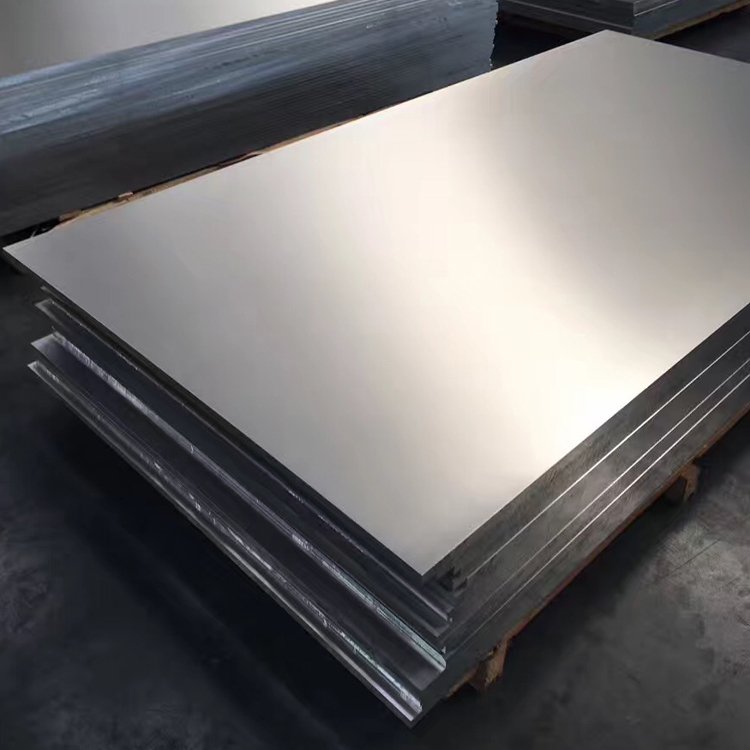

1. Material Composition & Manufacturing Process
5052 aluminum alloy (ASTM B209, AMS 4002) features a magnesium-chromium alloying system optimized for corrosion resistance and formability:
- Alloy Chemistry:
- Magnesium (Mg): 2.2-2.8% (solution strengthening)
- Chromium (Cr): 0.15-0.35% (corrosion resistance)
- Iron (Fe): ≤0.40% max
- Silicon (Si): ≤0.25% max
- Copper (Cu): ≤0.10% max
- Base Material:
- Aluminum (Al): ≥96.7% (balance)
- Trace Elements:
- Zinc (Zn): ≤0.10% max
- Manganese (Mn): ≤0.10% max
- Titanium (Ti): ≤0.15% max
Advanced Manufacturing Process:
- Continuous Casting: 680-720°C molten metal temperature
- Hot Rolling: Initial reduction at 450-510°C
- Cold Rolling: Final gauge reduction (30-80% reduction)
- Stabilization Treatment:
- H32: Slightly strain hardened + stabilized
- H34: Medium strain hardened + stabilized
- H38: Hard strain hardened + stabilized
- Surface Treatment: Mill finish, brushed or embossed options
Certified to ASME SB209 and EN 485 standards with full traceability documentation.
2. Mechanical Properties by Temper State
| Property | O Temper | H32 Temper | H34 Temper | Test Standard |
| Ultimate Tensile Strength | 170-215 MPa | 230-265 MPa | 260-290 MPa | ASTM B557 |
| Yield Strength (Rp0.2) | 65-105 MPa | 195-215 MPa | 220-240 MPa | ASTM B557 |
| Elongation (%) | 18-25% | 8-14% | 6-10% | ASTM B557 |
| Shear Strength | 125-145 MPa | 155-175 MPa | 170-190 MPa | ASTM B831 |
| Bearing Strength | 310-350 MPa | 440-480 MPa | 480-520 MPa | ASTM E238 |
| Fatigue Strength (10⁷) | 90-115 MPa | 110-135 MPa | 120-145 MPa | ASTM E466 |
| Hardness (Brinell) | 47-52 HB | 60-68 HB | 68-75 HB | ASTM E10 |
| Impact Toughness | 25-30 J | 20-24 J | 15-20 J | ASTM E23 |
3. Heat Treatment & Microstructure Control
Strain Hardening Mechanism:
- Cold rolling reduction determines final properties:
- H32: 8-15% reduction
- H34: 15-22% reduction
- H38: 30-40% reduction
- Stabilization Treatment: 120-160°C for 1-3 hours
Microstructural Characteristics:
- Grain Size: ASTM 5-6 (40-60μm)
- Dispersoid Phases:
- Al₃Mg₂ particles (2-5nm)
- Al₇Cr precipitates (10-30nm)
- Dislocation Density:
- O temper: 1×10⁸/cm²
- H38 temper: 6×10¹⁰/cm²
- Texture Components: Strong Brass {110}<112>
- Recrystallization Fraction: Fully recrystallized in O temper
4. Dimensional Specifications for Plate
| Parameter | Standard Range | Precision Tolerance | Special Capabilities |
| Thickness | 0.5-150 mm | ±1-3% (varies by gauge) | Up to 200 mm |
| Width | 1000-3000 mm | ±5-15 mm | Up to 4500 mm |
| Length | 2000-12000 mm | ±10-30 mm | Up to 18,000 mm |
| Flatness | 5-15 mm/m | 1-3 mm/m (precision) | – |
| Surface Roughness | 0.4-1.2 μm Ra | 0.2-0.4 μm Ra (polished) | Mirror finish |
| Edge Condition | Mill edge | Squared or beveled | CNC edge profiling |
Forming Capabilities:
- Stretch Forming: Up to 30% elongation
- Deep Drawing: LDR of 1.8-2.2
- Hydroforming: Complex shapes
- Brake Forming: Minimum bend radius 1t (O temper)
- Roll Forming: Continuous profiles
5. Corrosion Resistance Performance
| Environment | Performance Rating | Corrosion Rate | Protection Methods |
| Seawater Immersion | Excellent | <0.002 mm/year | Alodine 1200S conversion |
| Coastal Atmosphere | Excellent | 0.001-0.003 mm/year | Paint systems |
| Chemical Exposure | Good | 0.01-0.1 mm/year | PVDF coating |
| Automotive Salt Spray | Excellent | ASTM B117 Rating A | E-coat pretreatment |
| Stress Corrosion | Excellent | SCC threshold >50MPa | – |
Surface Treatment Options:
- Mill Finish: Standard protective film
- Anodizing: Decorative or hard coat
- Powder Coating: Multiple color options
- PVDF Coating: Superior weather resistance
- Chromate Conversion: Alodine 600 series
- Embossed Surfaces: Diamond or linear patterns
6. Machining & Fabrication Properties
| Operation | Tool Material | Recommended Parameters | Quality Output |
| Waterjet Cutting | High-pressure | 3500-4000 bar, 8-15 mm/min | ±0.1-0.3 mm |
| Laser Cutting | Fiber laser | 3-6 kW power, 5-20 m/min | Ra 3-8 μm |
| Routing | Carbide tools | 3000-5000 RPM, 1500-3000 mm/min | Burr-free edges |
| Punching | HSS tooling | 60-100 strokes/min | IT12 tolerance |
| Blanking | D2 tool steel | Clearance 8-12% material thick | Minimum 1.5t radius |
Fabrication Advantages:
- Weldability: Excellent without preheat
- Shearability: Low tool wear rate
- Formability: High ductility in annealed state
- Joinability: Compatible with all standard methods
- Polishability: Excellent surface finishing characteristics
7. Welding & Joining Technologies
Optimal Welding Processes:
- Gas Metal Arc Welding (GMAW):
- Wire: ER5356 or ER5556
- Shielding Gas: Argon or Ar+25%He
- Tungsten Inert Gas (GTAW):
- Electrode: EWTh-2 (2% thorium)
- Gas Flow: 12-18 L/min
- Resistance Spot Welding:
- Pressure: 2.5-4.0 kN
- Time: 0.2-0.5 sec
Specialized Joining Methods:
- Adhesive Bonding:
- Epoxy structural: 15-25 MPa
- Methacrylate: 12-20 MPa
- Mechanical Fastening:
- Self-piercing rivets
- Blind rivets
- Clinching technology
- Brazing Systems:
- Aluminum-silicon filler metals
- Furnace or torch brazing
8. Physical Properties for Engineering Design
| Property | Value | Design Significance |
| Density | 2.68 g/cm³ | Lightweight advantage |
| Young’s Modulus | 70.3 GPa | Stiffness in design |
| Poisson’s Ratio | 0.33 | Stress distribution |
| CTE (20-100°C) | 23.8 μm/m·°C | Thermal expansion |
| Thermal Conductivity | 138 W/m·K | Heat transfer capability |
| Electrical Conductivity | 35% IACS | Electrical applications |
| Melting Range | 605-650°C | Processing safety margin |
| Magnetic Permeability | <1.01 | Electromagnetic neutrality |
9. Quality Control & Certification
Comprehensive Testing Protocol:
- Chemical Analysis: Optical emission spectroscopy
- Mechanical Testing: Batch/lot certification
- Corrosion Testing:
- ASTM G67 for intergranular corrosion
- ASTM G85 for salt spray
- Non-Destructive Testing:
- Ultrasonic scanning (ASTM B594)
- Eddy current examination
- Surface Quality Inspection:
- Visual per ASTM B209
- Profilometer measurement
Certification & Compliance:
- ISO 9001:2015 Quality System
- AS9100 Aerospace Certification
- NADCAP Special Processing
- RoHS & REACH Compliance
- Marine Classification: ABS, DNV, LR
- FDA Compliance for food contact
10. Industrial Applications & Handling
Primary Application Sectors:
- Marine components and superstructures
- Transportation flooring and panels
- Architectural cladding systems
- Chemical processing equipment
- Food & beverage processing
- Electrical enclosures
- HVAC ductwork
- Automotive body panels
Handling & Storage Protocols:
- Protective film: PE or PET coating
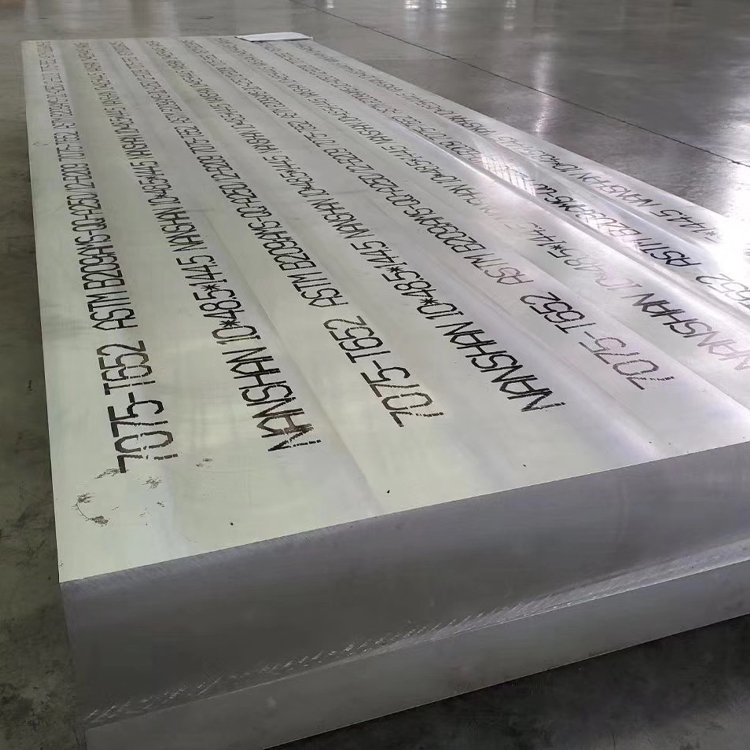
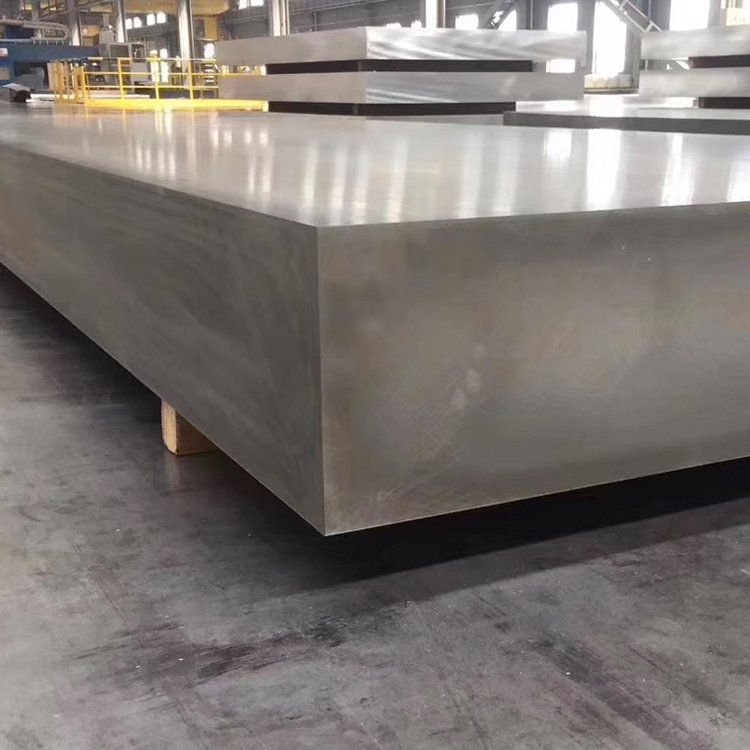
- Storage orientation: Vertical or flat
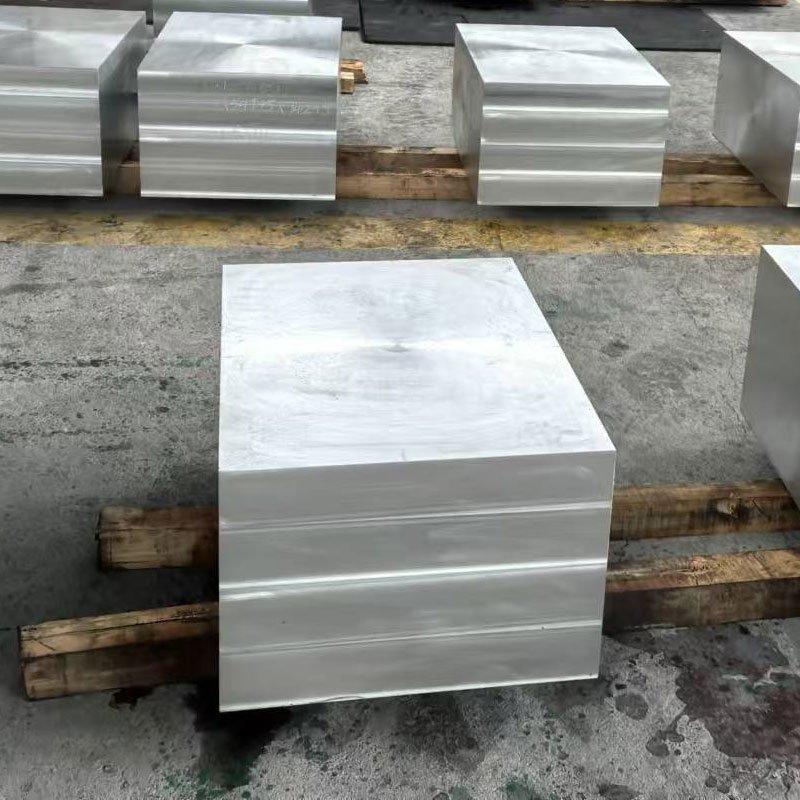
- Stacking: Wood separators every layer
- Lifting: Wide belt slings (>150mm)
- Environmental control: <70% humidity
- Packaging: Desiccant loaded systems
Transportation Requirements:
- Weatherproof covering
- Edge protection systems
- Non-metallic blocking
- Cradle supports for plates
- ISO container specifications