
Aluminum alloys are crucial in many industries, but understanding their properties can be challenging. Have you ever wondered how to choose the right alloy for your needs?
The strength of aluminum varies by alloy. Factors like composition, heat treatment, and processing affect these properties. Knowing these variations helps you select the appropriate alloy for your application.
When choosing an aluminum alloy, it’s essential to know that the best performance is not always about strength. It's about finding the right balance for your specific application. The strongest alloys often have lower corrosion resistance1. There is no "perfect" alloy; only the most suitable one for your needs.
What is the strength of aluminum?
Aluminum strength is not a simple metric. It depends on the specific alloy and its treatment. In general, pure aluminum has low strength but high corrosion resistance. When alloyed with elements like copper or magnesium, the strength increases significantly.
The yield strength of aluminum alloys2 can vary widely. For example, 2024 alloy has a yield strength of around 70,000 psi, while 6061 has about 40,000 psi. This distinction is vital when selecting an alloy for structural applications.
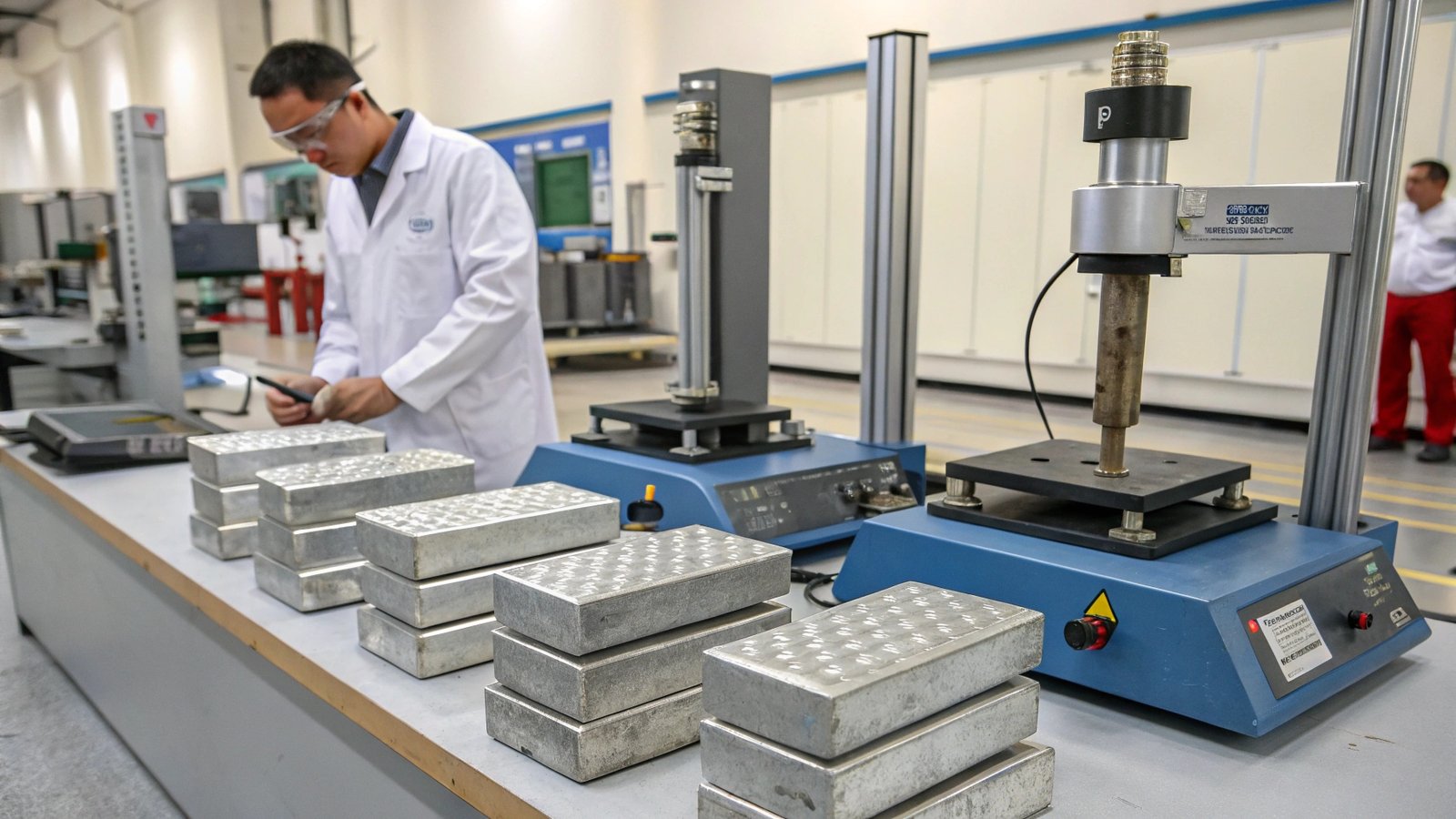
Strength is just one aspect of aluminum alloys. Other factors include ductility, fatigue resistance, and weldability. Designers must consider these factors together. For instance, while 7075 T6 is strong, it's not as ductile or weldable as 6061. Each alloy presents unique advantages and weaknesses that can affect its performance in real-world applications.
Here’s a table comparing common aluminum alloys based on their properties:
| Alloy | Yield Strength (psi) | Corrosion Resistance | Ductility | Weldability |
|---|---|---|---|---|
| 2024 | 70,000 | Moderate | Low | Poor |
| 6061 | 40,000 | Good | Medium | Good |
| 7075 | 78,000 | Poor | Low | Poor |
| 5052 | 33,000 | Excellent | High | Good |
Is 6061 or 5052 aluminum stronger?
When comparing 6061 and 5052, 6061 is typically stronger. However, 5052 offers better corrosion resistance and formability. The choice between the two depends on the intended application.
6061 aluminum3 has a tensile strength of 45,000 psi, while 5052 aluminum4's tensile strength is about 31,000 psi. This difference makes 6061 a better choice for structural applications where strength is critical.
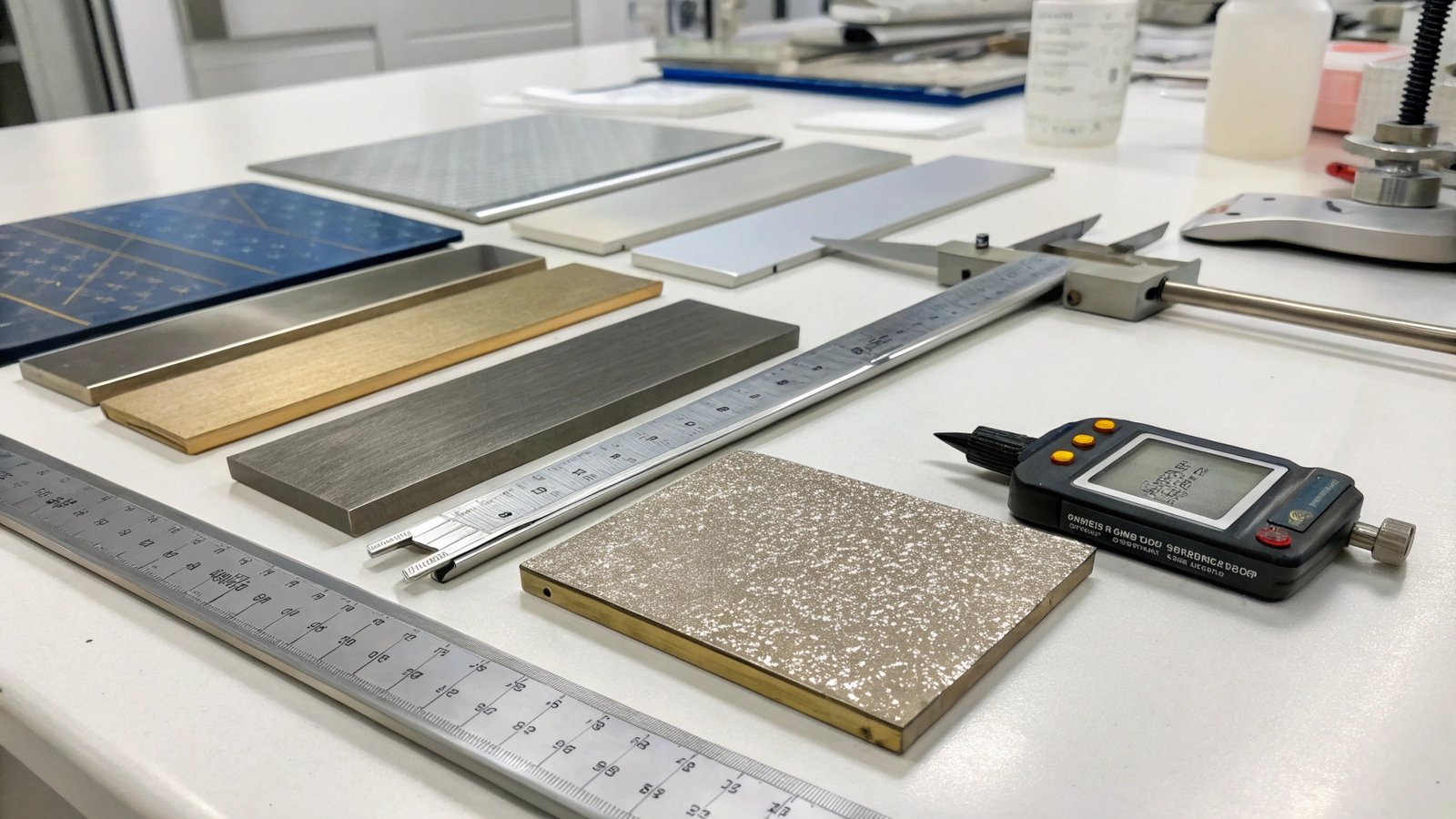
In many cases, 5052 is chosen for marine applications due to its excellent corrosion resistance. It works well in environments exposed to saltwater. On the other hand, 6061 is commonly used in structural applications, such as bridges and buildings. Each alloy has its niche that makes it valuable.
Here's a quick comparison of key properties for 6061 and 5052:
| Property | 6061 | 5052 |
|---|---|---|
| Tensile Strength (psi) | 45,000 | 31,000 |
| Yield Strength (psi) | 40,000 | 28,000 |
| Corrosion Resistance | Good | Excellent |
| Ductility | Medium | High |
Is Al stronger than steel?
Aluminum is lighter than steel, but strength varies. In terms of weight-to-strength ratio, aluminum can be competitive. However, when comparing equal volumes, steel is generally stronger.
While aluminum has a high strength-to-weight ratio5, it often falls short of steel in pure strength comparisons. Steel can have a yield strength of around 36,000 psi to over 100,000 psi, whereas most aluminum alloys fall below these numbers.
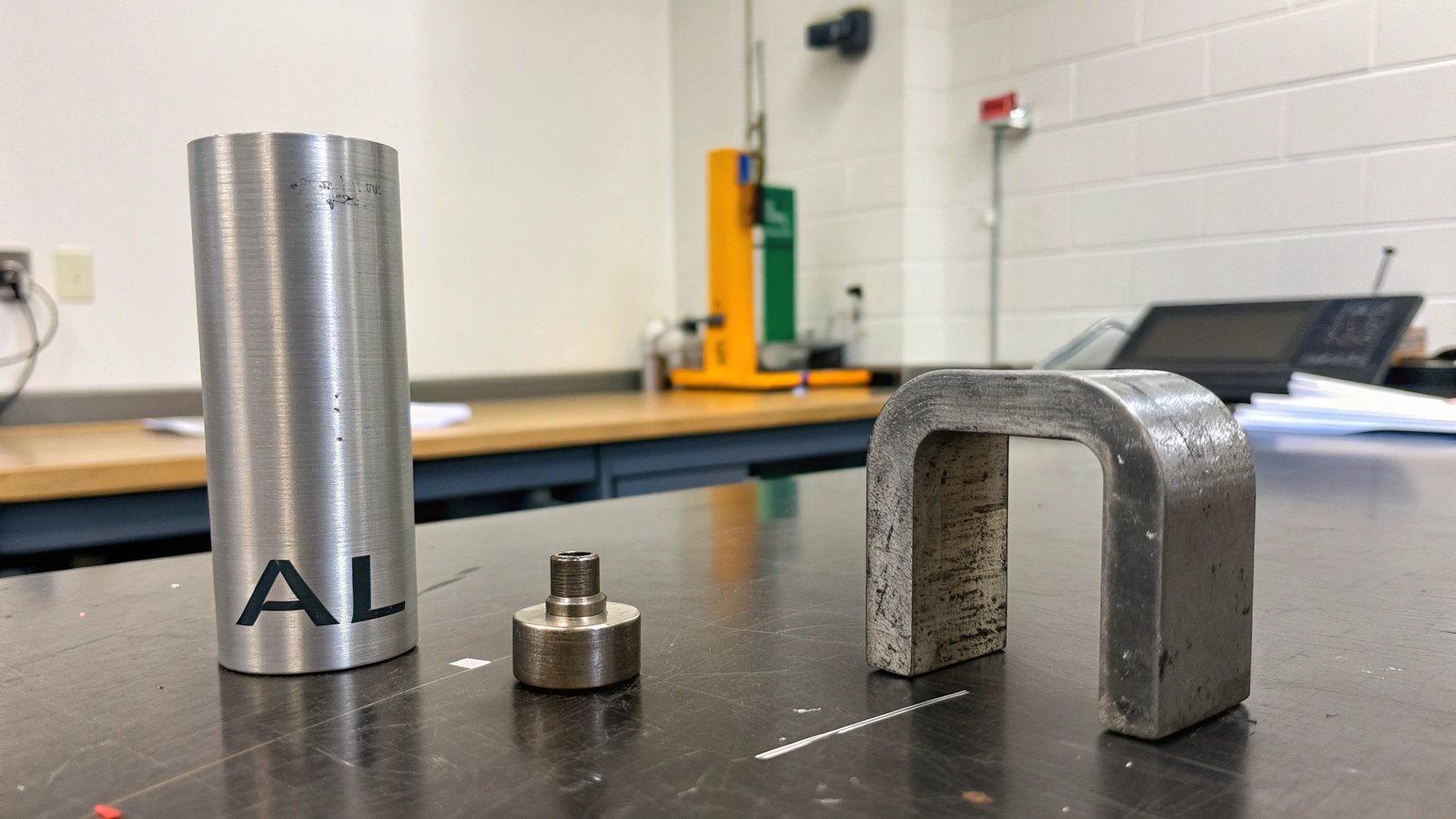
In practical applications, aluminum is often favored for its lightweight and corrosion resistance. Industries like aerospace and automotive utilize aluminum to reduce weight and improve fuel efficiency. However, for applications requiring high strength and durability, steel remains the preferred material.
Here's a table comparing aluminum and steel based on their tensile strength:
| Material | Tensile Strength (psi) | Weight (lbs/ft³) |
|---|---|---|
| Aluminum | 40,000 - 100,000 | 168 |
| Steel | 36,000 - 100,000 | 490 |
Can aluminum be as strong as steel?
Aluminum can match steel's strength in specific applications, especially when using high-strength alloys. However, the trade-offs often include weight and corrosion resistance.
High-strength aluminum alloys, like 7075, can approach the strength of some steels. However, they often lack the toughness and ductility steel offers. Thus, while aluminum can be strong, it may not entirely replace steel in all applications.
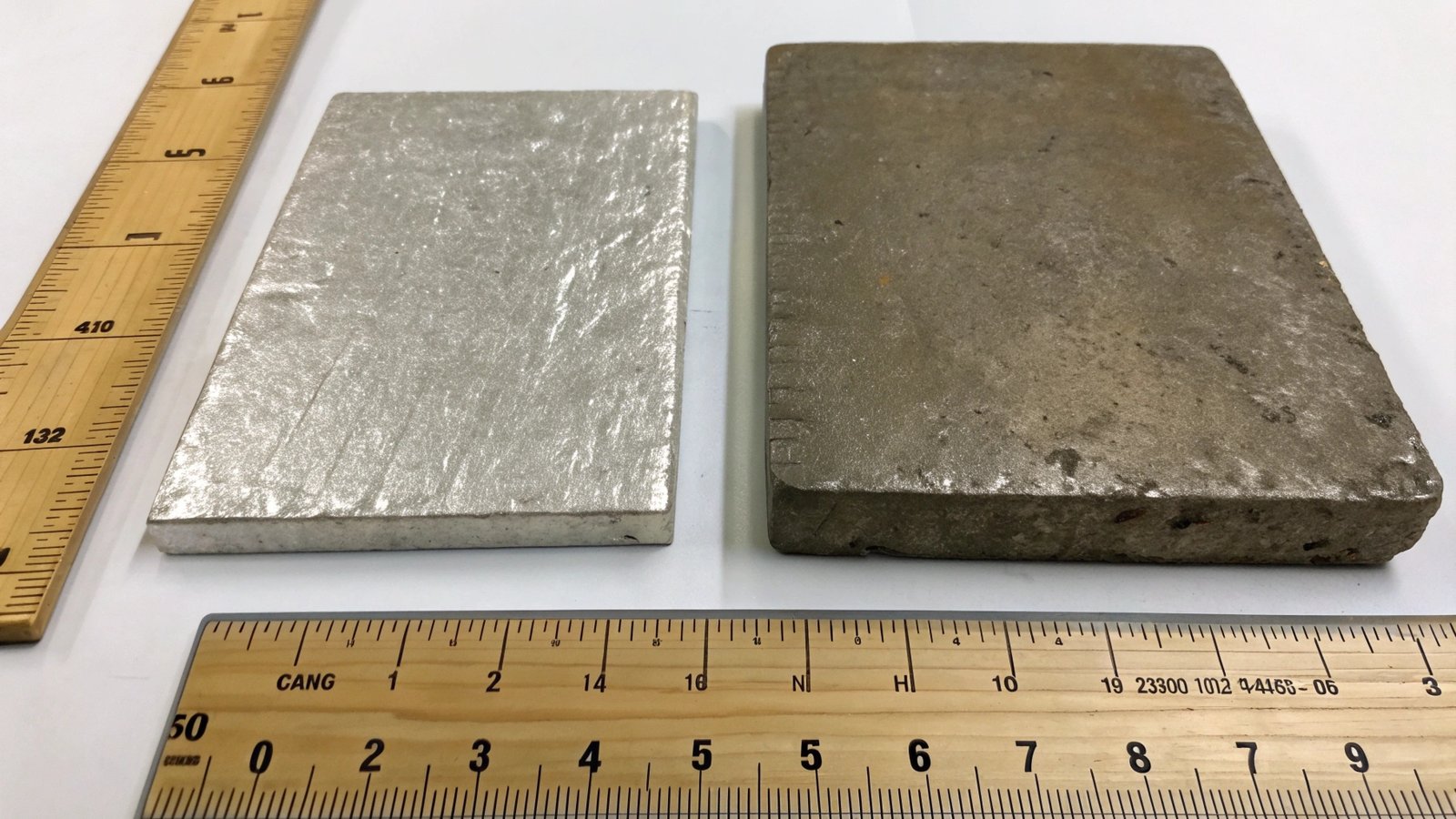
To make the right choice, it's crucial to consider your application's requirements. If weight savings and corrosion resistance are critical, high-strength aluminum might be the right choice. However, for heavy-duty applications, steel may be the best option.
A brief comparison of aluminum alloys to steel:
| Alloy | Yield Strength (psi) | Application |
|---|---|---|
| 7075 Aluminum | 78,000 | Aircraft structures |
| 4130 Steel | 90,000 | Automotive frames |
| 6061 Aluminum | 40,000 | General fabrications |
| 1018 Steel | 53,000 | Machined parts |
Conclusion
Choosing the right aluminum alloy involves understanding the properties and trade-offs. It’s about finding the best fit for your specific application rather than seeking perfection.
Discover how corrosion resistance impacts the choice of aluminum alloys for various environments. ↩
Explore this resource to understand the various aluminum alloys and their specific applications in different industries. ↩
Dive into the characteristics of 6061 aluminum to see why it's a popular choice in construction. ↩
Find out why 5052 aluminum is favored in marine environments due to its corrosion resistance. ↩
Understanding the strength-to-weight ratio can help you select materials for weight-sensitive applications. ↩