
You hear the term "aluminum alloy1" constantly, but you're not entirely sure what it means. This makes it difficult to choose the right material, risking project delays or performance failures.
An aluminum alloy is a material created by mixing pure aluminum with other specific elements. This process is vital because it engineers the aluminum to have superior properties like high strength, durability, and corrosion resistance, making it suitable for demanding industrial applications.
I often explain to our clients that an aluminum alloy is not just a simple mixture. It is aluminum that has been purposefully engineered with other elements to achieve the specific, high-performance properties your application requires. As a forging company, we start with these advanced alloys. Then, our forging process further refines the material's structure, creating the ultimate foundation for parts that need to perform without fail. This combination of a superior alloy and a superior process is the key to reliability.
What's the Difference Between Pure Aluminum and an Aluminum Alloy?
You're trying to source material and see options for both "pure aluminum" and "aluminum alloys." You fear that choosing the wrong one could mean using a weak material for a critical, high-strength part.
The main difference is performance. Pure aluminum is soft, ductile, and not very strong. An aluminum alloy adds other elements like zinc or copper, creating a new material with dramatically increased strength, hardness, and specific characteristics tailored for industrial use.
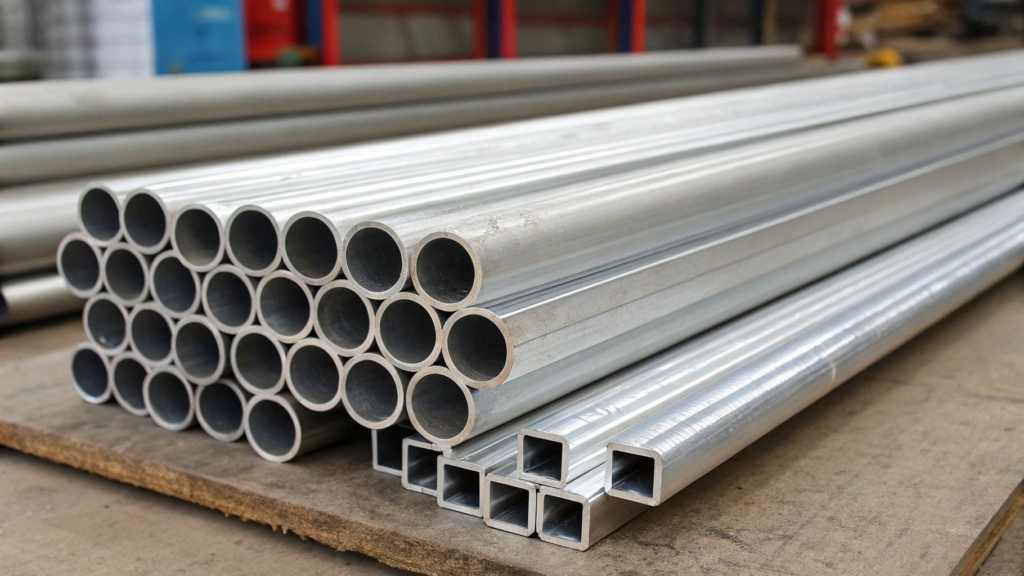
This is one of the first things we clarify for new customers. Pure aluminum, part of the 1xxx series, is excellent for things like electrical foil or food packaging due to its high corrosion resistance2 and ductility. But you would never build a machine part or an airplane wing from it. For that, you need the strength that only an alloy can provide. By adding even a small percentage of another element, we fundamentally change the material's internal structure. This creates the power and durability that our machining and trading partners in industries from aerospace to automotive depend on.
Pure vs. Alloy: A Head-to-Head Comparison
| Property | Pure Aluminum (1xxx Series) | Common Aluminum Alloy (e.g., 6061-T6) |
|---|---|---|
| Strength | Very Low | High (can rival some steels) |
| Hardness | Very Soft | Hard and durable |
| Primary Use Cases | Electrical wiring, food packaging, chemical tanks. | Structural components, machine parts, aerospace frames. |
| Material Description | A single element (Al) with excellent corrosion resistance. | An engineered material with tailored mechanical properties. |
Thinking of it this way makes the choice clear: for anything structural, an alloy is not just an option; it's a necessity.
What Are Aluminum Alloys Actually Made Of?
You know that alloys contain other metals, but you are not sure which ones. This lack of knowledge makes it hard to predict how a specific alloy will perform in terms of strength, corrosion, or machinability.
Aluminum alloys are primarily made by adding specific elements to pure aluminum. The most common additions include copper, magnesium, silicon, manganese, and zinc. Each element is like a recipe ingredient that adds a unique property to the final material.
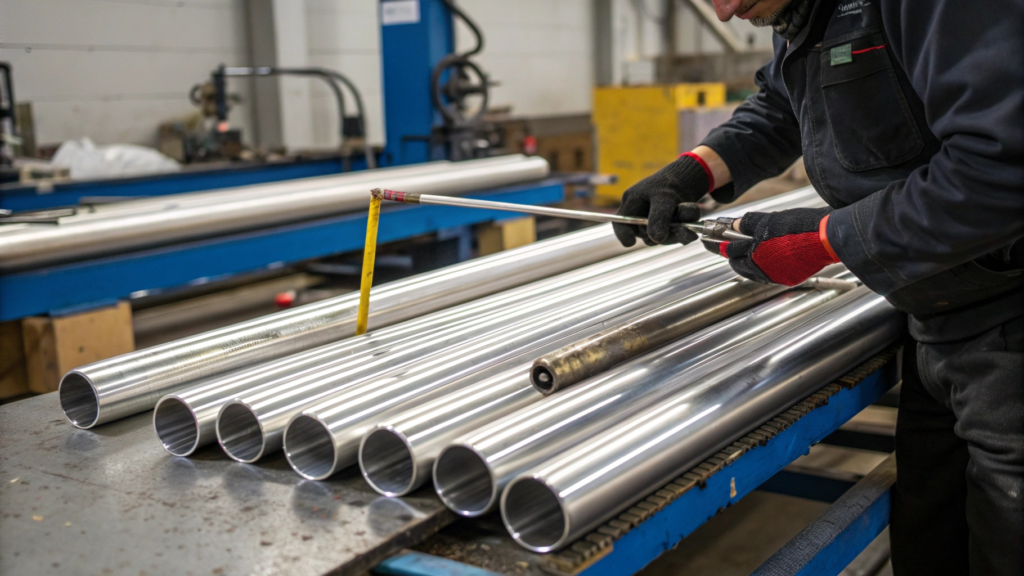 We treat these alloying elements like a recipe book for performance. When a customer in the Middle East needs a part for a marine environment, we immediately think of alloys with magnesium. If another needs extreme strength for an aerospace component, we look at alloys with zinc or copper. Understanding these "ingredients" is fundamental to our work at SWA Forging. It allows us to recommend the perfect raw material that will give our clients—whether they are traders or machinists—the exact performance characteristics they need for success.
The Recipe for Performance
-
Copper (Cu): The Strength Giver
When you see a 2xxx series alloy, like 2024, think of strength. Copper allows the alloy to be heat-treated to very high strength levels, which is why it's a favorite in the aerospace industry. The trade-off is that it can slightly reduce corrosion resistance.
-
Magnesium (Mg): The Marine Expert
Alloys in the 5xxx series are the champions of corrosion resistance, especially in saltwater. Magnesium provides good strength and excellent weldability without the need for heat treatment, making it ideal for shipbuilding and marine hardware.
-
Zinc (Zn): The Ultimate Performer
For the absolute highest strength, you look to the 7xxx series, like our popular 7075 alloy. Zinc is the primary alloying element here, creating materials that can rival the strength of steel at a fraction of the weight.
-
Silicon (Si): The Casting & Welding Pro
Silicon doesn't add much strength, but it dramatically lowers the melting point of aluminum. This makes 4xxx series alloys fantastic for use as welding and brazing wire, ensuring a fluid and stable process.
Is an Aluminum Alloy a Good Quality Material?
You need a reliable, high-quality material for your project. You hear mixed things about aluminum and wonder if an alloy is truly a premium choice or just a lightweight compromise.
Yes, an aluminum alloy is an exceptionally good quality material when the correct alloy is chosen for the right application. Its combination of strength, light weight, and durability makes it a premium, high-performance choice for the world's most demanding industries.
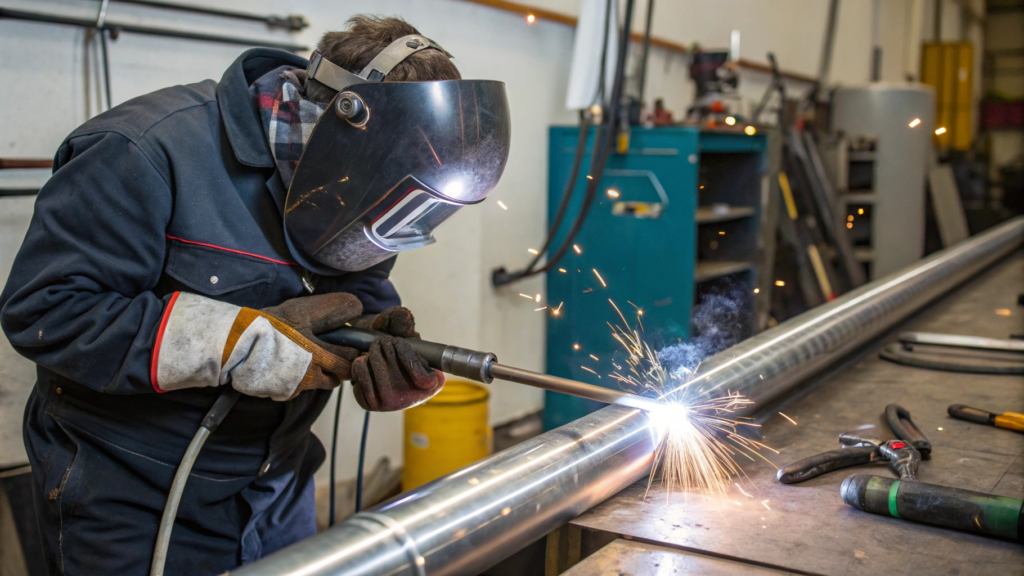
Quality is the core of our business at SWA Forging. We are ISO 9001 certified, and every single order we ship includes a product quality certificate. We would not have built our business on aluminum alloys if they were not a high-quality material. The key is in the selection and processing. A 6061 alloy is perfect for general machine parts, while a 7075 alloy is required for high-stress aerospace components. When you source from us, you're not just getting a piece of metal. You're getting our expertise in matching the right alloy to your need and our assurance of quality through rigorous inspection, with options for third-party certification from SGS, BV, or TUV.
Quality You Can Measure
The "quality" of an alloy is not just a feeling; it is a set of measurable properties that we guarantee.
- Verified Composition: We ensure the chemical composition of the alloy is exactly to specification. This guarantees that the "recipe" is correct, so the material performs as expected.
- Certified Mechanical Properties: We test for and certify properties like tensile strength, yield strength, and hardness. This proves the material can handle the loads your design requires.
- Structural Integrity: Our forging process creates a fine-grained, uniform internal structure free from the porosity or defects that can be found in casting. This inherent quality means superior toughness and fatigue resistance.
- Traceability: From raw material to finished product, every piece is traceable. This is a non-negotiable quality standard for our aerospace and industrial clients.
What Are Common Examples of Aluminum Alloys?
You need to specify an alloy for a project, but the four-digit naming system is confusing. Seeing a list of numbers like 6061, 7075, and 5083 doesn't tell you how they actually perform.
Common examples include 6061, a versatile "workhorse" alloy; 7075, a very high-strength alloy used in aerospace; 2024, another high-strength aerospace alloy; and 5083, known for its exceptional performance in marine environments due to its corrosion resistance.
At our facility in Suzhou, we work with a wide range of these alloys every day, but a few stand out as the most requested by our clients. Machining companies love 6061 because it offers a fantastic balance of strength, corrosion resistance, and excellent machinability, making it cost-effective for a huge variety of parts. For traders supplying the aerospace or high-performance automotive sectors, 7075 is the top choice due to its steel-like strength. We also handle a lot of 5083 for our clients in the Middle East, as its resistance to saltwater corrosion is essential for their regional needs. Understanding these common examples is the first step to speaking the language of aluminum.
Your Quick Guide to Common Alloys
| Alloy Series | Primary Element | Key Characteristics | Typical Applications |
|---|---|---|---|
| 6xxx | Magnesium & Silicon | Great all-around; good strength, machinability, and weldability. | General machine parts, structural frames, bike parts. |
| 7xxx | Zinc | Highest strength; rivals steel. | Aerospace components, high-performance sports equipment. |
| 2xxx | Copper | High strength, good fatigue resistance. | Aircraft structures and skins. |
| 5xxx | Magnesium | Excellent corrosion resistance, especially in saltwater. | Marine hardware, ship hulls, unfired pressure vessels. |
Conclusion
An aluminum alloy is a high-quality, engineered material vital to modern industry. Understanding the basic types is the key to choosing the right one for your application and ensuring profitable, reliable performance.