Hand forging aluminum is a fascinating subject that combines art and science. Many people wonder if aluminum can truly be hand-forged.
Yes, aluminum can be hand forged, but it is important to understand the limitations and challenges. The process is more about creating a design than achieving a precise engineering outcome.
Hand forging aluminum requires skill and experience. It is not as straightforward as forging other metals like steel. The characteristics of aluminum make it more challenging. You must consider factors like temperature and working time. If you don't get it right, the results can be inconsistent. This inconsistency is where hand forging diverges from controlled industrial processes.
Can aluminum be hand forged?
Hand forging aluminum is indeed possible. However, many factors play into how effective this process will be.
The hand forging of aluminum is less common than other metals due to its unique properties. It can be done, but the results may vary based on the skill of the craftsman and the specific techniques used.
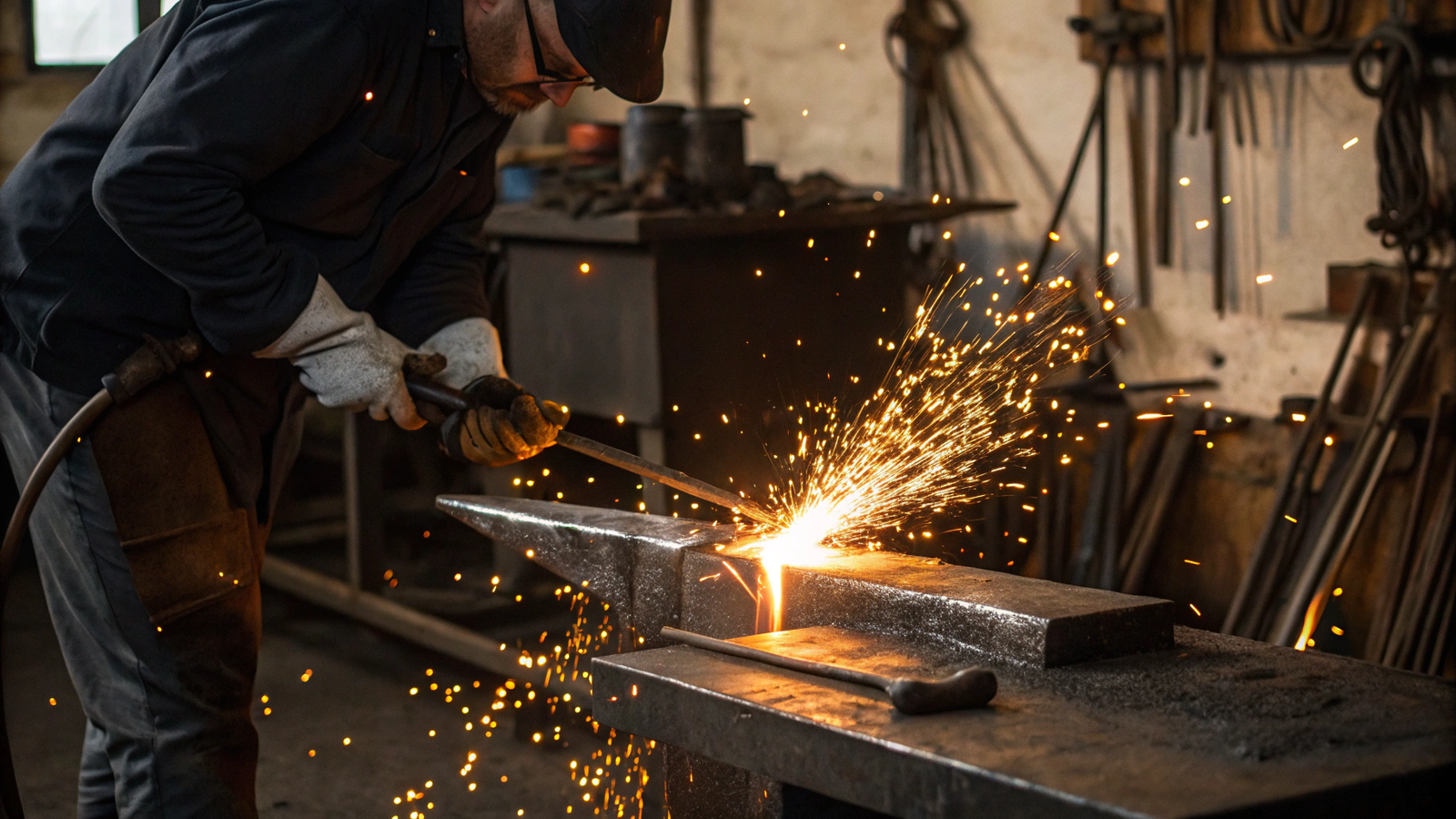
Hand forging requires a delicate balance. The craftsman must heat the aluminum to the right temperature. Too hot, and the metal becomes too malleable. Too cold, and it's nearly impossible to work with. The temperature range for aluminum is narrower compared to steel. This aspect makes hand forging a more artful endeavor rather than a precise science.
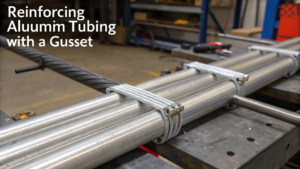
When I think about hand forging, I remember my early days in the workshop. I tried to forge a piece of aluminum tubing. I struggled with the heat. I learned quickly that patience is key. Just a slight miscalculation could ruin the entire piece. This was one of the first lessons I learned about the nature of aluminum.
Is it possible to forge aluminum?
Yes, forging aluminum is indeed possible, but it’s important to differentiate between artistic and industrial applications.
Aluminum can be forged effectively in both hand and industrial settings. However, each method has its own goals and outcomes. Hand forging is more about creativity, while industrial forging emphasizes precision and consistency.
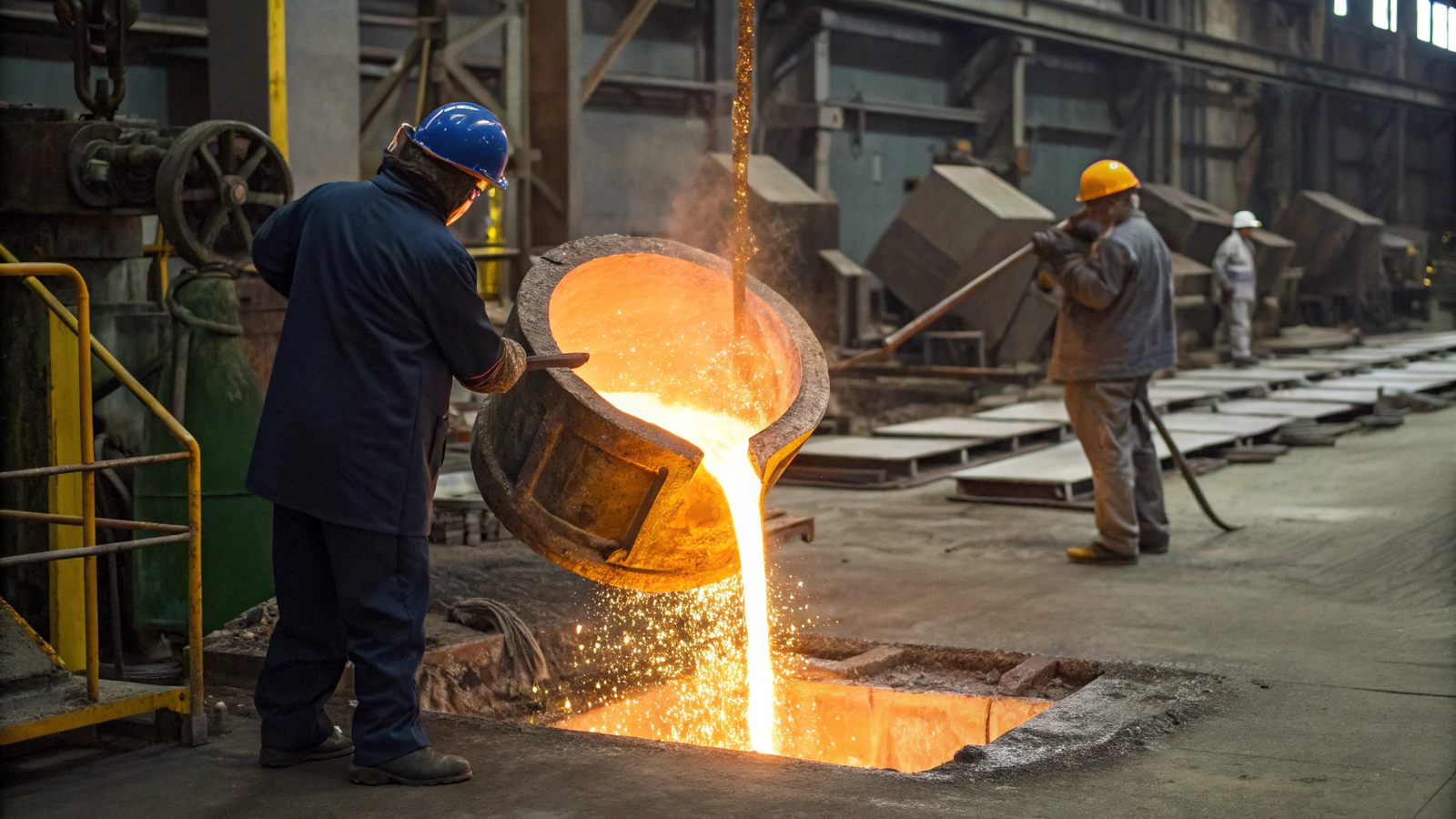
When we look at industrial applications, the focus shifts. The need for controlled environments and specific parameters becomes clear. Industrial forging techniques ensure a refined grain structure. This structure provides the strength and reliability necessary for critical applications.
Remembering my first experience with industrial aluminum forging, I was amazed at the technology. The machines were designed to maintain exact temperatures and pressures. The result was a perfect grain structure that would perform reliably in various applications. That’s the beauty of industrial forging.
What is hand forging?
Hand forging is the process of shaping metal using tools and manual effort.
It involves heating the metal, then hammering it into shape. This technique allows for a high degree of customization, but it does come with limitations in terms of consistency and precision.
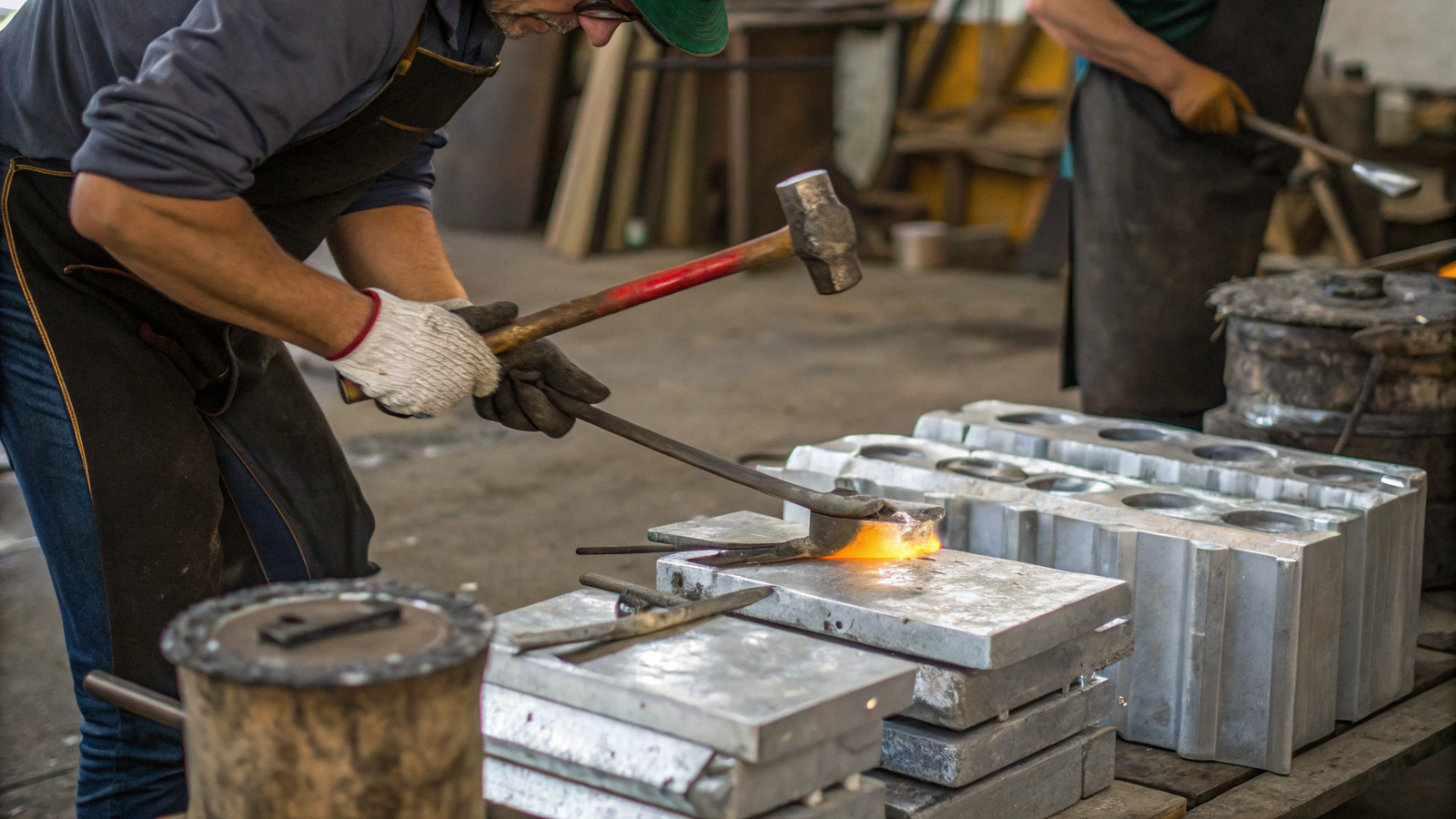
The beauty of hand forging lies in its uniqueness. Each piece is distinct, bearing the marks of the craftsman's hands. However, this is also where the challenge lies. Each piece's performance may not be predictable, especially when compared to industrial methods.
In my journey, I have met several artisans who hand forge aluminum. Their work is beautiful and unique. Each piece tells a story. But I also recognize that for many applications, these handcrafted pieces may not meet the required standards1.
It's crucial to understand that hand forging is an art. It requires skill, patience, and an understanding of the material. However, for applications demanding precision, industrial forging remains the preferred method.
Conclusion
In summary, while aluminum can be hand-forged, it is essential to consider the context and requirements for its use.
"Forging Metals: Methods & Applications - Metal Supermarkets", https://www.metalsupermarkets.com/forging-metals-methods-applications/. This source discusses the limitations of hand-forged items in meeting industrial standards, particularly in critical applications. Evidence role: general_support; source type: research. Supports: For many applications, these handcrafted pieces may not meet the required standards.. Scope note: The context may focus on specific applications, which may not represent all uses of hand-forged items. ↩