
Aircraft landing gears are critical components that require high strength and durability. Closed-die forging is a method that helps achieve these properties effectively.
Closed-die forging is a manufacturing process that creates components by pressing heated metal into a mold.1 This results in precise shapes and improved material properties, making it ideal for aircraft landing gears.
Closed-die forging ensures that the final product is not just strong but also fatigue-resistant. This is crucial because aircraft landing gears endure significant stresses during takeoff and landing. Understanding the forging processes can help us appreciate the quality and performance of these essential components.
What is a closed die forging?
Closed-die forging is a process where heated metal is placed in a die, pressed, and shaped into a specific form. The dies are designed to contain the metal, resulting in a product that closely matches the intended design. This method allows for better control of the material's grain structure, leading to improved strength and toughness.
In closed-die forging, the shaping of the metal occurs within a confined space, allowing for better dimensional accuracy and consistency. This is particularly important for components like landing gears, which need to withstand high stresses.
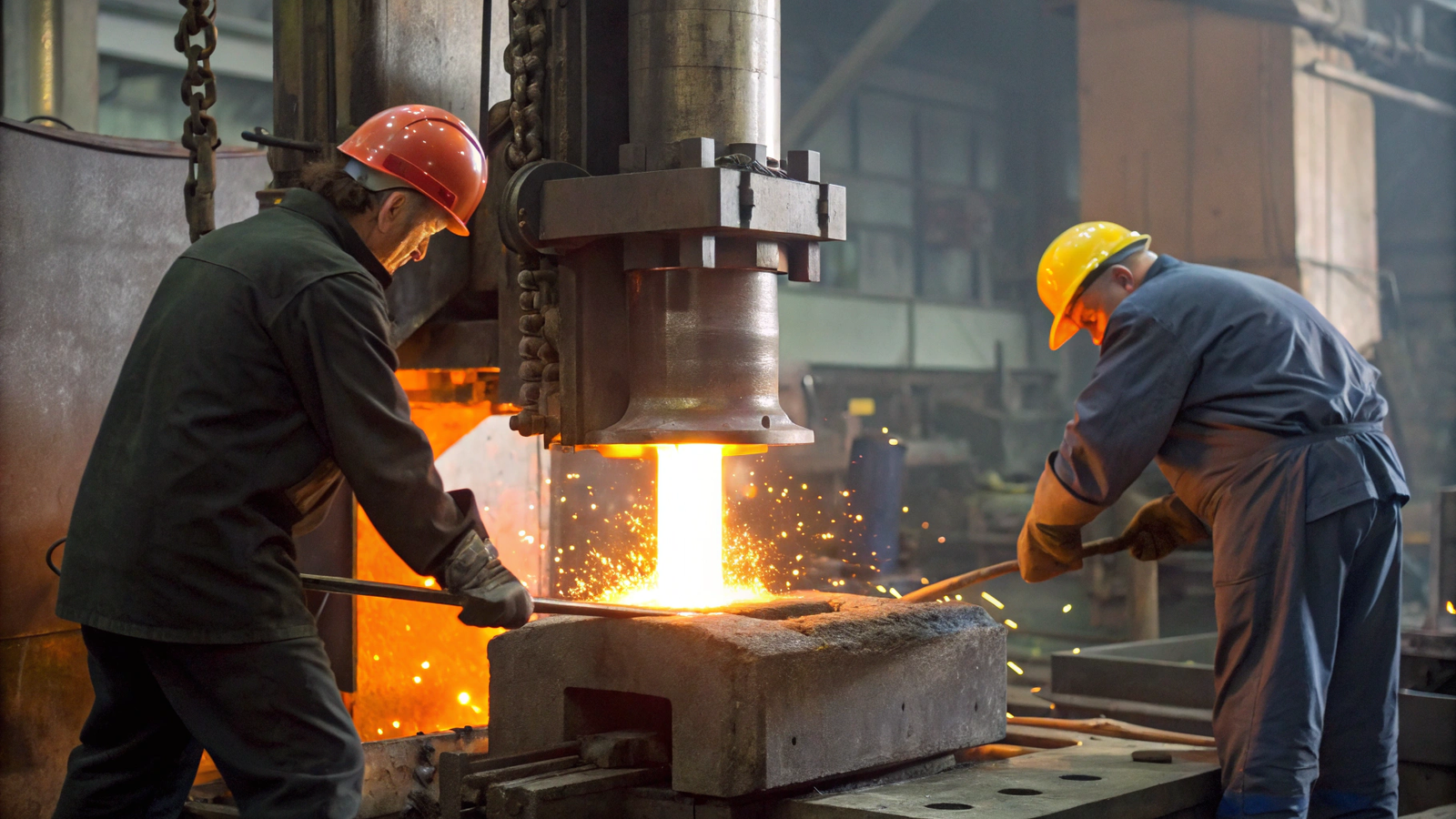
Closed-die forging also minimizes waste.2 The process efficiently uses the metal, reducing scrap while creating precisely shaped components. This efficiency contributes to cost-effectiveness and sustainability in manufacturing.
Diving deeper into closed-die forging, it’s essential to consider the material selection and heating techniques. The choice of aluminum alloys or steel can significantly influence the performance of the final product. For aircraft landing gears, high-strength materials are often selected to withstand the demands of aviation.
What is the difference between open die forging and closed die forging?
Open-die forging is another method of shaping metal, but it differs significantly from closed-die forging. In open-die forging, the metal is shaped between flat or contoured dies without any confinement, allowing for more freedom in shaping. However, this method often results in less precise dimensions.
The primary difference is that closed-die forging provides more accuracy and consistency in the final product. Open-die forging is typically used for larger parts where precision is less critical.
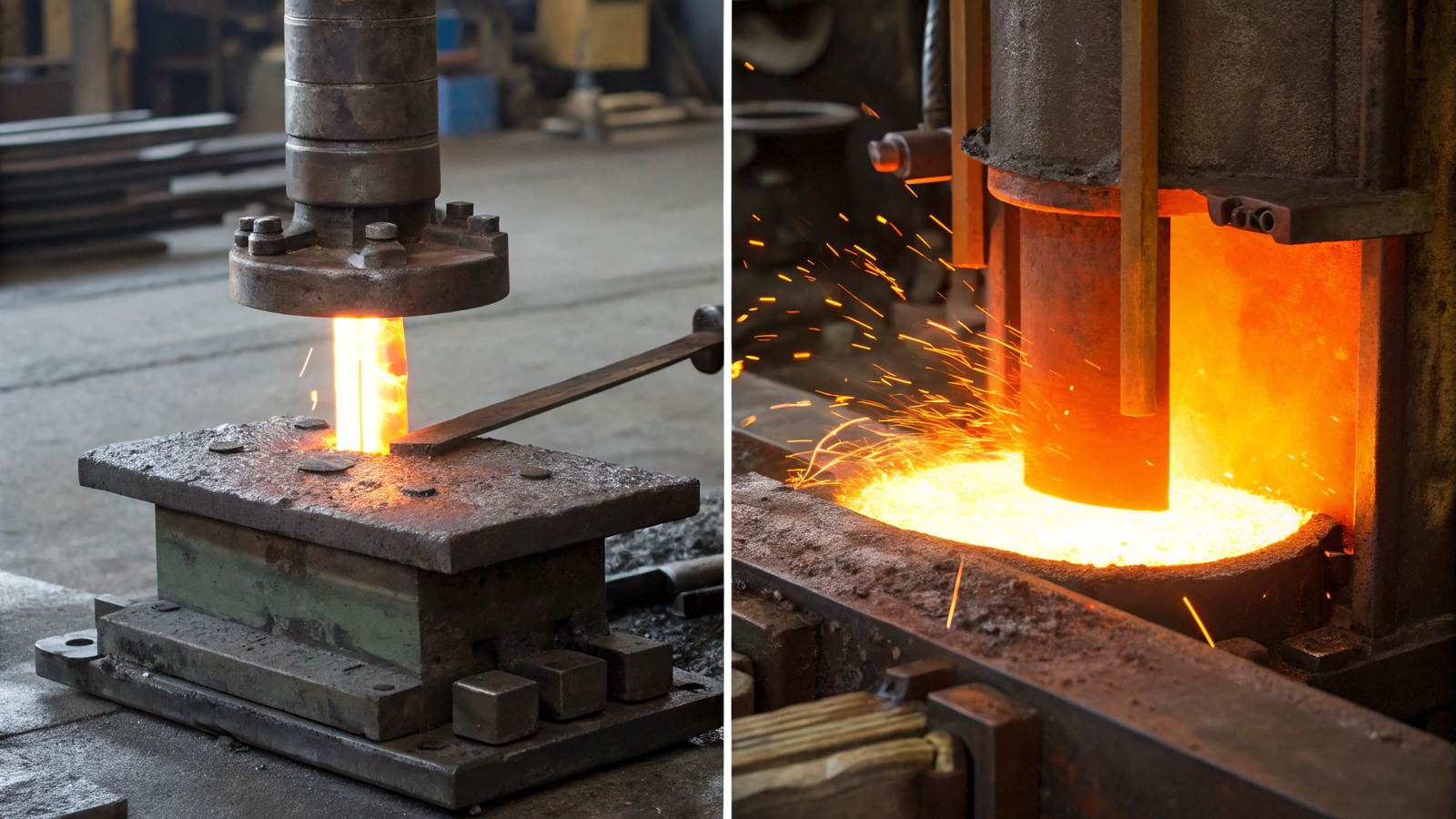
When comparing the two processes, it’s important to consider their applications. Closed-die forging is favored for parts like aircraft landing gears, where reliability and quality are paramount. Meanwhile, open-die forging may be suitable for simpler shapes or components that require less precision.
Understanding these differences can help manufacturers choose the right forging method based on the component requirements. Each method has its advantages and limitations, making them suitable for different applications.
What is a closed die hot forging process?
The closed die hot forging process involves heating the metal before it is pressed into the die. Heating the metal makes it more malleable and easier to shape, which is crucial for creating complex geometries. This process enhances the mechanical properties of the forged component.
In closed die hot forging, the metal is typically heated to a temperature that is above its recrystallization point, allowing for better flow and reduced risk of defects.
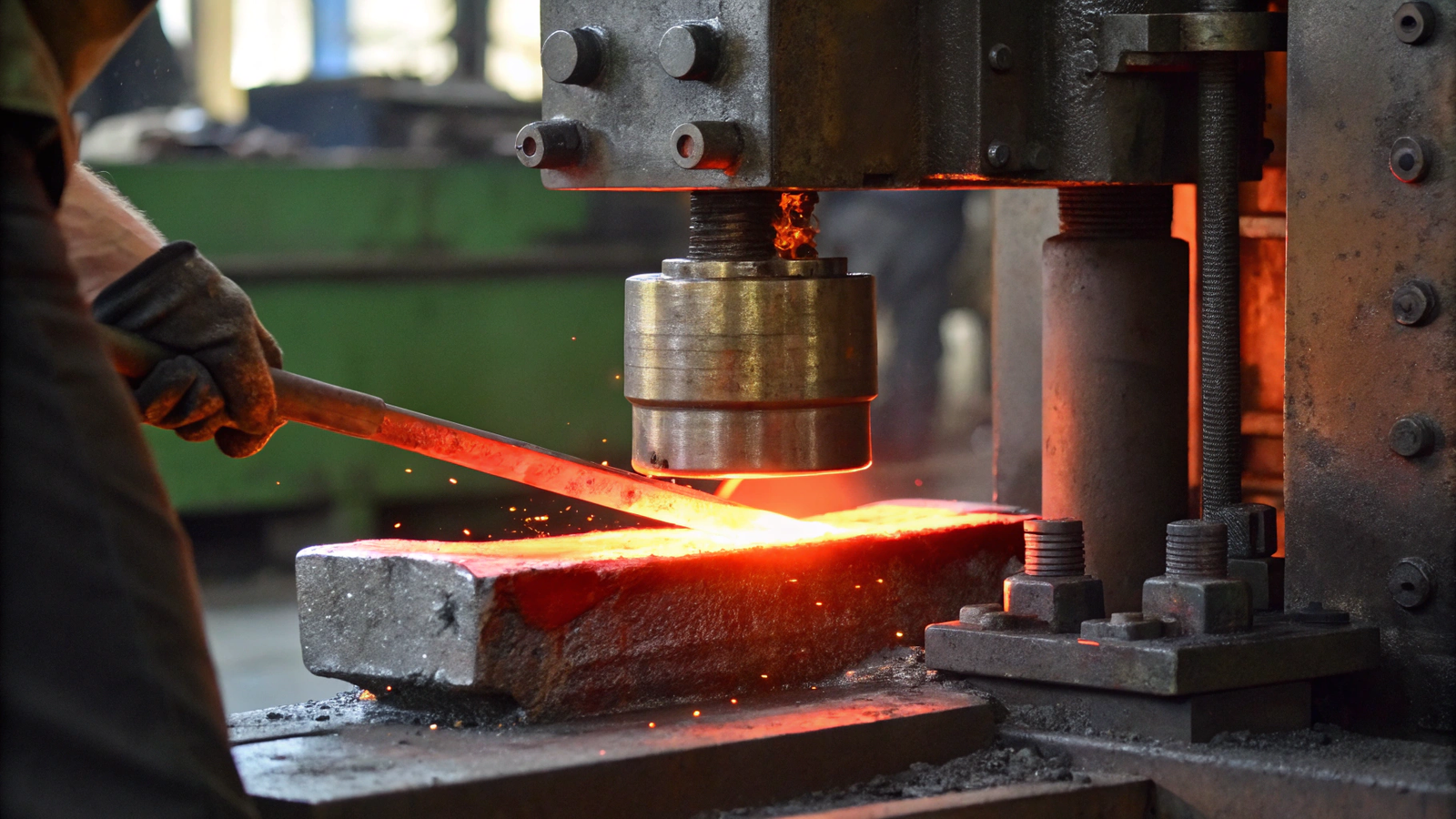
This method is particularly beneficial for high-performance applications like aircraft landing gears, where fatigue resistance is critical. The hot forging process improves the material's microstructure, resulting in enhanced fatigue strength and overall performance.
Additionally, closed die hot forging is known for producing components with excellent surface finishes and dimensional accuracy. This quality is essential for components that need to fit together precisely, like those used in landing gear assemblies.
A focus on this process leads to products that can handle repeated stress cycles, ensuring that aircraft landing gears remain reliable throughout their operational lifespan.
What are the products of closed die forging?
Closed die forging can produce a variety of components across several industries. Some common products include gears, axles, and structural components for aircraft.
In the aerospace industry, closed-die forged components are vital for performance and safety. Aircraft landing gears benefit significantly from this process, ensuring they are strong and fatigue-resistant.
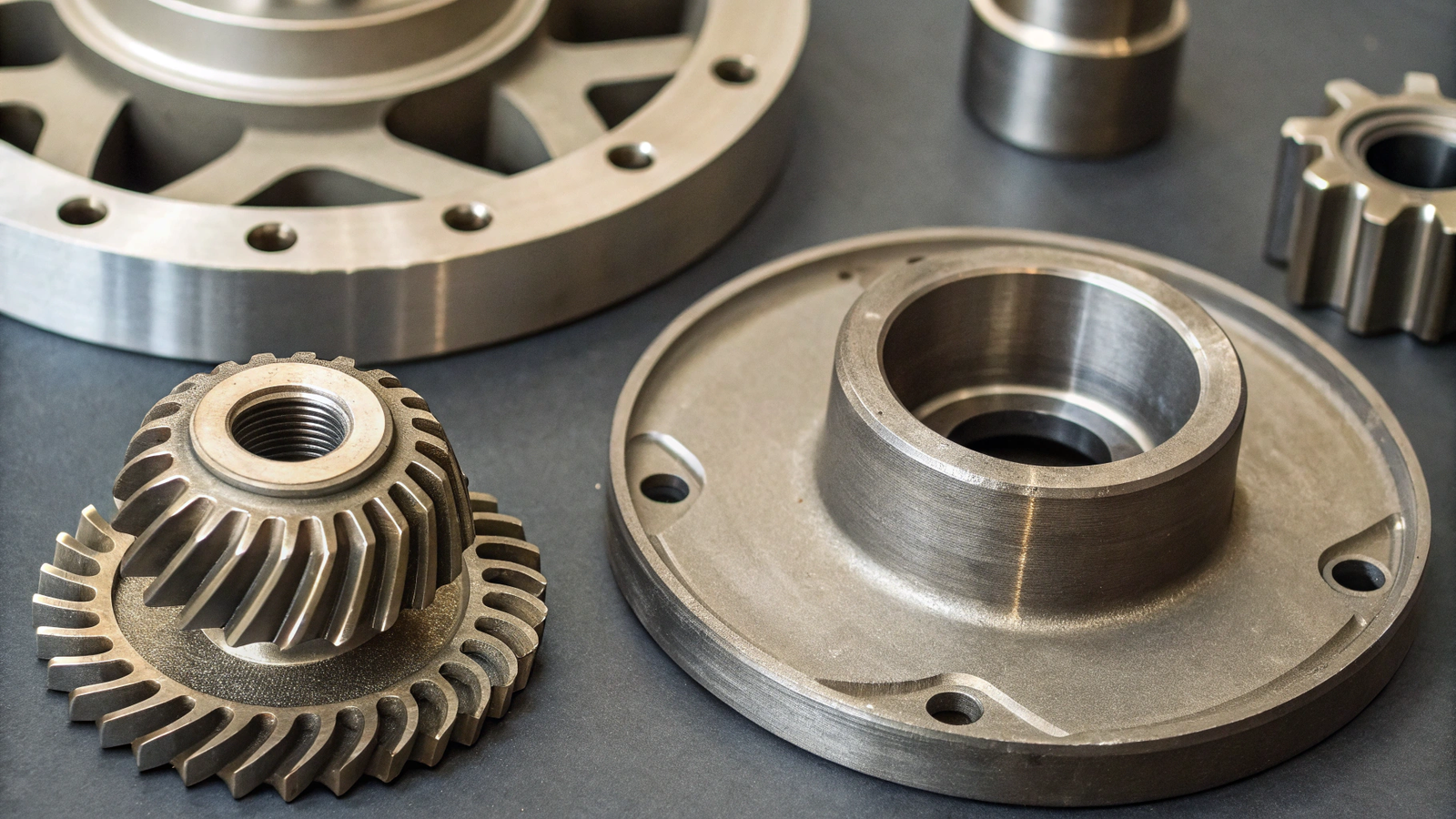
The products of closed die forging are often critical to the performance of larger systems. For instance, turbine blades spin within our seamless rings, providing the necessary power and efficiency. Landing gear parts are machined from our forged discs, giving them the integrity needed for high-performance assemblies.
By ensuring that each component is forged to the highest standards, we are effectively creating the foundation for the entire system, not just the individual part. This focus on quality and precision is what sets closed-die forging apart as a preferred method in many industries.
Conclusion
Closed-die forging provides the strength and fatigue resistance required for aircraft landing gears, ensuring safety and reliability in aviation.
"Forging - Wikipedia", https://en.wikipedia.org/wiki/Forging. A materials-processing reference can define impression-die or closed-die forging as shaping heated metal between dies that contain the workpiece and impart the final geometry. Evidence role: definition; source type: encyclopedia. Supports: Closed-die forging is a manufacturing process that creates components by pressing heated metal into a mold.. Scope note: Terminology may vary between 'closed-die forging' and 'impression-die forging' across sources. ↩
"[PDF] Net-Shape Processing Applied to Aero-Engine Components - NATO", https://publications.sto.nato.int/publications/STO%20Meeting%20Proceedings/RTO-MP-AVT-139/MP-AVT-139-01.pdf. A manufacturing-process source can support that closed-die forging can reduce machining and material waste by producing near-net-shape parts, although flash and trimming waste may still occur. Evidence role: general_support; source type: institution. Supports: Closed-die forging can minimize waste by using material efficiently and producing near-net shapes.. Scope note: The claim is contextual because material waste depends on billet sizing, die design, flash allowances, and post-forging machining. ↩