
You picked a 'high-strength' alloy for a marine part. It failed from corrosion, proving 'aircraft grade' is not always the right grade for every job, costing you a lot of money.
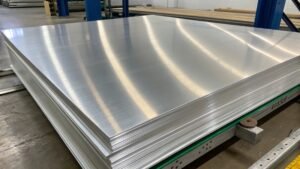
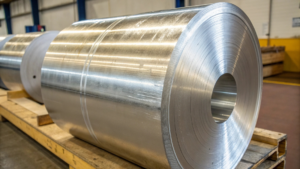
No, 5052 is not aircraft grade. "Aircraft grade" prioritizes structural strength (like 7075). 5052's mission is different. It is the champion of marine-grade performance, offering exceptional corrosion resistance and formability where high strength is a secondary concern.
I remember a project with a new machining client in the Middle East. They were making components for a desalination plant. The parts were complex, with lots of bends and fluid channels. They sent us a drawing and asked for a quote using "a good, strong aircraft aluminum" because they assumed that meant it was the best quality. Their initial thought was to use 6061-T6. We looked at the design and the application—constantly exposed to highly corrosive saltwater brine. High strength was not the main challenge here; survival was. We explained that 6061 would eventually fail from corrosion. We proposed a switch to a forged 5052 blank. They were hesitant at first because the strength numbers on the spec sheet were lower. But we showed them that 5052's excellent formability would make their manufacturing easier, and its superior corrosion resistance would guarantee a long service life. They made the switch, and the final parts have been in service for years without a single issue. It proved that the "best" alloy is always the one that is best for the specific job.
What is actually considered aircraft grade aluminum?
You see "aircraft grade" on a spec sheet and assume it means indestructible. This can lead you to over-spec and over-pay for strength you simply do not need for your application.
Aircraft grade aluminum typically refers to high-strength, heat-treatable alloys1 like 7075 and 2024. These alloys are chosen for their exceptional strength-to-weight ratio2, which is the most critical factor for structural components in aerospace applications.
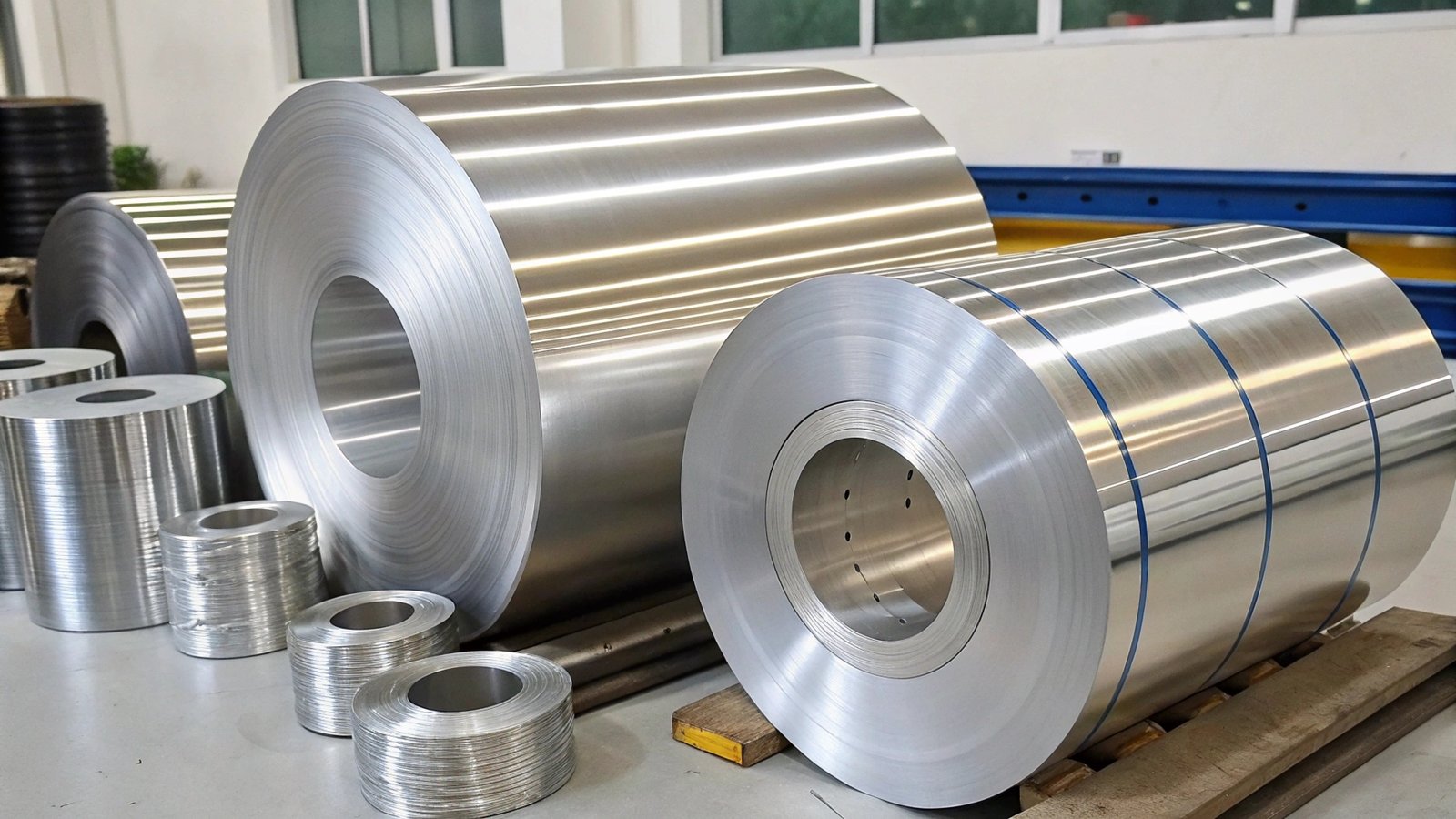
The term "aircraft grade" is all about one mission: creating the strongest possible part with the least amount of weight. In an airplane, every extra kilogram of weight means less fuel efficiency or less cargo capacity. Because of this, aerospace engineers are willing to trade other properties, like weldability or corrosion resistance3, to get the absolute maximum performance. This is why alloys in the 7xxx and 2xxx series dominate the field. They are heat-treatable, meaning they can be brought to a very high strength level through a specific heating and cooling process. For our machining customers, it is important to understand that these high-performance alloys are often more difficult to machine and significantly more expensive than general-purpose alloys. They are a specialized tool for a very demanding job.
The Mission Defines the Material
The choice of material is dictated by the primary engineering challenge it must overcome.
| Grade Category | Primary Mission | Key Property | Typical Alloys |
|---|---|---|---|
| Aircraft Grade | Maximum Strength-to-Weight | High Yield Strength | 7075, 2024 |
| Marine Grade | Survive in Saltwater | Excellent Corrosion Resistance | 5052, 5083 |
| Structural Grade | Good All-Around Performance | Balanced Strength & Cost | 6061, 6082 |
This shows why using an "aircraft grade" material in a marine environment is a fundamental mistake. You are using a material designed to fight stress when the real enemy is corrosion.
What is the difference between 6061-T6 and 5052 aluminum?
You need a versatile aluminum for a new project. You are stuck between 6061-T6 and 5052, and choosing the wrong one could lead to a part that is either too weak or fails unexpectedly from corrosion.
The main difference is that 6061-T6 is a heat-treated structural alloy with good all-around strength. 5052 is a non-heat-treatable, strain-hardened alloy with superior corrosion resistance and formability, but lower strength.
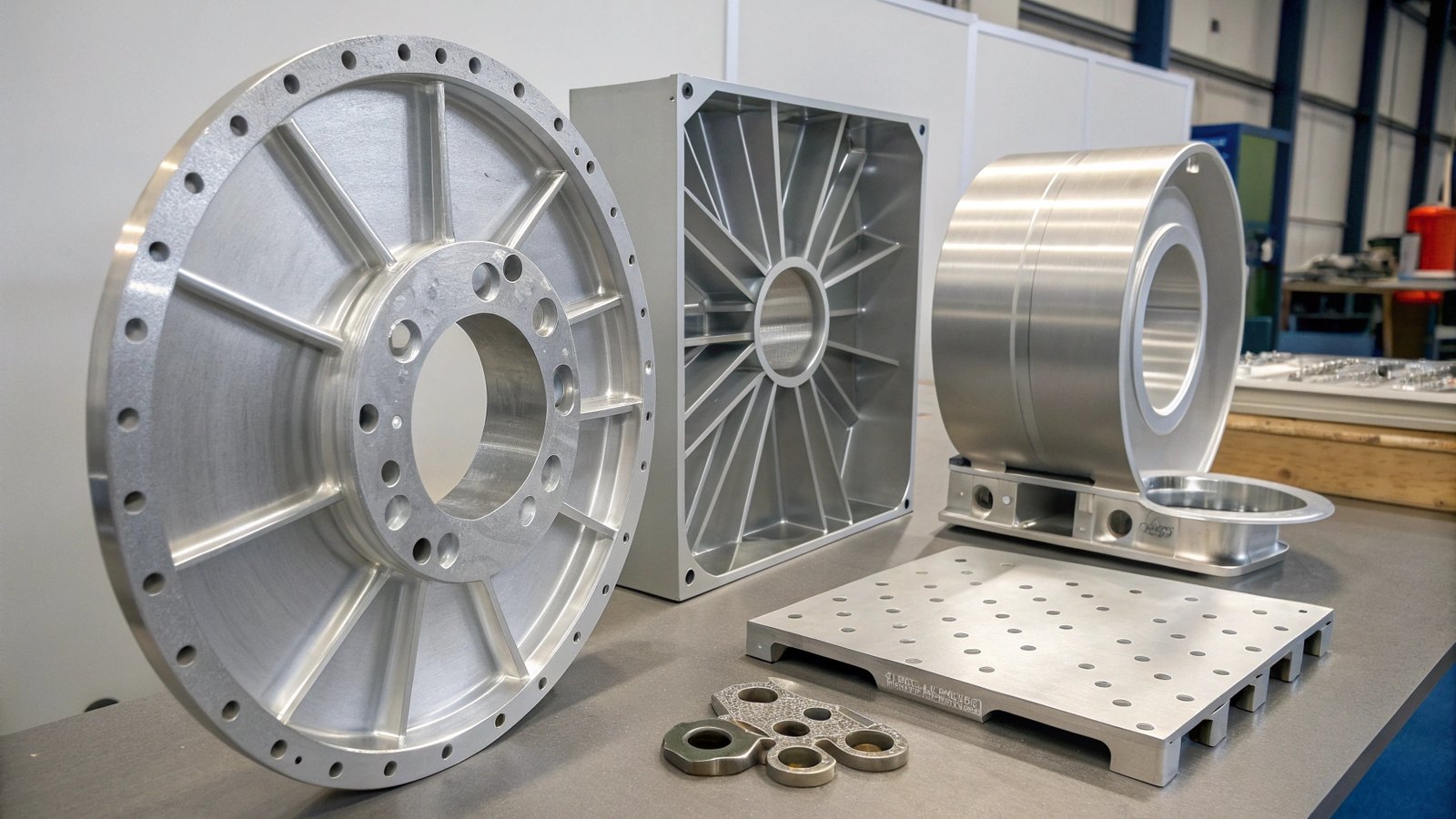
This is one of the most common comparison questions we get. Think of 6061-T64 as the reliable workhorse and 5052 as the flexible specialist. A machining company might use 6061-T6 for 80% of their jobs—machine bases, structural brackets, industrial parts. It is strong, predictable, and machines beautifully. But for any job that involves significant sheet metal bending, forming, or exposure to harsh weather or saltwater, 5052 is the superior choice. It can be bent to tight radii without cracking, and its corrosion resistance is in a different league. They are both excellent materials, but they are designed for very different jobs.
The Workhorse vs. The Specialist
Choosing between these two popular alloys means understanding their core strengths.
| Property | 6061-T6 (The Workhorse) | 5052-H32 (The Specialist) |
|---|---|---|
| Strength | Good to Excellent | Moderate |
| Manufacturing | Best for Machining | Best for Forming/Bending |
| Heat-Treatable? | Yes (T6 Temper) | No (Strain-Hardened) |
| Corrosion Resistance | Good | Excellent (Marine Grade) |
| Weldability | Good | Excellent |
| Primary Use | Structural parts, Machine components | Marine parts, Sheet metal, Tanks |
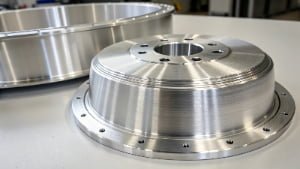
When a customer comes to us for a large forged ring, we always ask about the final application. If it is a gear blank for industrial machinery, 6061 or 6082 is the perfect fit. If it is a large flange for a marine piping system, we immediately recommend an alloy from the 5000 series.
What is T6 tempering aluminum?
You see "T6" after an alloy number like 6061. You know it is important, but not understanding what it means can cause you to order the wrong material, resulting in a part that is too soft for its job.
T6 is a two-stage heat treatment process. First, the aluminum is heated to a high temperature to dissolve the alloying elements (solution heat-treating). Then it is rapidly cooled, or quenched, and finally "artificially aged" in an oven to achieve maximum strength.
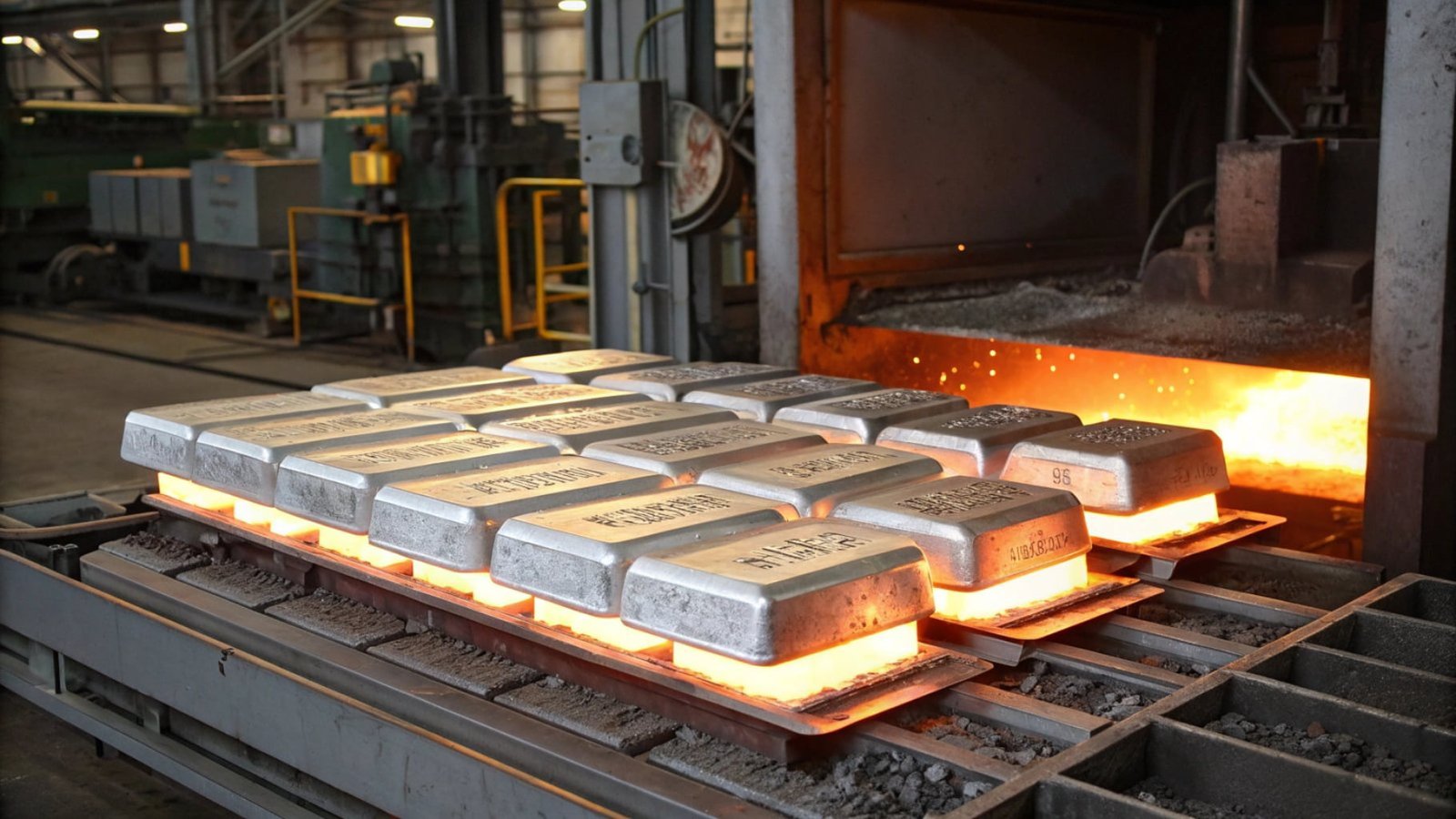
The T6 temper is what unlocks the full strength potential of heat-treatable alloys like the 6000 and 7000 series. An un-tempered piece of 6061 is actually quite soft. The T6 process realigns the metal's internal crystal structure, creating a much stronger, more rigid material. For our clients who buy our large forged discs and rings, the T6 temper is not optional; it is a critical part of the manufacturing process that guarantees the material will meet the mechanical properties they need for their final machined parts.
Unlocking the Material's Potential
Think of the T6 process like training an athlete. The material has the potential for strength, but it needs the right process to achieve it.
- Solution Heat-Treating (The Warm-Up): The aluminum is heated to over 500°C. At this temperature, the alloying elements like magnesium and silicon dissolve into the aluminum, creating a uniform solid solution. It is like mixing sugar into hot water.
- Quenching (The Shock): The material is then rapidly cooled, usually in water. This sudden drop in temperature freezes the dissolved elements in place. The material is now in an unstable state, ready for the final step.
- Artificial Aging (The Workout): The material is re-heated to a much lower temperature (around 175°C) and held there for several hours. This controlled heating allows the alloying elements to precipitate out of the solution in a very fine, dispersed pattern. These tiny, hard particles are what get in the way of internal slipping, making the material much stronger and harder. This final step is what creates the peak performance of the T6 condition.
Conclusion
Stop asking if an alloy is "aircraft grade." Instead, ask if it is the right grade for your specific mission. 5052 is the champion for marine applications, not a substitute for high-strength aerospace alloys.
Understanding heat-treatable alloys can help you select materials that maximize strength for your projects. ↩
Learn how the strength-to-weight ratio impacts design and performance in aerospace engineering. ↩
Learn how corrosion resistance is crucial for longevity in marine applications and how to select the right alloy. ↩
Discover the applications of 6061-T6 aluminum and why it's a popular choice for structural components. ↩