
You see "aluminum alloy1" on a spec sheet and think it’s just a simple blend of metals. This misunderstanding can lead you to underestimate its capabilities, causing you to choose a heavier, more expensive, or less suitable material.
An aluminum alloy is an engineered material, not just a mixture. Specific elements are added in precise amounts to create a new material with a fundamentally different atomic structure, unlocking powerful properties like high strength and corrosion resistance2 that pure aluminum lacks.

I always tell my clients at SWA Forging that calling an alloy a "mixture" is like calling a high-performance engine "a bunch of parts." It misses the point entirely. The process is one of metallurgical engineering. An aluminum alloy is a purposefully designed material. We take that engineered material and, through our forging process, further refine its grain structure. This guarantees a level of integrity and performance that a simple mixture could never achieve. You're not buying a blend; you're investing in a scientifically crafted solution.
What is an Aluminum Alloy a Mixture Of?
You know an alloy isn't pure aluminum, but you're unsure what else is in it. This makes it difficult to understand why one alloy is perfect for a marine environment while another is suited for aerospace.
An aluminum alloy is primarily a mixture of aluminum with one or more key alloying elements. The most common are copper for strength, magnesium for corrosion resistance, zinc for the highest strength, and silicon for improving casting and welding properties.
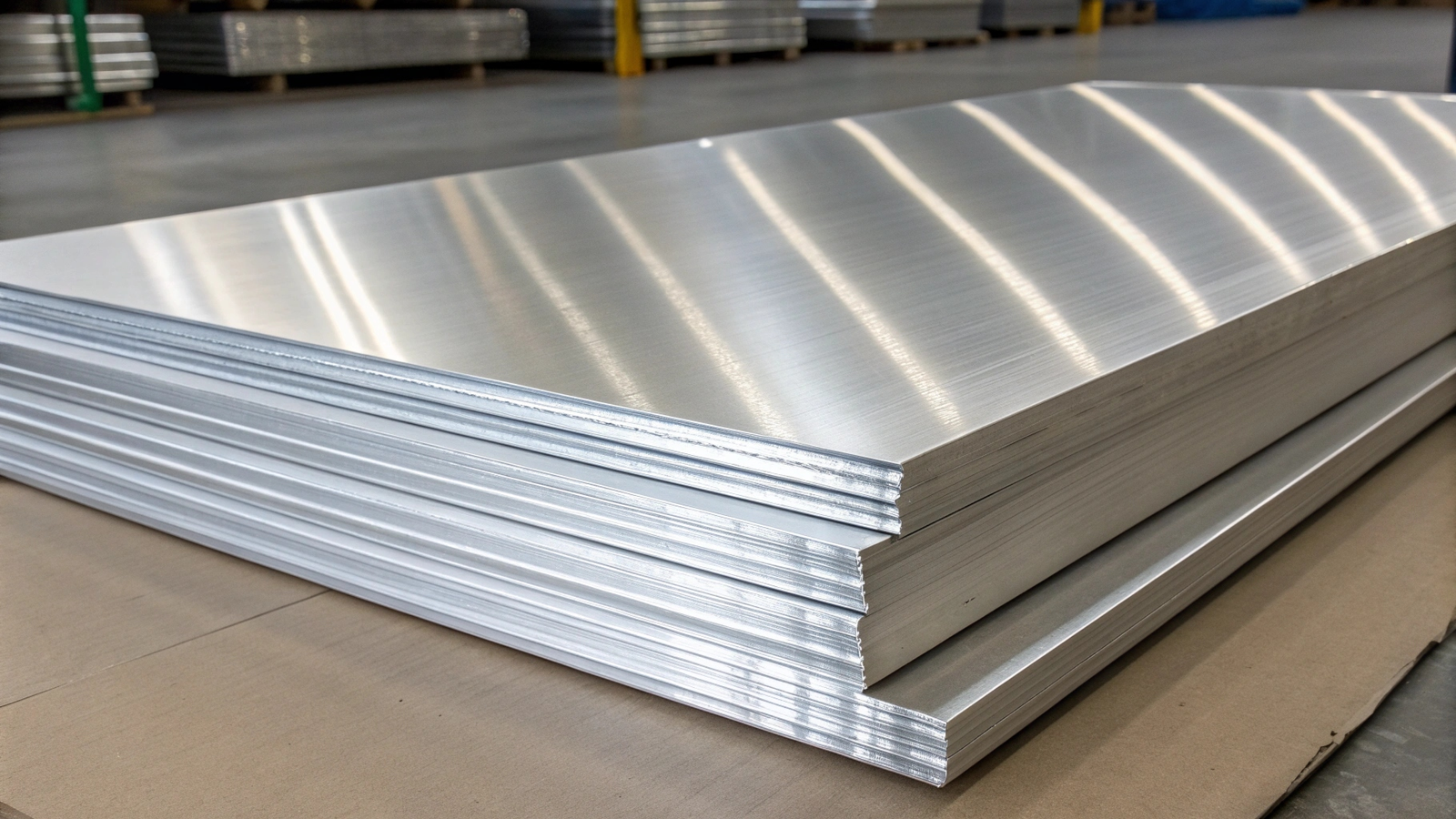
Think of these elements as ingredients in a high-performance recipe. When we're helping a machining client choose a material, their needs dictate which recipe we use. Do they need extreme strength? We'll recommend a 7xxx series alloy, rich in zinc. Is the part for a client in the Middle East who needs it to withstand saltwater spray? A 5xxx series with magnesium is the clear choice. This is why our role at SWA Forging isn't just about manufacturing; it's about providing the technical consultation to ensure you get the perfect "mixture" for your specific application. It’s this expertise that builds long-term partnerships.
The Purpose of Each 'Ingredient'
| Alloying Element | Series Designation | Primary Benefit | Common Use Case |
|---|---|---|---|
| Copper (Cu) | 2xxx | High Strength (Heat-Treatable) | Aerospace structural components |
| Magnesium (Mg) | 5xxx | Excellent Corrosion Resistance | Marine hardware, shipbuilding |
| Zinc (Zn) | 7xxx | Highest Strength | High-stress aircraft parts, performance gear |
| Silicon (Si) | 4xxx, also in 6xxx | Lowers Melting Point, Improves Fluidity | Welding wire, engine blocks |
Each element transforms aluminum from a basic metal into a specialized, high-performance material.
Is an Aluminum Alloy Stronger Than Steel?
You need the strongest material possible for a critical part. You automatically assume that means steel, potentially overlooking a lighter, more efficient, and more profitable solution.
On a pound-for-pound basis, many high-performance aluminum alloys are significantly stronger than common steels. While a steel bar of the same size is stronger, an aluminum alloy part can be engineered to be just as strong, but at only half the weight.
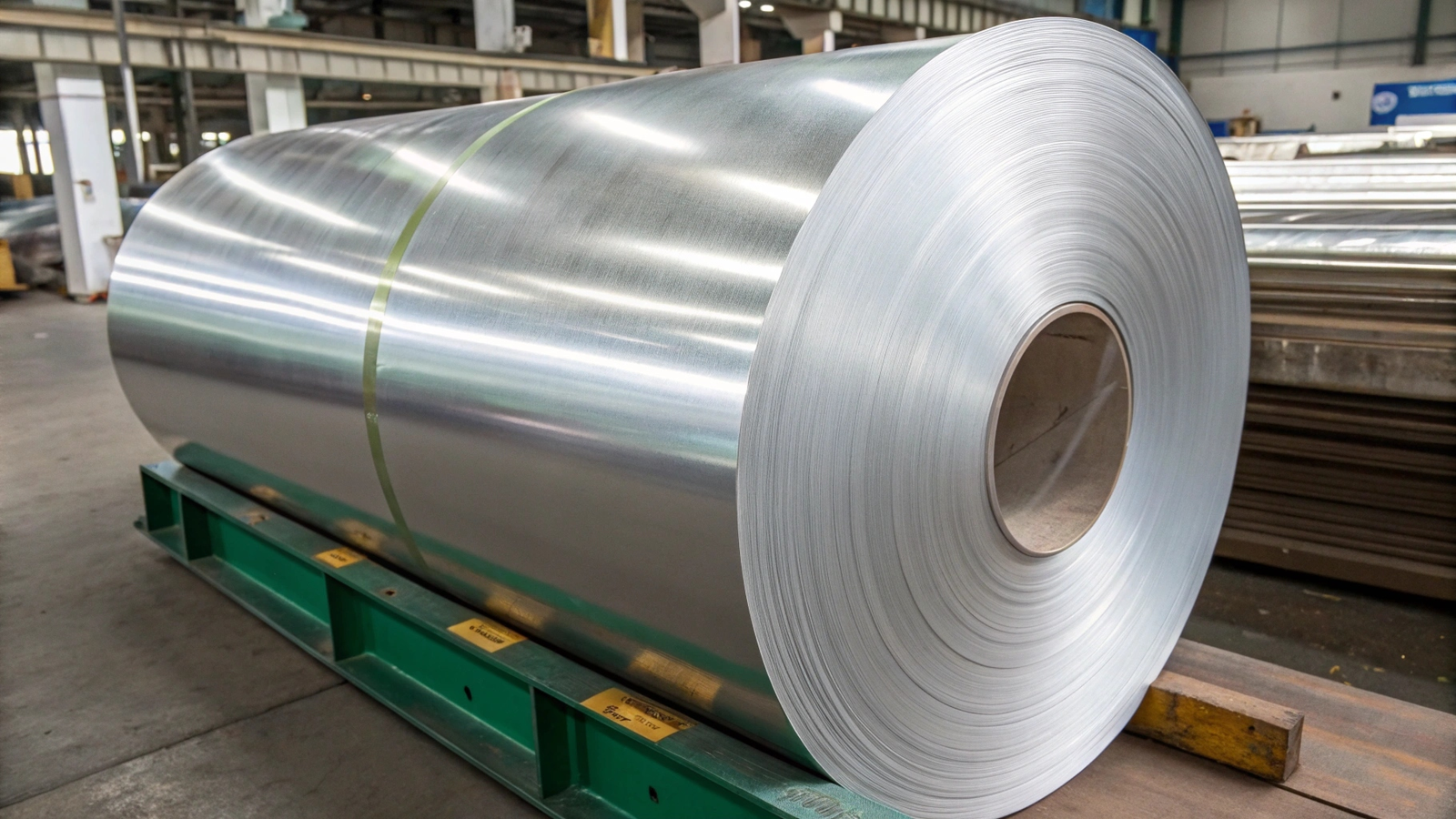
This is the most important conversation I have with engineers and traders. They focus on ultimate tensile strength (UTS) in a direct comparison, where steel often wins. But the real-world advantage is in strength-to-weight ratio. Take our 7075 aluminum alloy3. We can forge a component from it that meets the strength requirements of a steel design, but it will be drastically lighter. For our clients in the automotive and aerospace sectors, this is a game-changer. It means better fuel efficiency, higher payloads, and improved performance. The question isn't "Is it stronger?"; it's "Can it meet the strength requirements more efficiently?" For aluminum alloys, the answer is almost always yes.
What Kind of Metal is an Aluminum Alloy, Really?
You know it's not steel, but you're not sure how to classify aluminum. This can make it confusing when reading technical sheets or discussing material properties.
An aluminum alloy is a non-ferrous metal. This simply means that its primary component is not iron (ferrum). This is a key distinction, as it is the main reason aluminum alloys are naturally resistant to rust, unlike steel.
This classification is fundamental to understanding aluminum's value. When I talk to traders, especially those supplying parts for outdoor or marine use, the "non-ferrous" quality is a huge selling point. While steel needs expensive coatings like paint or galvanization to prevent rust, aluminum protects itself. It forms a natural, hard layer of aluminum oxide on its surface that stops corrosion in its tracks. This means longer product life, lower maintenance costs, and a more reliable product for the end-user. As a manufacturer, this inherent quality allows us to provide a material that is not only strong and light but also incredibly durable. Our rigorous quality control, backed by ISO certifications, ensures you get a premium non-ferrous solution every time.
Conclusion
An aluminum alloy is an engineered non-ferrous metal. Its strategic mixture creates specific properties, and our forging process guarantees superior performance and a more profitable outcome for your final component.