
Aluminum tube production is crucial in many industries. Choosing the right method can make a big difference in quality and performance. This article will explore the Porthole and Bridge Die methods, helping you understand their differences and applications.
Both Porthole and Bridge Die methods are used for producing aluminum tubes. However, they both introduce critical weaknesses, mainly due to longitudinal weld seams. For any high-integrity application, the choice of method may not matter if you can use solid forged rings instead.
In the world of aluminum production, how these tubes are made is essential. The method you choose affects the final product's strength and quality. It's important to understand the implications of each process before deciding.
How are aluminium tubes manufactured?
The manufacturing of aluminum tubes involves several steps. Each method has its advantages and disadvantages. The primary processes include extrusion, which can be performed using either the Porthole or Bridge Die method.
In the Porthole method, aluminum is heated and pushed through a die with openings. This creates a hollow tube. The Bridge Die method, on the other hand, uses a different approach.1 It employs a simpler die design for producing tubes but may not achieve the same structural integrity.
Understanding these processes is crucial for anyone working in manufacturing or sourcing aluminum materials. The choice of method influences the final product's quality and strength significantly.
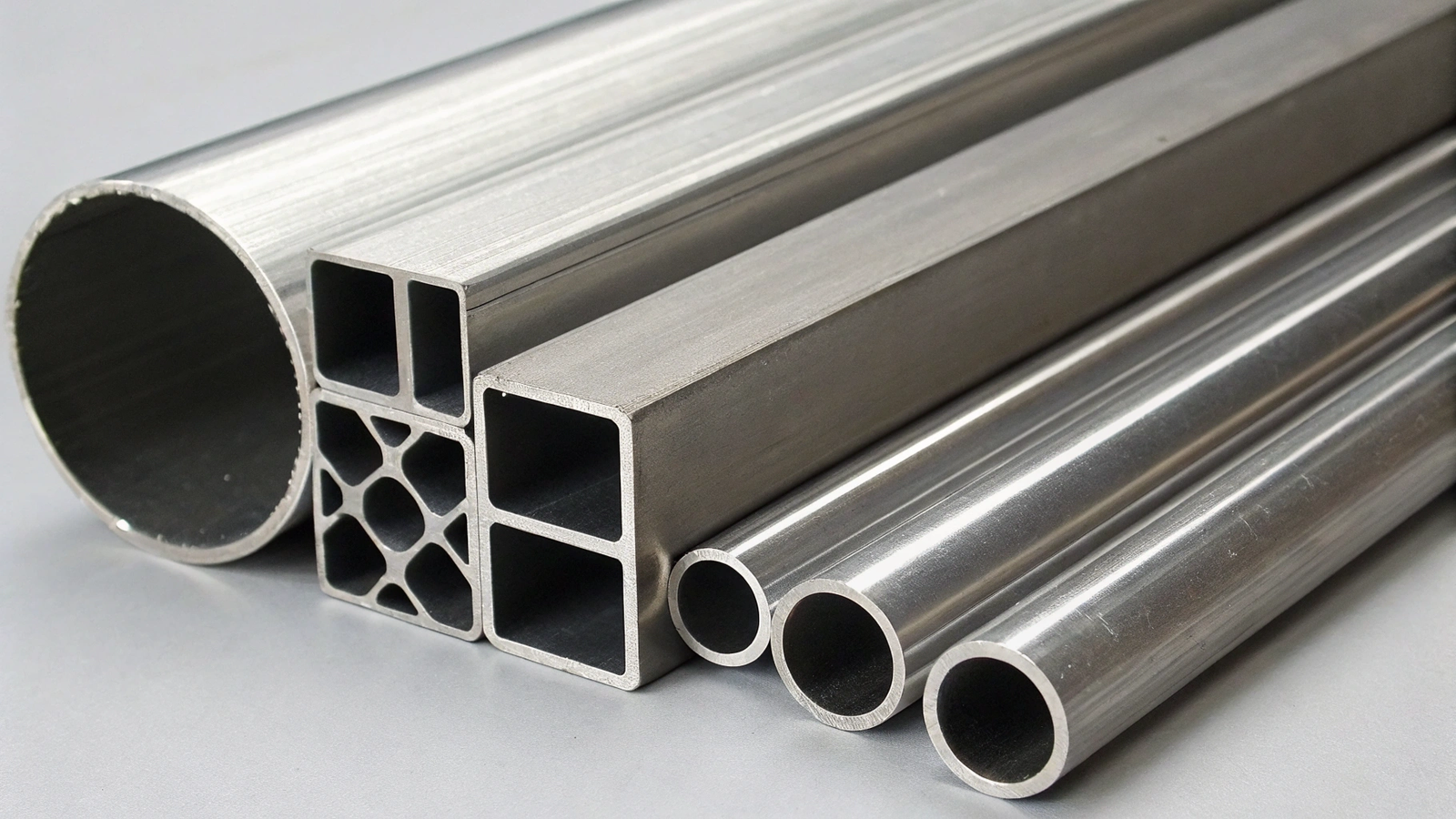
Digging deeper into these methods reveals their pros and cons. For instance, the Porthole method tends to produce stronger tubes but can be more complex and costly. The Bridge Die method is simpler and less expensive but may compromise quality.2
In my experience, high-quality aluminum tubing is essential for applications like aerospace and automotive. Many customers prefer solid forged rings over welded tubes to avoid weaknesses caused by seams. This choice leads to more reliable components.
How is aluminium produced step by step?
Aluminum production involves several steps, starting from raw materials to finished products. The key steps include:
- Bauxite mining: This is the primary source of aluminum.
- Alumina refining: Bauxite is processed to produce alumina.
- Electrolysis: Alumina is transformed into molten aluminum.
- Casting: The molten aluminum is shaped into ingots.
- Extrusion: Finally, aluminum is formed into tubes or other shapes.
Each step is vital for ensuring the quality of the final product. Skipping or improperly executing any step can lead to defects in the manufactured tubes.
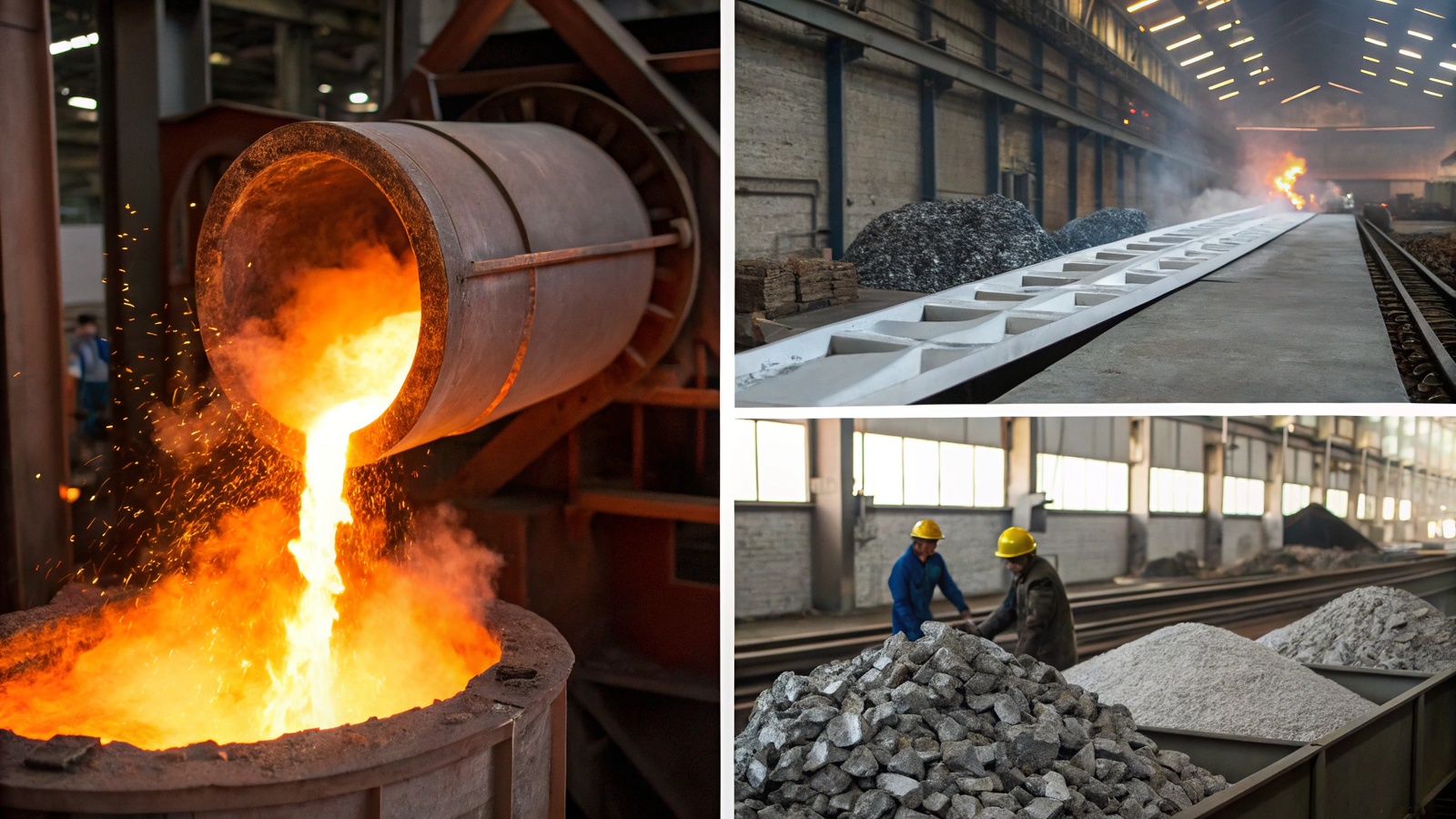
Understanding this process helps in identifying the importance of high-quality raw materials. For instance, the purity of bauxite directly affects the quality of alumina produced3. Furthermore, the conditions during electrolysis play a significant role in the final aluminum's properties.
Quality assurance at each stage is essential. This ensures that the finished product meets the required standards for its intended application. In my experience, rigorous quality checks can prevent costly mistakes later in the production process.
How is aluminum tubing measured?
Measuring aluminum tubing accurately is vital for various applications. Common measurements include outer diameter, inner diameter, wall thickness, and length. Here’s how each is measured:
- Outer diameter: The total width of the tube, measured at its widest point.
- Inner diameter: The width of the hollow section inside the tube.
- Wall thickness: The distance between the outer and inner walls.
- Length: The total distance of the tube from one end to the other.
Accurate measurements are crucial for ensuring that aluminum tubing fits properly in mechanical applications. Any mismatch can lead to failures and increased costs.
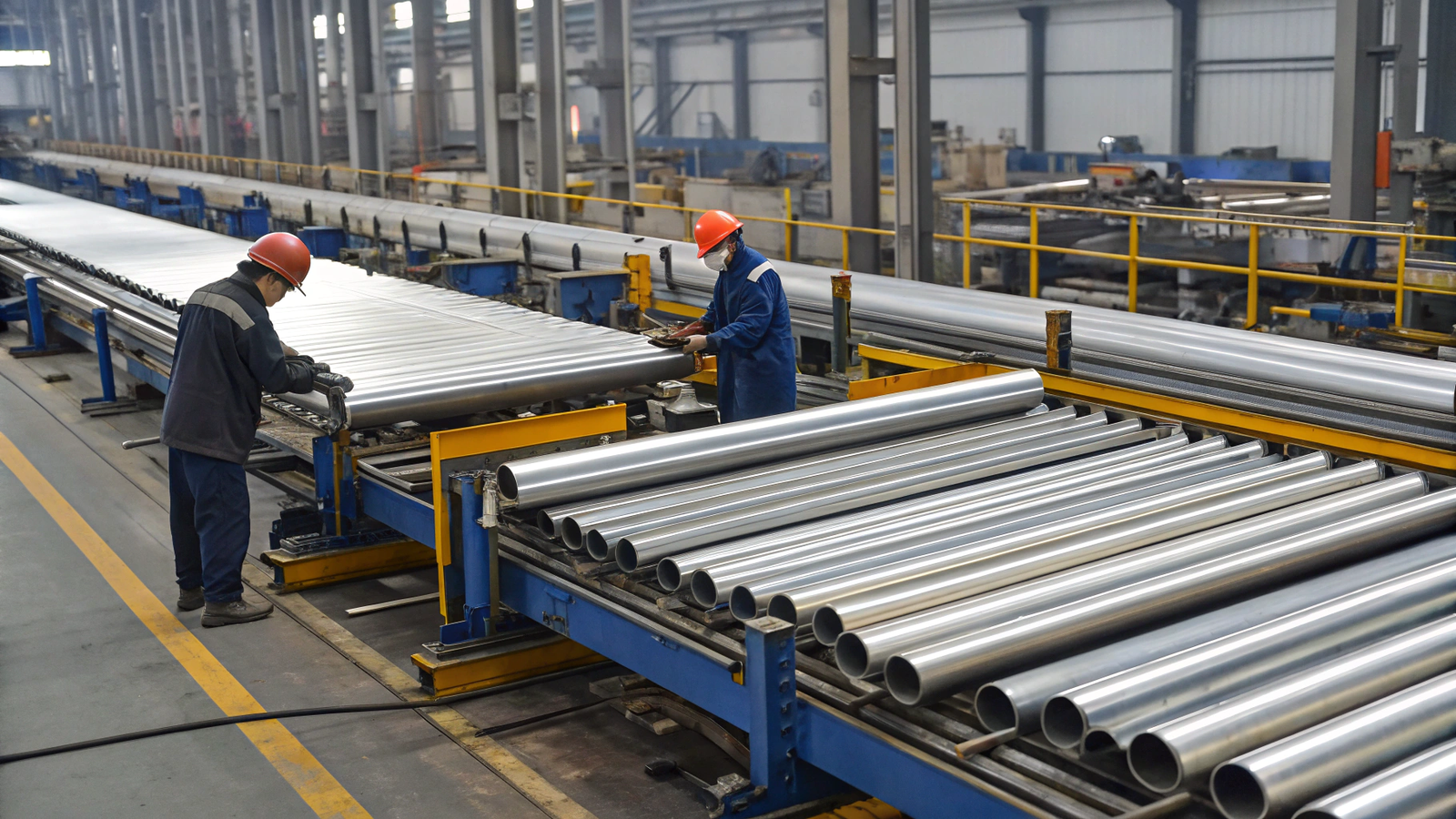
In practice, precise measurements often come from specialized tools like calipers and micrometers. These tools help manufacturers ensure that their products meet the required specifications. In the machining industry, incorrect measurements can lead to significant issues in assembly and function.
My experience shows that investing in quality measuring instruments can save time and money in the long run. Ensuring precision in measurements is not just a step; it is a critical part of the manufacturing process.
What is the yield strength of aluminum tubing?
Yield strength is a crucial property of aluminum tubing. It refers to the maximum stress that a material can withstand without permanent deformation. For aluminum, yield strength varies based on the alloy and heat treatment.
Typically, the yield strength for aluminum alloys ranges from 40 MPa to over 700 MPa.4 Understanding these values helps in selecting the right material for specific applications.
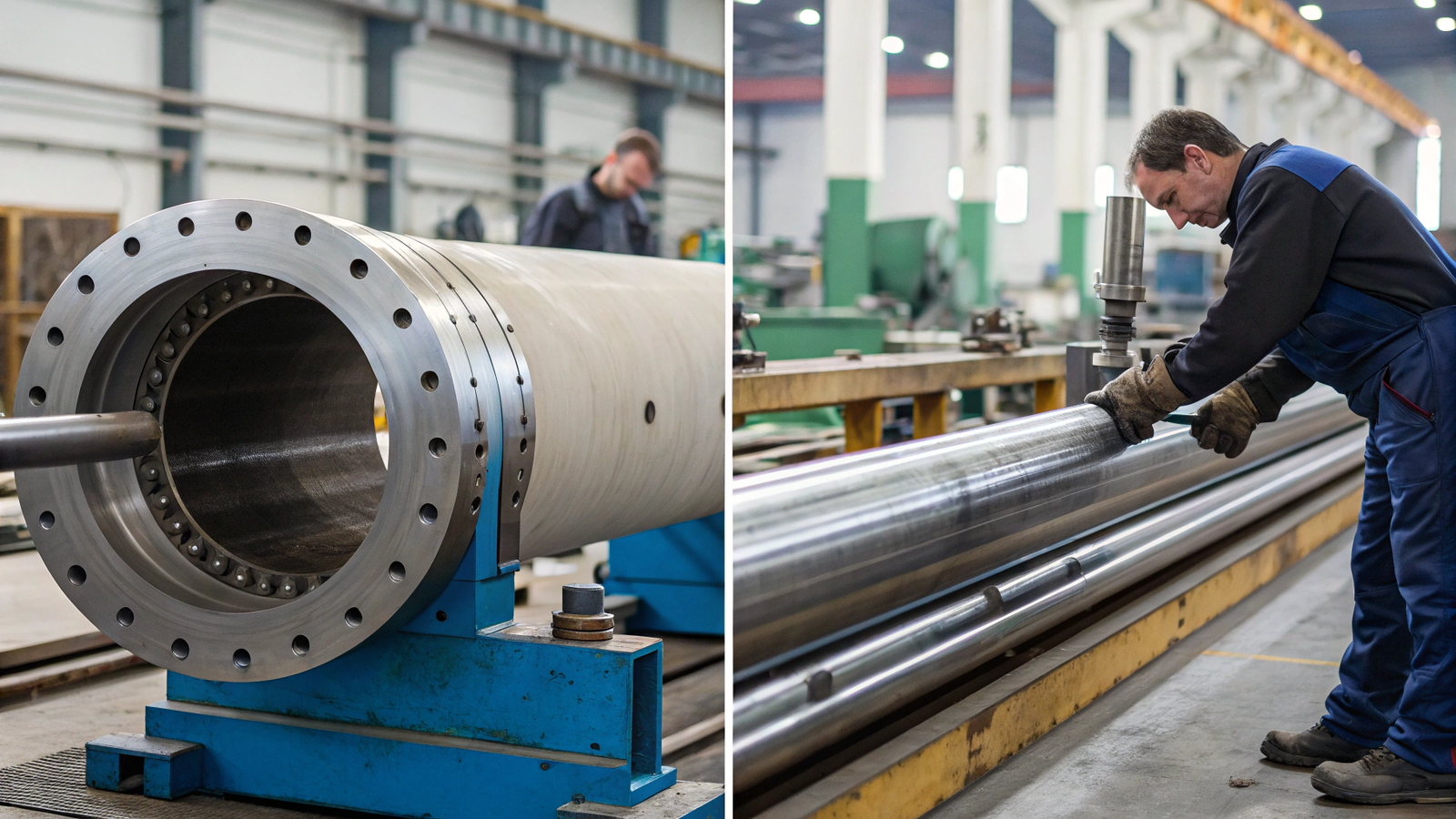
When considering yield strength, it’s important to factor in the intended use of the tubing. For example, applications in the aerospace industry require higher yield strength for safety and performance. Therefore, choosing the right aluminum alloy is critical.
In my experience, many buyers overlook the significance of yield strength. It's essential when working with aluminum tubing in high-stress applications. I've found that customers often benefit from asking for solid forged rings, which provide superior strength without seams, ensuring they meet performance expectations.
Conclusion
Understanding the differences between aluminum tube production methods is essential. Choosing the right method can greatly impact quality and performance.
"Design of porthole aluminium extrusion dies through mathematical ...", https://www.academia.edu/104922965/Design_of_porthole_aluminium_extrusion_dies_through_mathematical_formulation. A source on hollow-profile extrusion should distinguish bridge-die extrusion from other hollow-die arrangements by describing the bridge-supported mandrel and the rejoining of metal flow downstream of the die openings. Evidence role: definition; source type: education. Supports: Bridge die extrusion uses a distinct die arrangement for producing hollow aluminum profiles or tubes.. Scope note: Some sources use overlapping terminology for bridge, spider, and porthole dies, so the citation may clarify rather than sharply separate the categories. ↩
"Design of porthole aluminium extrusion dies through mathematical ...", https://www.sciencedirect.com/science/article/pii/S2352492821002932. A manufacturing engineering source should provide evidence comparing bridge-die and porthole-die complexity, cost drivers, and quality risks such as weld-seam integrity or metal-flow defects. Evidence role: expert_consensus; source type: paper. Supports: Bridge die extrusion is simpler and less expensive than porthole extrusion but may involve quality trade-offs.. Scope note: Cost and quality depend on production volume, die design, alloy, tolerances, and inspection requirements, so support may be contextual rather than universal. ↩
"Bauxite Mining and Alumina Refining - PMC - NIH", https://pmc.ncbi.nlm.nih.gov/articles/PMC4131932/. A source on Bayer-process refining should show that bauxite composition and impurities influence alumina refining efficiency and product impurity levels, providing contextual support for the relationship between ore quality and alumina quality. Evidence role: mechanism; source type: paper. Supports: The purity or composition of bauxite affects the quality of alumina produced.. Scope note: The relationship is mediated by refining controls; bauxite purity alone does not determine final alumina quality. ↩
"Thermal Stability of Aluminum Alloys - PMC - NIH", https://pmc.ncbi.nlm.nih.gov/articles/PMC7435424/. A materials database or standards-based reference should list yield strengths for common aluminum alloys and tempers, showing that values span from low-strength annealed alloys to high-strength heat-treated 7xxx-series alloys. Evidence role: statistic; source type: institution. Supports: Aluminum alloy yield strength commonly ranges from about 40 MPa to above 700 MPa depending on alloy and heat treatment.. Scope note: The range depends on alloy, temper, product form, and test standard; tubing-specific values may be narrower than the full aluminum-alloy range. ↩