
The first paragraph, which uses PAS formula to grab the reader's attention (max 30 words). Aluminum 5083 bars often confuse buyers. They seek quality and performance assurance. But what does this grade really offer in terms of strength and resistance?
Aluminum 5083 is a marine-grade alloy known for its excellent corrosion resistance and weldability. Its strength makes it suitable for various applications, especially in harsh environments.
The properties of aluminum 5083 make it a popular choice among manufacturers. However, not all aluminum grades are the same. Understanding the differences can help you choose the right material for your needs.
What is Aluminum Grade 5083?
Aluminum 5083 is a high-strength, marine-grade aluminum alloy1. It is made primarily of aluminum, magnesium, and manganese. The unique combination of these elements gives it excellent resistance to corrosion and high strength. It can withstand the harsh environments found in marine applications and industrial settings.
This grade is particularly valued for its ability to resist stress corrosion cracking. It is often used in ships, vehicles, and pressure vessels.
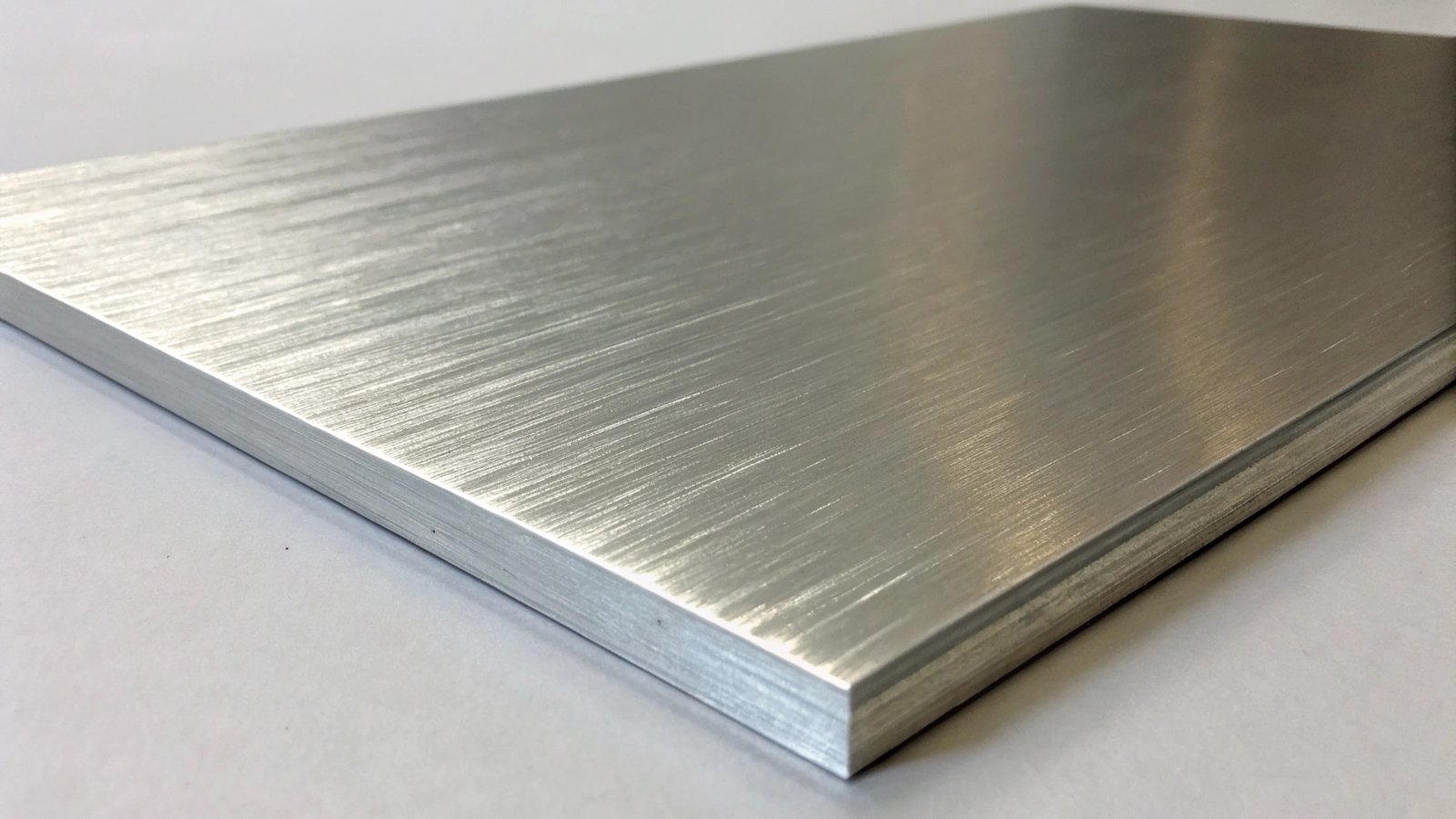
Diving deeper, aluminum 5083 contains about 4.0% to 4.9% magnesium and 0.4% to 1.0% manganese. This composition enhances its mechanical properties. Additionally, it offers good weldability and can be easily formed into various shapes. In comparison to other aluminum grades, 5083 stands out due to its ability to maintain strength even at elevated temperatures.
Here's a quick comparison of 5083 with other common aluminum alloys:
| Alloy | Magnesium (%) | Manganese (%) | Strength (MPa) | Applications |
|---|---|---|---|---|
| 5083 | 4.0 - 4.9 | 0.4 - 1.0 | 310 - 460 | Marine, transport |
| 6061 | 0.8 - 1.2 | 0.15 - 0.4 | 260 - 310 | Structural, aerospace |
| 5086 | 3.5 - 4.5 | 0.4 - 0.7 | 275 - 380 | Marine, pressure vessels |
What is the Difference Between 6061 T6 and 5083 Aluminum?
Understanding the differences between 6061 T6 and 5083 aluminum is critical for choosing the right material for your project. 6061 T6 is a general-purpose aluminum alloy known for its good mechanical properties and weldability2. It is often used in structural applications, such as bridges and buildings.
In contrast, 5083 aluminum excels in marine environments due to its higher corrosion resistance and strength3. This makes it ideal for use in shipbuilding and other applications exposed to harsh conditions.
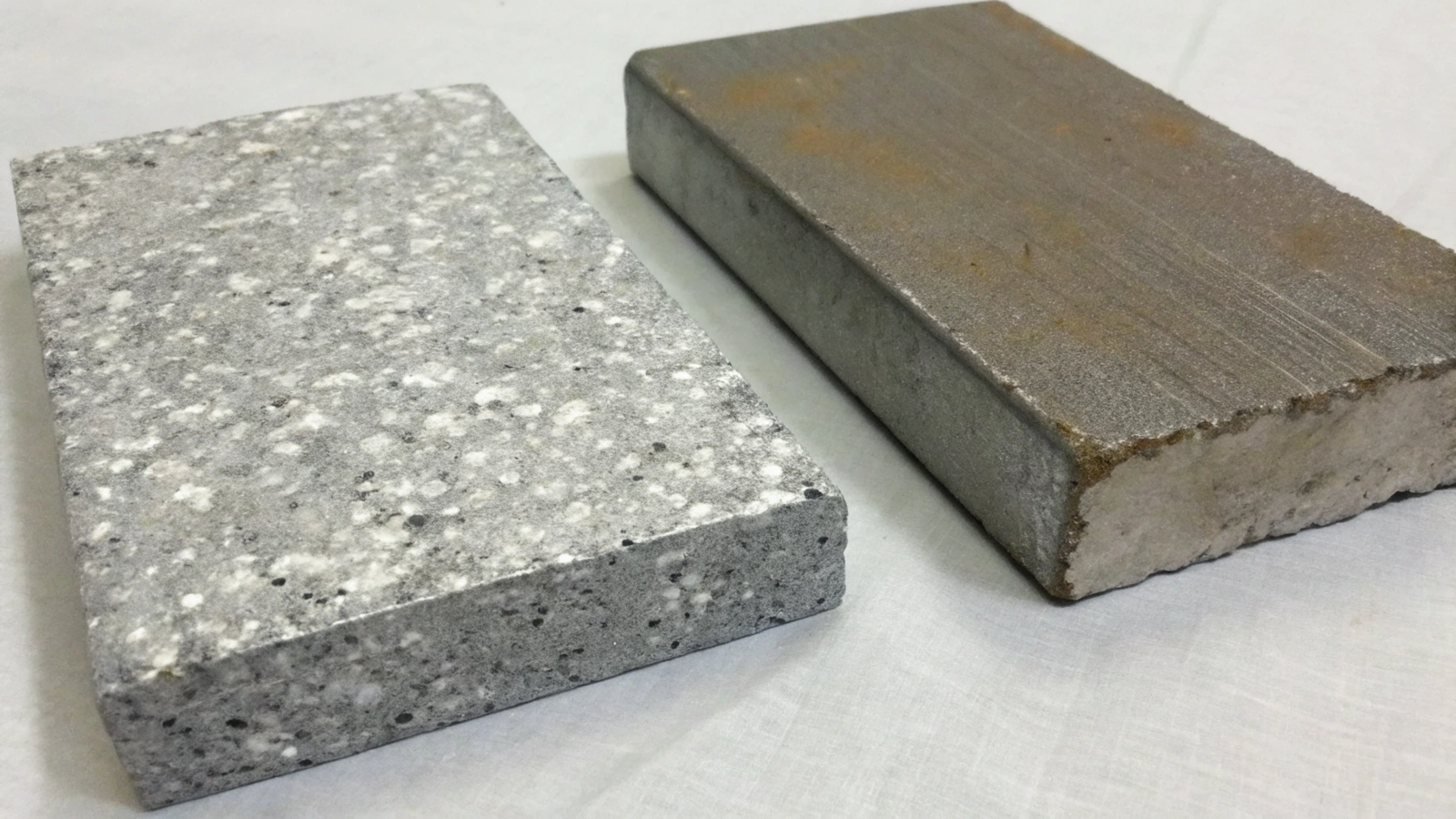
To delve deeper, let's compare their properties further. 6061 T6 has a tensile strength of about 310 MPa and is often used for manufacturing parts that need good mechanical properties and weldability. On the other hand, 5083’s strength ranges between 310-460 MPa, making it superior in strength and durability when exposed to stresses.
Here’s a comparison table of their significant properties:
| Property | Aluminum 6061 T6 | Aluminum 5083 |
|---|---|---|
| Tensile Strength | 310 MPa | 310 - 460 MPa |
| Corrosion Resistance | Moderate | Excellent |
| Weldability | Good | Excellent |
| Common Uses | Structural components | Marine applications |
What is 5083 Aluminum Used For?
Aluminum 5083 is commonly used in various industries, especially maritime and transportation. Its remarkable corrosion resistance makes it suitable for shipbuilding, marine structures, and offshore applications.
Additionally, it is often found in pressure vessels and cryogenic tanks due to its durability and strength.
To explore further, 5083 aluminum can also be used in construction and automotive applications. Its lightweight nature contributes to fuel efficiency in vehicles4. Furthermore, its ability to withstand extreme conditions makes it a top choice for military and aerospace applications.
Here are some examples of where 5083 aluminum is utilized:
| Industry | Application |
|---|---|
| Marine | Ship hulls, superstructures |
| Transportation | Bulk carriers, trailers |
| Construction | Curtain walls, structural beams |
| Aerospace | Aircraft components |
What is the Difference Between Aluminum 5086 and 5083?
Aluminum 5086 and 5083 are both marine-grade alloys, but they have different properties. While both offer good corrosion resistance, 5083 is typically stronger than 5086. This difference makes 5083 ideal for high-stress applications.
5086 aluminum is easier to weld but has a lower tensile strength compared to 5083.
To get deeper into their characteristics, 5086 contains slightly higher levels of magnesium, resulting in better formability and weldability. However, for applications where maximum strength is critical, 5083 is the go-to choice.
Below is a summarization of their properties:
| Alloy | Magnesium (%) | Strength (MPa) | Weldability | Application Areas |
|---|---|---|---|---|
| 5083 | 4.0 - 4.9 | 310 - 460 | Excellent | Marine, pressure vessels |
| 5086 | 3.5 - 4.5 | 275 - 380 | Very Good | Marine, shipbuilding |
Conclusion
Choosing aluminum 5083 ensures you get a high-performance material for demanding applications. Its strength and reliability make it an excellent choice for various industries.
"[PDF] Effects of Sensitization on Intergranular Boundaries of Aluminum ...", https://ideaexchange.uakron.edu/cgi/viewcontent.cgi?article=2157&context=honors_research_projects. An alloy handbook or standards-based reference should identify 5083 as a non-heat-treatable Al-Mg alloy with comparatively high strength and established marine use. Evidence role: definition; source type: institution. Supports: Aluminum 5083 is a high-strength, marine-grade aluminum alloy.. Scope note: The term “marine-grade” is descriptive and may not be a formal designation in all standards. ↩
"6061 aluminium alloy - Wikipedia", https://en.wikipedia.org/wiki/6061_aluminium_alloy. A materials reference should characterize 6061-T6 as a widely used heat-treated aluminum alloy with good mechanical properties and weldability. Evidence role: definition; source type: encyclopedia. Supports: 6061 T6 is a general-purpose aluminum alloy known for good mechanical properties and weldability.. Scope note: Weldability descriptions may note that welding can reduce strength in the heat-affected zone unless post-weld treatment is considered. ↩
"[PDF] Aluminum and Aluminum Alloys - NIST Materials Data Repository", https://materialsdata.nist.gov/bitstream/handle/11115/173/Aluminum%20and%20Aluminum%20Alloys%20Davis.pdf. A comparative alloy reference should show that 5083 has strong marine corrosion resistance and high strength among non-heat-treatable aluminum alloys, explaining its preference in marine environments. Evidence role: general_support; source type: institution. Supports: 5083 aluminum performs better than 6061-T6 in marine environments because of corrosion resistance and strength.. Scope note: The comparative term “higher” should be supported against a defined comparator, such as 6061-T6, and may vary by temper and environment. ↩
"Lightweight Materials for Cars and Trucks - Department of Energy", https://www.energy.gov/cmei/vehicles/lightweight-materials-cars-and-trucks. A transportation or energy-efficiency source should explain that reducing vehicle mass with lightweight materials such as aluminum can improve fuel economy or energy consumption. Evidence role: mechanism; source type: government. Supports: Using lightweight aluminum materials can contribute to improved fuel efficiency in vehicles.. Scope note: This supports the general lightweighting mechanism, not a quantified fuel-efficiency gain specifically from using 5083 in a given vehicle design. ↩