
The pressing need for high-performance materials in the automotive and aerospace industries can make choosing the right aluminum solution daunting. I understand that navigating through specifications and grades can be overwhelming.
When it comes to precision and reliability, SWA's forged rings and discs stand out as a top choice. These components meet rigorous industry standards, ensuring they deliver the performance demanded in automotive and aerospace applications.
At SWA Forging, we know that the ultimate solution isn't just an alloy grade on a spec sheet. It's about providing certified components that meet specific needs. We engineer and forge our rings and discs to the exacting standards of automotive and aerospace applications, ensuring guaranteed performance.
What is AMS QQ A 367?
AMS QQ A 367 is a specification that establishes the standards for aluminum alloy forgings, specifically for aerospace applications. Understanding this standard is crucial for engineers and manufacturers who need to ensure their components meet the required performance criteria.
This specification covers various aluminum alloys and their mechanical properties1, ensuring they are fit for use in demanding environments. It assures that the materials will perform reliably under various conditions.

Meeting the AMS QQ A 367 standard means that the aluminum components are subjected to rigorous testing and quality assurance processes. This is essential in aerospace applications, where safety and performance are paramount. At SWA Forging, we prioritize compliance with such standards, ensuring that our forged rings and discs are crafted for excellence.
Is 6061 T6 aluminum aerospace grade?
6061 T6 aluminum is often a topic of debate. While some consider it suitable for aerospace applications, it is not typically classified as aerospace-grade.
6061 T6 aluminum is widely used in many industries due to its good mechanical properties and corrosion resistance.2 However, for critical aerospace applications, specific grades like AMS QQ A 367 are preferred.
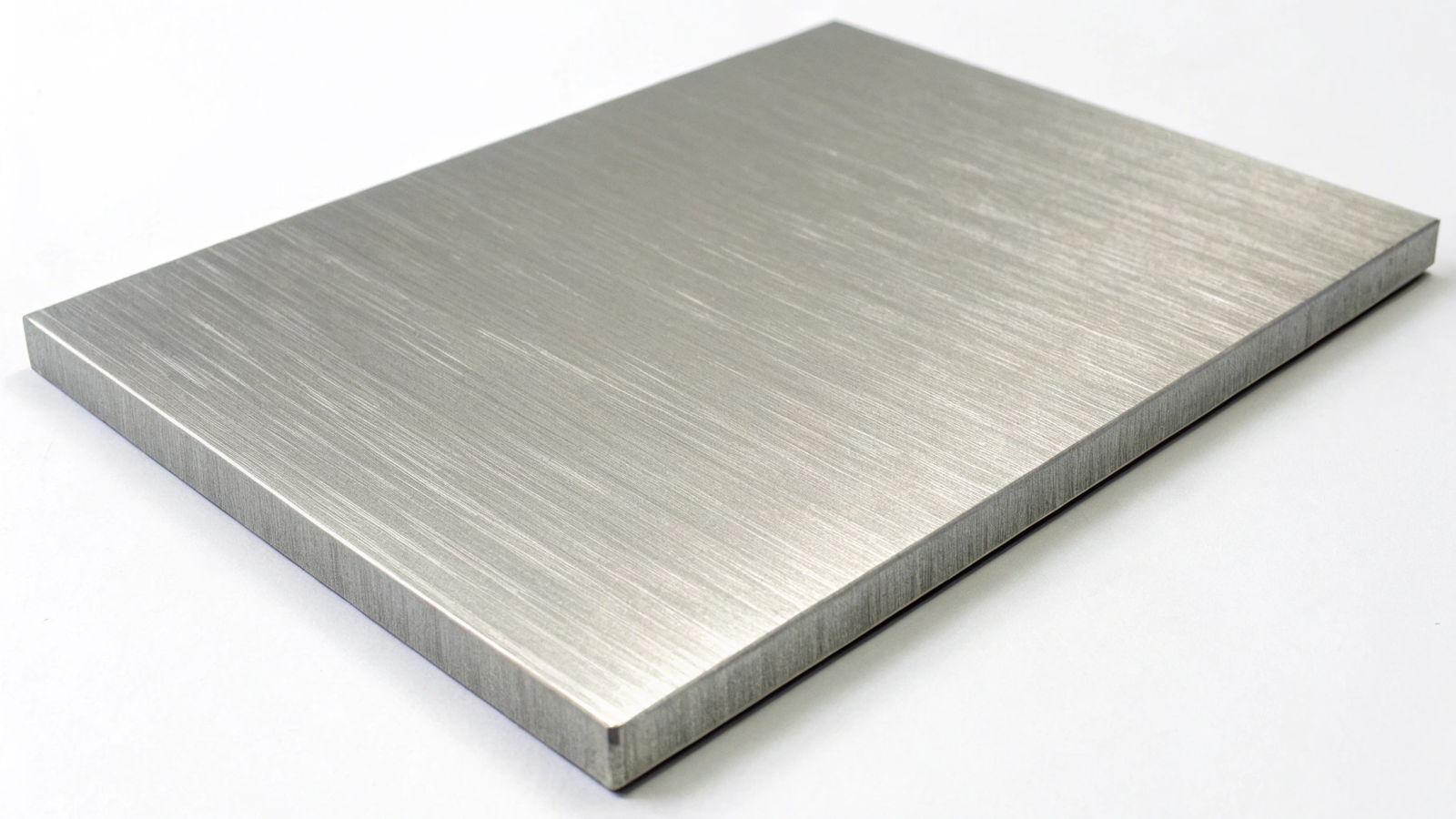
This doesn't mean 6061 T6 lacks value. It is a versatile material that can be used in less critical components. In contrast, aerospace-grade alloys have stricter specifications and testing protocols, ensuring they meet the higher demands of safety and performance.
What is aerospace grade 7000 series Aluminium alloy?
The 7000 series aluminum alloys are renowned for their strength and lightweight properties, making them ideal for aerospace applications. These alloys are primarily zinc-based and provide excellent mechanical properties.
Aerospace-grade 7000 series alloys, such as 7075, are often used in aircraft structures and components due to their high strength-to-weight ratio. This is crucial in aerospace, where every ounce counts.
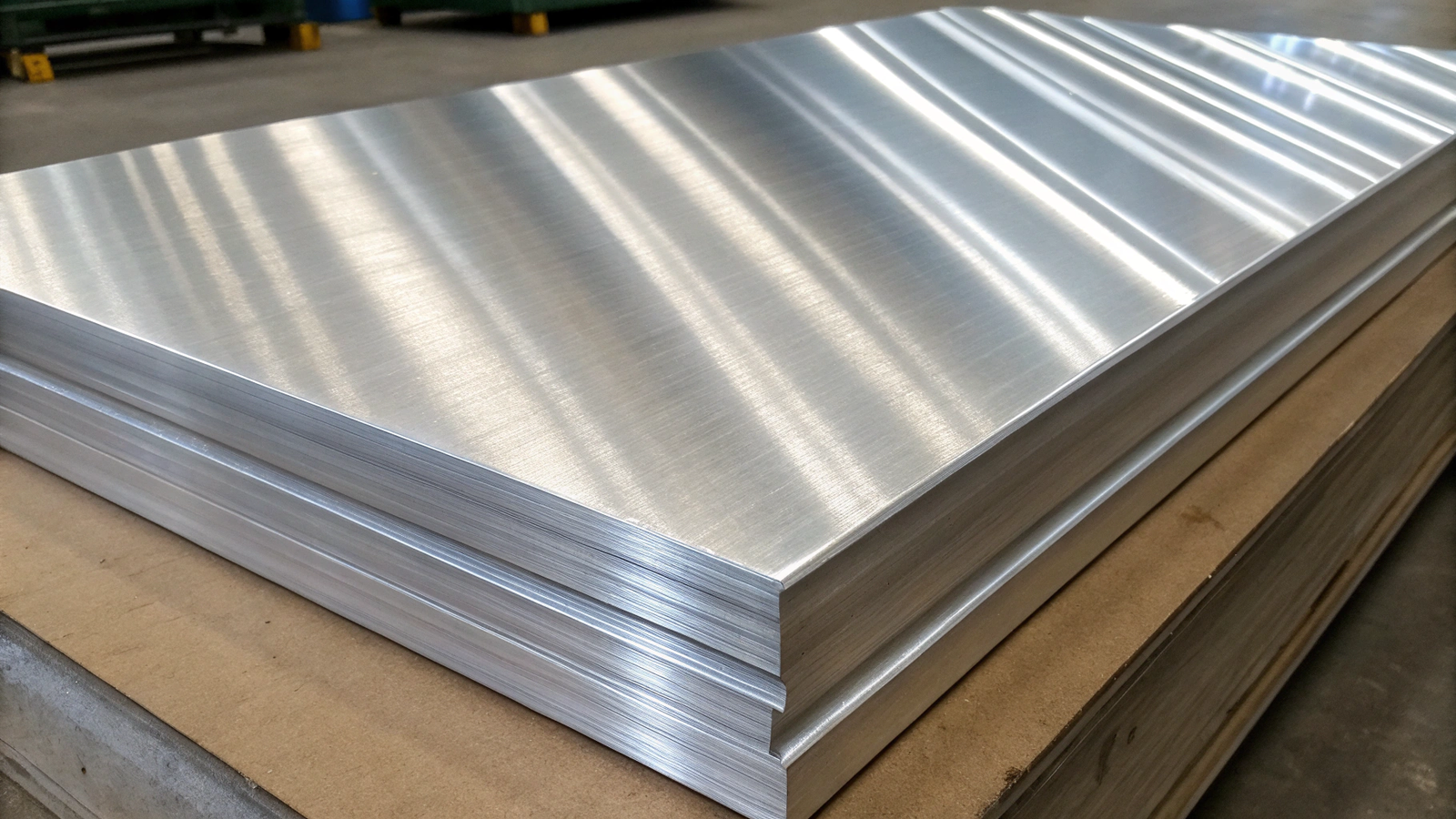
Utilizing aerospace-grade 7000 series aluminum can enhance the performance of components significantly. At SWA Forging, we understand the importance of selecting the right alloy for your specific application. Our forged rings and discs made from these alloys provide the strength and reliability that aerospace engineers demand.
What is the Aluminium alloy for pistons?
When it comes to pistons, aluminum alloys are essential for ensuring performance and longevity. The most commonly used alloy for pistons is 4032, known for its excellent wear resistance and low expansion characteristics.
This alloy is particularly advantageous in high-performance engines, where temperature fluctuations can affect performance. The right aluminum alloy can significantly enhance the efficiency and durability of engine components.
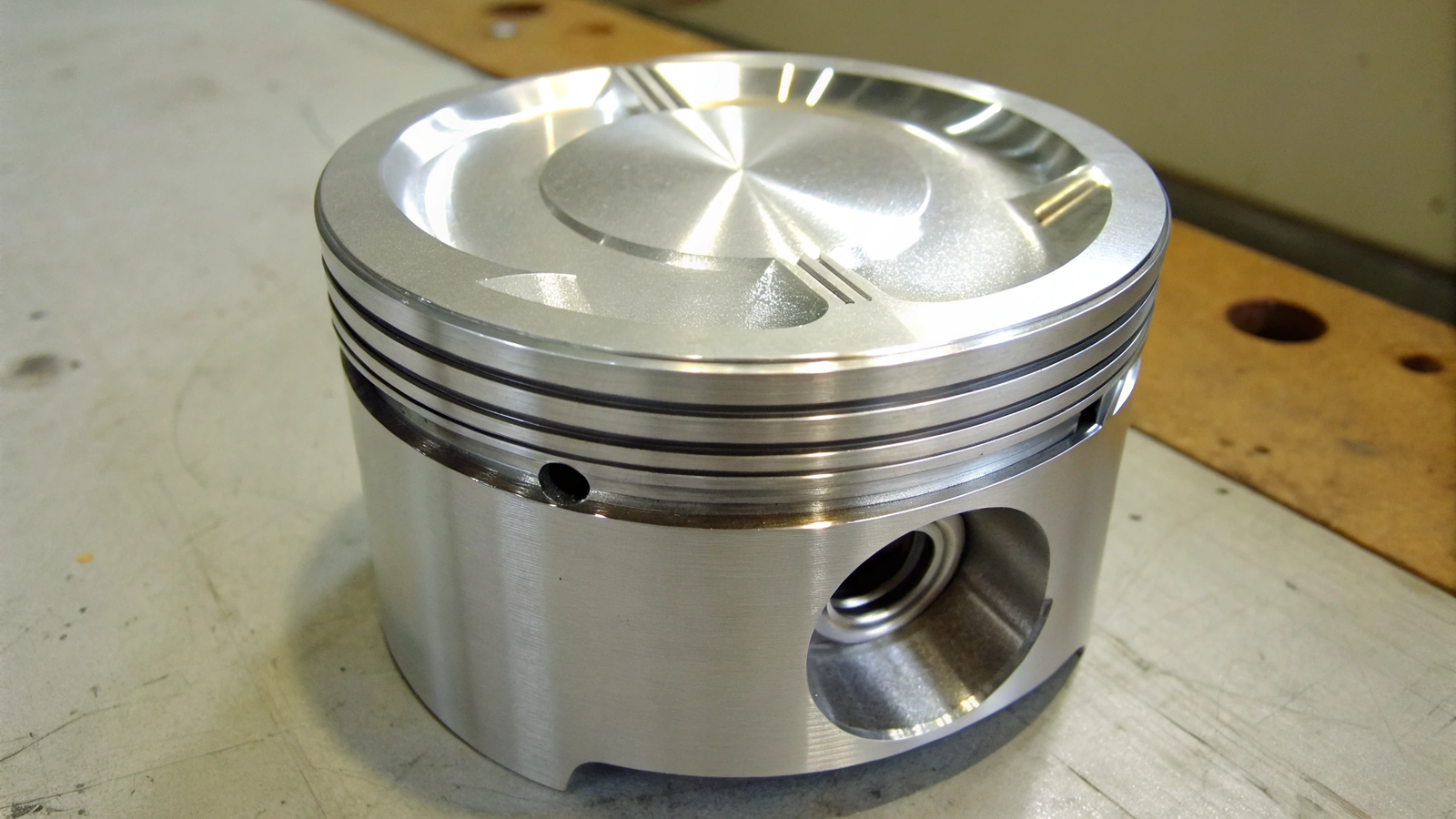
In addition to 4032, other aluminum alloys like 4045 and 2618 are also utilized for specific applications. Each alloy has its unique properties, making it suitable for different types of engines and performance requirements. At SWA Forging, we engineer our products to meet the specific needs of both automotive and aerospace sectors, ensuring optimal performance.
Conclusion
Choosing the right aluminum solution is critical for success in automotive and aerospace applications. Our forged rings and discs offer certified performance tailored to meet your specific needs.
"[PDF] Properties of Wrought Aluminum and Aluminum Alloys", https://materialsdata.nist.gov/bitstream/handle/11115/179/Properties%20of%20Wrought%20Aluminum.pdf?sequence=3. The AMS-QQ-A-367 specification or a neutral standards index should show that the document lists covered aluminum alloy forging products and associated mechanical-property requirements. Evidence role: definition; source type: institution. Supports: AMS QQ A 367 covers multiple aluminum alloys and specifies mechanical-property requirements for forgings.. Scope note: The source may summarize the standard rather than reproduce all controlled requirements, which are often behind a standards paywall. ↩
"Study on the Mechanical Property Degradation Laws of 6061-T6 ...", https://pmc.ncbi.nlm.nih.gov/articles/PMC13075060/. A materials handbook, university resource, or encyclopedia entry should indicate that 6061-T6 aluminum is a commonly used precipitation-hardened alloy valued for strength, workability, and corrosion resistance. Evidence role: general_support; source type: education. Supports: 6061-T6 aluminum is broadly used because it combines useful mechanical properties with corrosion resistance.. Scope note: Such sources support general material characteristics and applications, not suitability for every industrial use case. ↩