
Forged aluminum is a unique material that is widely used in various industries. But how is it made, and what makes it special?
Forged aluminum is created through a process where aluminum is shaped under high pressure and temperature. This results in a denser and stronger material compared to other aluminum types.
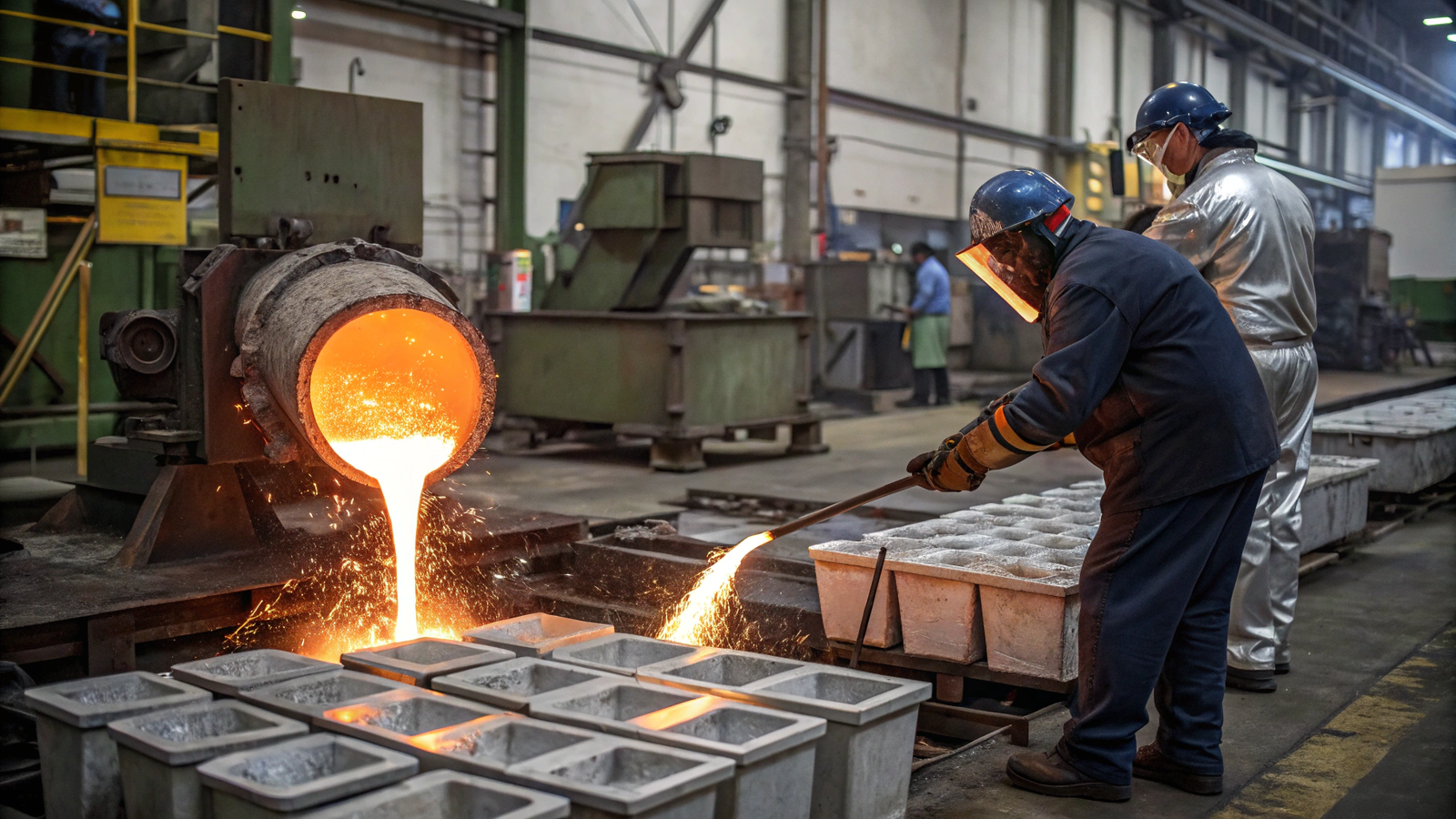
Forged aluminum is known for its strength and durability. The forging process improves the material's structural integrity, making it ideal for demanding applications. Now, let’s explore some common questions about forged aluminum.
Is forged aluminum better than pressed aluminum?
Forged aluminum offers several advantages over pressed aluminum. Pressed aluminum is formed by applying pressure to a sheet of aluminum, which can lead to weaker spots in the material. In contrast, forged aluminum is compressed in a mold, which aligns its grain structure. This increases its strength, making it more reliable for critical applications.
Forged aluminum is generally stronger and more resistant to fatigue compared to pressed aluminum. Therefore, it is often the preferred choice for high-performance parts.
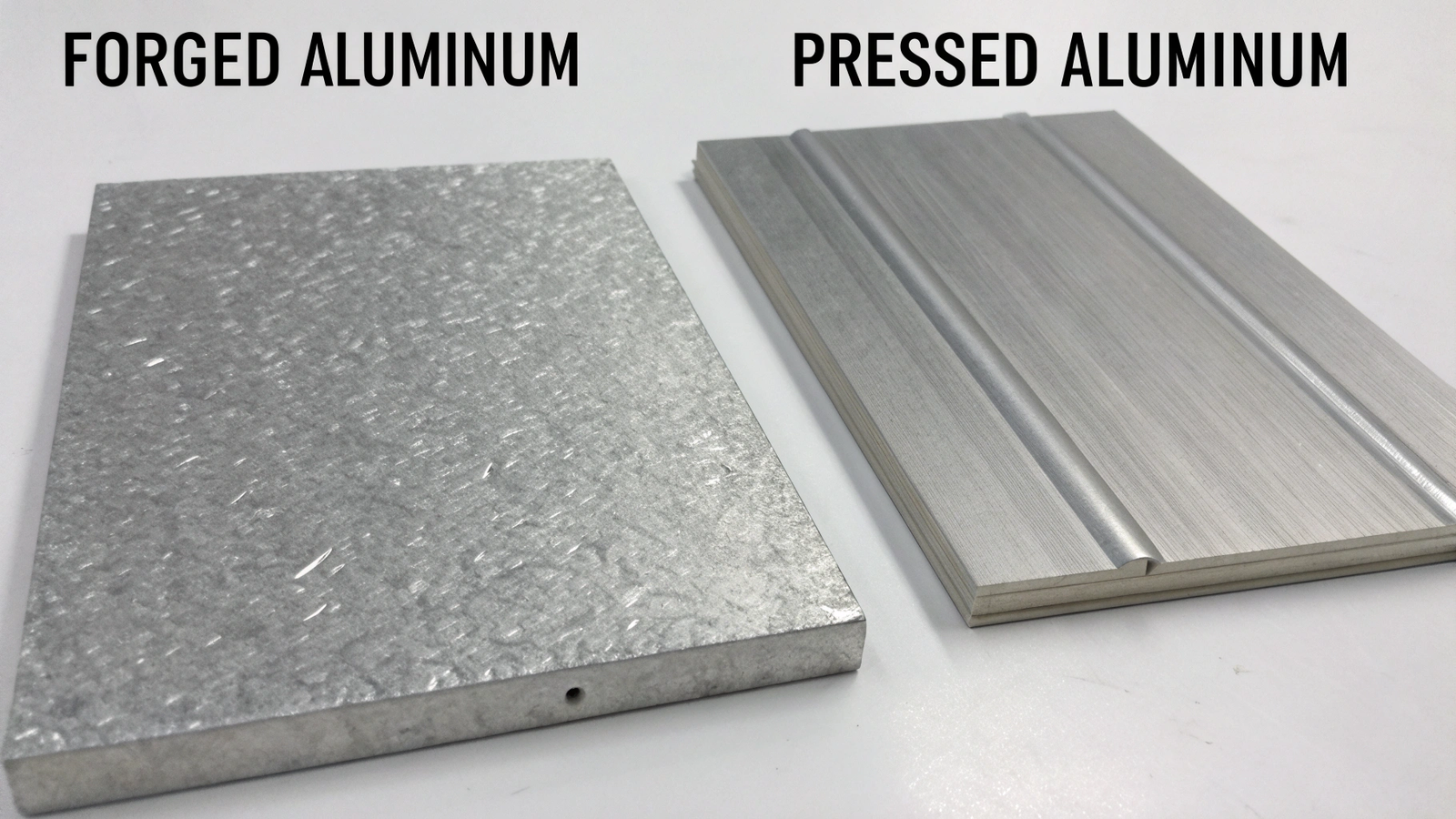
The differences in manufacturing processes lead to distinct properties. Forging results in a tighter grain structure, which enhances strength. On the other hand, pressing is often faster and cheaper but lacks the same level of durability. Understanding these differences helps businesses make informed decisions for their projects.
Dive deeper Paragraph:
When comparing forged and pressed aluminum, we can see clear distinctions. The forging process involves heating aluminum to a malleable state and then shaping it under immense pressure. This generally leads to a more uniform grain structure. Pressed aluminum, while practical for many applications, can have variations in thickness and strength due to how it is processed. Below is a table that summarizes the key differences:
| Property | Forged Aluminum | Pressed Aluminum |
|---|---|---|
| Strength | High | Moderate |
| Grain Structure | Uniform | Variable |
| Cost | Usually higher | Generally lower |
| Applications | Aerospace, automotive | Consumer products, packaging |
These differences can significantly impact the performance of the final product. Businesses must evaluate their specific needs to choose the appropriate aluminum type.
What is the difference between extruded and forged aluminum?
Extruded aluminum involves pushing heated aluminum through a shaped opening. This creates long, continuous shapes like rods or beams. On the other hand, forged aluminum is shaped under pressure in a mold. The processes result in different characteristics.
Extruded aluminum is versatile and great for creating complex shapes. However, forged aluminum offers superior strength and resistance to wear.
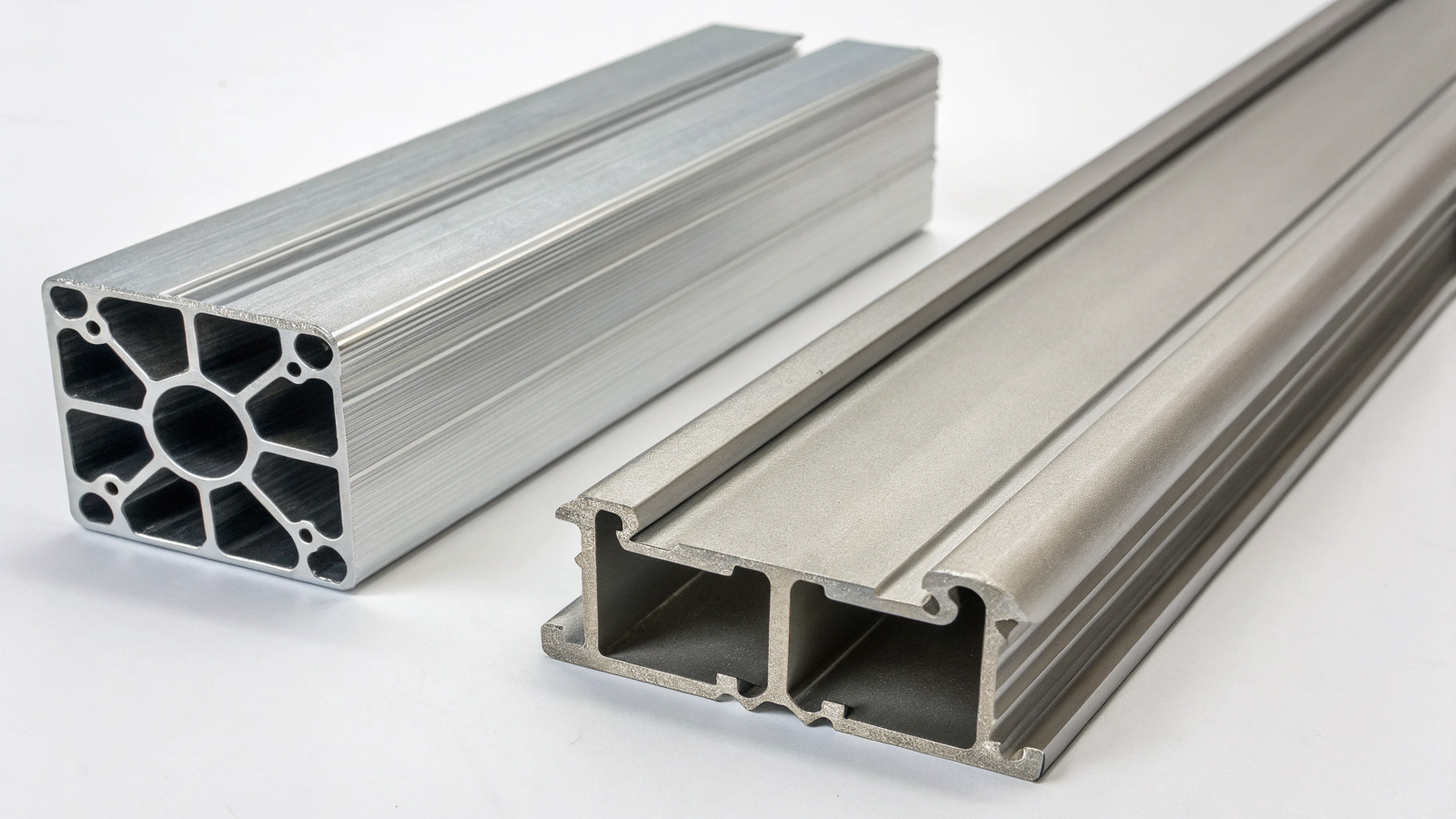
The choice between these materials often depends on the application. If strength and durability are critical, forged aluminum is the way to go. For architectural applications or lightweight structures, extruded aluminum may be more suitable.
Dive deeper Paragraph:
To further understand the differences, we can look at specific applications. Forged aluminum is commonly used in high-stress environments such as aerospace and automotive parts. These parts must withstand harsh conditions. Conversely, extruded aluminum is often found in construction and furniture due to its ease of shaping. Below is a comparison of their properties:
| Property | Forged Aluminum | Extruded Aluminum |
|---|---|---|
| Strength | Very High | Good |
| Design Flexibility | Limited | High |
| Production Speed | Slower | Faster |
| Cost | Higher | Lower |
Understanding the nuances of each process helps fabricators and buyers make the right decisions in sourcing materials for their projects.
Is forged aluminum better than cast iron?
When comparing forged aluminum to cast iron, the answer often depends on the application. Cast iron is known for its excellent wear resistance and machinability. However, forged aluminum is much lighter and boasts higher strength-to-weight ratios1.
In applications where weight is a concern, forged aluminum is typically the better choice.
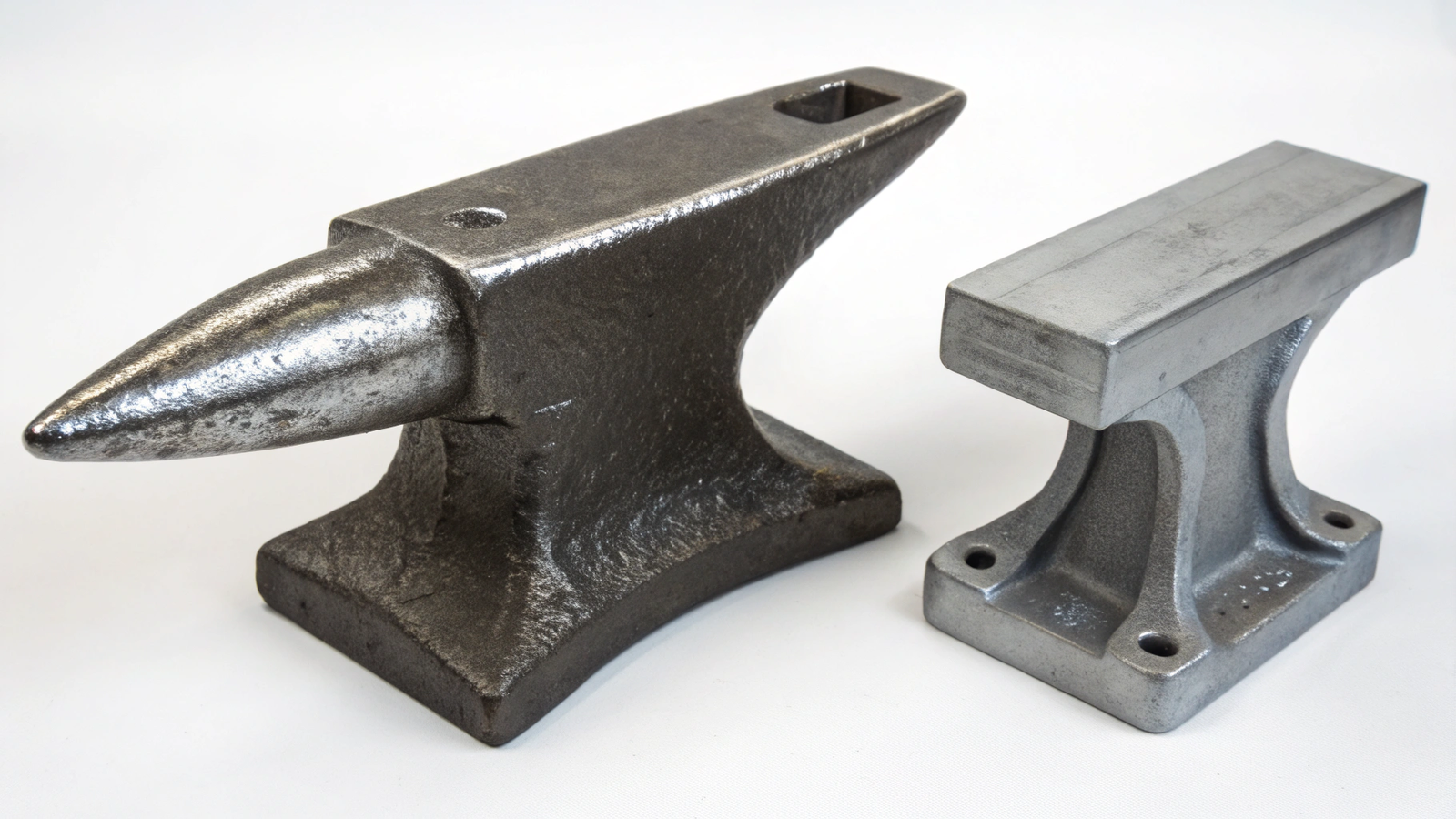
While cast iron may excel in certain scenarios, forged aluminum offers superior performance in weight-sensitive applications such as aerospace components. The trade-off between these materials hinges on their intended use and the required properties.
Dive deeper Paragraph:
To break this down further, let’s examine their properties. Cast iron is durable and can handle heavy loads, but it is not as strong as forged aluminum in terms of tensile strength. Forged aluminum is resistant to corrosion, which makes it ideal for outdoor applications. Below is a comparison table that highlights their features:
| Property | Forged Aluminum | Cast Iron |
|---|---|---|
| Weight | Light | Heavy |
| Corrosion Resistance | High | Low |
| Machinability | Good | Very Good |
| Load Bearing Capacity | Moderate | High |
Deciding on the right material will depend on specific needs such as weight, strength, and environmental exposure.
Can you machine forged aluminum?
Yes, forged aluminum can be machined. Its dense structure makes it suitable for precise machining operations. The advantages of forged aluminum also extend to the machining process, as it tends to have fewer defects compared to other forms.
Machining forged aluminum results in high-quality finishes and precise dimensions.
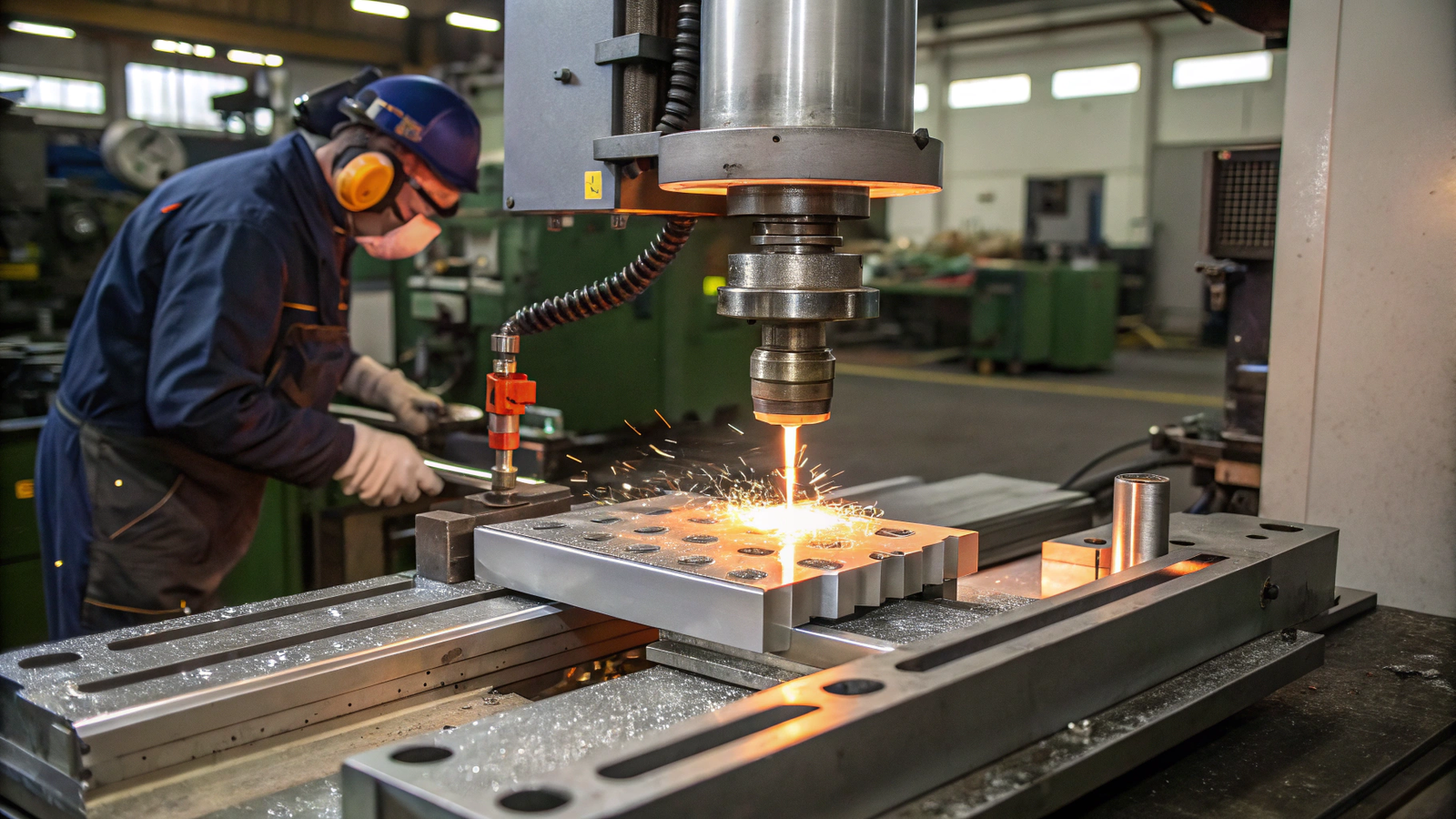
Forged aluminum parts can be easily shaped and finished to meet exact specifications. This is a critical factor for industries that require high precision, such as aerospace and automotive manufacturing.
Dive deeper Paragraph:
To delve deeper into this topic, it's important to understand the benefits of machining forged aluminum. The material's uniform grain structure allows for more predictable machining outcomes, leading to fewer complications. Additionally, machining forged aluminum can enhance its mechanical properties, making it even stronger. Here’s a breakdown:
| Property | Forged Aluminum | Other Aluminum Forms |
|---|---|---|
| Machining Ease | High | Variable |
| Finish Quality | Excellent | Average |
| Tolerance | Tight | Looser |
| Post-Machining Properties | Enhanced | Standard |
Choosing forged aluminum for machining applications often leads to better results and a higher-quality final product.
Conclusion
Forged aluminum stands out for its strength, durability, and versatility, making it a preferred choice in many industries.
"[PDF] Aluminum and Aluminum Alloys - NIST Materials Data Repository", https://materialsdata.nist.gov/bitstream/handle/11115/173/Aluminum%20and%20Aluminum%20Alloys%20Davis.pdf. Materials property data show that aluminum alloys have much lower density than cast irons, and high-strength aluminum alloys can provide favorable strength-to-weight ratios in weight-sensitive designs. Evidence role: statistic; source type: government. Supports: Forged aluminum can have a higher strength-to-weight ratio than cast iron in relevant applications.. Scope note: Specific strength comparisons depend on the exact aluminum alloy, forging condition, and cast-iron grade. ↩