
You select 7075 aluminum1 for its legendary strength, expecting it to solve your design challenges. But parts machined from standard stock still fail, leaving you wondering why you paid for a premium material.
The alloy's potential is just a number. Its powerhouse performance is only unlocked by the process. We forge 7075, forcing its grain structure to align with the part's geometry, creating directional strength that raw material forms and machining alone can never achieve.
I'll never forget a client who came to us with a critical aircraft component. It was a landing gear link, machined from a thick 7075-T651 plate. The part was failing fatigue tests at a fraction of its predicted life cycle. On paper, the strength was there. The problem was that the part’s geometry had sharp angles, and the machining process cut directly across the linear grain of the plate. This created weak points that acted as initiation sites for cracks. We took their design and created a near-net shape forging. By forcing the metal to flow into the die, we ensured the grain structure followed the contours of the link, especially around the high-stress corners. The forged part wasn't just stronger; its fatigue life was orders of magnitude higher. We didn't change the alloy; we unlocked its true potential.
What is 7075 alloy?
You see "7075" on material lists, but what really separates it from other aluminum alloys? Without this knowledge, you are just guessing which material is right for your high-performance needs.
7075 is an aluminum alloy from the 7000 series, which uses zinc as its primary alloying element. It is famous for its extremely high strength-to-weight ratio2, making it a key material for demanding aerospace and defense applications.
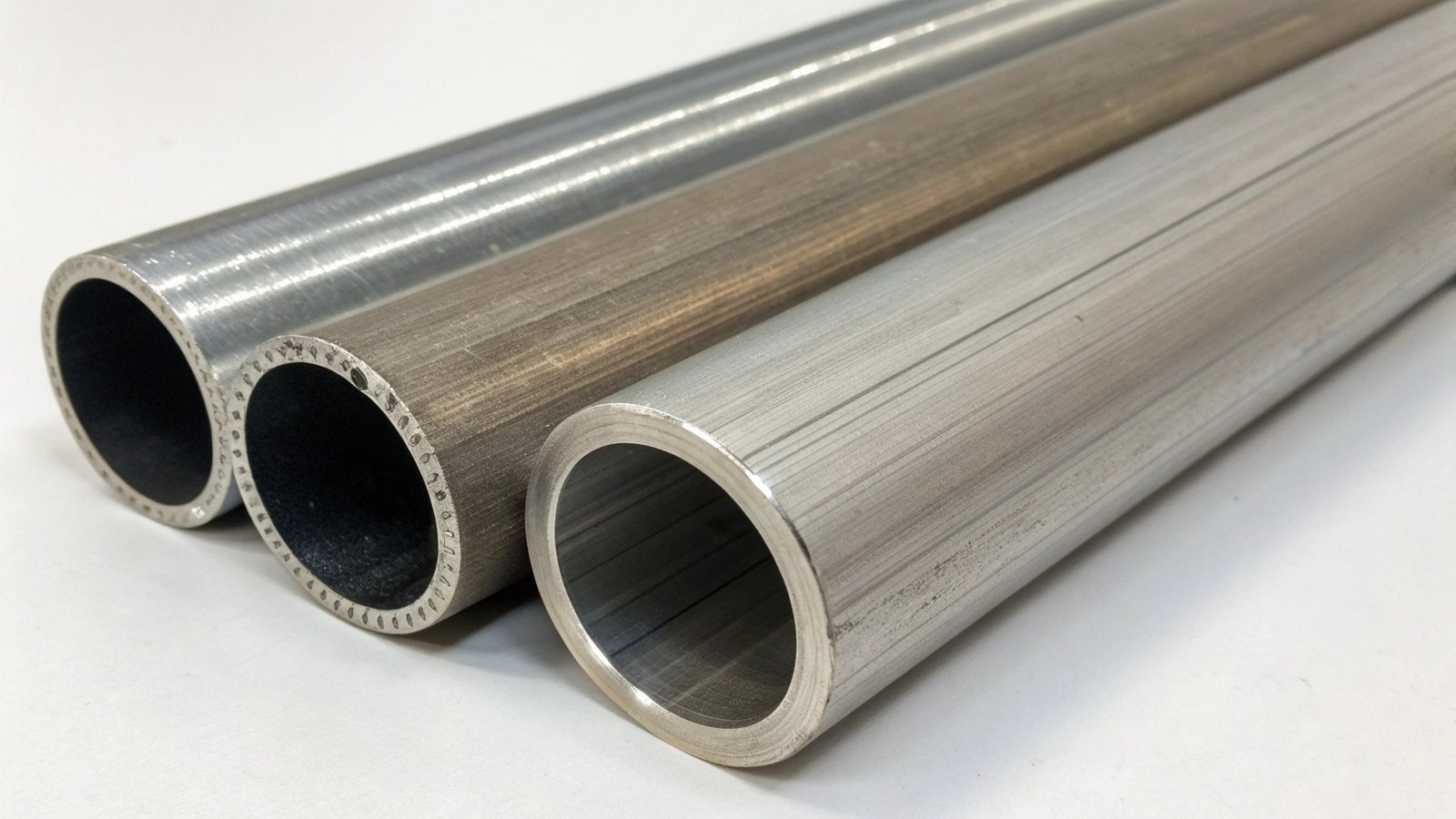
Alloy 7075 is part of the 7000 series family of aluminum alloys. The key to its performance is its chemical recipe. The primary alloying element is zinc, which, when combined with smaller amounts of magnesium and copper, creates a material that can be heat-treated to achieve incredible strength levels. This process is what gives it the famous T6 temper. Think of it as the specialist material for when you need maximum strength without the heavy weight of steel. It's not a general-purpose alloy; it's a high-performance solution. This is why you find it in the most critical parts of an airplane, from the main structural spars in the wings to the fuselage frames that form the backbone of the aircraft. Its purpose is to provide structural integrity under extreme stress, making it an engineering powerhouse.
Is 7075 as strong as steel?
You need the strength of steel but the weight of aluminum. Can 7075 truly compete, or will you have to compromise on performance to save weight?
When comparing strength-to-weight ratios, 7075-T6 aluminum is significantly stronger than many common steel alloys. While steel has a higher absolute strength, 7075 provides comparable performance at about one-third of the weight.
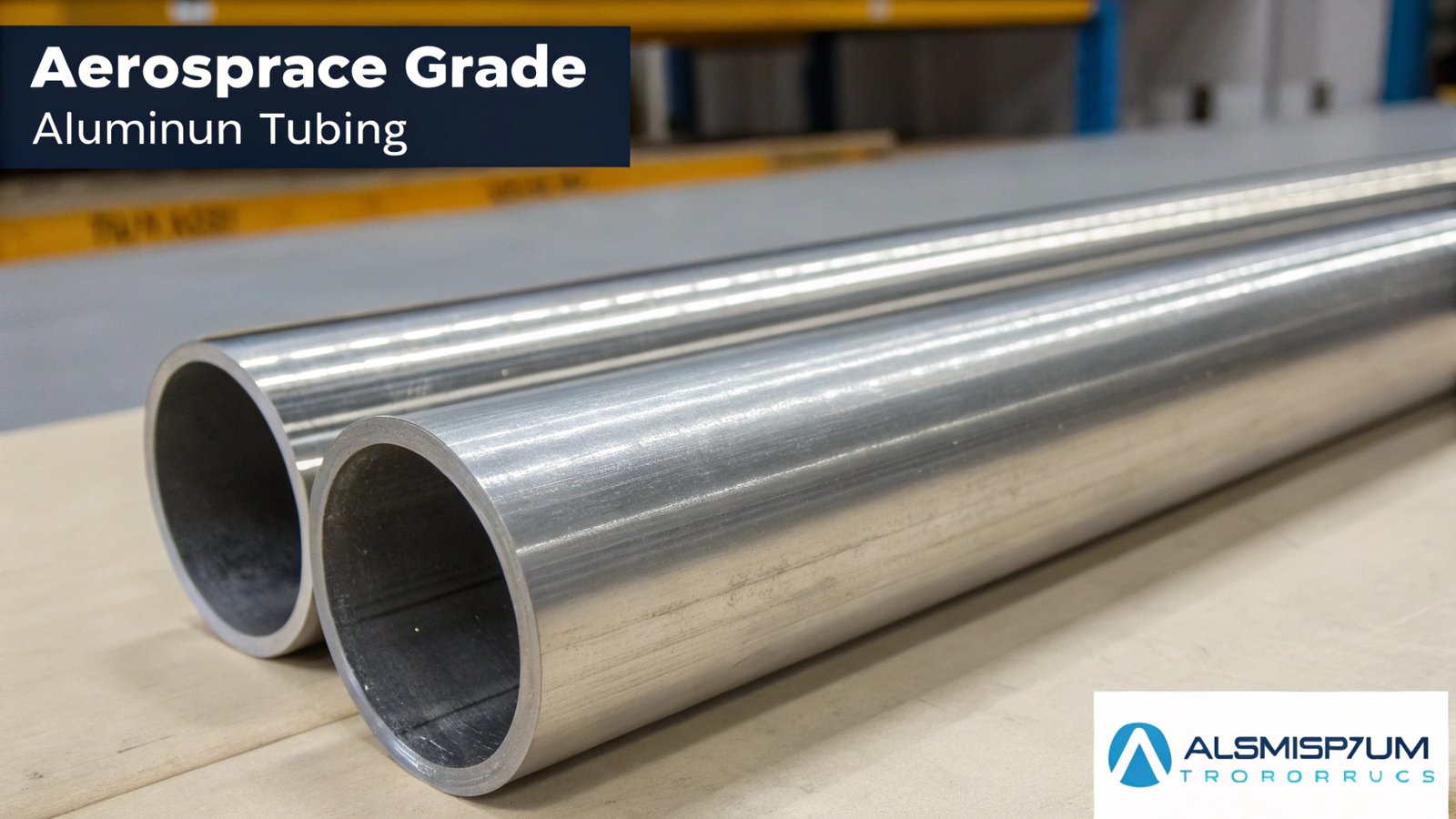
This is a common and important question. If you look at absolute strength, a high-strength steel alloy will have a higher ultimate tensile strength than 7075 aluminum. However, that is only half the story. The real magic happens when you factor in density. Steel is about three times denser than aluminum. So, for a component of the same weight, the 7075 aluminum part can be made much larger and thicker, giving it superior stiffness and buckling resistance. This is why the term "strength-to-weight ratio" is so critical in aerospace. It is a measure of how much strength you get for each kilogram of material. In this metric, 7075-T6 is a true champion and outperforms many common carbon and alloy steels. This allows engineers to design parts that are just as strong as their steel counterparts but significantly lighter, leading to better fuel efficiency and higher payload capacity. It's not about being as strong; it's about being smarter with strength and weight.
What is aerospace grade aluminum 7075?
You see the term "aerospace grade" used everywhere. But what does it really mean for a material like 7075, and how does it guarantee reliability?
Aerospace grade 7075 means the material is produced and certified to meet the strict standards of the aviation industry. This ensures consistent chemistry, complete traceability, and verified mechanical properties for flight-critical applications.
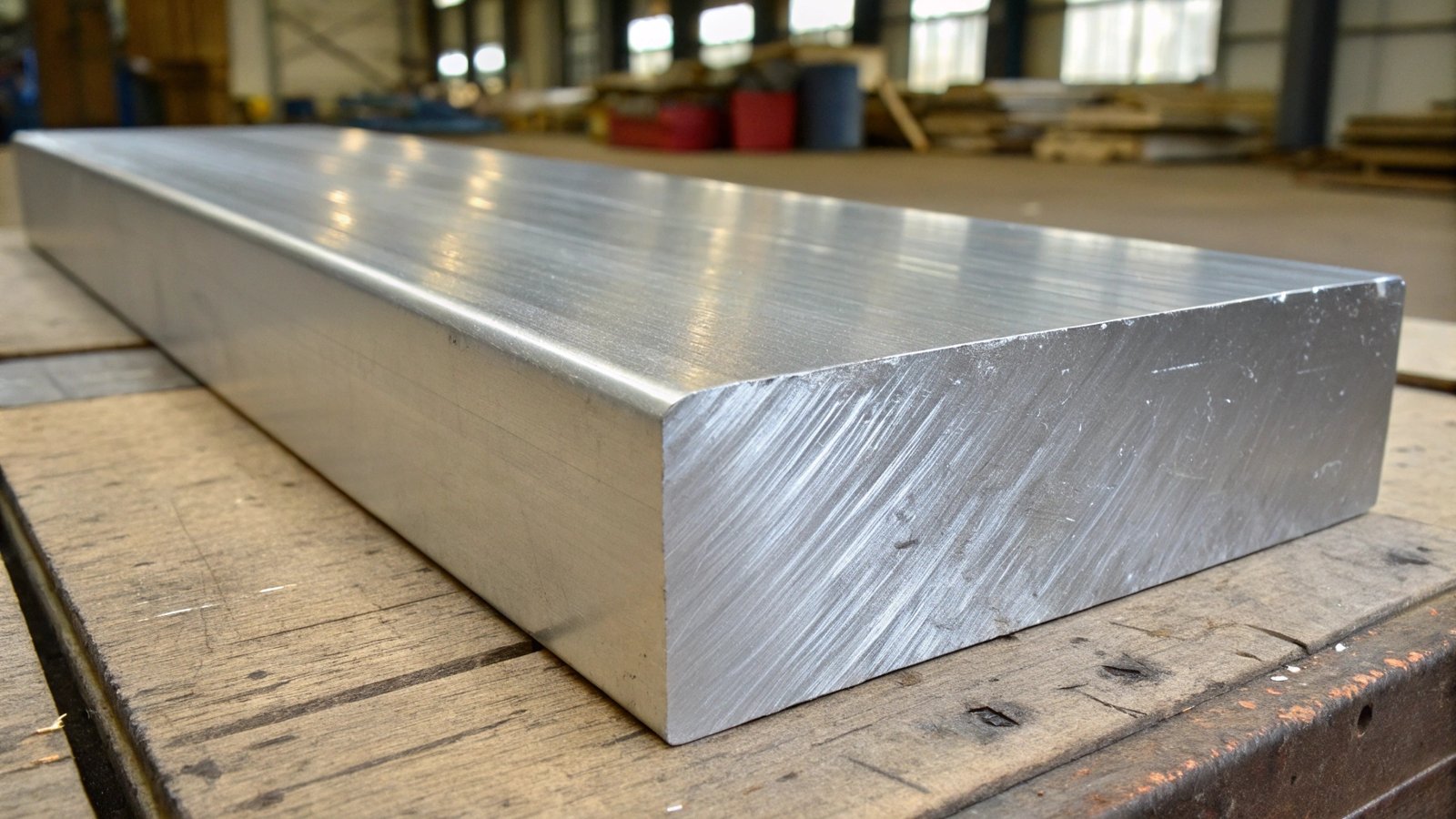
"Aerospace grade" is not a marketing slogan; it is a guarantee of quality and control. When an alloy like 7075 is designated as aerospace grade, it means it was produced under a quality system that tracks it from the initial raw material to the final product. Every step is documented. The chemical composition is tightly controlled to ensure it falls within very narrow limits. The heat treatment process is monitored and recorded to guarantee it achieves the correct temper and mechanical properties. Most importantly, the material undergoes extensive non-destructive testing, like ultrasonic inspection, to ensure there are no hidden internal flaws. At SWA Forging, every order we produce comes with product quality certificates. We provide this documentation to prove that the material's properties meet the required specifications. For our customers, aerospace grade means trust, reliability, and peace of mind.
Which is better, 6061 or 7075 aluminum?
You have to choose between 6061 and 7075 for your design. They are both popular, but choosing the wrong one can lead to an over-engineered, expensive part or a component that fails.
Neither is "better"; they are suited for different jobs. 7075 offers superior strength for critical, high-stress parts. 6061 offers great versatility, weldability, and corrosion resistance for a wider range of general-purpose applications.
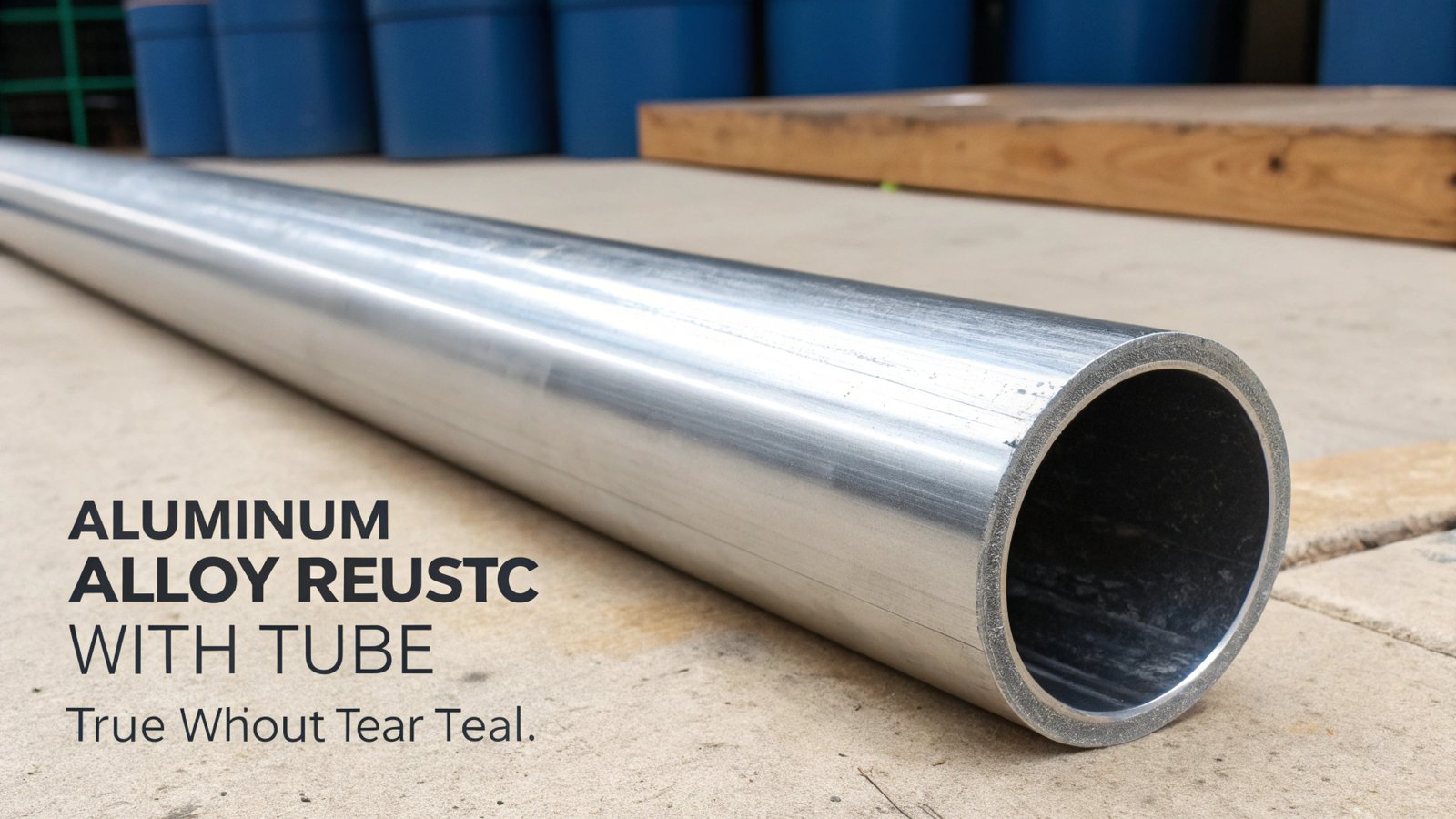
This is the classic choice between a specialist and a generalist. Think of 7075 as a high-performance race car. It is incredibly strong and lightweight, but it requires more careful handling (poor weldability, lower corrosion resistance) and comes at a premium price. It is the absolute best choice for parts where maximum strength-to-weight is the only thing that matters. On the other hand, 6061 is like a durable, reliable pickup truck. It has very good all-around strength, is easy to weld, has great corrosion resistance, and is more affordable. It is one of the most versatile and widely used alloys for a huge range of structural and industrial applications. The choice depends entirely on your project's demands. If you are building a part where failure could be catastrophic, 7075 is your alloy. If you need a strong, reliable, and cost-effective solution for a less critical application, 6061 is often the perfect fit.
Alloy Selection Guide
| Factor | 7075-T6 | 6061-T6 | Choose... |
|---|---|---|---|
| Ultimate Strength | ~572 MPa (83 ksi) | ~310 MPa (45 ksi) | 7075 |
| Primary Use Case | High-Stress, Critical Components | General-Purpose Structural | (Depends) |
| Weldability | Poor | Excellent | 6061 |
| Corrosion Resistance | Fair | Very Good | 6061 |
| Cost | Premium | Standard | 6061 |
Conclusion
Unlock the true powerhouse performance of 7075. Move beyond the spec sheet and choose SWA Forging to build directional strength and ultimate reliability directly into your most critical components.