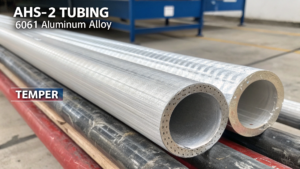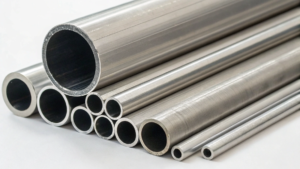

Aluminum tubing is an essential material in various industries, but choosing the right type can be challenging. Understanding the options available will help you make the best decision.
Aluminum tubing comes in various types, each suited for different applications. Knowing these differences can guide you in selecting the perfect tube for your project.
Selecting the right aluminum tubing requires knowledge about the different types available. It’s about finding the fit for your specific needs, from structural integrity to weight considerations.
What are the different types of aluminum tubing?
Aluminum tubing is categorized mainly into two types: seamless and welded. Each serves different purposes. Seamless tubing is created from a single piece of aluminum, offering more strength and durability. On the other hand, welded tubing consists of two or more pieces joined together, making it less expensive but potentially weaker.
Aluminum tubing types include seamless and welded varieties, each designed for specific applications. Understanding these types ensures you choose the right tubing for your project.
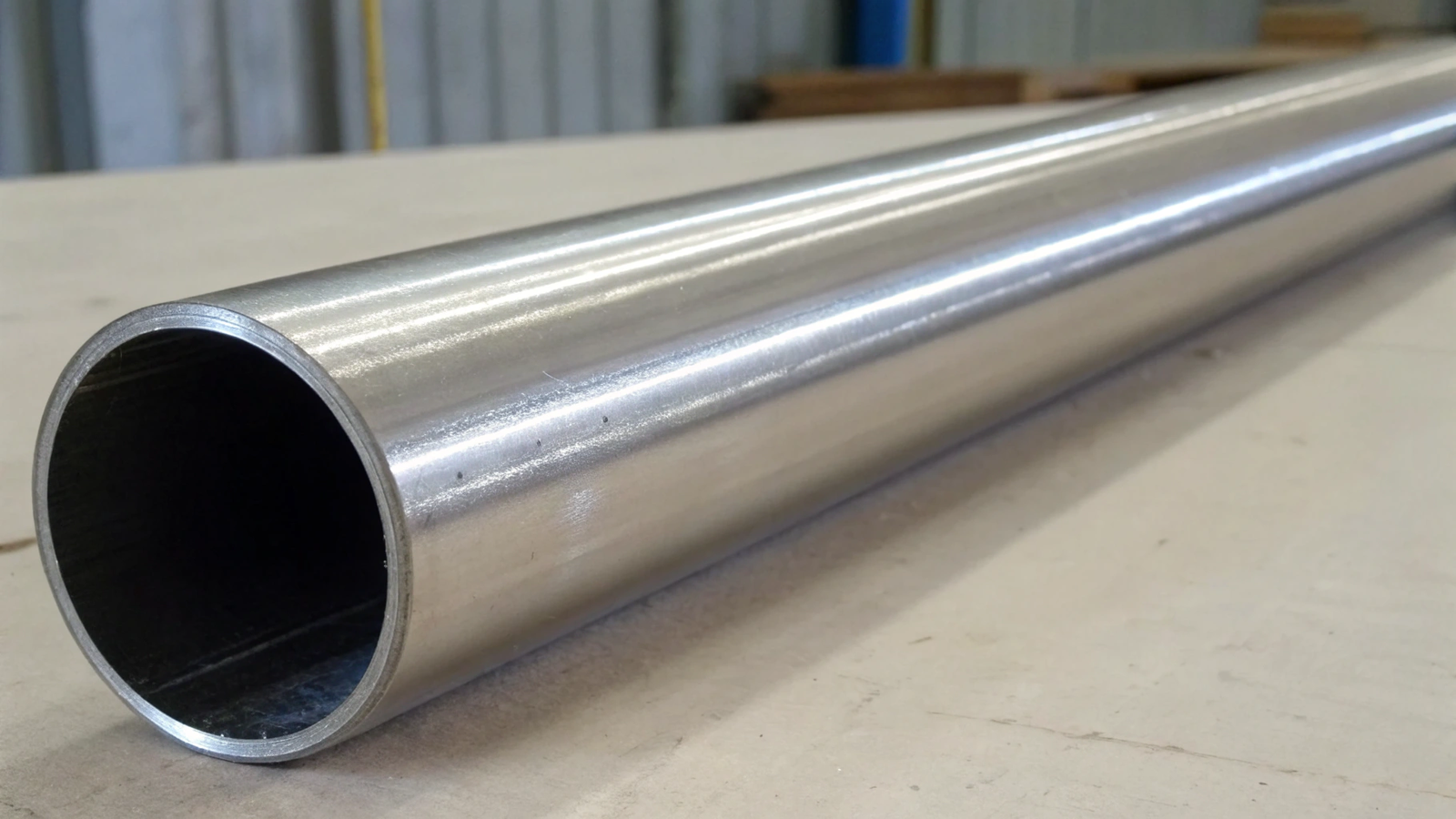
Aluminum tubing types can be further divided based on their grades and applications. The most common ones are 6061 and 6063. The 6061 grade is known for its strength and versatility, often used in structural applications. In contrast, 6063 is popular in architectural applications1 for its excellent finish and workability. Additionally, applications in aerospace and automotive sectors often call for specific grades like 2024 or 70752.
| Type | Characteristics | Common Applications |
|---|---|---|
| Seamless | High strength, no welds | Aerospace, high-pressure systems |
| Welded | Cost-effective, may have joint weaknesses | Construction, general use |
| 6061 | Strong, versatile | Structural components, automotive |
| 6063 | Excellent finish, good workability | Architectural applications |
What is the 2000 grade aluminum?
The 2000 series aluminum, known for its high strength, is primarily used in aerospace applications. This grade is alloyed with copper, giving it excellent machinability. However, it is less resistant to corrosion than other grades, so protective coatings are often necessary.
2000 grade aluminum is known for its high strength and machinability, making it especially suitable for aerospace applications. However, it requires protective coatings to prevent corrosion.
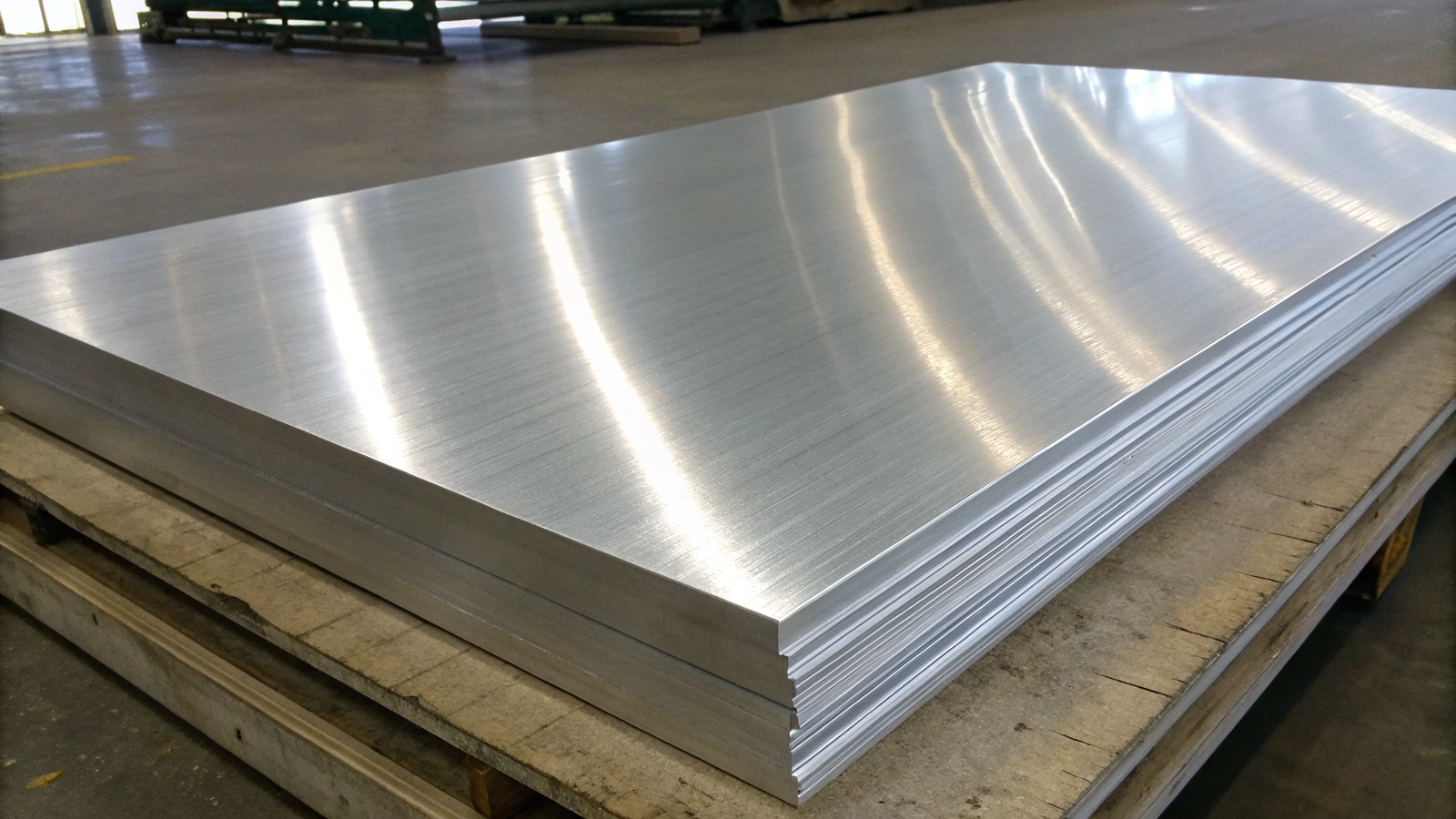
Understanding why 2000 grade aluminum is favored in aerospace helps clarify its unique characteristics. Its superior strength-to-weight ratio makes it a top choice for aircraft structures. Additionally, its machinability allows for complex designs, which is vital for parts that require precise specifications. However, its susceptibility to corrosion means that manufacturers often treat it with anodization or other protective coatings. This balance of strength and protection is crucial in critical applications.
What is 6063 aluminium pipe grade?
6063 aluminum grade is often referred to as the architectural grade. It is known for its smooth surface finish and high resistance to corrosion. This grade is particularly well-suited for applications where aesthetics matter, like window frames and curtain walls.
6063 aluminum is known for its excellent surface finish and corrosion resistance, making it ideal for architectural applications. It combines beauty with functionality.
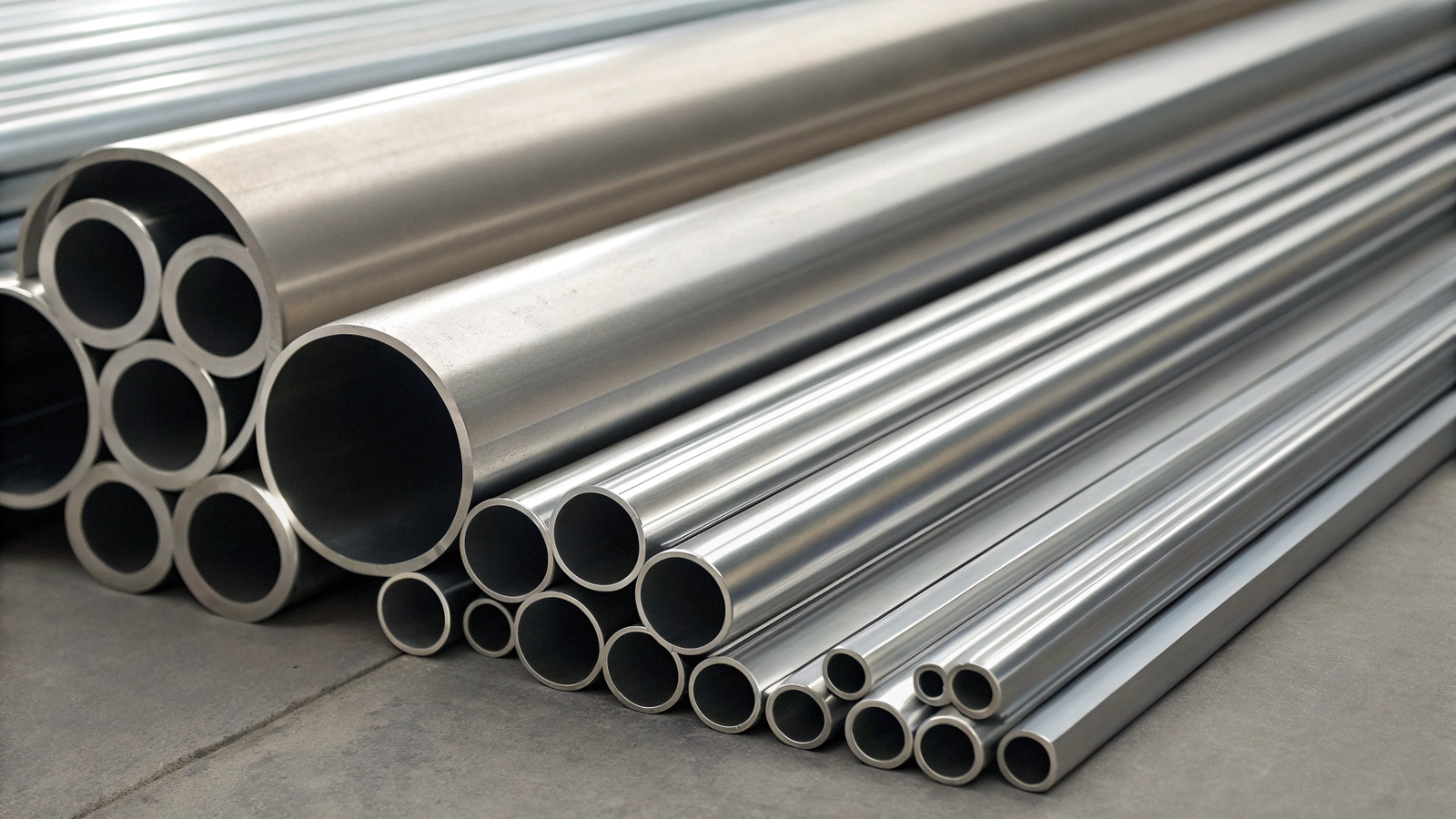
When considering 6063 aluminum, it's essential to note its unique characteristics that make it an industry favorite. The grade’s ability to be extruded into complex shapes allows architects to create stunning designs. Moreover, its lightweight nature does not compromise its strength, making it suitable for both stability and aesthetic appeal in building projects. This makes it a go-to choice for many construction professionals who need reliable yet attractive materials.
How many types of tubing are available?
There are countless types of aluminum tubing available in the market, each tailored for specific needs. Besides the commonly used 6061, 6063, and 2000 grades, other aluminum alloys serve specialized applications. These include marine-grade aluminum for boat building, aircraft-grade aluminum for aviation, and several others designed for high-stress environments.
There are numerous types of aluminum tubing available, including various alloys and forms, each crafted for specific applications across different industries.
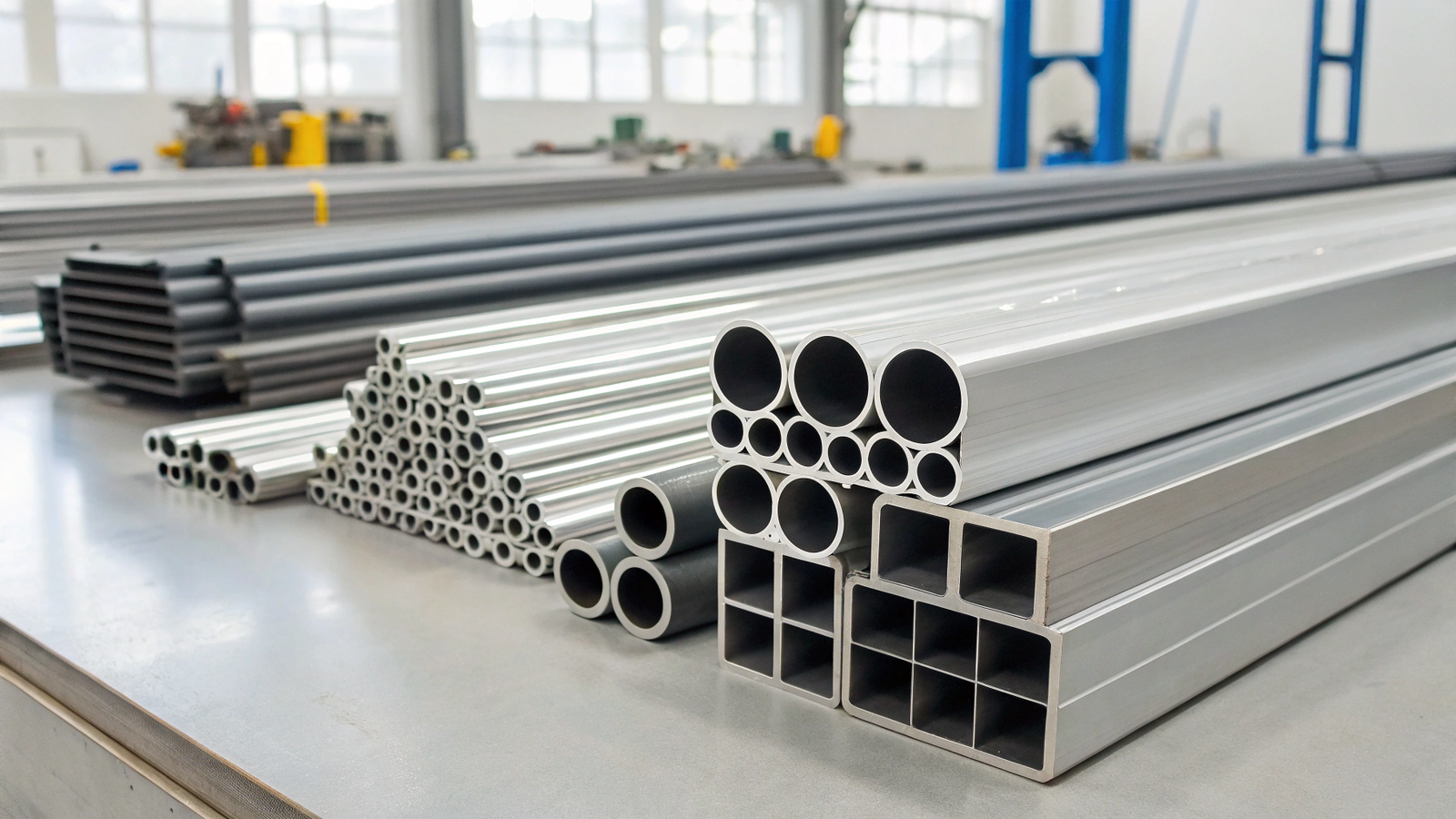
Exploring the vast array of aluminum tubing types leads to a deeper understanding of their roles in various sectors. For instance, marine-grade aluminum is designed to withstand harsh conditions, while aircraft-grade aluminum is lightweight yet robust enough for aviation standards. This diversity allows manufacturers and engineers to select the right material based on specific project requirements. By understanding these differences, you can ensure high-performance results in your projects.
Conclusion
Choosing the right aluminum tubing is crucial for performance and safety. Understanding the types available can help you find the best solution for your needs.
"Aluminium alloy - Wikipedia", https://en.wikipedia.org/wiki/Aluminium_alloy. A neutral alloy reference describes 6063 aluminum as an extrusion alloy commonly used in architectural applications, supporting the article’s link between 6063 and building products. Evidence role: general_support; source type: encyclopedia. Supports: 6063 aluminum is popular in architectural applications.. Scope note: This supports common usage patterns, not that 6063 is the best choice for every architectural design. ↩
"[PDF] 19720022809.pdf - NASA Technical Reports Server", https://ntrs.nasa.gov/api/citations/19720022809/downloads/19720022809.pdf. Aerospace materials references identify 2024 and 7075 aluminum alloys as high-strength alloys historically and commonly used in aircraft structures, supporting their association with aerospace applications. Evidence role: historical_context; source type: education. Supports: Applications in aerospace and automotive sectors often call for specific grades like 2024 or 7075.. Scope note: The citation would support common aerospace use of these alloys, not prove that every aerospace or automotive application requires them. ↩