
You specified an "aircraft grade" alloy for a critical job. But the material you received lacks the full certification, or worse, a finished part fails inspection, putting your project and reputation at risk.
"Aircraft grade" is a guarantee of performance, not just an alloy name. It signifies that the material meets strict aerospace standards for strength, purity, and flawlessness, proven through processes like forging1 and rigorous certification.
I'll never forget a machining client who won a major aerospace subcontract. They bought what they thought was "aircraft grade" 7075 from a general metal supplier. It was the right alloy number, but it was a standard commercial-grade extrusion. They spent a fortune machining intricate parts, only to have every single one rejected during the final ultrasonic inspection. The extrusion had internal inconsistencies that were unacceptable for flight. They came to us in a panic. We supplied them with fully certified, forged 7075-T7351 blanks. Our forging process created the flawless internal structure required, and our comprehensive certification proved it. They remade the parts and passed every inspection, saving the contract. They learned that day that you are not just buying metal; you are buying certified flight-worthiness.
Is 7075 aluminum aircraft grade?
You see 7075 listed for aerospace use and assume it is always the right choice. But using the wrong temper or an uncertified version for a flight part can lead to catastrophic failure.
Yes, 7075 is a premier aircraft grade alloy, prized for its steel-like strength. However, it only qualifies as "aircraft grade" when produced, heat-treated, and certified to strict aerospace specifications like AMS 4124.
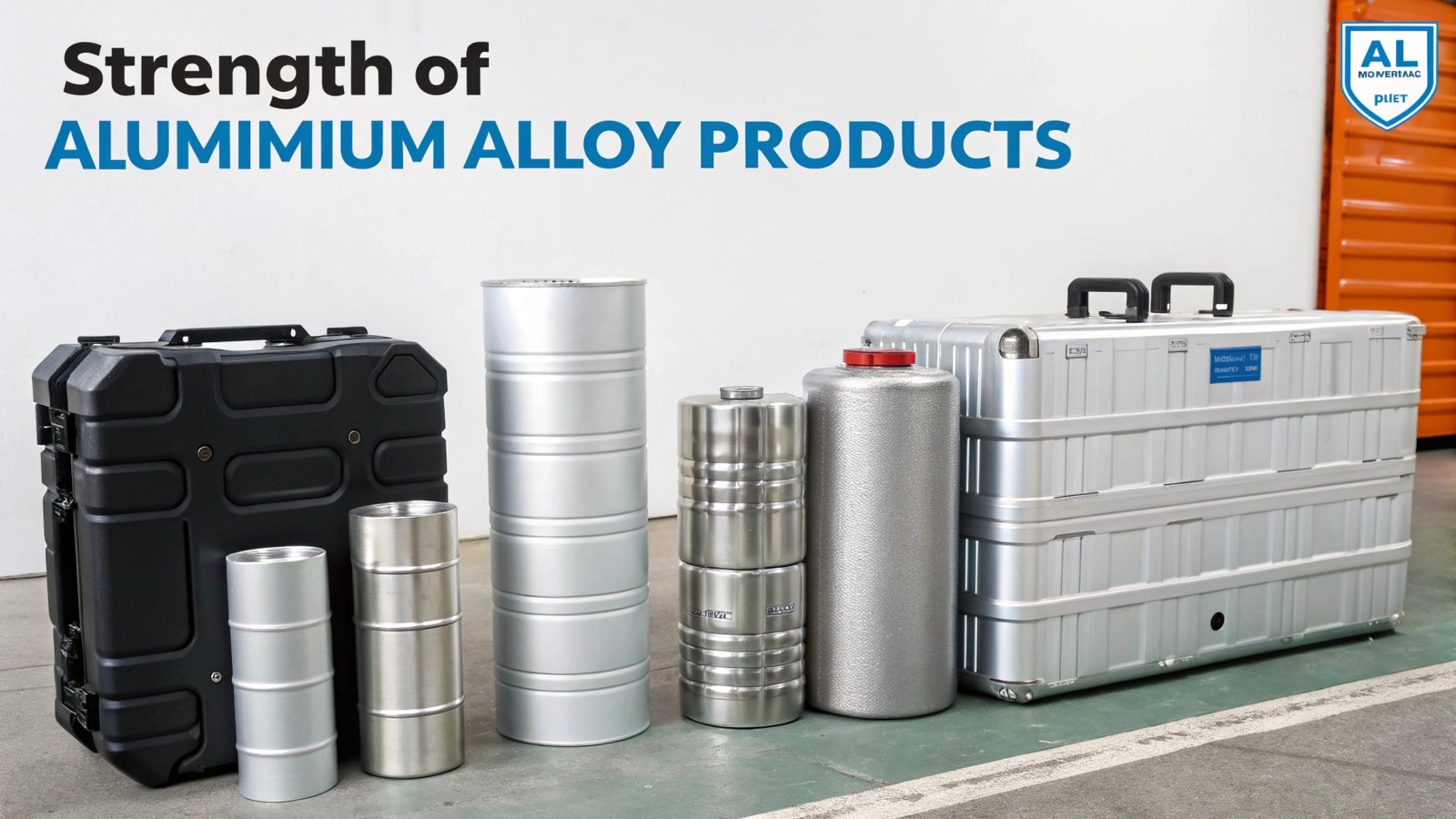
The alloy 7075 is the undisputed king of high-strength aluminum alloys, making it a cornerstone of the aerospace industry. Its incredible strength comes from its primary alloying element, zinc. But having the right chemistry is just the first step. To be used in an aircraft, it must earn its "grade." This involves several non-negotiable steps:
- Specific Tempers: Tempers like T6 offer maximum strength, while T73 and T7351 are specified to provide excellent strength with superior resistance to stress corrosion cracking, a major concern in aircraft.
- Forging: For critical structural parts, forging is often mandatory. It refines the grain structure, eliminates porosity, and aligns the grain flow for maximum strength and fatigue resistance.
- Rigorous Inspection: The material undergoes extensive non-destructive testing, including ultrasonic inspection, to guarantee it is free from internal defects.
- Full Certification: The material must be accompanied by certificates proving it meets specific aerospace standards (AMS, ASTM, etc.), providing full traceability from the raw metal to the final part.
A piece of commercial 7075 simply does not have this pedigree.
Is 6061 T6 aluminum aircraft grade?
You need a versatile and cost-effective material for a less critical application. You know 6061-T6 is common, but can you confidently call it "aircraft grade" for your client?
Yes, 6061-T6 is widely used as an aircraft grade alloy, especially for secondary structural components. Its excellent corrosion resistance2, weldability, and good strength make it a versatile workhorse in aerospace manufacturing.
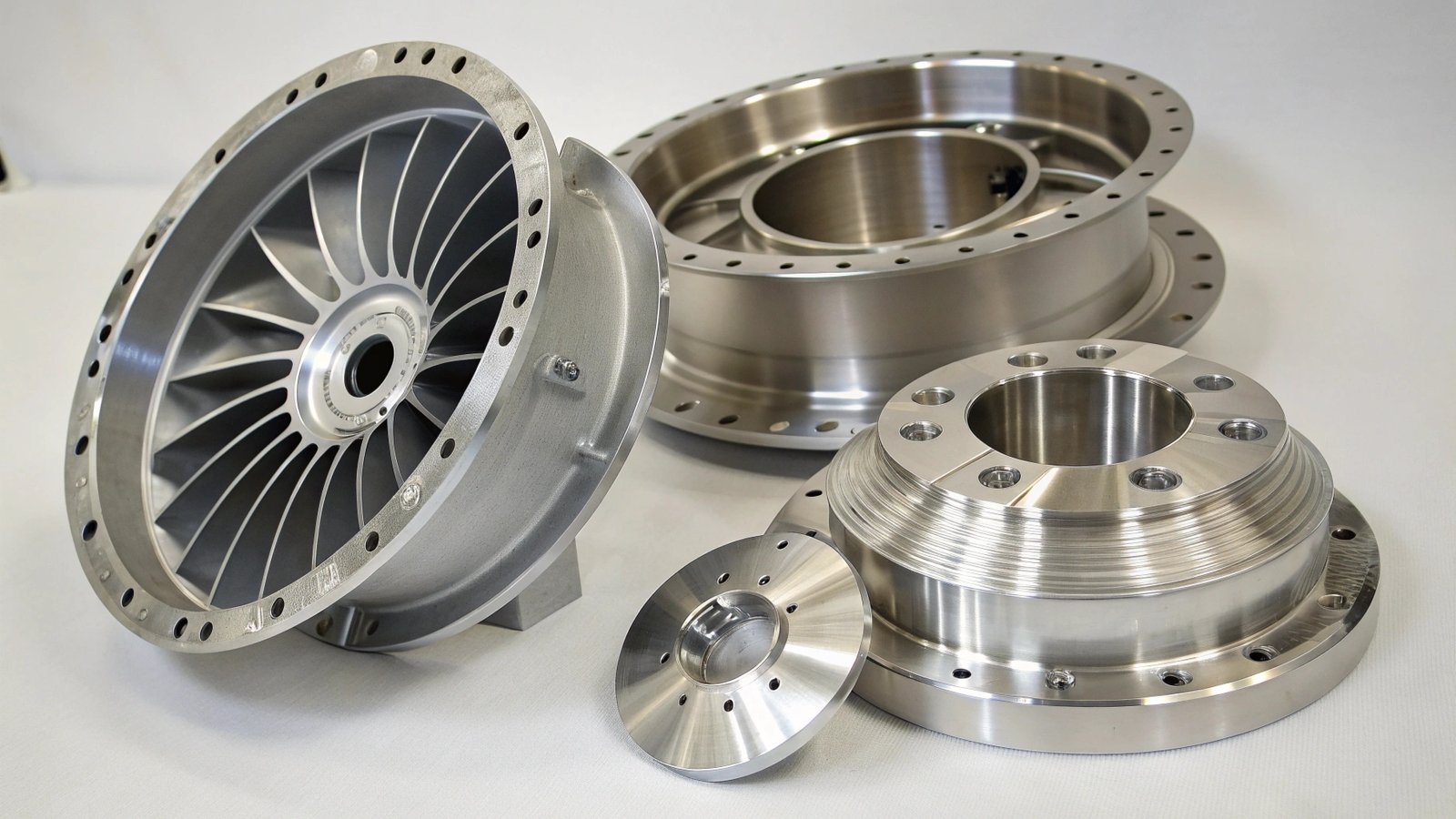
While 7075 takes the spotlight for high-stress applications like wing spars, 6061-T6 is the unsung hero of aircraft construction. You will find it everywhere, from fuselage and wing structures to aircraft fittings and landing-mat sections. Its appeal lies in its balanced properties. It might not have the raw strength of 7075, but its combination of formability, weldability, and excellent corrosion resistance is unbeatable for many applications. Just like 7075, it must be certified to aerospace standards (like AMS 4027) to be officially considered aircraft grade. The forging process enhances its properties significantly, improving its fatigue life and ensuring the uniform strength needed for reliable performance, even in parts that are not the most critically stressed. For our machining clients, providing forged and certified 6061-T6 rings and discs gives them a reliable, high-quality material for a wide range of aerospace parts.
Is 5052 or 6061 aluminum stronger?
You are choosing between 5052 and 6061 for a part that needs good formability but also some structural strength. Making the wrong choice could lead to a part that is too weak or unnecessarily over-engineered.
6061-T6 aluminum is significantly stronger than any temper of 5052 aluminum3. 6061 is a heat-treatable alloy4, while 5052 gets its strength from work-hardening, which results in a lower overall strength ceiling.
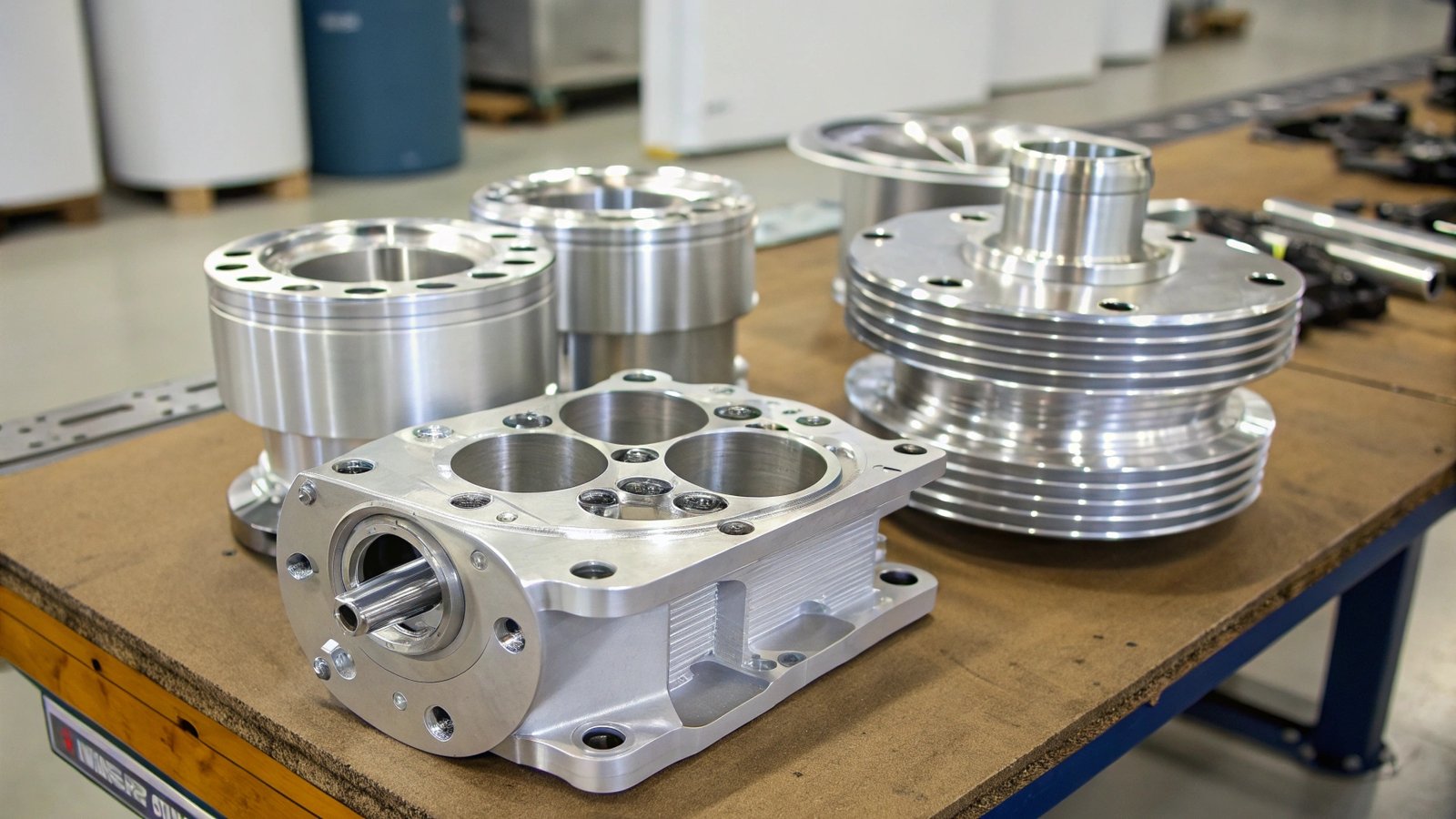
This question comes down to how the alloys get their strength. It is a fundamental difference in metallurgy that every designer and trader should understand.
| Alloy & Temper | Strength Mechanism | Typical Yield Strength | Key Benefit |
|---|---|---|---|
| 6061-T6 | Heat Treatment | ~276 MPa (40 ksi) | High Strength |
| 5052-H32 | Strain-Hardening | ~193 MPa (28 ksi) | Excellent Formability |
- 6061 (Heat-Treatable): This alloy contains magnesium and silicon. When it is heat-treated to the T6 temper, these elements form microscopic precipitates within the metal's grain structure that lock it in place, making it very strong and rigid.
- 5052 (Non-Heat-Treatable): This alloy's strength comes from strain-hardening (or work-hardening). It is strengthened by being rolled, stretched, or worked while cold. The H32 temper indicates it has been strain-hardened and then stabilized.
So, if strength is your primary requirement, 6061-T6 is the clear winner. If you need exceptional formability for complex bending and the part does not carry a major structural load, 5052 is the superior choice.
Is 5052 aluminum aircraft grade?
You have a project that requires excellent corrosion resistance and formability, like a fluid tank or non-structural fairing. You wonder if 5052 has the credentials to be used in an aircraft.
Yes, 5052 is considered an aircraft grade alloy, but not for primary structures. It is used extensively where formability and high fatigue strength in high-vibration environments are needed, such as for aircraft fuel and oil lines.
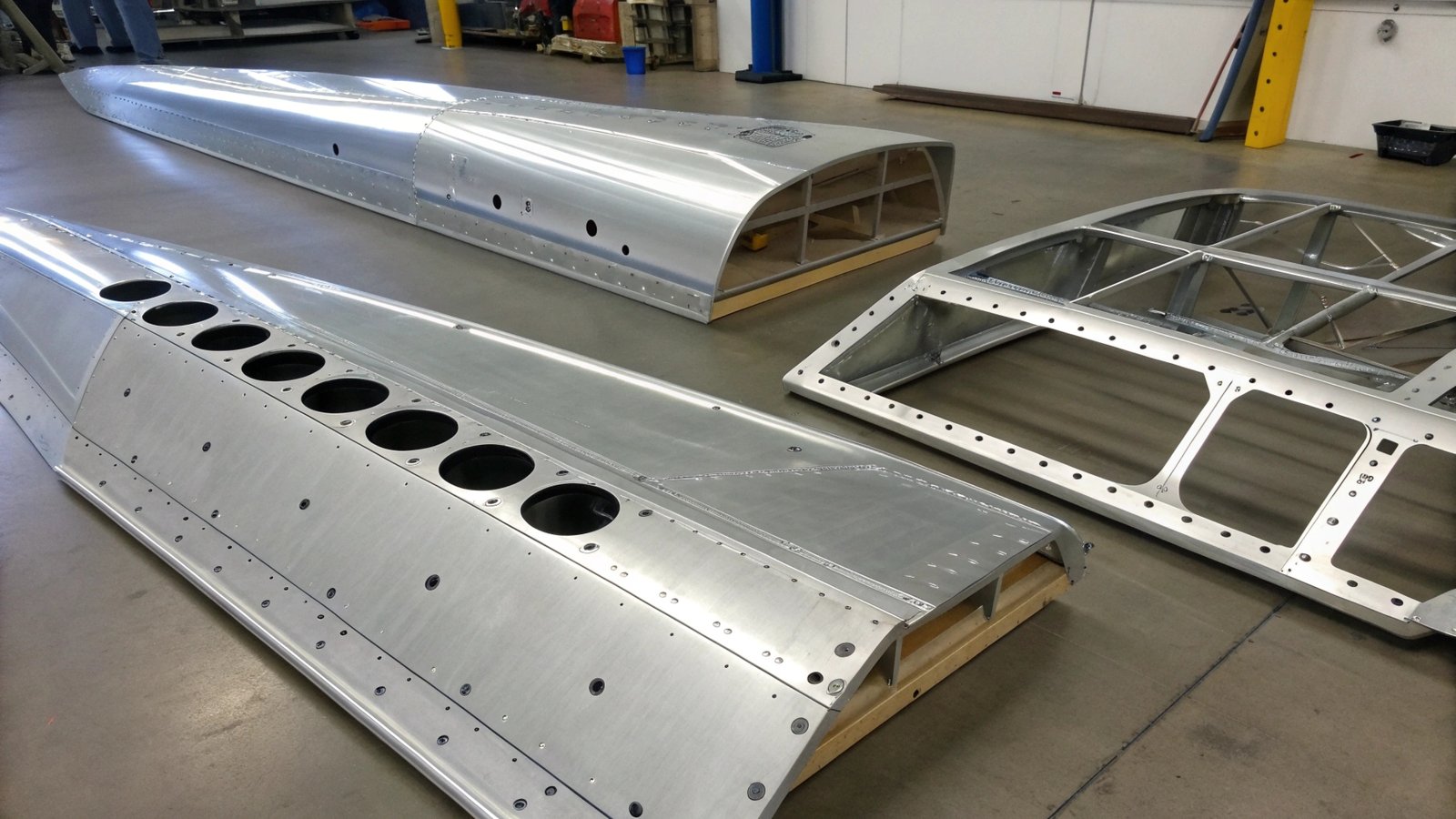
The alloy 5052 carves out its own important niche in the aerospace world. It does not have the strength of 6061 or 7075, so you will not find it holding the wings on. Instead, its value lies in a different set of properties. Its primary alloying element is magnesium, which gives it excellent resistance to saltwater corrosion and a high fatigue limit. This makes it perfect for parts that are subject to constant vibration. You will often find it used for:
- Fuel, hydraulic, and oil tanks and lines
- Non-structural interior paneling
- Sheet metal enclosures for electronics
- Cowlings and fairings that require complex shapes
Even for these applications, it must be produced to a specific standard (like AMS 4016 for the H32 temper) to be considered aircraft grade. It is another great example of how "aircraft grade" is about matching the right certified material to the right application. It is not always about picking the strongest alloy, but the most suitable one.
Conclusion
"Aircraft grade" is not a label; it is a guarantee. It is the result of combining the right alloy with flawless forging and proving its performance with rigorous, traceable certification.
Discover how forging improves material properties, ensuring safety and reliability in aerospace components. ↩
Explore the importance of corrosion resistance in ensuring the durability of aerospace components. ↩
Learn about 5052 aluminum's unique properties and its applications in the aerospace industry. ↩
Understanding heat-treatable alloys is essential for selecting the right materials for strength-critical applications. ↩