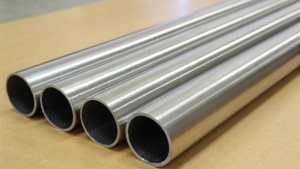

High-pressure hydraulic systems demand the utmost safety and performance. Using standard aluminum tubing can lead to critical failures.1 Is there a better alternative?
Aluminum tubing is often used in hydraulic systems, but not all tubing meets the necessary specifications. Understanding the ASTM standards for aluminum pipe can help ensure safety and efficiency.
Standard aluminum tubing introduces a seam, which is the single greatest point of failure under pressure. This search for safety often leads to a critical misstep. For absolute system integrity, components must be machined from a solid forged ring. This method ensures a seamless, homogenous grain structure that eliminates the inherent risk of tubing. Let's explore the specifications and best practices for aluminum in hydraulic systems.
What is the ASTM standard for aluminum pipe?
The ASTM standard for aluminum pipe is critical for ensuring quality and performance. These standards provide guidelines for the materials, dimensions, and testing methods for aluminum pipes.
The American Society for Testing and Materials (ASTM) has specific standards such as ASTM B221 for aluminum extrusions and ASTM B429 for aluminum pipe2. These standards focus on the mechanical properties and tolerances necessary for safe usage in hydraulic applications.
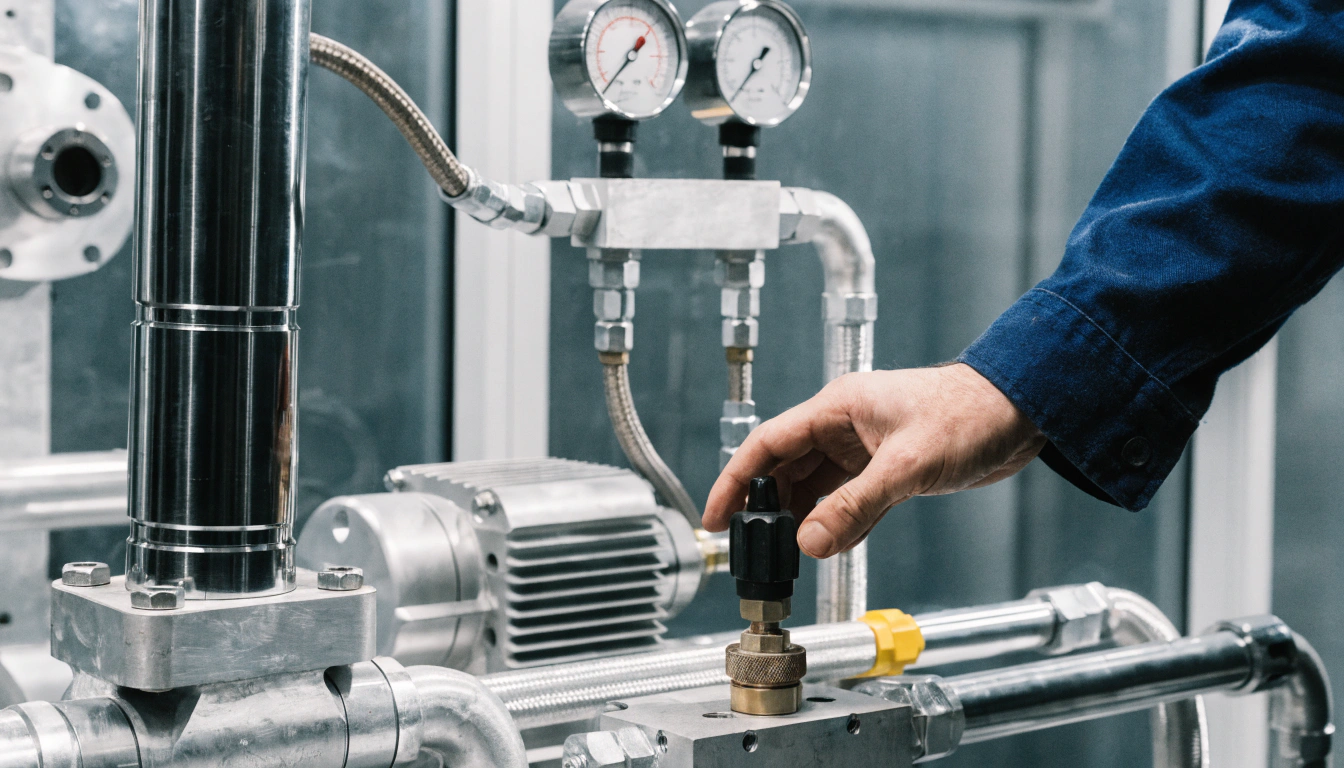
Understanding the ASTM standards helps us to navigate the complexities of aluminum pipes. This knowledge is essential for those who want to use aluminum in hydraulic systems effectively. The right standards ensure that the aluminum has the required strength and quality for high-pressure applications.
Dive Deeper into ASTM Standards
The ASTM standards cover various aspects of aluminum pipe. They specify the composition, mechanical properties, and tolerances that aluminum pipe must meet. For instance, ASTM B221 outlines the dimensions and properties necessary for extruded aluminum products. It ensures that the aluminum is strong, durable, and suitable for high-pressure applications.
In contrast, ASTM B429 focuses on the pipe's performance characteristics, including yield strength and elongation. This standard helps users ensure that the aluminum pipe can withstand the pressures of hydraulic systems. Here’s a basic comparison of the two standards:
| ASTM Standard | Description | Key Properties |
|---|---|---|
| ASTM B221 | Aluminum extrusions | Dimensions, strength, and ductility |
| ASTM B429 | Aluminum pipe | Yield strength, elongation, and performance |
In hydraulic systems, choosing an aluminum pipe that meets the ASTM standards is crucial. It not only guarantees safety but also enhances the overall performance of the hydraulic system.
What are the 7 rules of hydraulics?
The seven rules of hydraulics are essential principles that help ensure the effective functioning of hydraulic systems.
These rules include: maintaining fluid cleanliness, monitoring fluid temperature, ensuring proper seal selection, preventing leaks, maintaining proper fluid levels, using appropriate hose lengths and diameters, and ensuring compatibility of materials.
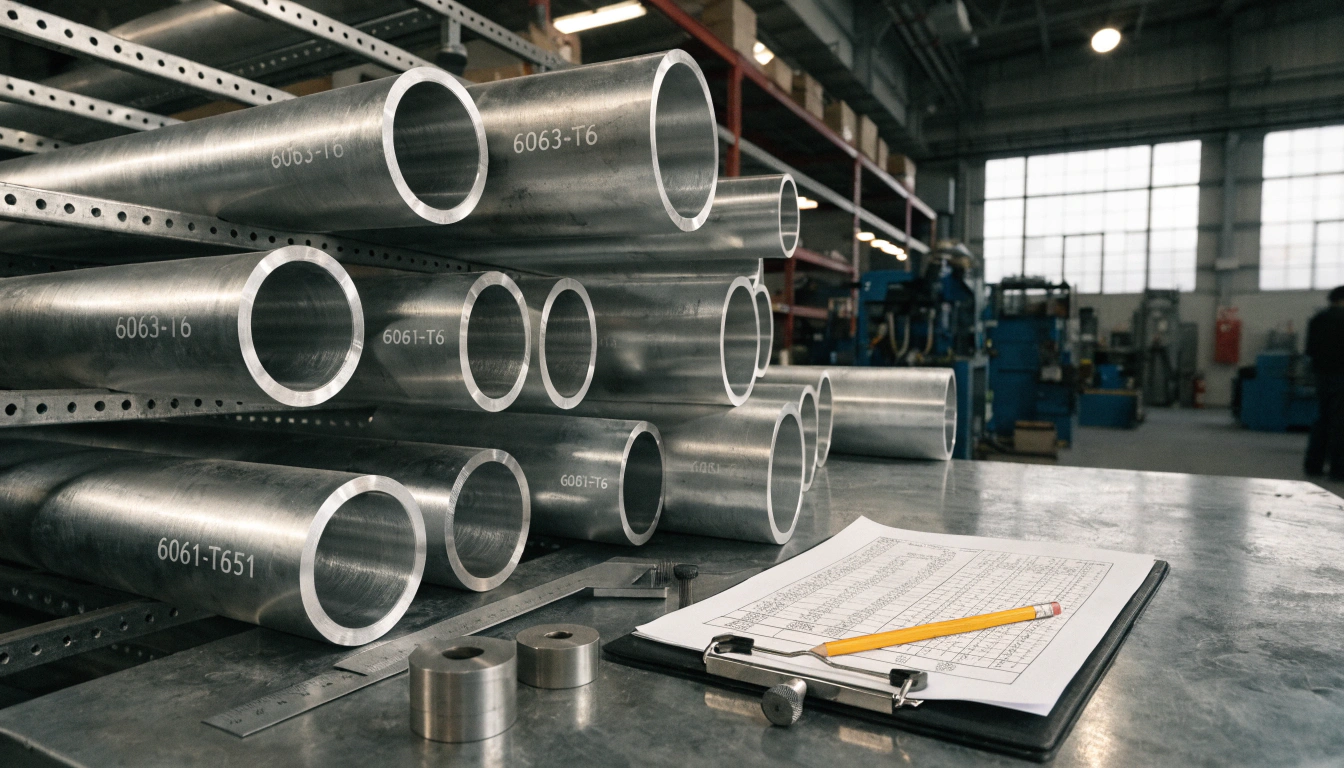
These rules are vital for anyone working with hydraulic systems. By following these guidelines, you can prevent many common issues that arise in hydraulic applications. Neglecting these rules can lead to inefficient operation or even catastrophic failures.
Dive Deeper into the 7 Rules of Hydraulics
Let’s break down these rules further.
- Fluid Cleanliness: Contaminated fluid can damage components and lead to failures. Regular filtration and monitoring are essential.
- Fluid Temperature: Fluids that are too hot or too cold can affect performance. It’s crucial to maintain optimal temperature levels.
- Proper Seal Selection: Seals must be compatible with the fluid and pressure to prevent leaks. The right materials must be chosen based on system requirements.
- Leak Prevention: Regular maintenance checks can help identify leaks early. This can save costs and prevent larger issues down the line.
- Fluid Levels: Keeping proper fluid levels enhances performance. Low levels can lead to pump damage and system failures.
- Hose Length and Diameter: Using the correct hose size minimizes pressure losses and improves efficiency.
- Material Compatibility: Ensure that all components are compatible with the fluid used in the system. This avoids chemical reactions that could lead to failures.
Following these seven rules ensures that your hydraulic system operates smoothly and safely. Ignoring them can lead to inefficiencies and dangerous situations that can be avoided with proper attention.
What type of pipe is used for hydraulics?
In hydraulic systems, the type of pipe used is critical for performance and safety.
Typically, seamless pipes are preferred over welded pipes because they offer better strength and integrity under pressure. While aluminum tubing is common, it may not always meet the necessary performance standards for high-pressure applications.
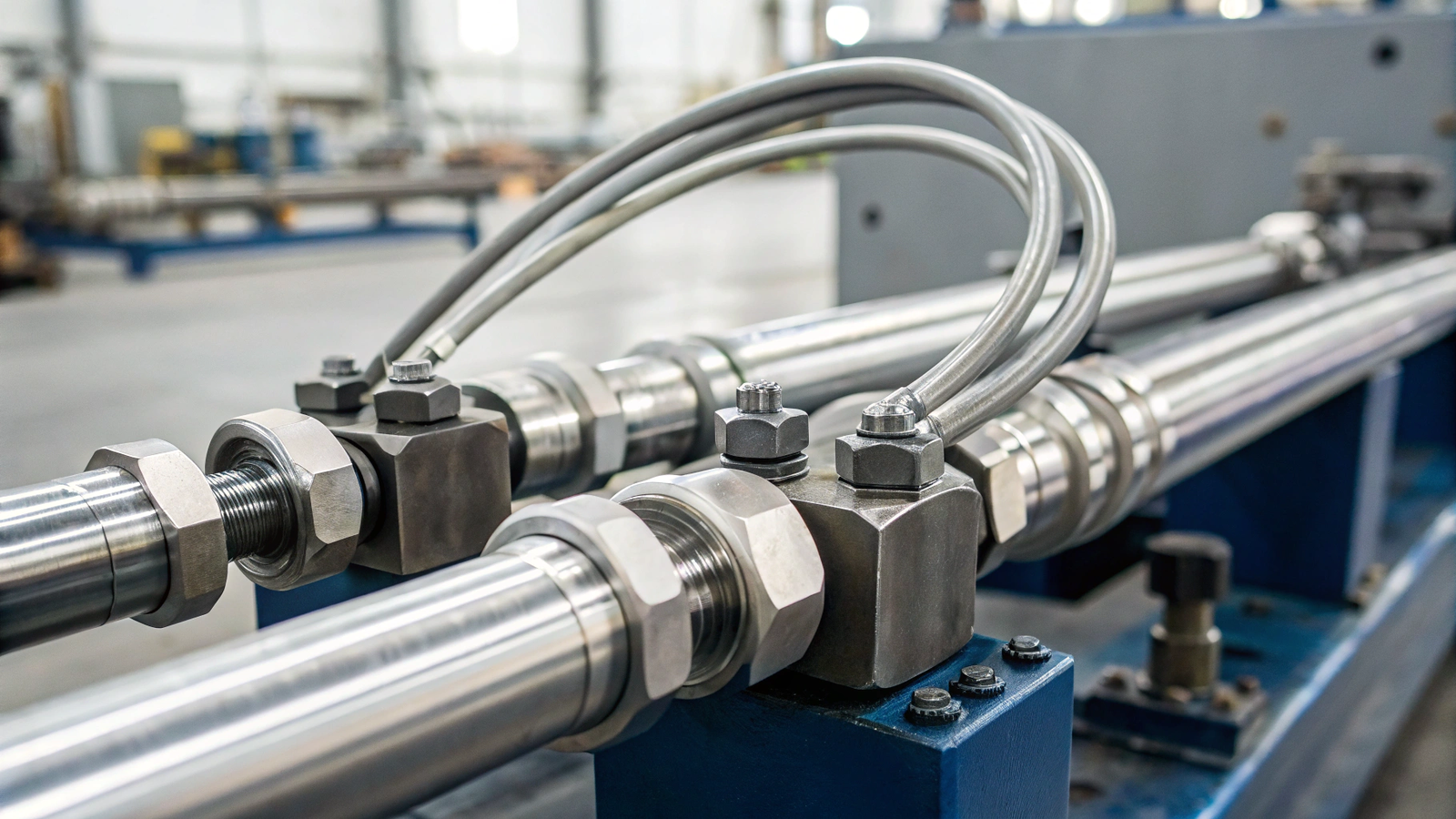
Seamless pipes are manufactured from a solid piece of aluminum. This method eliminates weak points often found in welded pipes, which can fail under pressure. For the best results in hydraulic systems, choose seamless pipes that meet ASTM standards.
Dive Deeper into Hydraulic Pipe Types
When selecting the type of pipe for hydraulic systems, it’s essential to consider the specific application and the pressures involved.
- Seamless Pipes: These are generally preferred for high-pressure hydraulic systems. They provide better strength and eliminate seams that can be prone to failure.
- Welded Pipes: These may be suitable for lower-pressure applications. However, they can be less reliable under higher pressures due to potential weaknesses in the weld.
- Aluminum Tubing: Commonly used for lighter applications, it may not provide the required integrity for high-pressure systems. The seams in aluminum tubing can become points of failure.
Here’s a simple comparison of these options:
| Pipe Type | Advantages | Disadvantages |
|---|---|---|
| Seamless | Stronger, no seams | Higher cost |
| Welded | Lower cost | Weaker under high pressure |
| Aluminum Tubing | Lightweight, easy to work with | Risk of seam failure under pressure |
For high-pressure hydraulic applications, seamless pipes are the best choice. They assure the integrity and safety of the system.
What are the properties of aluminum tubing?
Aluminum tubing has specific properties that make it suitable for various applications.
These properties include lightweight, high strength-to-weight ratio, corrosion resistance, and good thermal conductivity3. These characteristics make aluminum a popular choice in many industries, including hydraulics.
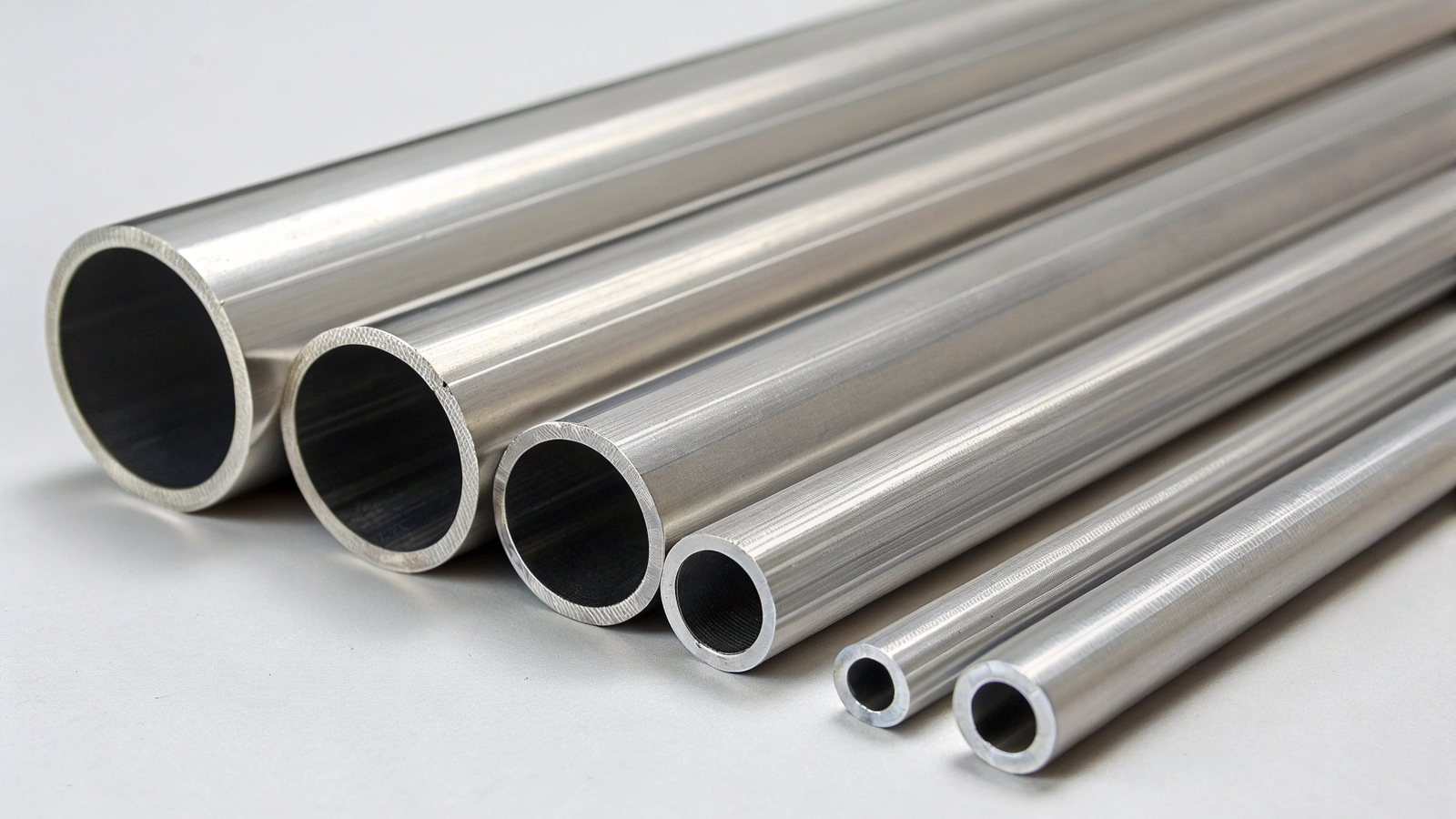
However, while these properties are beneficial, they must be considered within the context of hydraulic systems. The presence of seams in standard aluminum tubing can introduce risks that should not be ignored.
Dive Deeper into Aluminum Tubing Properties
Understanding the properties of aluminum tubing is essential for anyone working in hydraulics.
- Lightweight: Aluminum is lighter than steel, which reduces overall weight in hydraulic systems.
- Strength-to-Weight Ratio: Despite being lightweight, aluminum offers a high strength-to-weight ratio, making it durable enough for many applications.
- Corrosion Resistance: Aluminum naturally forms a protective oxide layer, preventing corrosion in harsh environments. This property is critical for outdoor applications.
- Thermal Conductivity: Aluminum’s ability to conduct heat makes it useful in systems where heat dissipation is necessary.
However, it’s important to remember the risks associated with aluminum tubing. The seams can become points of failure under pressure.
| Property | Benefits | Risks |
|---|---|---|
| Lightweight | Reduces system weight | May not withstand high pressure |
| High Strength | Durable for various applications | Seams can fail under pressure |
| Corrosion Resistant | Suitable for harsh environments | Risk of seam failure |
| Good Thermal Conductivity | Helps in heat dissipation | Not as robust as seamless options |
To ensure safety and performance in hydraulic systems, the best practice is to use seamless components machined from solid forged rings. This eliminates the risks associated with seams and enhances system integrity.
Conclusion
Understanding aluminum tubing specifications and best practices is critical for hydraulic system safety and performance. Choosing the right materials can prevent failures and improve system efficiency.
"OSHA Hazard Information Bulletins Hydraulic Systems ...", http://www.osha.gov/publications/hib19910711. A neutral engineering or safety source should document that hydraulic line failures can result from inappropriate material selection, pressure rating, defects, or fatigue in tubing used under pressure; this would support the general risk statement without proving that all standard aluminum tubing fails. Evidence role: general_support; source type: government. Supports: Using standard aluminum tubing can lead to critical failures in hydraulic systems.. Scope note: Contextual support only; the source may identify tubing/material selection as one failure factor rather than directly evaluating every form of standard aluminum tubing. ↩
"B429/B429M Standard Specification for Aluminum-Alloy ...", https://store.astm.org/b0429_b0429m-20.html. ASTM’s standard descriptions identify ASTM B221/B221M as covering aluminum and aluminum-alloy extruded bars, rods, wire, profiles, and tubes, and ASTM B429/B429M as covering aluminum-alloy extruded structural pipe and tube; this supports the identification of the relevant standards, subject to the scope stated in each standard. Evidence role: definition; source type: institution. Supports: ASTM B221 and ASTM B429 are relevant ASTM standards for certain aluminum extrusions, pipe, and tube products.. Scope note: ASTM scope descriptions establish coverage, not suitability for a specific hydraulic pressure design. ↩
"Aluminium alloy", https://en.wikipedia.org/wiki/Aluminium_alloy. Materials references for aluminum describe its low density, favorable strength-to-weight ratio in many alloys, naturally protective oxide film, and relatively high thermal conductivity; this supports the listed general properties of aluminum tubing, though specific values depend on alloy and temper. Evidence role: definition; source type: encyclopedia. Supports: Aluminum tubing can be lightweight, corrosion resistant, thermally conductive, and have a high strength-to-weight ratio depending on alloy and temper.. Scope note: General material-property support; the properties vary substantially by aluminum alloy, heat treatment, and tube geometry. ↩