
The process of finishing aluminum can be daunting for many. Choosing the right treatment is essential for durability and aesthetics. Let's explore some clear options.
Aluminum finishes play a vital role in enhancing the material's resistance to corrosion and wear. Anodizing is a popular choice, but there are other options to consider as well.
When we think about aluminum finishes, it's important to consider that the choice of substrate can greatly affect the outcome.1 A forged aluminum part, for instance, has a dense and non-porous surface. This characteristic creates a superior foundation for any finish, ensuring that the application is both flawless and durable. Unlike standard tubing, this quality is essential for achieving long-lasting results.
What are the three main types of metal finishing processes?
The world of metal finishing is vast, but three main processes stand out: plating, coating, and anodizing.
Metal plating involves the application of a thin layer of metal on the surface of the aluminum. This can enhance corrosion resistance and provide a decorative touch. Coating, on the other hand, involves applying a protective layer that can be paint or a polymer. Anodizing is a process that enhances the natural oxide layer on aluminum, increasing its thickness and improving properties.
Understanding these processes is crucial for selecting the right finish for your aluminum parts. Each method offers unique benefits tailored to specific needs.
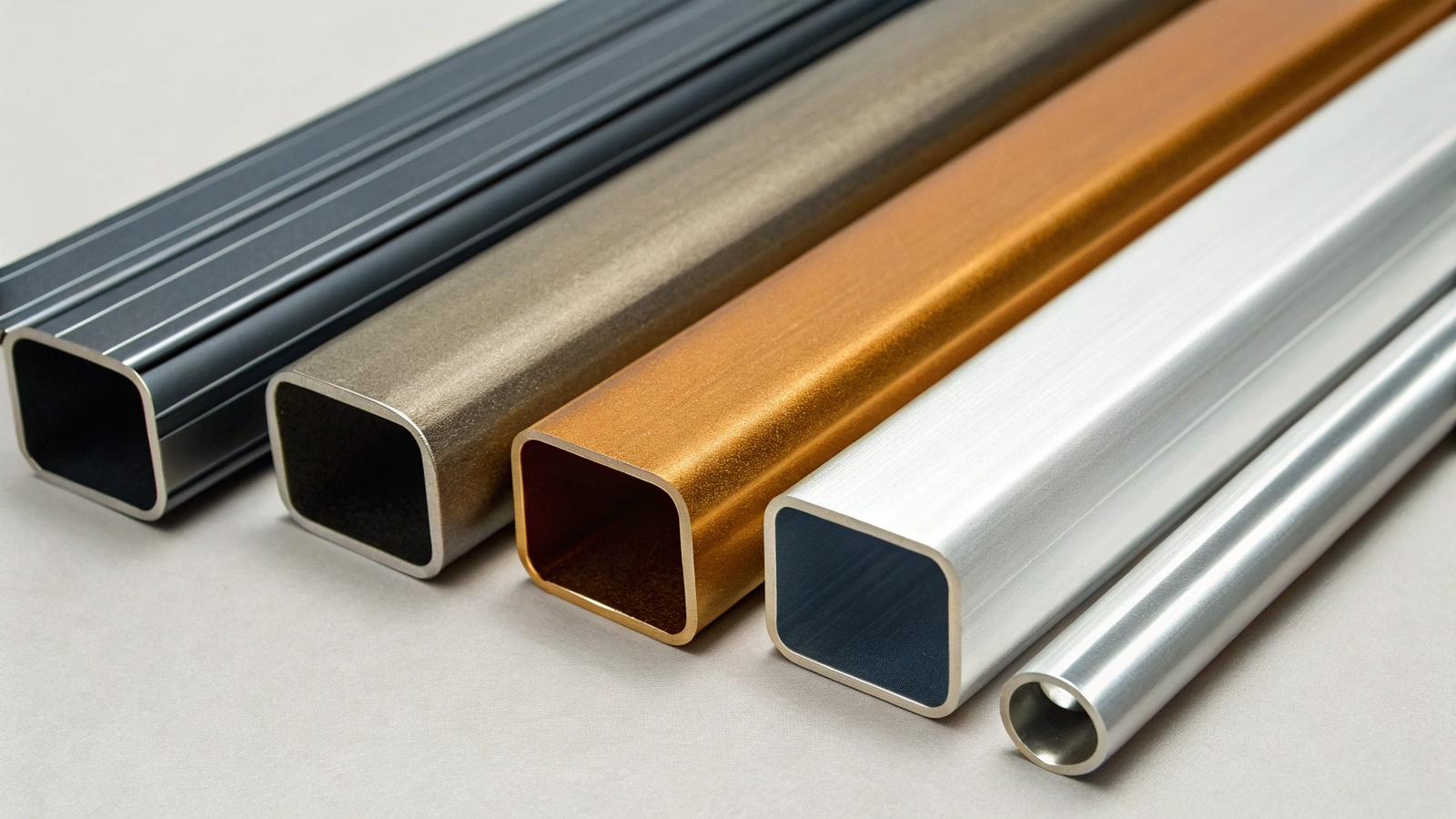
Metal finishing is an essential part of any product lifecycle. It not only improves aesthetics but also enhances the product's durability and overall performance. Choosing the right finish can prevent costly repairs and replacements in the long run. When selecting a finishing method, look at both the long-term performance and maintenance requirements.
What are the treatment options for aluminum corrosion?
Aluminum corrosion can be a significant concern. Fortunately, several treatment options are available. One effective method is anodizing, which thickens the oxide layer on aluminum. This provides a protective barrier against corrosive environments. Another option is applying a powder coat, which involves electrostatically applying a dry powder that is then cured under heat.
Both anodizing and powder coating can significantly enhance aluminum's corrosion resistance, making them popular choices in various industries.
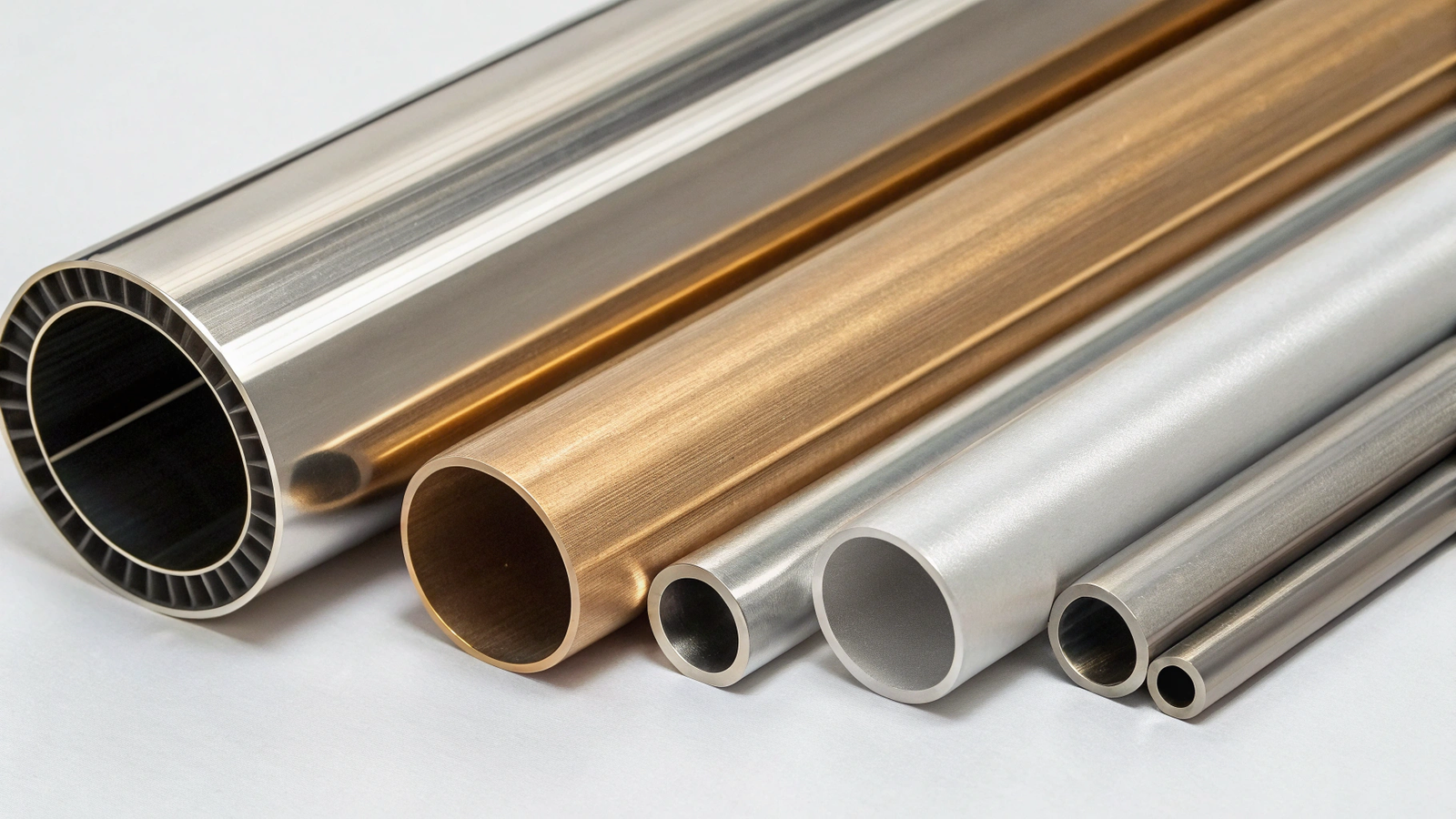
Understanding the environment where your aluminum will be used is vital.2 Factors like humidity, exposure to chemicals, and temperature variations must be considered. This can help narrow down the best treatment options for your specific application. Remember, treating aluminum for corrosion is an investment in the longevity and reliability of your products.
What are the four protective coatings used on aluminum?
When it comes to aluminum coatings, there are four main types to consider: anodic coatings, organic coatings, hydrophobic coatings, and conversion coatings.
Anodic coatings are formed through an electrochemical process, enhancing corrosion resistance. Organic coatings, such as paints and powders, provide a customizable finish with aesthetic appeal. Hydrophobic coatings repel water, making them effective in environments prone to moisture. Conversion coatings provide an additional layer of protection by converting the surface to a more corrosion-resistant layer.
These coatings can work individually or in conjunction to offer multi-faceted protection for aluminum surfaces.
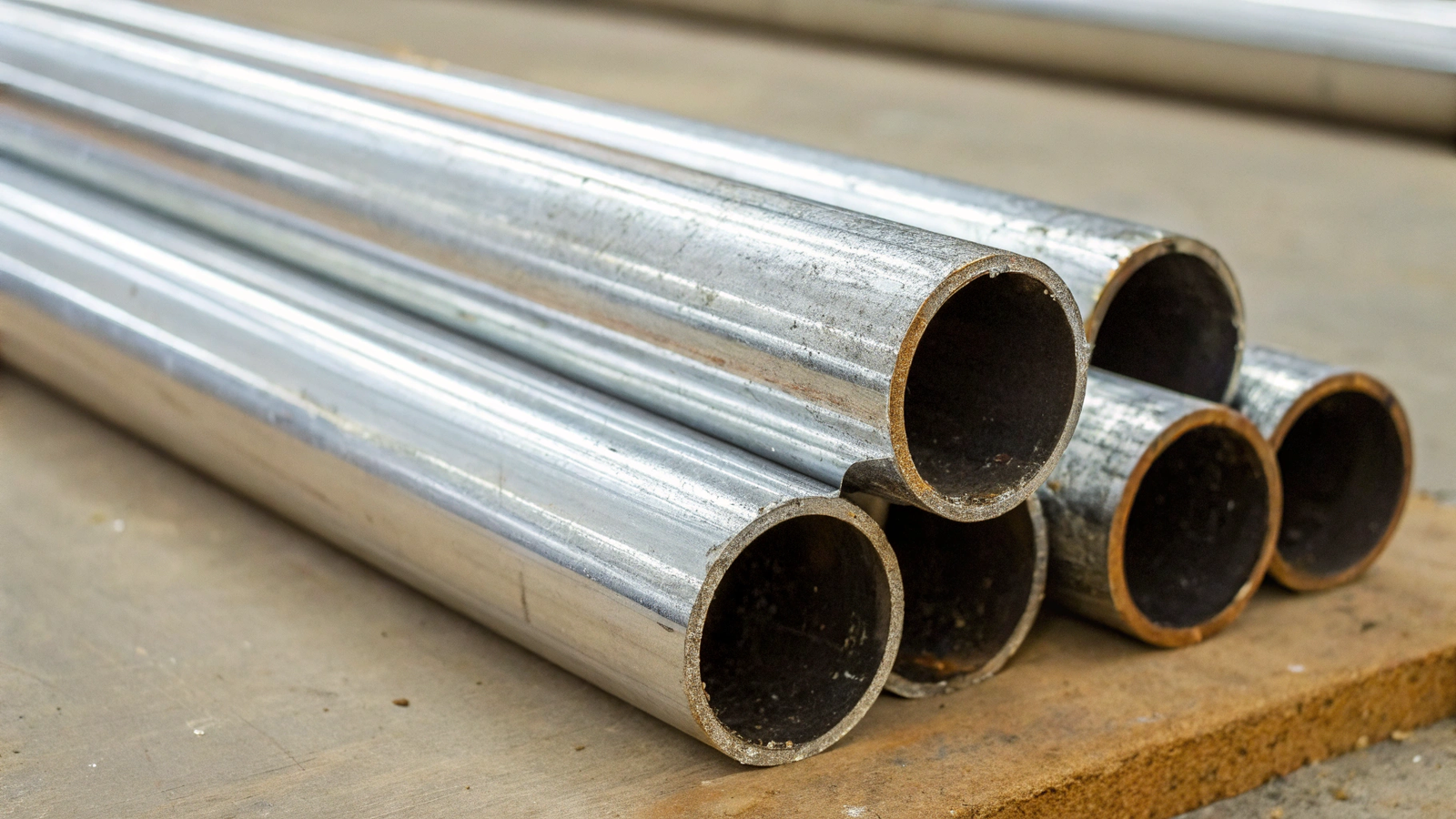
Choosing the right protective coating depends on the intended use of the aluminum component.3 You may need to consider factors like environmental exposure, desired aesthetics, and required performance properties. Understanding these options will guide you in making a decision that enhances both the look and durability of your aluminum products.
Conclusion
Selecting the right aluminum finish is crucial for durability and aesthetics, ensuring long-lasting performance in various applications.
"Innovative, Hybrid Functional Coatings for Aluminum and ...", https://www.pfonline.com/articles/innovative-hybrid-functional-coatings-for-aluminum-and-titanium-substrates. Studies show that the substrate material significantly influences the adhesion and performance of various finishing processes on aluminum. Evidence role: mechanism; source type: paper. Supports: the choice of substrate can greatly affect the outcome.. Scope note: The findings may vary based on specific substrate types and finishing methods used. ↩
"Aluminum environmental pollution: the silent killer - PMC - NIH", https://pmc.ncbi.nlm.nih.gov/articles/PMC8364537/. Environmental factors such as humidity and chemical exposure are critical in determining the appropriate treatment for aluminum to prevent corrosion. Evidence role: expert_consensus; source type: research. Supports: Understanding the environment where your aluminum will be used is vital.. Scope note: The consensus may not cover all specific environmental scenarios or aluminum applications. ↩
"Study on the improvement of aluminum alloy coating ...", https://www.sciencedirect.com/science/article/abs/pii/S0301679X25010515. Research indicates that the selection of protective coatings for aluminum should be based on the specific application and environmental conditions to ensure optimal performance. Evidence role: expert_consensus; source type: research. Supports: Choosing the right protective coating depends on the intended use of the aluminum component.. Scope note: The findings may not apply universally to all types of aluminum components or coatings. ↩