
The world of metalworking can be complex, but understanding rolled forging can unlock new possibilities for you.
Rolled forging is a manufacturing process that shapes metal using a series of rolls instead of traditional hammering. This results in precise dimensions and stronger materials.
At first glance, rolled forging might seem similar to other methods of shaping metal. However, the benefits it brings are significant. With its unique approach, it allows for high production rates and consistent quality, which can lead to reduced waste. This is especially important for industries that require precision and strength in their components.
What is roll forging?
Roll forging is a specific type of forging that involves passing a heated metal bar through a series of rolls to achieve its desired shape. The process compresses the material, elongating it while reducing its cross-section. This method is known for producing parts with improved mechanical properties and structural integrity.
Roll forging creates a continuous grain flow in the metal, enhancing its strength and fatigue resistance compared to other methods.
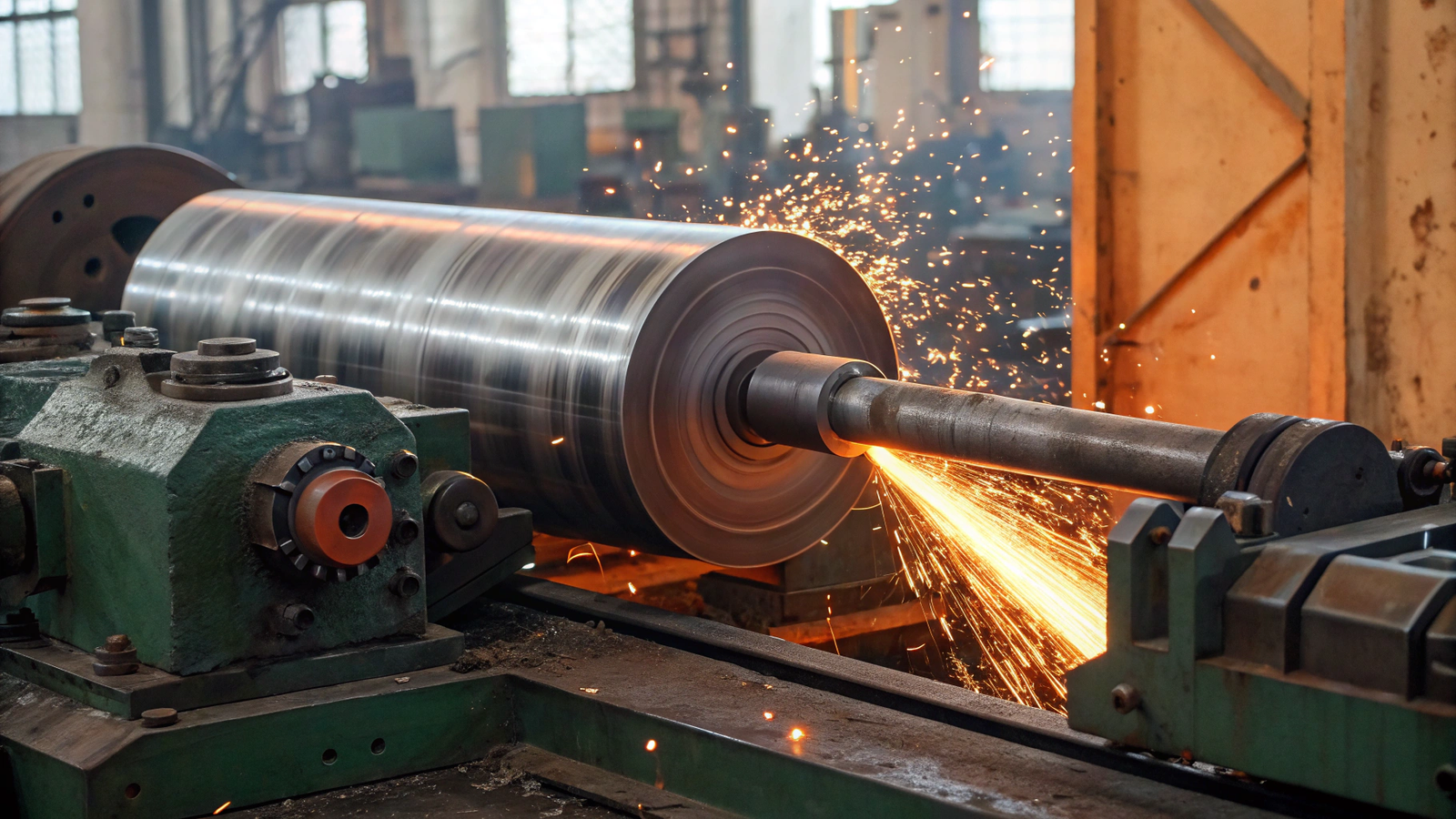
Roll forging is often used for producing long, linear components such as shafts, bars, and rings. It is particularly valuable when manufacturing parts that require uniformity and strength. The process is efficient and can be adapted to different shapes and sizes, making it a versatile option for many industries.
Diving deeper, roll forging can be broken down into two main categories: traditional roll forging and ring rolling. While traditional roll forging focuses on elongating metal into shapes like bars, ring rolling is specialized for creating seamless, large-diameter rings. This is where my experience at SWA Forging shines.
What are the three types of forging?
Forging can be categorized into three main types: open-die forging, closed-die forging, and roll forging1. Each type has its own unique characteristics and applications.
-
Open-die Forging: In this method, the metal is shaped between two flat dies. It allows for large changes in the metal's shape and is often used for large parts when precise dimensions are less critical.
-
Closed-die Forging: This method uses two dies that form a cavity in which the metal is shaped. It offers high accuracy and is used for components with complex shapes.
-
Roll Forging: As previously discussed, this method uses rolls to shape the metal. It is efficient and is ideal for producing long components with consistent properties.
Understanding these types helps in selecting the right forging method for your specific needs. Roll forging stands out for its efficiency and ability to produce parts with superior mechanical properties.
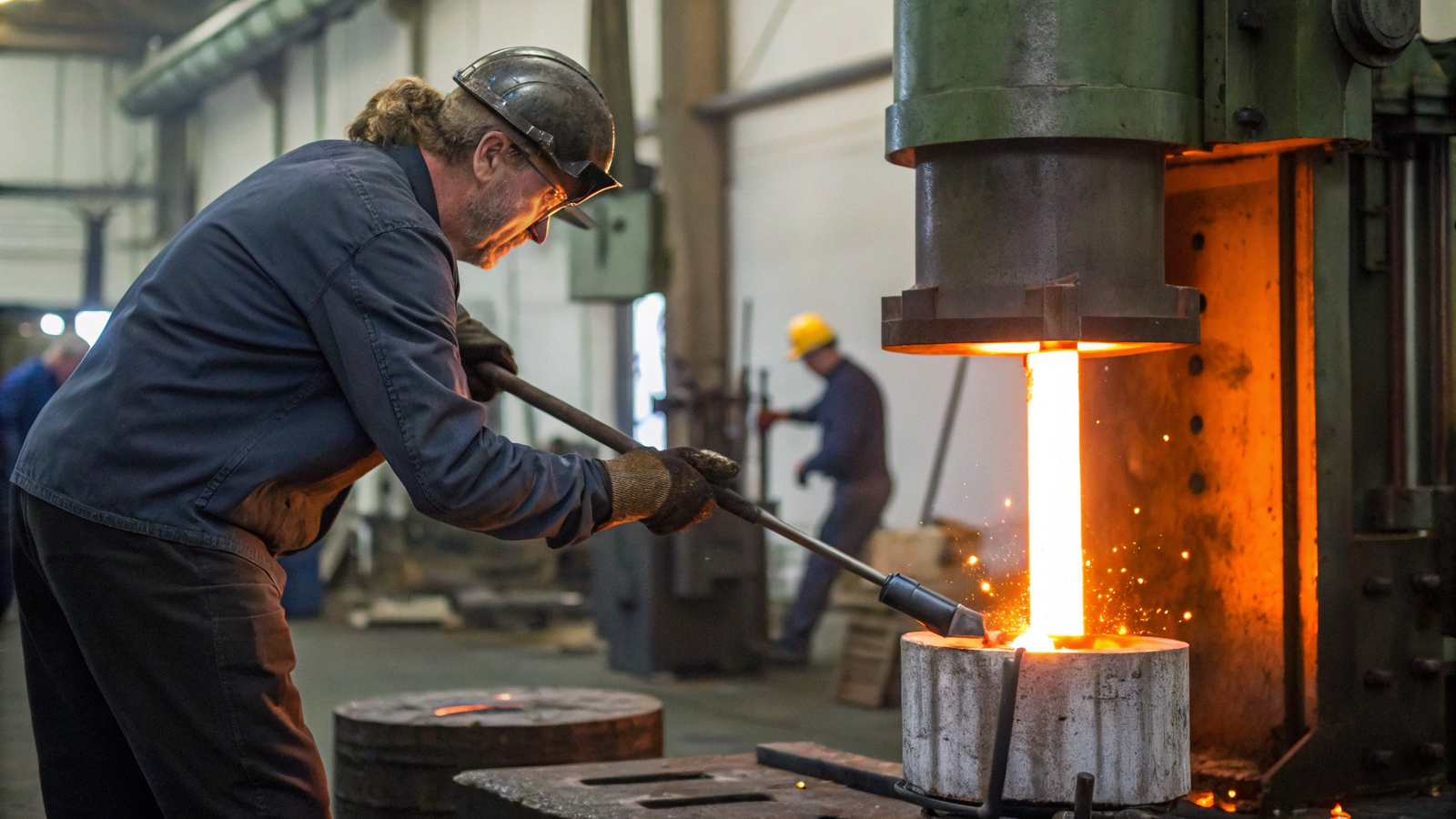
When choosing a forging method, consider factors like the complexity of the shape, production volume, and material properties. Each method has its advantages, and the choice often depends on the specific requirements of the project.
What is the difference between rolled and forged steel?
The terms "rolled" and "forged" steel often create confusion. While they both involve shaping metal, the processes differ significantly.
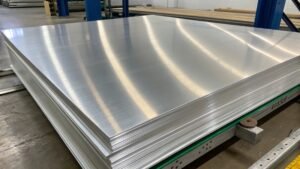
Rolled steel typically refers to metal that has been processed through rollers at high temperatures to produce sheets, plates, or bars. This method creates a uniform thickness, but it does not enhance the metal's grain structure like forging does.
In contrast, forged steel undergoes a process of deformation using compressive forces, which refines the grain structure and improves the material's mechanical properties.
Forged steel generally offers better strength and toughness compared to rolled steel, making it suitable for demanding applications.
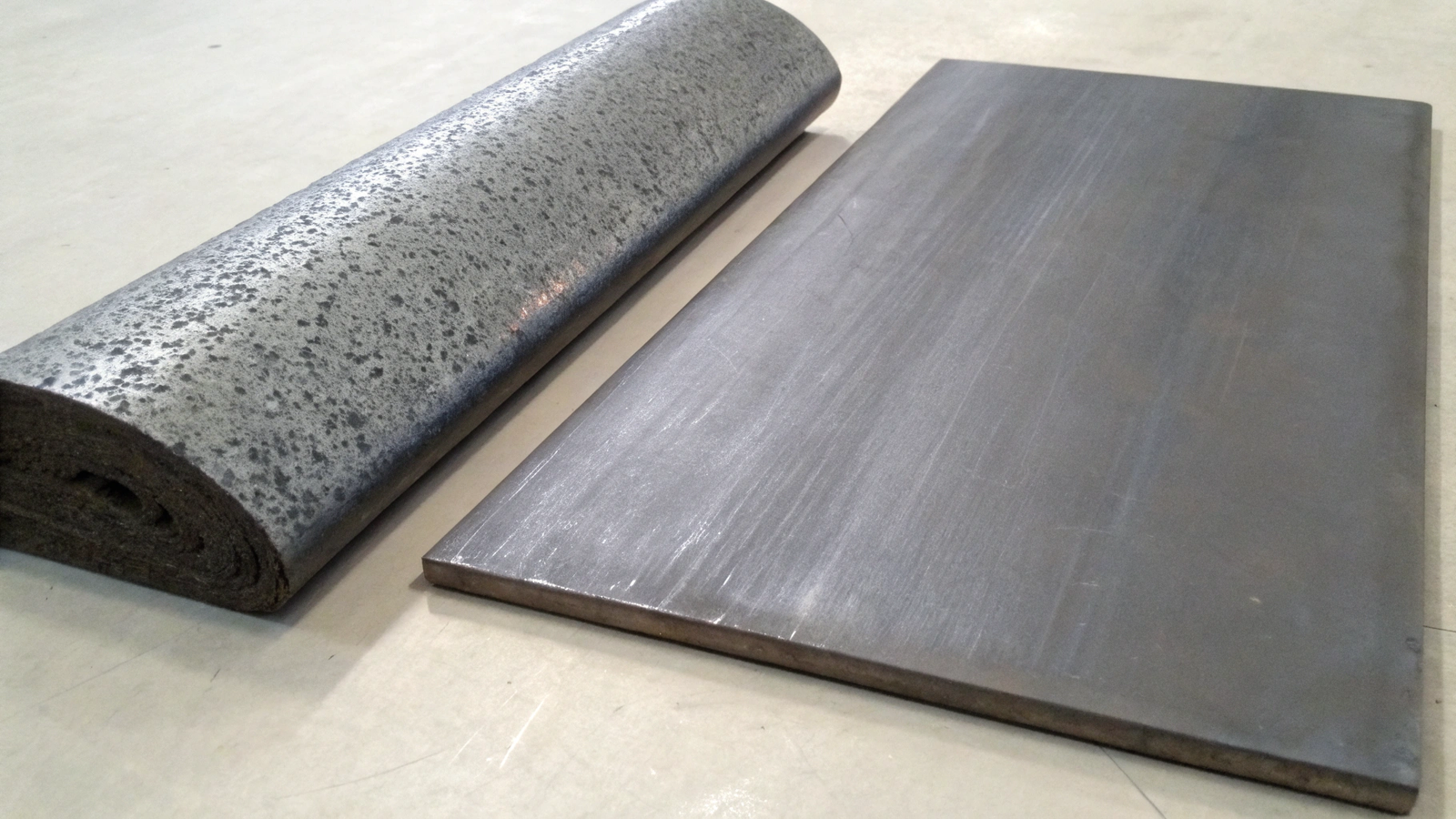
To further illustrate the differences, let's look at a few key aspects:
| Aspect | Rolled Steel | Forged Steel |
|---|---|---|
| Production Method | Processed through rollers | Deformed under compressive forces |
| Grain Structure | Uniform and less refined | Fine, directional grain flow |
| Strength | Generally lower | Higher strength and toughness |
| Use Cases | Structural applications | High-stress components |
When deciding between rolled and forged steel, consider the application's requirements. For applications demanding high strength and durability, forged steel is often the preferred choice.
What is the difference between roll forging and rotary forging?
Roll forging and rotary forging are two distinct processes with different techniques and outcomes.
Roll forging primarily focuses on shaping metal using rolls to create long, linear components. This process is highly efficient and can produce parts in high volumes with consistent quality.
Rotary forging, on the other hand, involves rotating the workpiece while it is being forged. This method can create complex shapes and is often used for parts with intricate designs.
While both processes have their merits, roll forging is particularly effective for producing components that require uniform grain flow and high strength, such as our large-diameter rings at SWA Forging.
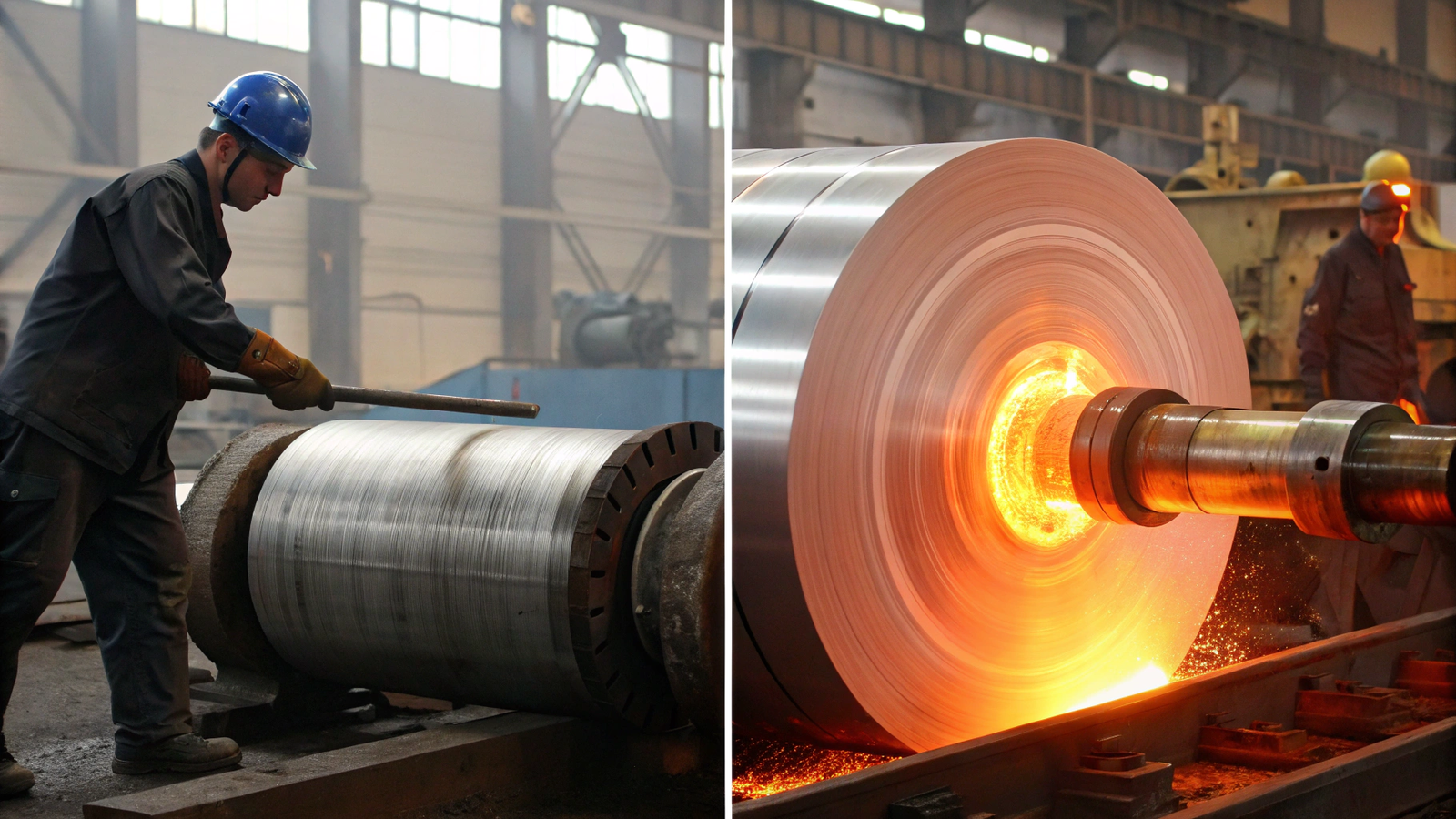
When considering which forging method to use, assess the required shapes, dimensions, and mechanical properties. Roll forging's ability to create seamless grain flow is a game-changer in the manufacturing of large components that require fatigue resistance.
Conclusion
Understanding the differences between various forging methods is crucial for making informed decisions in manufacturing. Each method offers unique benefits tailored to specific needs.
"Hot forging (closed die) | OpenLearn - The Open University", https://www.open.edu/openlearn/science-maths-technology/engineering-technology/manupedia/hot-forging-closed-die. A manufacturing reference describing major forging categories, including open-die, closed-die, and roll forging, would support this simplified taxonomy; other classifications also include impression-die, press, upset, or precision forging. Evidence role: definition; source type: education. Supports: Forging can be categorized into open-die forging, closed-die forging, and roll forging.. Scope note: The three-type classification is simplified and not exhaustive. ↩