
Aluminum tubing is often a choice when it comes to pressure applications, but many people are unsure about its limitations and capabilities. Understanding these factors is crucial for making informed decisions.
Aluminum tubing can be a practical option for certain pressure applications, but its use is limited in plumbing due to corrosion concerns and mechanical properties that may not meet industry standards.
Aluminum tubing has unique properties that make it suitable for specific applications. However, there are significant limitations when it comes to its use in plumbing. Let's explore this topic further to understand why aluminum may not be the best choice in certain scenarios.
Why is aluminum not used in plumbing?
Aluminum has many advantages, but it is not commonly used in plumbing. The primary reason is corrosion. When water and aluminum interact, they can cause detrimental effects. I have seen this firsthand in several projects. If aluminum is exposed to water for long periods, it can corrode, leading to leaks and failures.
Aluminum is often avoided in plumbing applications due to its susceptibility to corrosion when in contact with water, which can lead to leaks and structural failures over time.
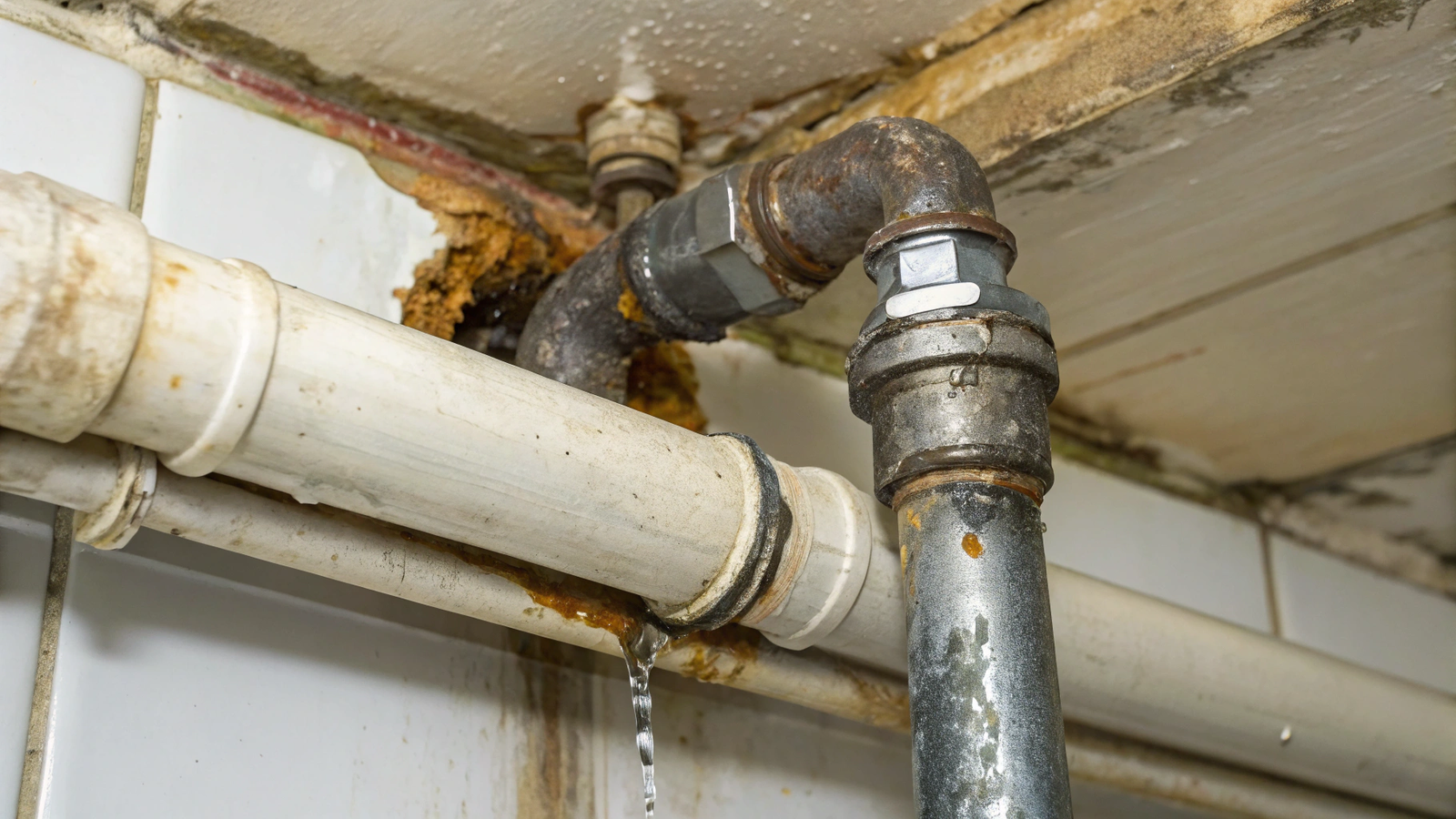
Many plumbing systems require reliable and long-lasting materials. Copper and PVC are widely used because they can withstand water exposure without degrading. The long-term reliability of these materials makes them more favorable.
Aluminum's mechanical properties also come into play. While it is lightweight and strong, it may not provide the necessary pressure ratings for piping systems. Specific plumbing codes demand materials that can handle specific pressures, temperatures, and corrosion conditions1. This makes aluminum’s application in plumbing a challenge.
What is the code for aluminium tube?
When working with aluminum tubing, understanding the relevant codes is essential for compliance and safety. Different applications have specific codes that dictate how tubing should be manufactured and tested.
Aluminum tubing is often governed by ASTM (American Society for Testing and Materials) standards, which help ensure its quality and reliability across applications.
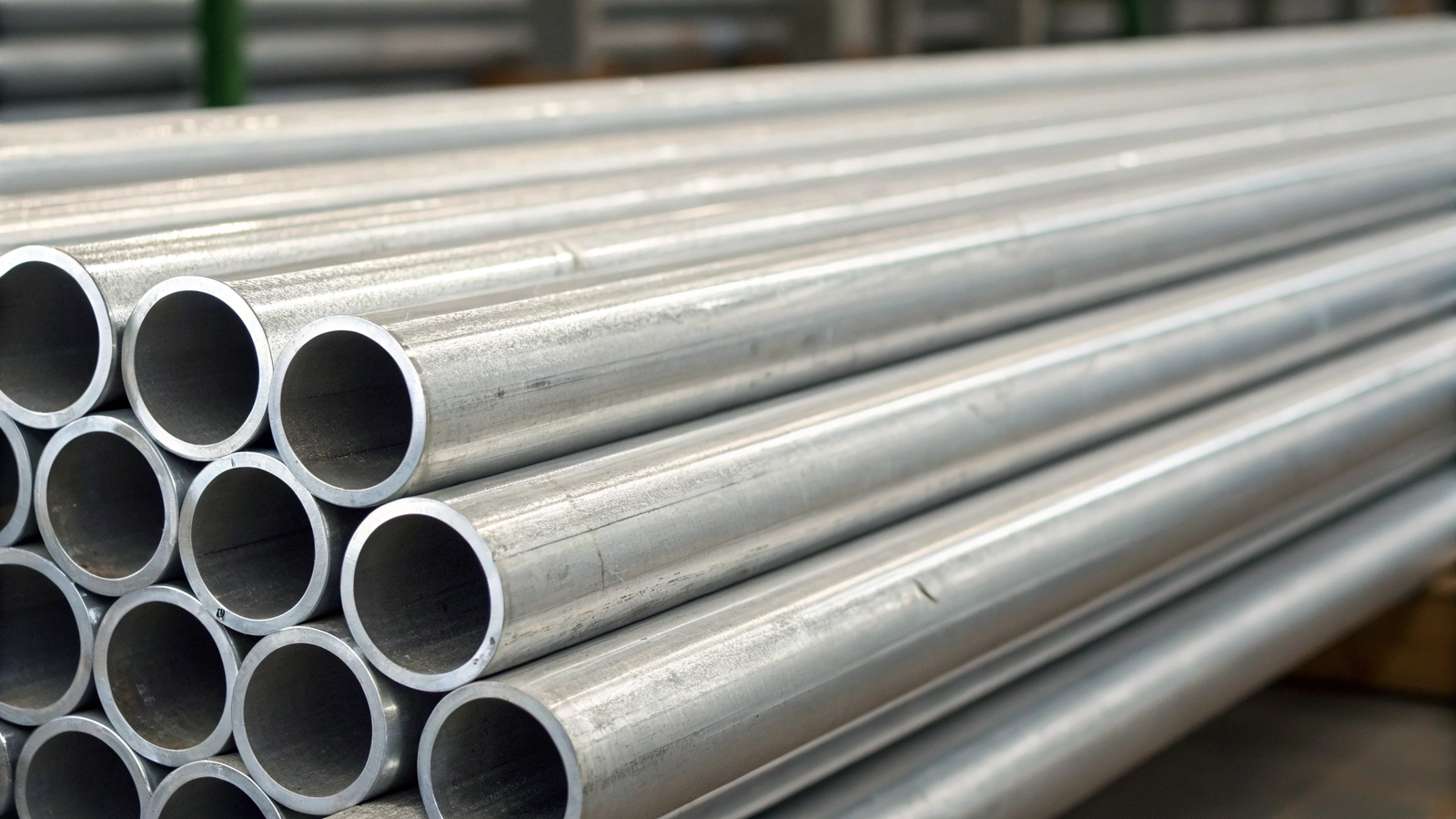
ASTM B221 is a standard that covers the specification for aluminum and aluminum alloy extruded bars, rods, wire, profiles, and tubing. This standard ensures that the materials used meet specific mechanical properties and dimensions.
Knowing these standards is critical, especially when the tubing is used in high-pressure systems. Failure to adhere to these codes can lead to catastrophic results. Therefore, it is vital to work with suppliers who ensure their products meet these ASTM requirements.
How much psi can aluminum hold?
The pressure capacity of aluminum tubing depends on several factors, including its dimensions and alloy composition2. It is essential to understand these aspects to make informed choices in pressure applications.
Aluminum tubing can typically handle pressures ranging from 2000 to 3000 psi3, depending on the alloy and wall thickness. Proper calculations and testing are needed to ensure safety.
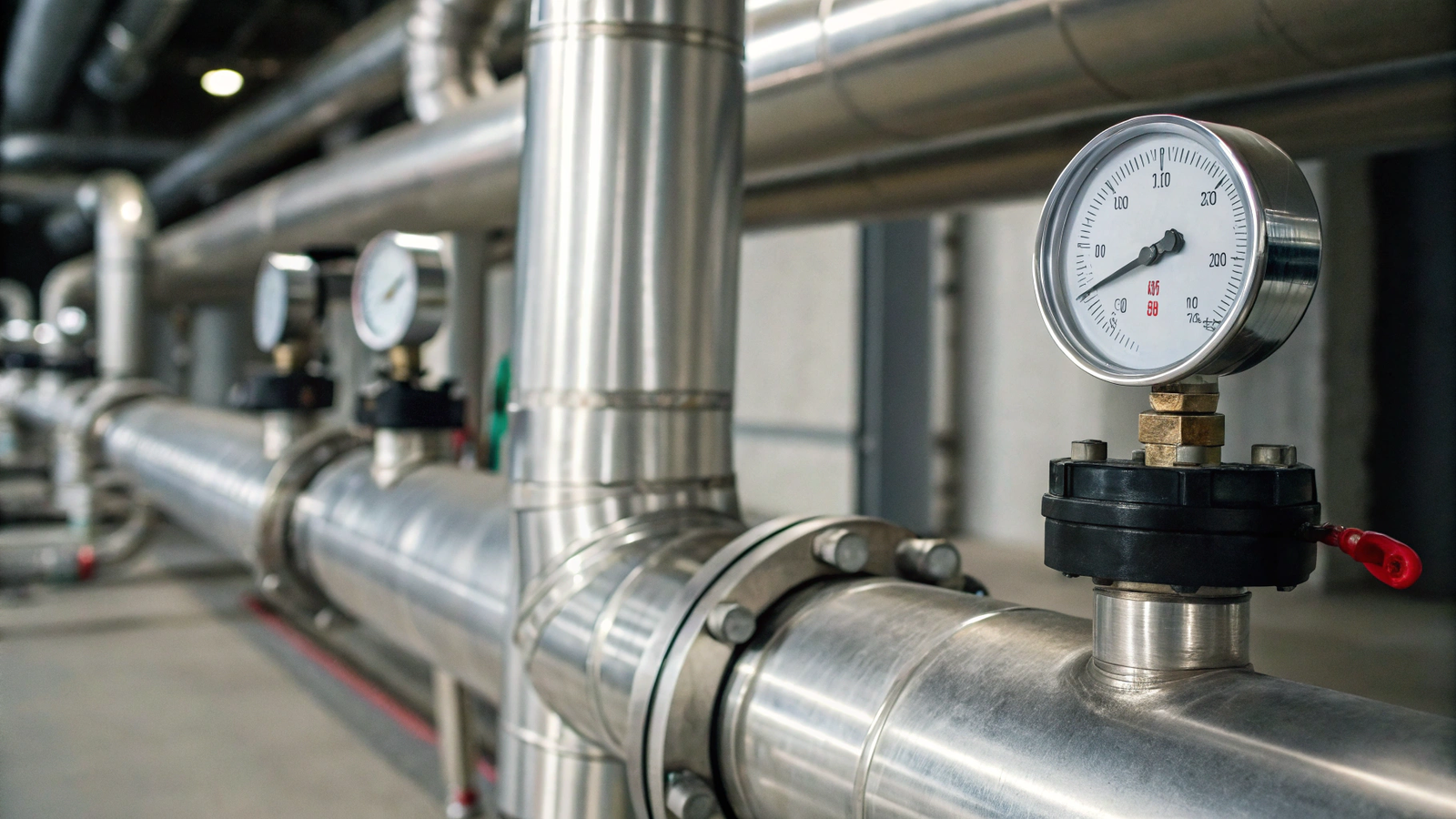
In my experience, working closely with engineers can help determine the right type of aluminum for specific applications. The wall thickness of the tube plays a significant role in its pressure rating. Thicker walls generally provide higher strength and better pressure resistance.
However, I cannot stress enough the importance of rigorous testing. Manufacturers should always perform pressure tests to ensure the aluminum tubing can withstand expected conditions. I have seen firsthand how a lack of testing can lead to failures, jeopardizing the entire system.
What is aluminum tubing used for?
Aluminum tubing has several applications across various industries. Its lightweight nature and strength make it an attractive option for many projects.
Aluminum tubing is commonly used in aerospace, automotive, and construction applications due to its lightweight, corrosion resistance, and strength-to-weight ratio.
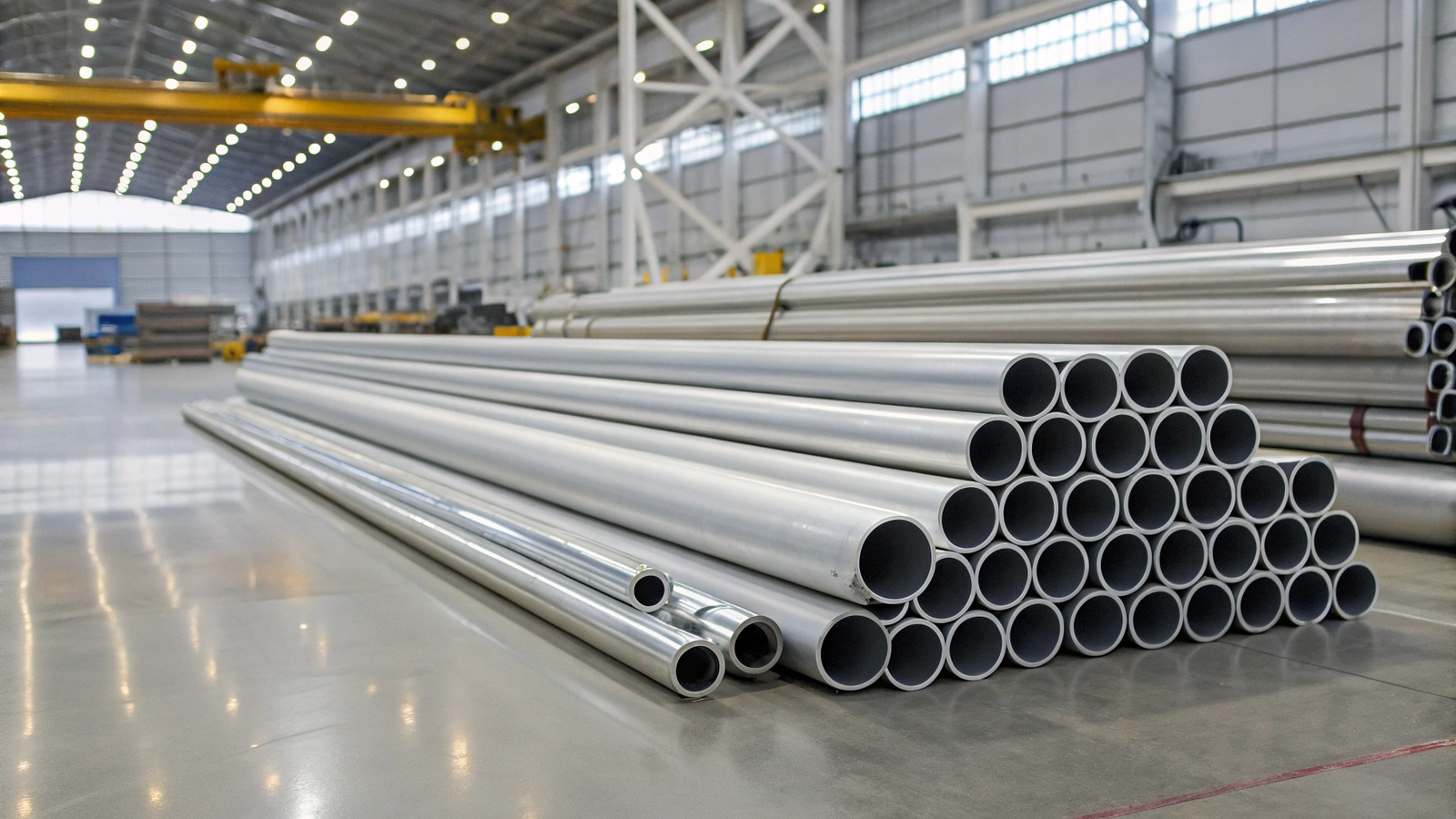
In the aerospace industry, aluminum is favored for creating lightweight structural components. This helps improve fuel efficiency and overall performance. In automotive applications, aluminum tubing is used for fuel lines, air conditioning lines, and other systems that benefit from its lightweight properties.
In construction, aluminum tubing is often used for railings, supports, and frames due to its durability and resistance to corrosion. The flexibility in design allows for various applications in this field.
While aluminum tubing has its place in many applications, I often recommend taking a step further for critical pressure applications. The most reliable solution is to use components machined from solid forged rings. This process eliminates seams, which are common failure points, and delivers superior strength. In this way, we can ensure a fail-safe material, reducing the risk of catastrophic failures.
Conclusion
Aluminum tubing is effective in specific pressure applications, but it has limitations in plumbing. Understanding the codes and pressure ratings is crucial for safety and performance.
"24 CFR § 3280.609 - Water distribution systems. - Law.Cornell.Edu", https://www.law.cornell.edu/cfr/text/24/3280.609. A building-code source can establish that plumbing-system materials are regulated according to intended use and must satisfy requirements related to pressure, temperature, corrosion resistance, and installation conditions. Evidence role: definition; source type: government. Supports: Plumbing codes impose material-performance requirements for pressure, temperature, and corrosion conditions.. Scope note: The exact requirements vary by jurisdiction and by whether the system is potable water, drainage, gas, or another service. ↩
"[PDF] Mechanics & Materials 1 Chapter 14", https://web1.eng.famu.fsu.edu/~woates/template/Kaushik%20Bhattacharya%27s%20Group_files/teaching/MoMI/Chapter14.pdf. A mechanics-of-materials or engineering reference can show that tube pressure capacity is a function of geometry, wall thickness, material strength, and design criteria, supporting the dependence on dimensions and alloy composition. Evidence role: mechanism; source type: education. Supports: The pressure capacity of aluminum tubing depends on tube dimensions and alloy/material properties.. Scope note: The source would establish the calculation principle, not a universal pressure rating for all aluminum tubes. ↩
"Aluminum Pipe Pressure Calculator — Barlow's Formula - AJ Designer", https://www.ajdesigner.com/aluminum-pipe/. A pressure-rating table or engineering calculation source for specific aluminum-alloy tubes can document example working or burst pressures in the 2000–3000 psi range under defined diameters, wall thicknesses, alloys, and safety factors. Evidence role: statistic; source type: paper. Supports: Some aluminum tubing configurations may have pressure capacities in the 2000–3000 psi range, depending on alloy and wall thickness.. Scope note: Pressure ratings are highly configuration-specific, so evidence should present this only as an example range for defined tubing, not as a general rating for all aluminum tubing. ↩