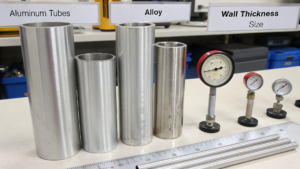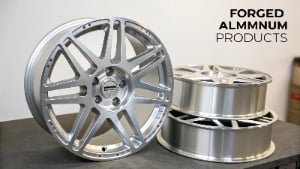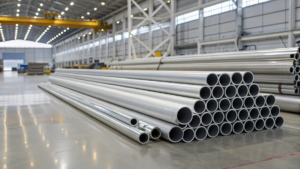

Do you assume all 2024 aluminum bars offer the same performance level? Standard extruded bars often mask underlying structural weaknesses. We control the grain from the start for maximum integrity.
For high-stress needs, our custom-forged 2024 bar offers a superior solution. This process refines the grain structure and boosts mechanical strength beyond what typical extrusion methods can achieve.
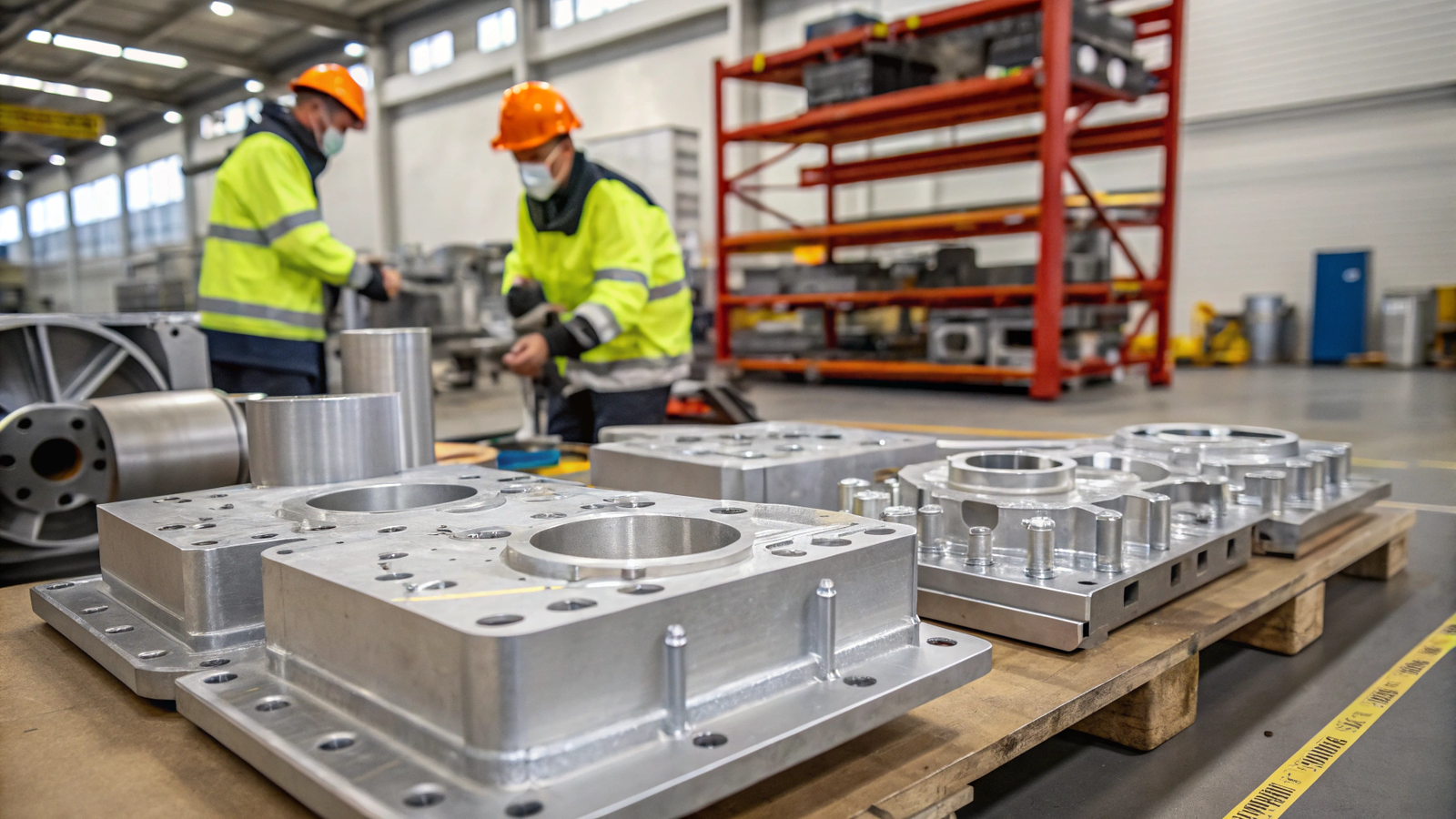
When your machining parts face high demands, you need material reliability that standard stock simply cannot guarantee. We provide that foundational strength through superior forging technology.
Is 2024 or 6061 Stronger for General Structural Use?
This is a frequent question when selecting aluminum for demanding projects. Generally, the 2024 alloy is significantly stronger than the common 6061 alloy in terms of sheer mechanical power.
2024 aluminum1, thanks to its copper content, offers much higher tensile and yield strength compared to 6061, making it the choice for high-load, high-performance structural applications.
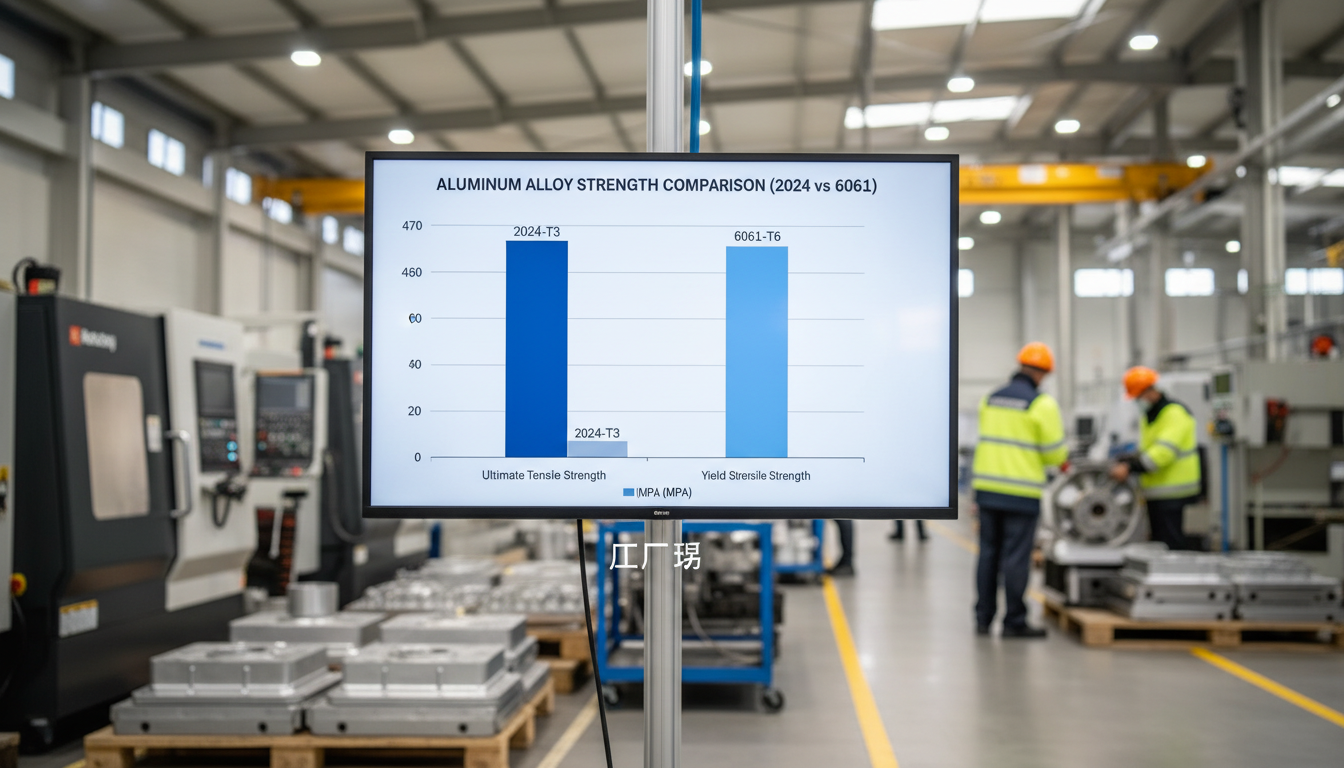
I once consulted with a machining customer building high-precision automotive components that experienced fatigue cracking on 6061. The failure was traced to the stress levels exceeding the yield point of 6061-T6. We switched them to 2024-T3. The copper in 2024 allows it to sustain much higher stress before permanent deformation occurs. While 6061 is famous for its good weldability and corrosion resistance, 2024 wins outright on pure strength and fatigue resistance, provided you manage its lower corrosion performance. If strength is the primary driver, 2024 is the clear winner over 6061.
Is 2024 Aluminum Truly Strong Enough for Aerospace Needs?
Yes, 2024 aluminum is renowned specifically for its high strength and excellent fatigue resistance. This is why it is a primary choice in the aerospace industry globally.
The copper alloy family, including 2024, is prized for its superior ability to handle repeated cyclic loading, which is the definition of fatigue in an aircraft structure.
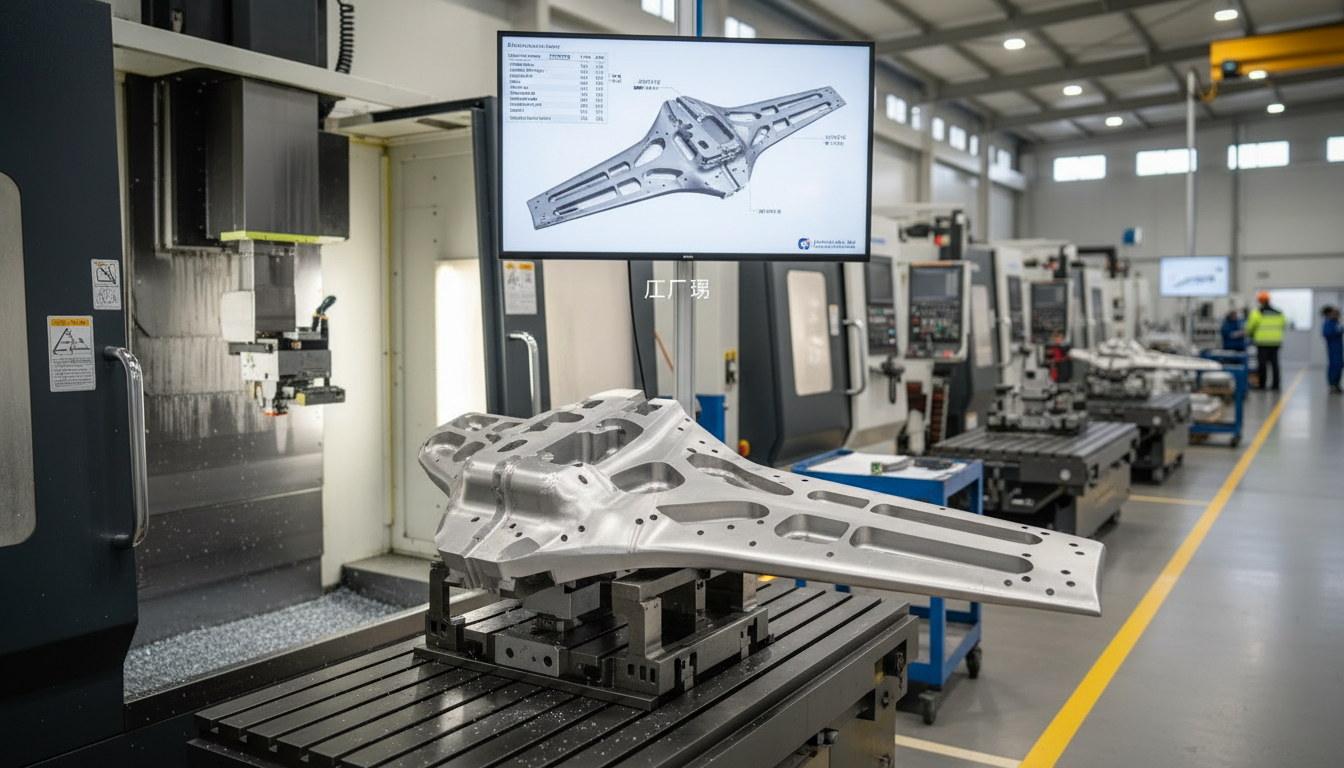
The strength of 2024 is not just about the initial force it can withstand. It is about how it handles that force repeatedly over time. Aircraft skins, wing spars, and highly stressed brackets need materials that resist crack propagation under vibration and pressure changes. 2024 achieves this due to the age-hardening response enabled by the copper content. This makes it exceptionally tough. While its weldability is poor, for high-integrity structures, welding is often avoided anyway. Machining customers in the aerospace sector rely on 2024 because its established track record in demanding environments gives them confidence in their final product certification.
Is 2024 Aluminum Better Than 2017 Aluminum for Machining?
When comparing two copper-based alloys like 2024 and 2017, the choice often comes down to machinability versus ultimate strength, though 2024 usually edges out in the latter.
2024 generally possesses slightly better strength properties than 2017, while 2017 is sometimes favored for its slightly better machinability in older processes.
For modern CNC machining plants, the differences in chip formation are minimal, especially if they are using high-quality tooling. However, 2024, particularly in the T3 or T4 temper, offers a better balance of high strength and decent machinability2. 2017 is an older alloy specification. While perfectly capable, 2024 has become the industry standard where strength is paramount because its fatigue performance is more predictable under higher stress cycles. If you are a machining company, optimizing for the highest achievable strength usually points you toward 2024 material stock.
What is the Difference Between 2014 and 2024 Aluminum?
The core difference between 2014 and 2024 aluminum lies primarily in their specific alloying elements, which dictate their final mechanical behavior and best use cases.
2014 contains slightly higher copper and silicon content than 2024. This results in 2014 having slightly higher strength potential but generally poorer toughness and less resistance to stress corrosion cracking.
| Feature | 2014 Aluminum Alloy | 2024 Aluminum Alloy |
|---|---|---|
| Primary Use Focus | High Strength, High Hardness (often older airframes) | High Strength, Excellent Fatigue Life (modern airframes) |
| Copper Content | Typically slightly higher | Optimized for fatigue resistance |
| Silicon Content | Present, contributing to hardness | Lower, improving toughness and cracking resistance |
| Machinability | Good | Very Good (especially T3 temper) |
| Corrosion Resistance | Lower (more susceptible to SCC) | Better than 2014, but still requires protection |
The presence of silicon in 2014 contributes to its hardness but makes it more susceptible to stress corrosion cracking (SCC) than 2024. For applications where materials are under constant, sustained load, especially in corrosive environments, 2024 is safer. For a supplier like SWA Forging, we focus on 2024 because its overall profile better meets the rigorous demands of both aerospace and high-performance machining clients who need both strength and structural integrity that resists failure over time.
Why Custom Forged 2024 Bar Elevates Performance
When we take standard 2024 bar stock and forge it into a billet before machining, we fundamentally change its internal structure. Extruded bar often has a directional grain flow, which means it is strong along the extrusion axis but much weaker across it. By contrast, our forging process homogenizes the structure. We apply massive forces that refine the grain size and ensure the grain flows continuously around the component shape. This results in isotropic (equal in all directions) strength properties. For a complex part machined from our forged stock, this means predictable failure resistance no matter how the load is applied. This high-integrity material is what critical aerospace and demanding machining projects truly require.
Conclusion
Do not limit your high-performance parts with standard stock. Choose custom-forged 2024 for superior strength and structural reliability.