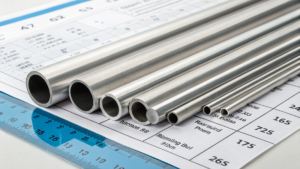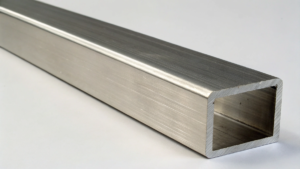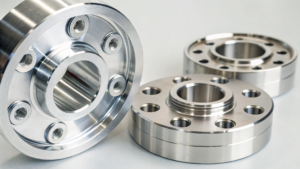

Aluminum tubing is widely recognized for its applications in aerospace, but what truly makes it valuable? Understanding how it performs in this demanding industry is key.
Aluminum tubing is used in aerospace for its lightweight, strength, and resistance to corrosion. These qualities help improve fuel efficiency and overall performance in aircraft design1.
Aerospace applications require precision and reliability. Companies often seek to optimize their designs and materials to achieve the best outcomes. However, not all aluminum products are created equal. Tubing is a popular choice, but it is essential to consider the metallurgical origin of the material. The transition from a simple shape to a deeper understanding of material science is crucial for aerospace components.
What is the use of aluminum tubing?
Aluminum tubing has various applications in aerospace, from structural components to fluid transport systems. Its lightweight nature helps reduce the overall weight of aircraft, enhancing fuel efficiency. The strength-to-weight ratio is particularly advantageous in designs where every ounce matters.
Aluminum tubing is used to manufacture essential aircraft parts like frames, fuselages, and even fuel lines. Its properties contribute to safer, more efficient aircraft designs.
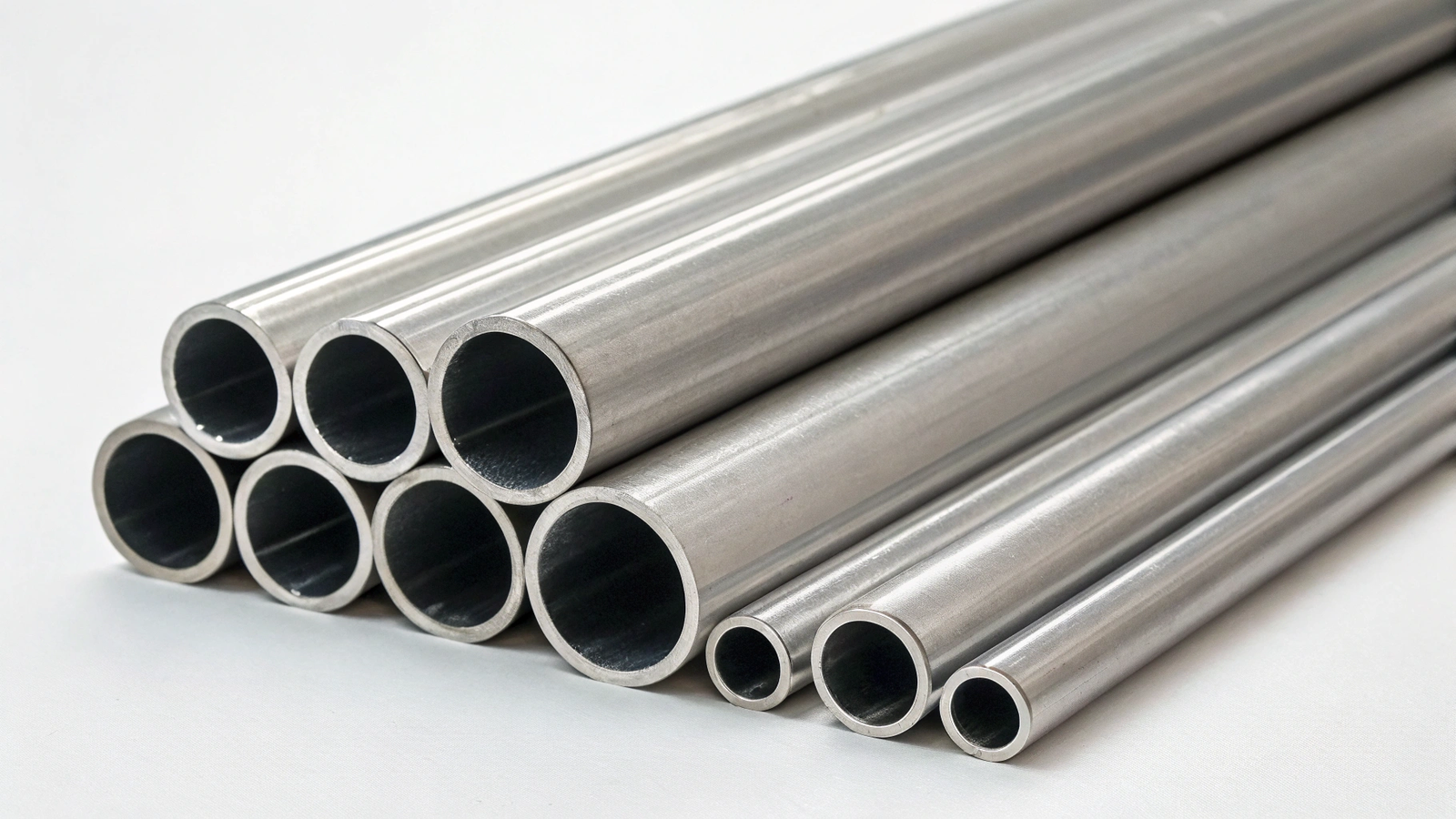
The benefits of aluminum tubing go beyond its lightweight nature. Its resistance to corrosion is a significant factor in aerospace applications. Many aircraft are exposed to extreme weather conditions, and aluminum tubing protects against degradation over time. This durability is critical in maintaining the integrity of aircraft structures.
Diving deeper into the relationship between aluminum and aerospace, it’s important to note that not all aluminum is suitable for aerospace. The specific alloy and manufacturing processes play a significant role in determining its performance. For instance, while extruded aluminum tubing is common, it often lacks the metallurgical advantages found in forged aluminum products.
What is the best aluminum for space applications?
When it comes to space applications, the purity and strength of aluminum alloys are essential. Alloys like 7075 and 6061 are popular for their excellent mechanical properties2. They have a high strength-to-weight ratio, making them ideal for components that must endure extreme conditions.
The best aluminum for space applications usually includes 7075-T6 and 6061-T6, as they provide superior strength, lightweight properties, and corrosion resistance.
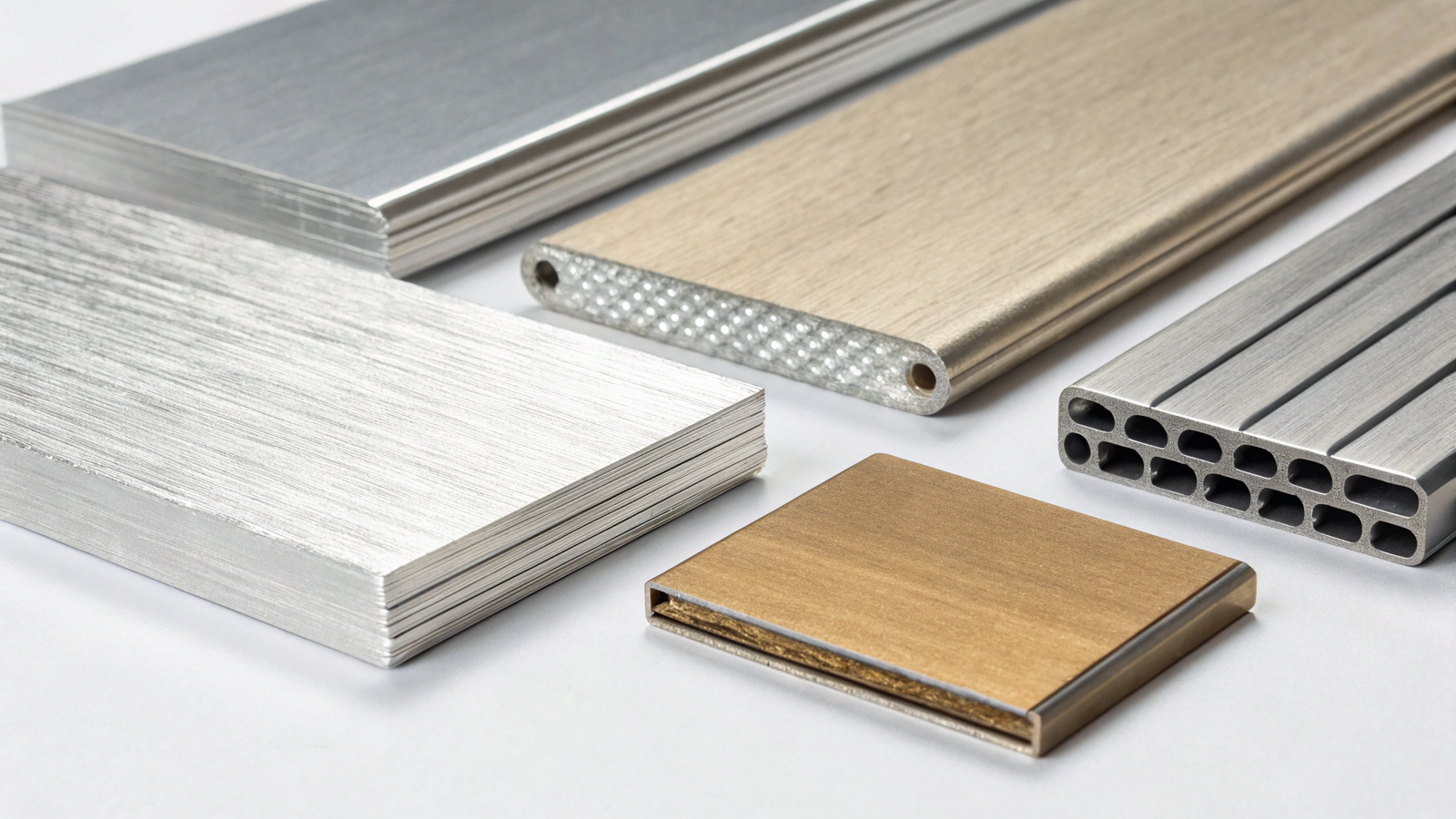
In aerospace, the performance of aluminum alloys is critical. Their ability to withstand extreme temperatures and pressures3 makes them suitable for various applications. The selection of the right aluminum alloy can significantly impact an aircraft's performance and safety.
It's worth noting that while many manufacturers use extruded aluminum, those who opt for forged aluminum products like our solid forged rings benefit from a refined grain structure4. This characteristic enhances strength and reliability, providing a level of performance that extruded forms cannot guarantee.
What are two advantages of using aluminum in construction?
In addition to aerospace, aluminum is widely used in construction due to its lightweight and corrosion-resistant nature. These benefits contribute to the durability and longevity of structures while allowing for innovative designs.
Two main advantages of using aluminum in construction are its lightweight properties, which reduce structural loads, and its resistance to corrosion, which enhances the lifespan of buildings.
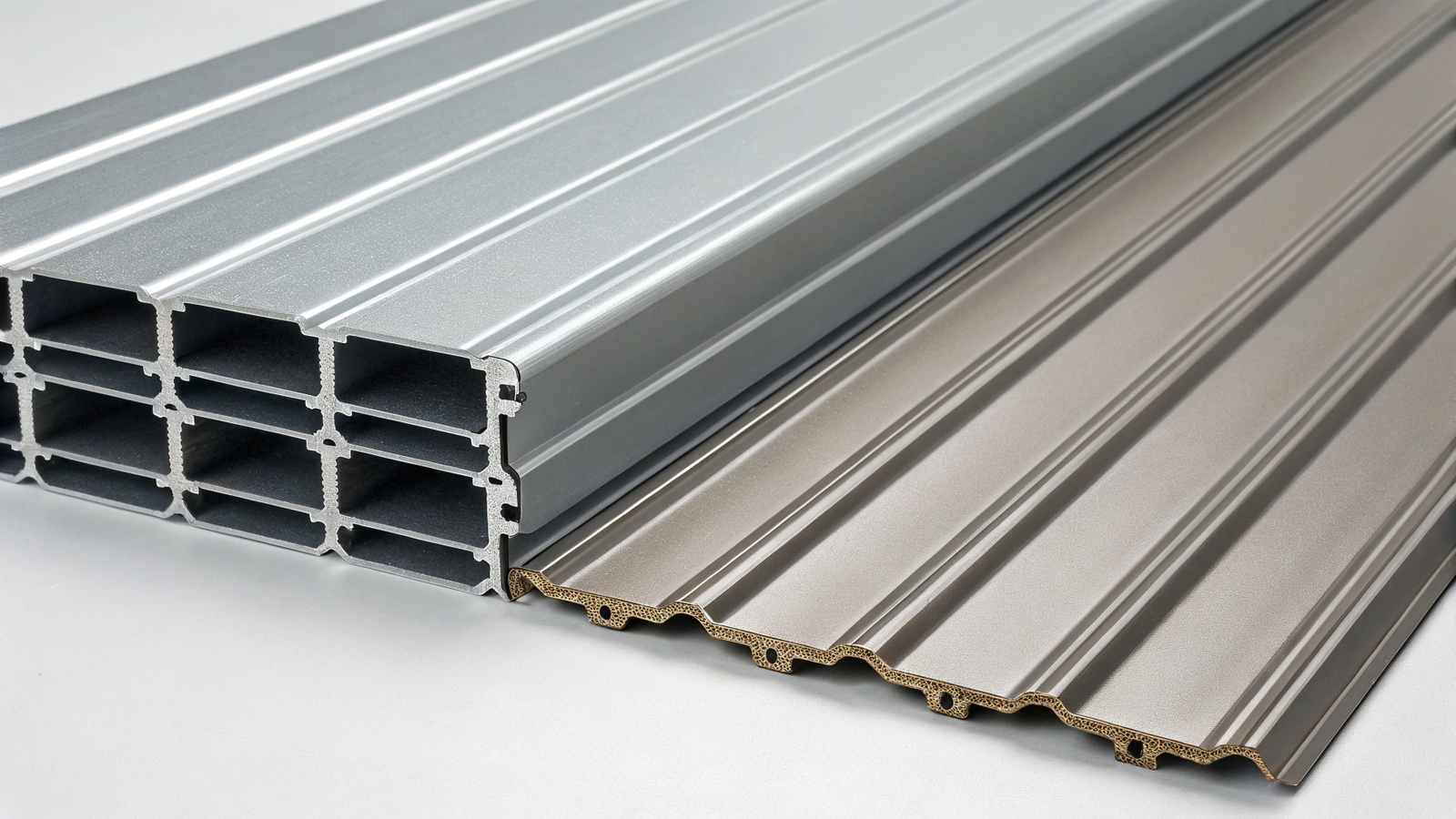
However, aluminum’s advantages extend beyond just these two points. The ease of fabrication and versatility of aluminum allows architects and engineers to design with greater freedom. Aluminum can be molded, extruded, or shaped to fit various applications, ensuring that it meets specific requirements.
Another consideration is the environmental impact of aluminum. Its recyclability makes it a sustainable choice for construction projects. This aspect resonates with builders and architects focused on creating green buildings and minimizing waste.
What characteristic of aluminum makes it especially well suited for use in aerospace and automotive applications?
The unique combination of strength, lightweight, and corrosion resistance makes aluminum an ideal choice for aerospace and automotive applications. These qualities allow for improved performance and safety.
The characteristic that sets aluminum apart in aerospace and automotive applications is its exceptional strength-to-weight ratio, making it perfect for high-performance needs.
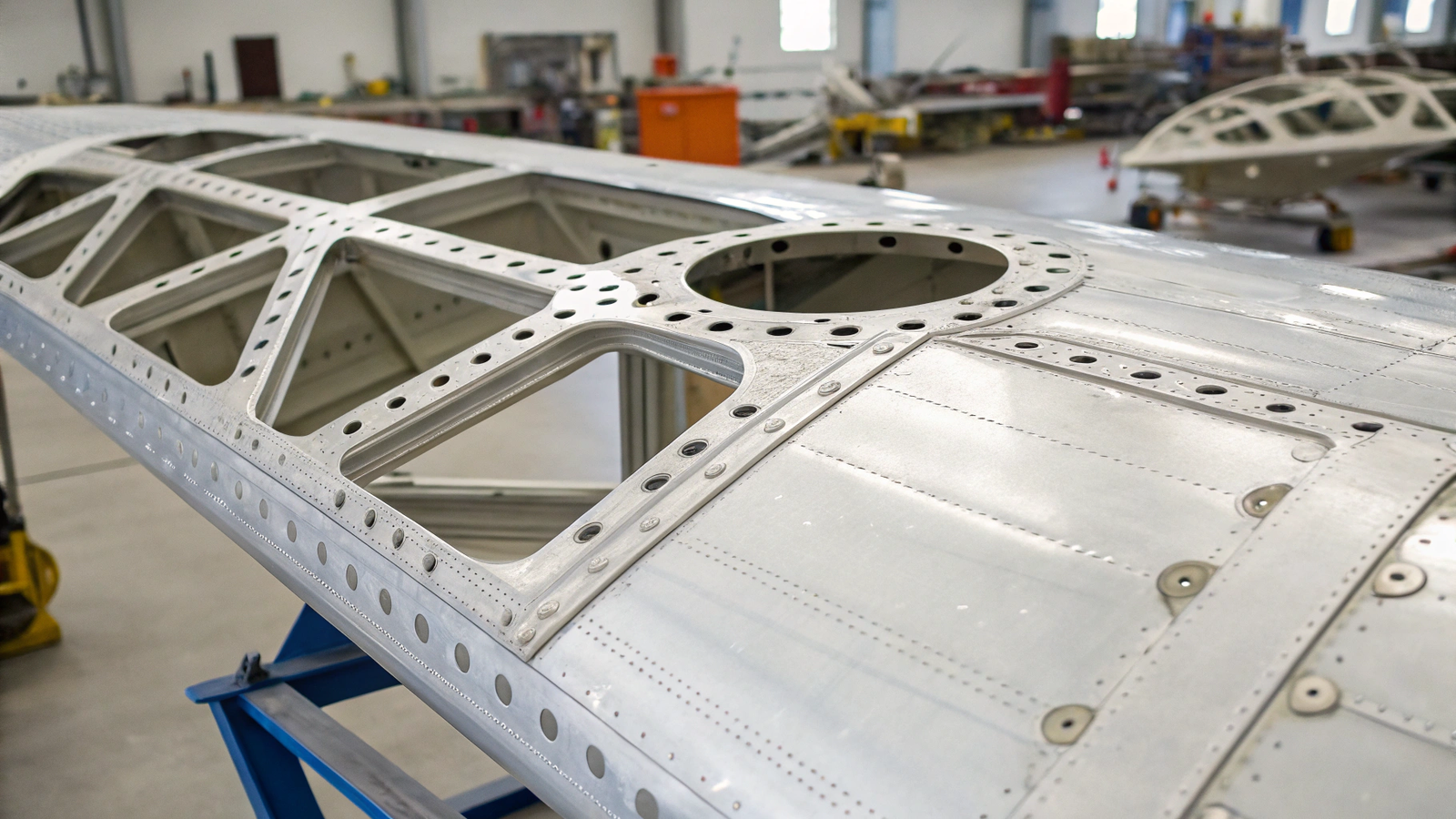
Aluminum’s strength-to-weight ratio allows for more efficient designs, ultimately leading to better fuel economy in aircraft and vehicles. This balance is crucial in industries focused on performance and efficiency.
Furthermore, aluminum’s thermal conductivity ensures that heat dissipates quickly. This feature is advantageous for components that generate heat during operation, enhancing the overall safety and performance of aircraft engines and automotive parts.
As I reflect on the various applications of aluminum in aerospace, I recognize that while tubing is valuable, the metallurgical origin is paramount. Components made from our solid forged rings provide a homogeneous, refined grain structure. This characteristic ensures performance and reliability that extruded tubing cannot match. It shifts the focus from mere shape to superior material science, highlighting the importance of quality in aerospace applications.
Conclusion
Aluminum tubing offers significant advantages in aerospace applications, but understanding the material's origin and properties is critical for optimal performance.
"Green aviation - improved aerodynamic efficiency and less fuel burn", https://technology.nasa.gov/patent/top2-200. An aerospace or government source should support the principle that reducing aircraft structural weight can reduce fuel consumption and improve performance metrics such as payload or range. Evidence role: mechanism; source type: government. Supports: Lightweight aluminum components can contribute to improved fuel efficiency and aircraft performance.. Scope note: This would support the general weight-reduction mechanism, not prove that a specific aluminum tube product improves fuel efficiency in a particular aircraft. ↩
"[PDF] MATERIALS DATA HANDBOOK Aluminum Alloy 7075", https://ntrs.nasa.gov/api/citations/19670004550/downloads/19670004550.pdf. A materials database or engineering reference should document that 7075 and 6061 aluminum alloys are widely used engineering alloys with notable mechanical properties, including high strength for 7075 and good general mechanical performance for 6061. Evidence role: definition; source type: institution. Supports: 7075 and 6061 are commonly used aluminum alloys known for useful mechanical properties.. Scope note: Popularity and suitability depend on application requirements; 6061 and 7075 are not interchangeable for all space or aerospace components. ↩
"Thermal Stability of Aluminum Alloys - PMC - NIH", https://pmc.ncbi.nlm.nih.gov/articles/PMC7435424/. A spacecraft or aerospace materials reference should describe the environmental demands on aerospace materials, including temperature extremes and pressure-related loading, and explain how alloy selection is matched to those service conditions. Evidence role: general_support; source type: government. Supports: Aerospace aluminum alloys are selected for applications that may involve extreme temperatures and pressures.. Scope note: The source may support aerospace environmental requirements generally rather than proving that 7075-T6 or 6061-T6 withstand all extreme temperature and pressure regimes. ↩
"Development of Al–Mg–Si alloy performance by addition of grain ...", https://pmc.ncbi.nlm.nih.gov/articles/PMC10305821/. A metallurgy source should explain that forging deforms and recrystallizes metal in ways that can refine grain structure and improve certain mechanical properties compared with some cast or less-worked forms. Evidence role: mechanism; source type: education. Supports: Forged aluminum products can benefit from a refined grain structure.. Scope note: This supports the general metallurgical effect of forging; it does not prove that every forged ring outperforms every extruded product without product-specific testing. ↩