
The first paragraph: Have you ever wondered how die forging can create stronger, more durable aluminum components? Understanding this process can help you appreciate the importance of material flow.
Die forging improves mechanical properties by aligning the grain structure of the material during the forging process. This alignment enhances strength, toughness, and durability, making the final products more reliable.
The process of die forging is vital to producing high-quality aluminum components. When we forge, we manipulate the material under heat and pressure, ensuring the grain flows in a particular direction. This isn’t just a minor detail. This process creates a stronger and more reliable product.
How does forging improve mechanical properties?
The first paragraph: Have you ever thought about the science behind forging? The process is not just about shaping metal; it’s about enhancing its performance.
Forging improves mechanical properties by manipulating the microstructure of the material, which leads to better strength and ductility. This process ensures that the final product can withstand various stresses and strains.
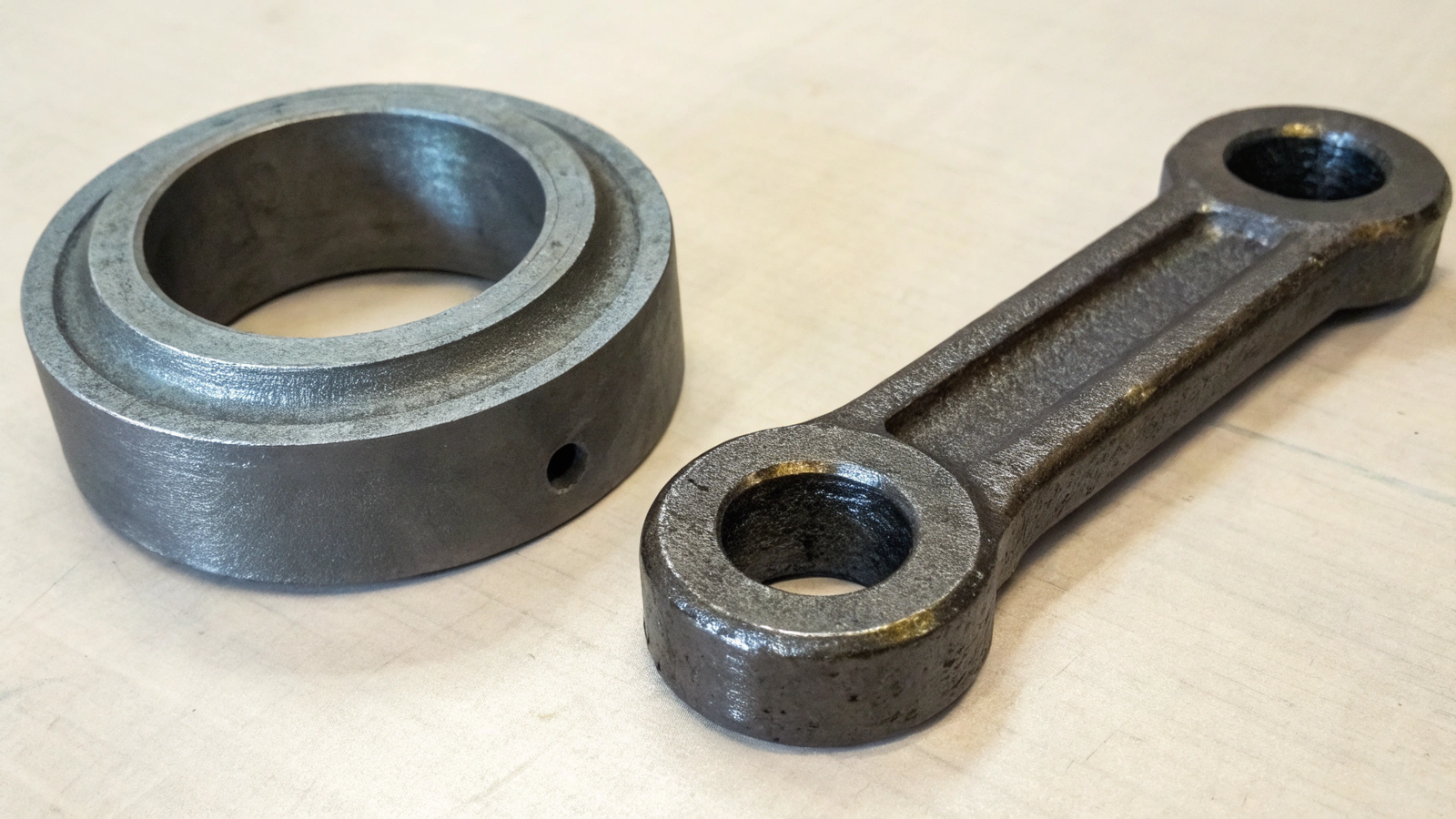
The forging process can significantly influence mechanical properties, such as tensile strength, yield strength, and fatigue resistance1. The key is in how the metal is processed. By applying heat and pressure, we can change the internal structure of the aluminum. This transformation results in a more cohesive, grain-aligned structure, which is tougher and more resistant to breakage. For example, in our facilities, we align the aluminum grain flow to meet industry standards like ASTM B247. This alignment ensures that our machining clients achieve tighter tolerances, boosting their production efficiency and product integrity.
To illustrate the impact of forging on mechanical properties, consider the following table:
| Mechanical Property | Effect of Forging |
|---|---|
| Tensile Strength | Increased due to grain alignment |
| Ductility | Improved with controlled deformation |
| Fatigue Resistance | Enhanced due to uniform structure |
| Impact Strength | Elevated from grain refinement |
With a better understanding of how forging works, we can appreciate its role in crafting aluminum components that excel in demanding applications.
Why is grain flow important in forging?
The first paragraph: Have you ever considered why grain flow is so crucial in forging? The arrangement of grains can make a significant difference in performance.
Grain flow is essential in forging because it directly affects the strength and durability of the final product. Proper alignment leads to optimal performance in various applications.
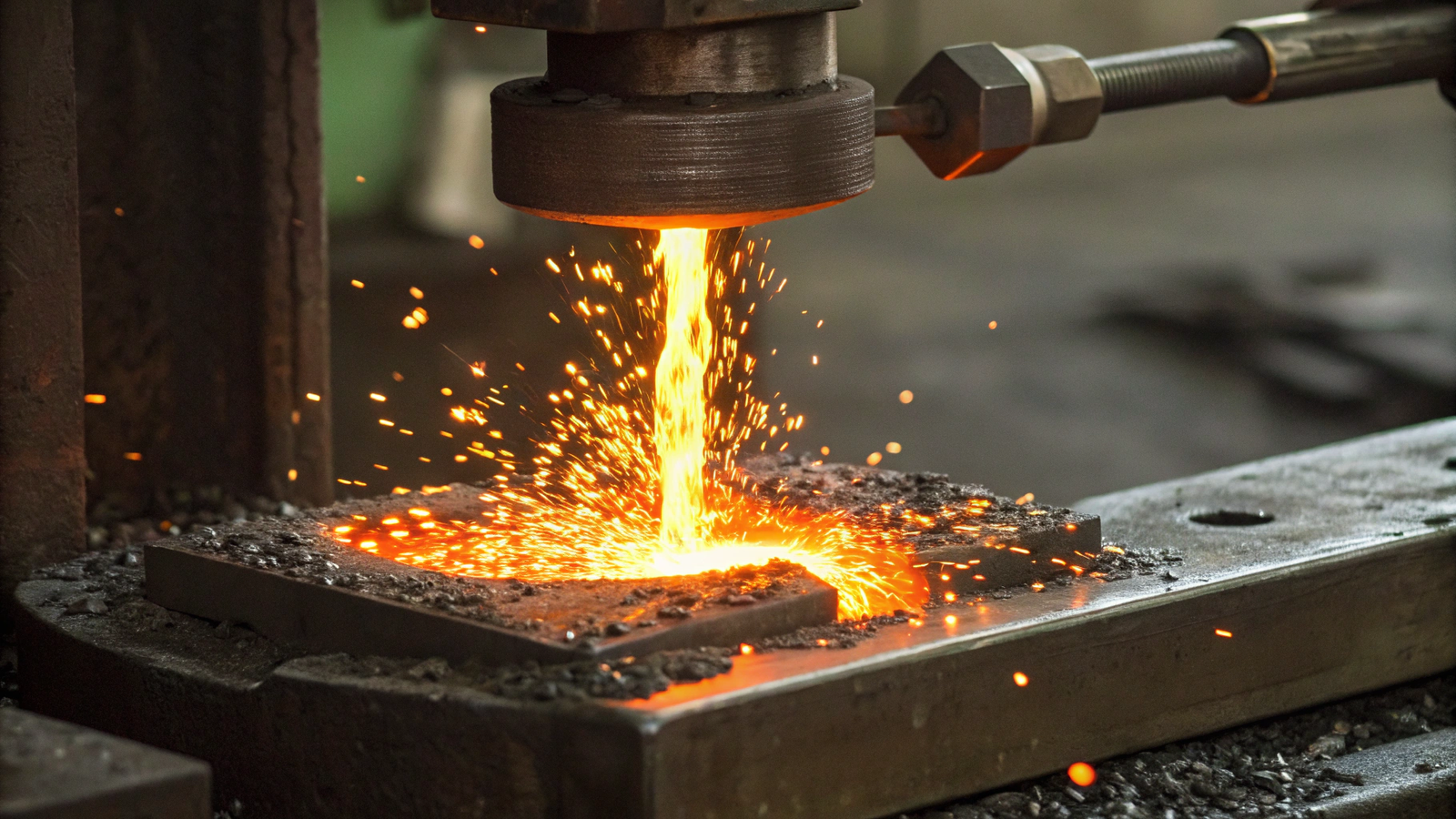
Grain flow dictates how a material reacts under stress. When the grains align in the direction of the force, the material behaves better in performance. This process can significantly impact the final product's reliability and efficiency. At SWA Forging, we focus on engineering the grain flow to ensure our clients receive high-quality components designed for their specific applications.
Consider the following benefits of optimal grain flow:
- Enhanced Strength: Aligned grains resist external forces better, leading to increased strength.
- Improved Ductility: A well-structured grain flow allows the material to bend and stretch without breaking.
- Reduced Risk of Failure: Proper grain alignment minimizes weak points in the material, reducing the chances of failure.
Understanding grain flow helps us appreciate how such a simple factor can lead to complex improvements in product performance.
What mechanical properties are desired for successful forging?
The first paragraph: What properties do you think are essential for a successful forging process? Knowing the desired attributes can help us produce better components.
For successful forging, mechanical properties such as high strength, good ductility, and resistance to wear are crucial. These properties ensure that the forged components can perform reliably under various conditions.
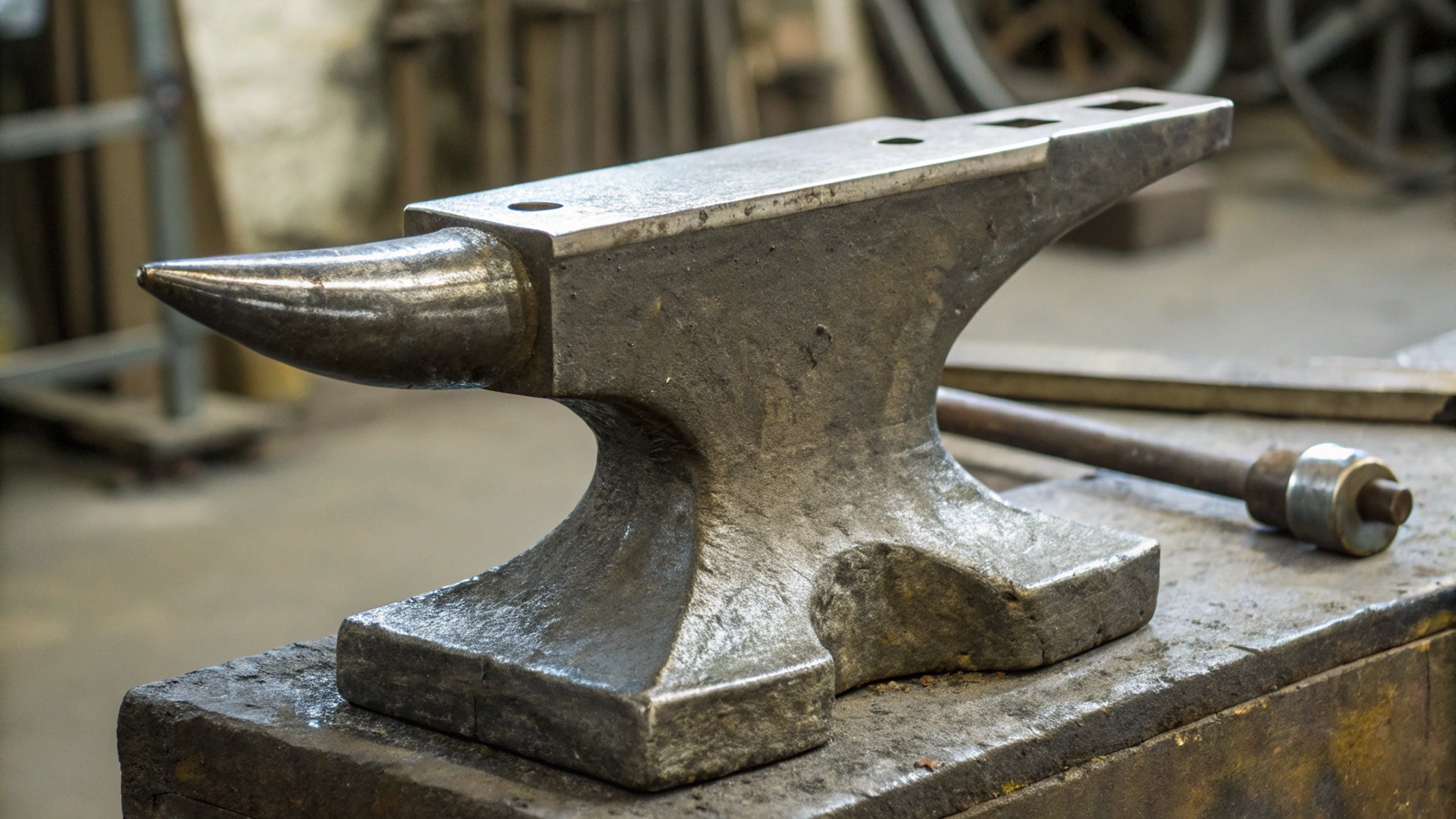
To ensure the forged aluminum components are successful, certain mechanical properties must be prioritized. These properties directly influence how the final product will perform in real-world applications.
Here’s a breakdown of the desired mechanical properties:
- High Strength: Components must withstand high loads without deforming.
- Good Ductility: This allows the material to deform without fracturing.
- Wear Resistance: Keeps the components functioning longer in abrasive environments.
- Corrosion Resistance: Ensures durability in various conditions.
By focusing on these properties during the forging process, we create components that meet the needs of our clients while ensuring longevity and reliability.
What are the 4 types of forging?
The first paragraph: What types of forging do you know about? Understanding the different forging methods can help you choose the right one for your applications.
The four main types of forging are open-die forging, closed-die forging, impression-die forging, and rotary forging2. Each method has its benefits and applications.
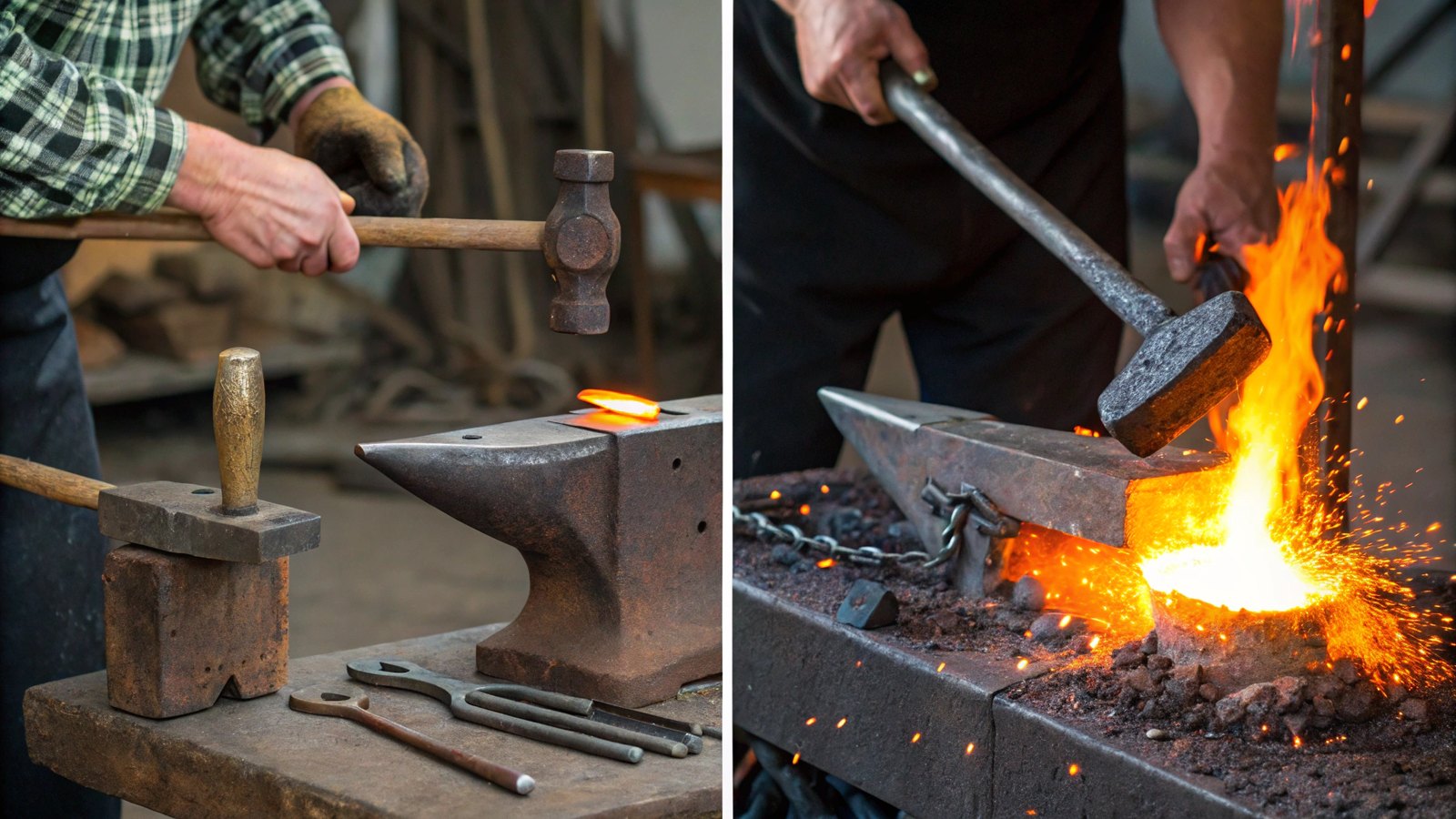
Understanding the types of forging is crucial for making informed decisions about the manufacturing process. Each method serves different needs and brings unique advantages.
-
Open-Die Forging: In this method, the metal is placed between two flat surfaces that do not contain cavities. It allows for flexibility in shaping but may have limitations in precision.
-
Closed-Die Forging: This method uses dies with specific shapes. It leads to more precise components and better material utilization, making it more efficient for mass production.
-
Impression-Die Forging: This is a combination of open and closed-die forging. It allows for more complex shapes while still using less material than open-die forging.
-
Rotary Forging: This process uses circular dies to create complex shapes while maintaining strong grain alignment. It’s beneficial for producing long, cylindrical components.
Choosing the right forging method depends on the specific requirements of the project. Each type offers various advantages that cater to different production needs.
Conclusion
Understanding die forging and material flow enhances our ability to create high-quality aluminum components that meet the demands of various industries.
"[PDF] effect of forging surface on fatigue behavoir of steels: a literature ...", https://www.nrc.gov/docs/ML1516/ML15161A221.pdf. A materials handbook or peer-reviewed article should document that forging parameters and resulting microstructure can affect tensile strength, yield strength, and fatigue resistance in metallic components. Evidence role: general_support; source type: paper. Supports: The forging process can significantly influence tensile strength, yield strength, and fatigue resistance.. Scope note: The source may support the relationship generally without validating the specific values for the article’s products. ↩
"Forging - Wikipedia", https://en.wikipedia.org/wiki/Forging. A neutral manufacturing reference should define major forging process categories, including open-die, closed-die or impression-die, and rotary or roll-type forging, to contextualize the article’s classification. Evidence role: definition; source type: encyclopedia. Supports: The article lists four main forging types as open-die, closed-die, impression-die, and rotary forging.. Scope note: Different references classify forging processes differently, and some treat closed-die and impression-die forging as overlapping rather than separate categories. ↩