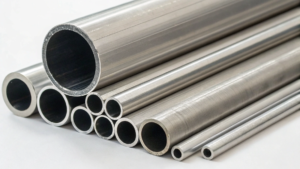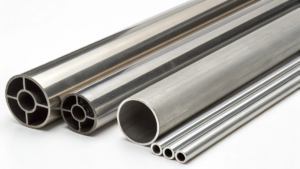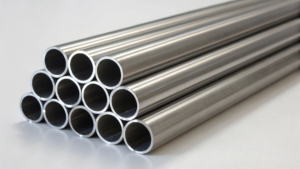

Aluminum tubing is an essential component in various industries. Understanding the materials and types available can help you make better decisions for your projects.
This guide reviews the different types of aluminum tubing, their materials, and their applications, helping you choose the best option for your needs.
Choosing the right aluminum tubing is vital for achieving the desired performance and durability in your applications. With the right knowledge, you can avoid costly mistakes and ensure that your projects run smoothly.
What are the different types of aluminum tubing?
Aluminum tubing comes in various types, each with unique properties that suit different applications. The most common types include round, square, rectangular, and oval tubes. Among these, round tubes are the most widely used due to their versatility and strength.
Round tubing is often utilized in structural applications, providing strength and lightweight benefits. Square and rectangular tubing is preferred for applications requiring more surface area or design flexibility.
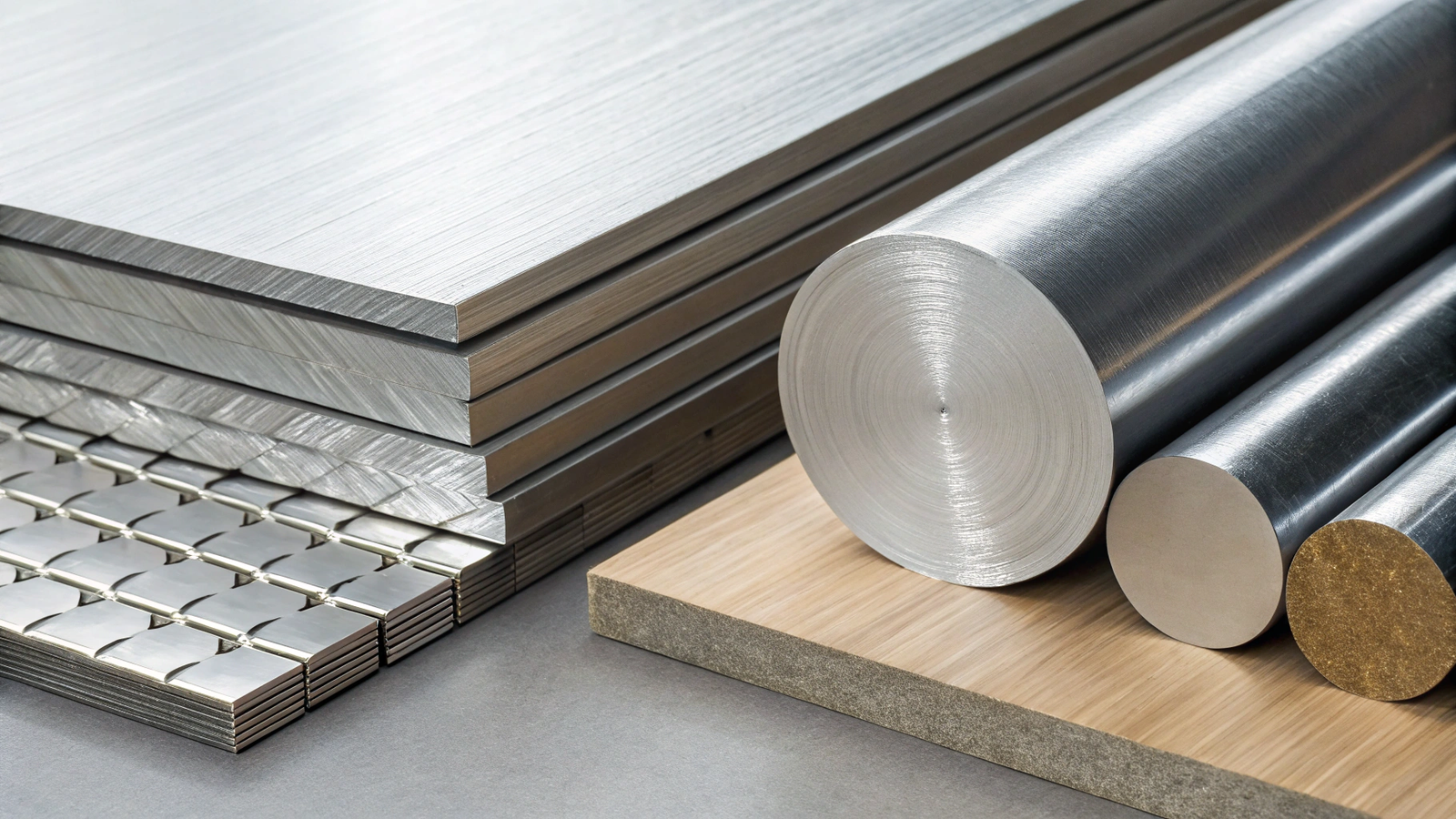
Understanding the differences in aluminum tubing types will help you choose the right option. Each type has its advantages and disadvantages, making it essential to consider your specific requirements.
| Type | Shape | Common Applications |
|---|---|---|
| Round | Circular | Structural support, piping |
| Square | Square | Frames, furniture, construction |
| Rectangular | Rectangle | Machinery, construction layouts |
| Oval | Oval | Lightweight applications |
What is the difference between 6061 and 6063 aluminum tubing?
6061 and 6063 are two popular aluminum alloys used in tubing. The primary difference between them lies in their composition and properties. 6061 aluminum has more magnesium and silicon1, making it stronger and more suitable for structural applications.
6061 aluminum tubing is often used in aerospace and automotive industries due to its high strength-to-weight ratio. In contrast, 6063 aluminum is more malleable and easier to work with, making it ideal for architectural applications and intricate shapes.
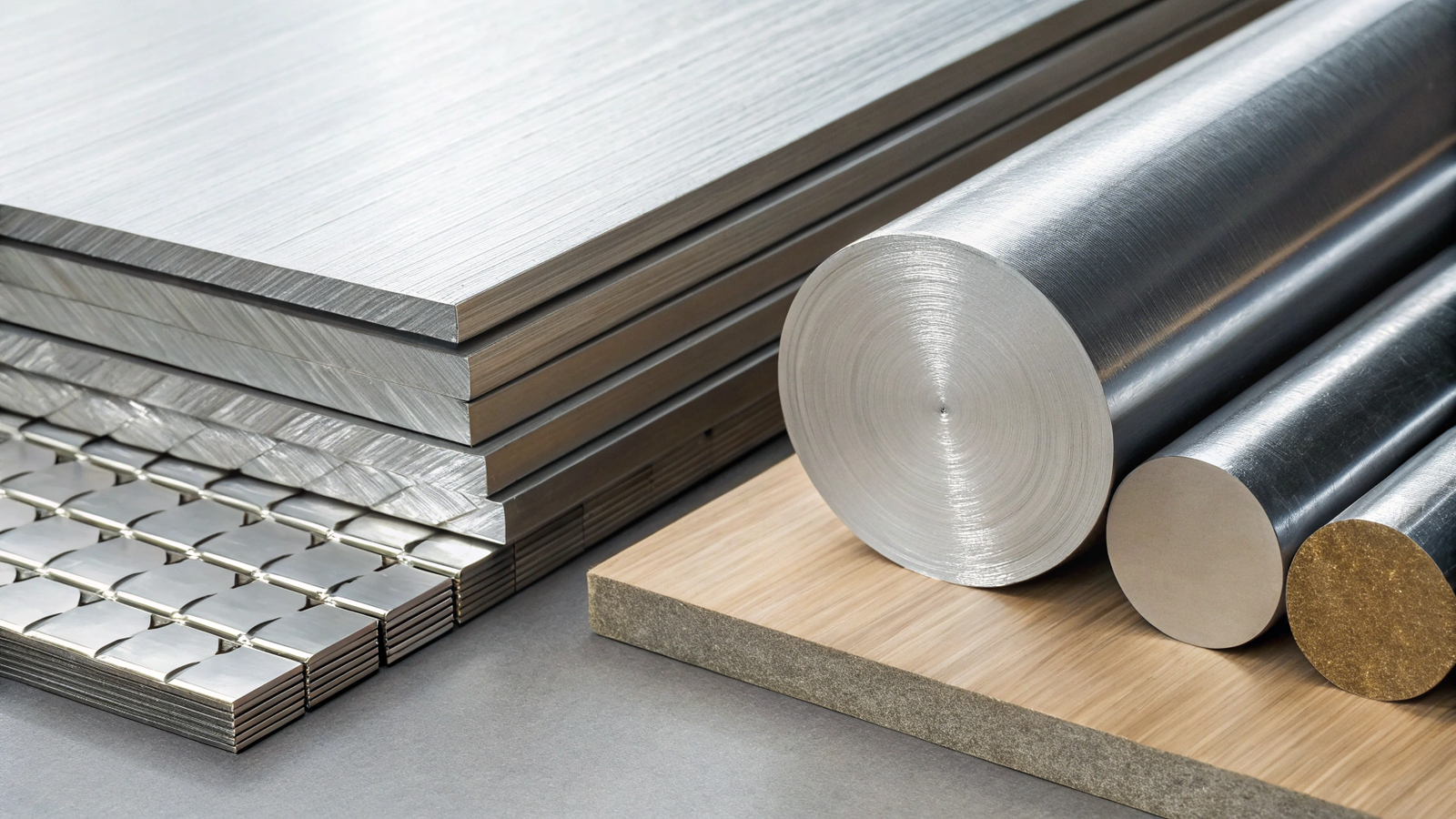
When choosing between 6061 and 6063 aluminum tubing, consider the specific requirements of your project. If you need strength, go for 6061; if you need formability, choose 6063.
| Property | 6061 Aluminum | 6063 Aluminum |
|---|---|---|
| Strength | High | Medium |
| Malleability | Medium | High |
| Common Uses | Structural | Architectural |
What are the different types of aluminum materials?
Aluminum materials can be classified into various types based on their alloying elements. The most common types include series 1000, 2000, 3000, 4000, 5000, 6000, and 7000. Each series offers unique properties.
Series 1000 is pure aluminum, known for excellent corrosion resistance. Series 2000 contains copper, offering high strength but lower corrosion resistance. Series 3000 contains manganese, providing good workability and corrosion resistance. Series 5000 includes magnesium, giving excellent corrosion resistance and weldability, while Series 6000 contains magnesium and silicon, offering versatility and good corrosion resistance. Lastly, Series 7000 includes zinc, providing high strength for aerospace applications.
Choosing the right aluminum material depends on your project's requirements. Consider properties like strength, corrosion resistance, and workability to make the best decision.
| Series | Alloying Element | Properties | Common Applications |
|---|---|---|---|
| 1000 | None | Excellent corrosion resistance | Electrical applications |
| 2000 | Copper | High strength | Aerospace components |
| 3000 | Manganese | Good workability | Beverage cans |
| 4000 | Silicon | Low expansion | Welding wires |
| 5000 | Magnesium | Excellent corrosion resistance | Marine applications |
| 6000 | Magnesium/Silicon | Versatile | Structural applications |
| 7000 | Zinc | High strength | Sports equipment |
What is aluminum tubing used for?
Aluminum tubing is utilized in various applications across multiple industries. Common uses include structural support, piping, automotive components, and architectural features.
In the automotive industry, aluminum tubing is used for lightweight structures, improving fuel efficiency. In construction, it provides a strong and durable framework for buildings and bridges. The versatility of aluminum tubing makes it a popular choice in diverse applications.
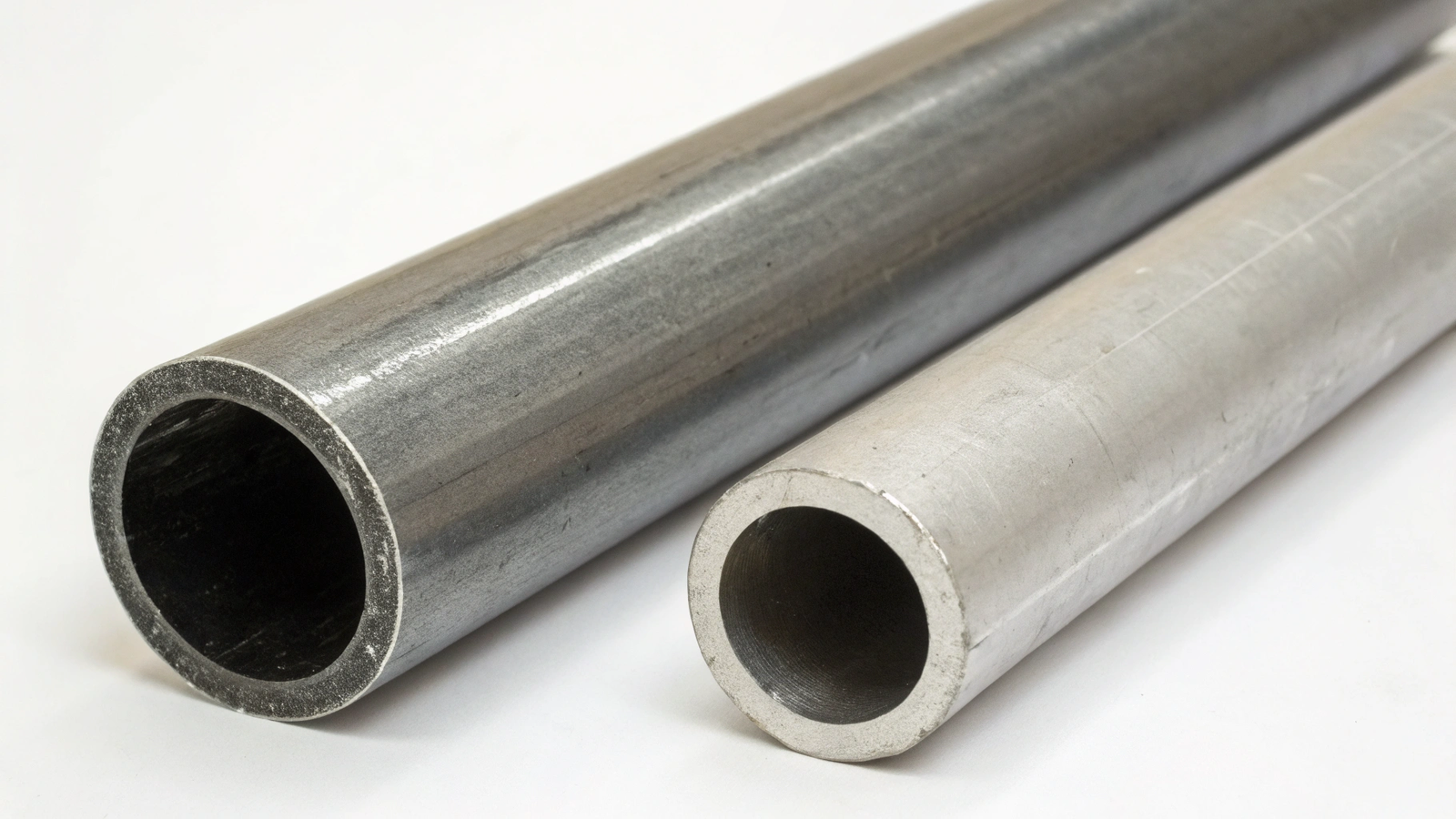
When selecting aluminum tubing for your project, consider the specific requirements of your application. Selecting the right type and material will ensure the best performance and longevity.
Conclusion
Understanding aluminum tubing's types, materials, and applications is crucial for making informed decisions that lead to successful projects.
"6061 aluminium alloy - Wikipedia", https://en.wikipedia.org/wiki/6061_aluminium_alloy. Standard alloy-composition tables for wrought aluminum alloys list the magnesium and silicon ranges for 6061 and 6063, allowing a direct comparison of their specified alloying contents. Evidence role: definition; source type: institution. Supports: 6061 aluminum contains higher specified amounts of magnesium and silicon than 6063 aluminum.. ↩