
The quest for strength can feel overwhelming. Many industries demand materials that withstand extreme conditions. SWA's forged aluminum components offer a solution. They combine strength and reliability to meet your toughest requirements.
Aluminum is a preferred material for forging due to its lightweight nature, excellent strength-to-weight ratio, and resistance to corrosion1. Forged aluminum components are ideal for industries that need durable and reliable parts.
At SWA Forging, we understand that your projects depend on strong materials. We focus on the grain structure of aluminum. This is crucial for ensuring that our components provide predictable performance. By engineering reliability into every piece, we aim to eliminate risks for our clients. Our forged aluminum is ready for demanding applications, ensuring your success.
Why is aluminum commonly used in forging?
Aluminum is a versatile material. Its properties make it a top choice for forging. It offers an impressive balance of strength, weight, and resistance to various environmental factors. Aluminum's lightweight nature is a game-changer. When you need strength without the weight, aluminum delivers.
The common uses of aluminum in forging arise from its excellent machinability, high resistance to corrosion, and ability to be easily alloyed with other metals2. This flexibility allows manufacturers to create custom components that meet specific performance needs.
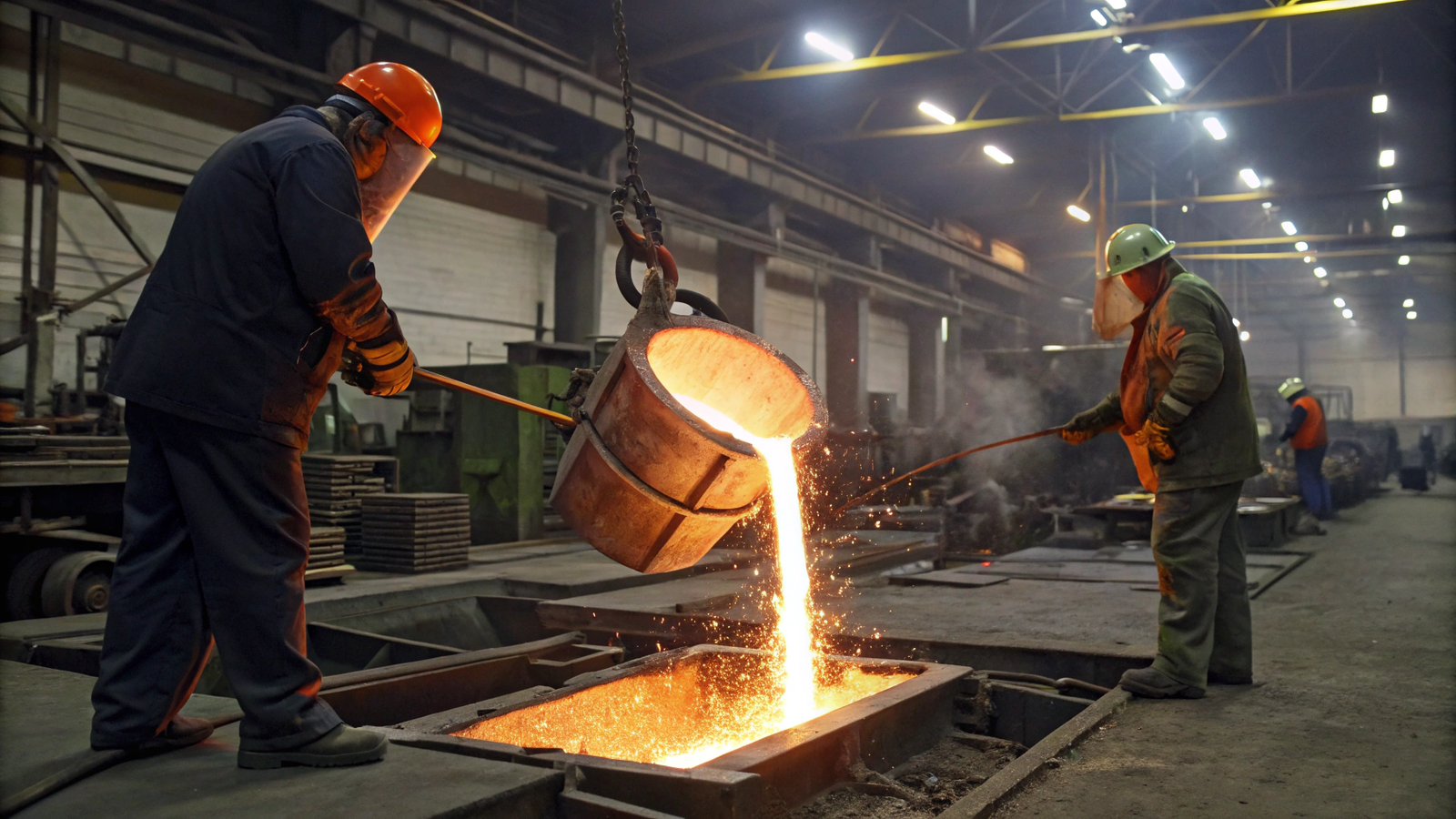
Aluminum’s low density makes it easier to handle and transport, which is beneficial across many industries. Its malleability allows for complex shapes to be forged. This is particularly important when components need to fit precisely into their applications. In high-stress environments, aluminum's ability to maintain its strength and form is vital.
What types of components are generally prepared by forging?
Forged aluminum components come in various forms. Common items include rings, discs, and specialized shapes. Each component is designed to meet specific requirements in industries like automotive, aerospace, and construction.
Typically, aluminum forging is used to create components such as gears, brackets, and frames. These parts often undergo further machining to achieve the desired dimensions and surface finishes. Forged aluminum parts are preferred for their enhanced mechanical properties compared to cast or extruded alternatives.
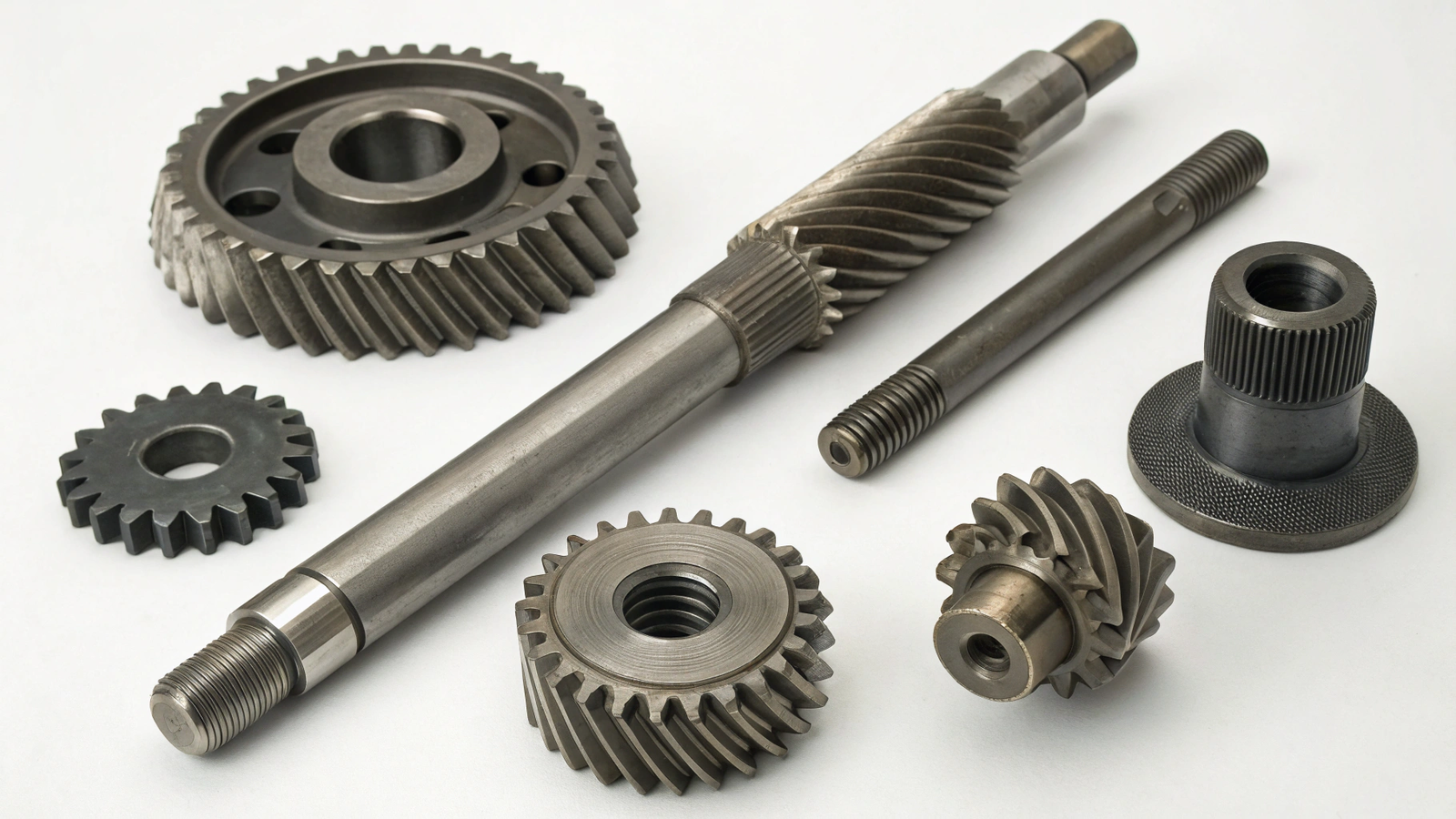
The types of components we forge at SWA are designed for durability. Our large-diameter forged rings and discs are vital in numerous applications. Whether it's in heavy machinery or aerospace components, our products are engineered for performance. Each item is crafted to meet the highest standards.
What are the properties of forged Aluminium?
Forged aluminum possesses several key properties. These attributes make it an excellent choice for demanding applications. First, forged aluminum is stronger than other forms of aluminum. The forging process aligns the grain structure, enhancing strength and durability.
Forged aluminum components exhibit high tensile strength, improved fatigue resistance, and excellent machinability. Additionally, they offer a good balance of lightweight properties and corrosion resistance, making them ideal for various applications.
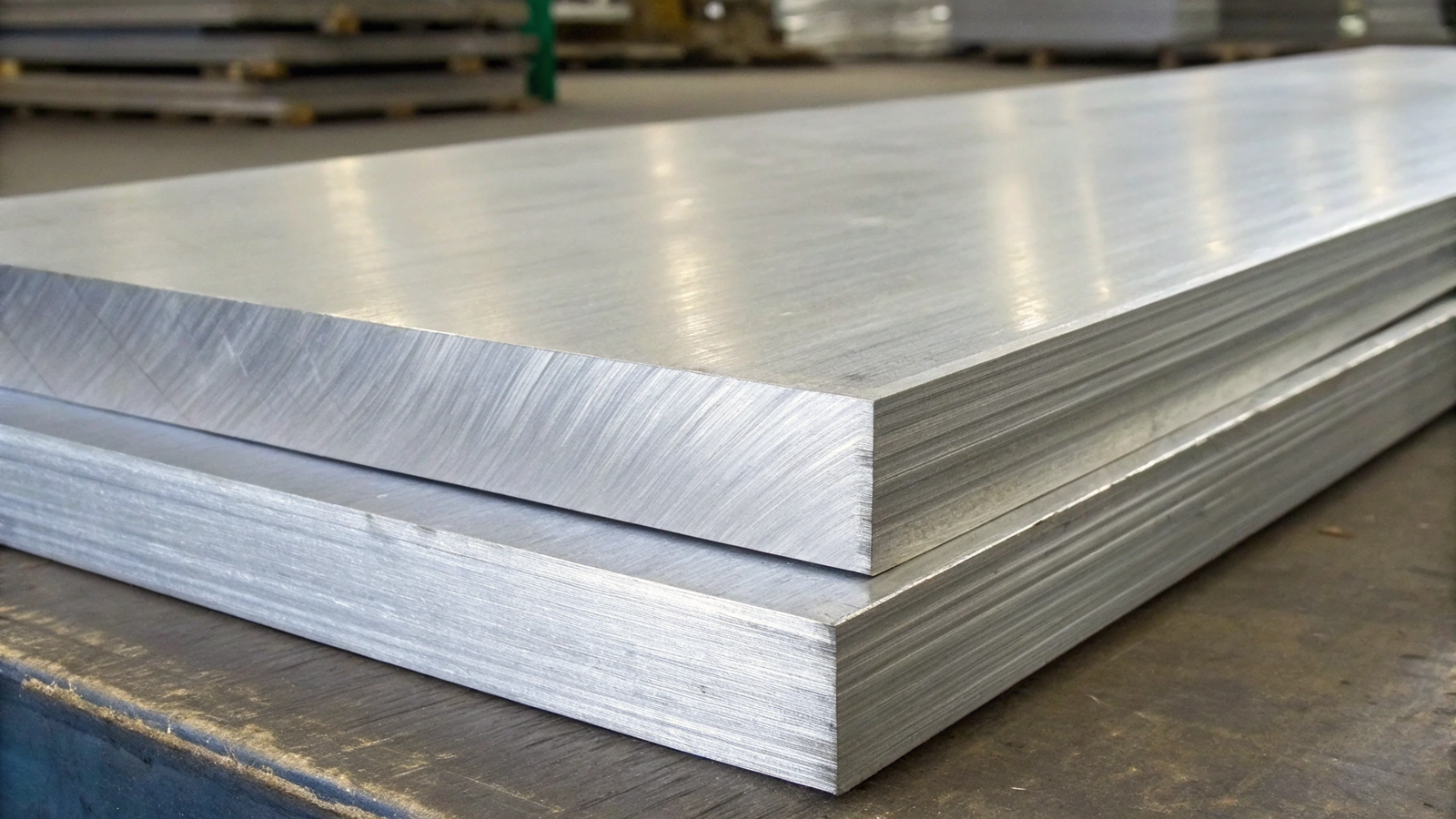
Moreover, forged aluminum maintains good thermal and electrical conductivity. This makes it suitable for applications beyond structural uses. The combination of these properties gives users confidence in the performance of forged aluminum components.
Which metal is used for forging?
While many metals can be forged, aluminum stands out in various applications. Its unique characteristics make it a preferred choice. Other common metals used in forging include steel, titanium, and brass. However, aluminum is often selected for its lightweight and corrosion-resistant nature.
In the forging industry, aluminum alloys are specifically chosen for their enhanced properties. Common alloys like 6061 and 7075 provide excellent strength and are widely used in various applications, from automotive parts to aerospace structures.
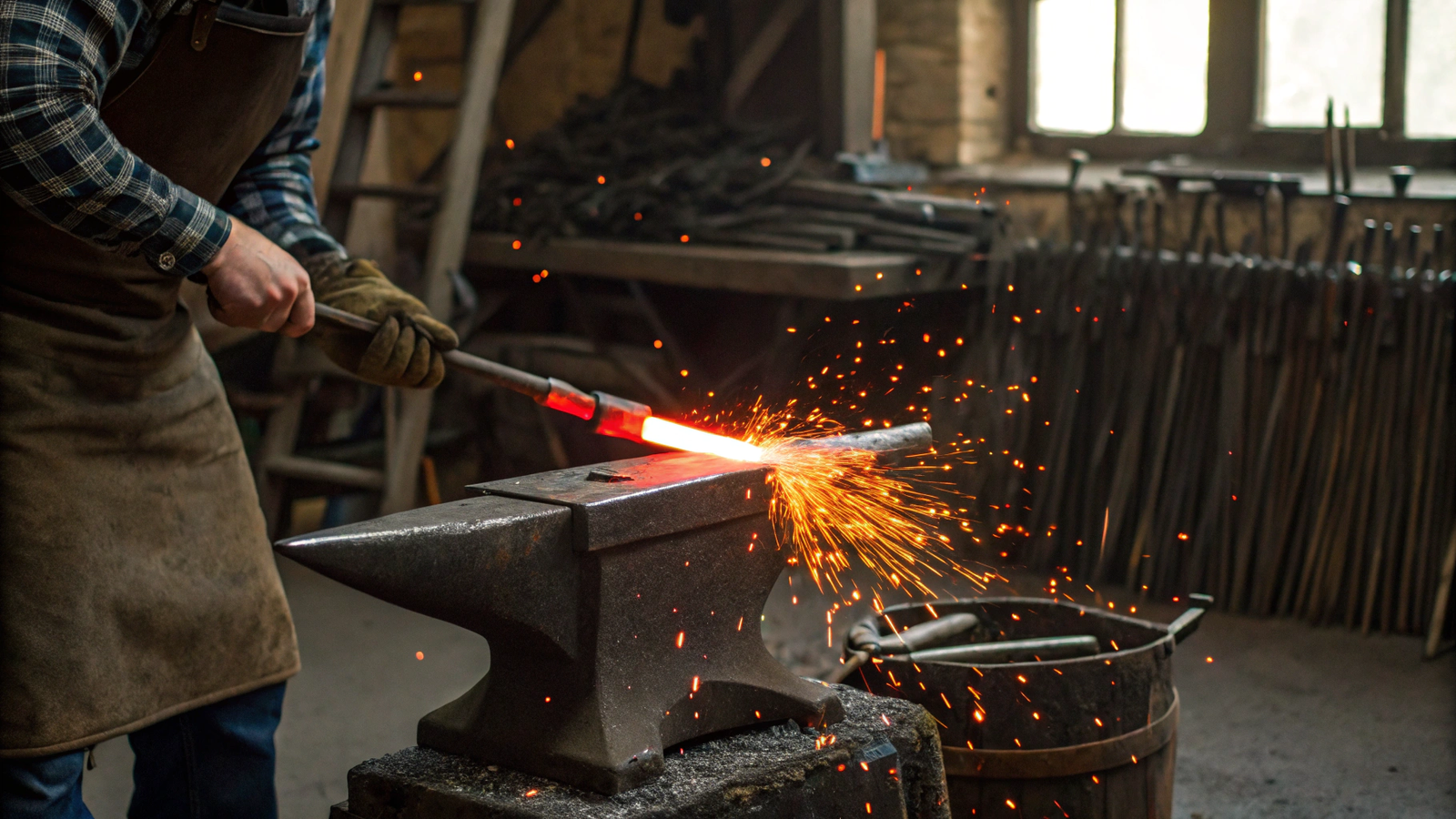
At SWA, we focus on providing high-quality aluminum alloys. Each alloy is selected based on the specific needs of our clients. This ensures that our forged components perform reliably, even in the most demanding environments.
Conclusion
Forged aluminum components from SWA provide the strength and reliability needed for your toughest applications.
"Corrosion of aluminum and its alloys - University of Kentucky", https://scholars.uky.edu/en/publications/corrosion-of-aluminum-and-its-alloys/. A materials-science reference can substantiate that aluminum alloys are valued for low density, favorable specific strength, and corrosion resistance in engineering applications; this supports the material-property rationale rather than proving suitability for every forged part. Evidence role: general_support; source type: education. Supports: Aluminum is often selected for forging because it is lightweight, has a strong strength-to-weight profile, and resists corrosion.. Scope note: Support would be general to aluminum alloys and may vary by alloy, temper, and service environment. ↩
"[PDF] Structural Materials - Metals and Metal Alloys", https://wp.optics.arizona.edu/optomech/wp-content/uploads/sites/53/2016/10/OPTI_222_W26.pdf. A neutral materials reference can document aluminum’s machinability, corrosion behavior, and formation of numerous engineering alloys; this supports the stated property set at a general level rather than for all aluminum grades. Evidence role: general_support; source type: education. Supports: Aluminum’s use in forging is related to machinability, corrosion resistance, and its capacity to form useful alloys.. Scope note: Machinability and corrosion resistance differ substantially among aluminum alloy series and tempers. ↩