
Upgrading your design is crucial for performance. Standard plates have weak points, while forged aluminum offers superior strength1, making it a smart choice.
Forged aluminum provides better strength and reliability than standard aluminum plates. This is due to the engineered grain flow, which enhances the material's properties.
Choosing the right material for your design can be overwhelming. The difference between forged and standard aluminum is about more than just the manufacturing process. Let’s explore why forged aluminum is superior.
Is forged aluminum better than aluminum?
Upgrading your design begins with understanding the materials you are using. Standard aluminum plates have random grain structures. This results in weak points that can compromise the strength of your finished product. In contrast, forged aluminum is created under intense pressure. This process aligns the grain structure, leading to a more robust material that can handle stress better.
Forged aluminum is often considered better than standard aluminum due to its enhanced strength and reliability. The forging process improves the material's performance in demanding applications.
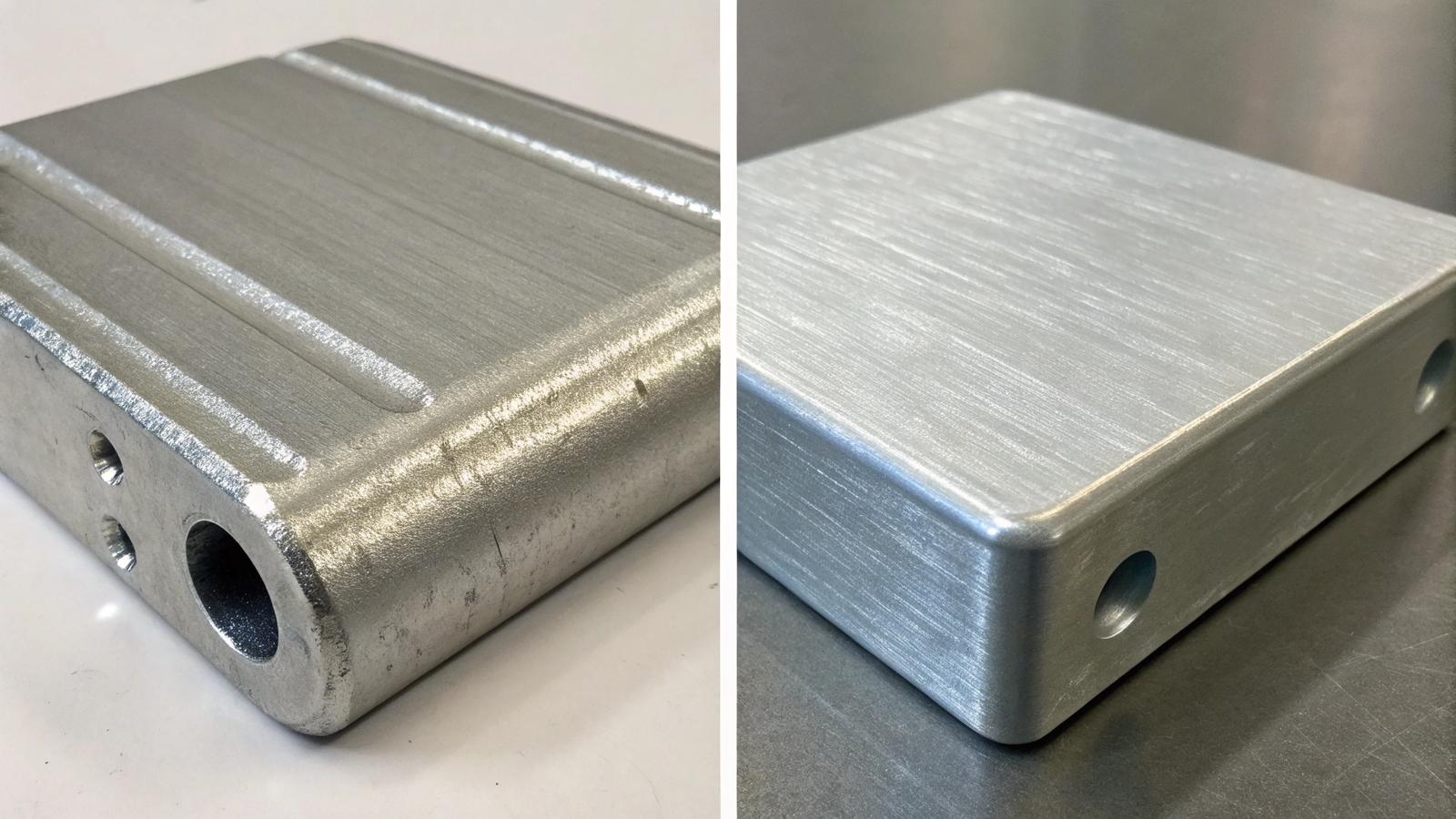
When comparing forged aluminum to standard aluminum, it’s essential to delve deeper into the specifics of the materials. The benefits of forged aluminum stem from its manufacturing process. By applying heat and pressure, the metal is manipulated to create a uniform grain structure. This structure enhances the material's strength and reduces the likelihood of failure under stress.
Here’s a breakdown of some key advantages of forged aluminum:
| Feature | Forged Aluminum | Standard Aluminum |
|---|---|---|
| Grain Structure | Aligned and uniform | Random |
| Strength | Higher | Lower |
| Reliability | Enhanced | Variable |
| Stress Resistance | Superior | Generally weaker |
Forged aluminum is not just about strength; it’s also about reliability. Engineers often rely on materials that can perform consistently under varying conditions. The advantages of forged aluminum make it an attractive option for many applications where performance is critical.
What is stronger, T5 or T6 aluminum?
Let’s dive into the specifics of aluminum alloy strengths. T5 and T6 refer to different tempering processes of aluminum.2 T6 aluminum is stronger than T5 due to additional heat treatment. The T6 process involves solution heat treatment followed by aging, which results in increased strength.
T6 aluminum is generally stronger than T5 aluminum due to its enhanced heat treatment process, making it a preferred choice in high-stress applications.
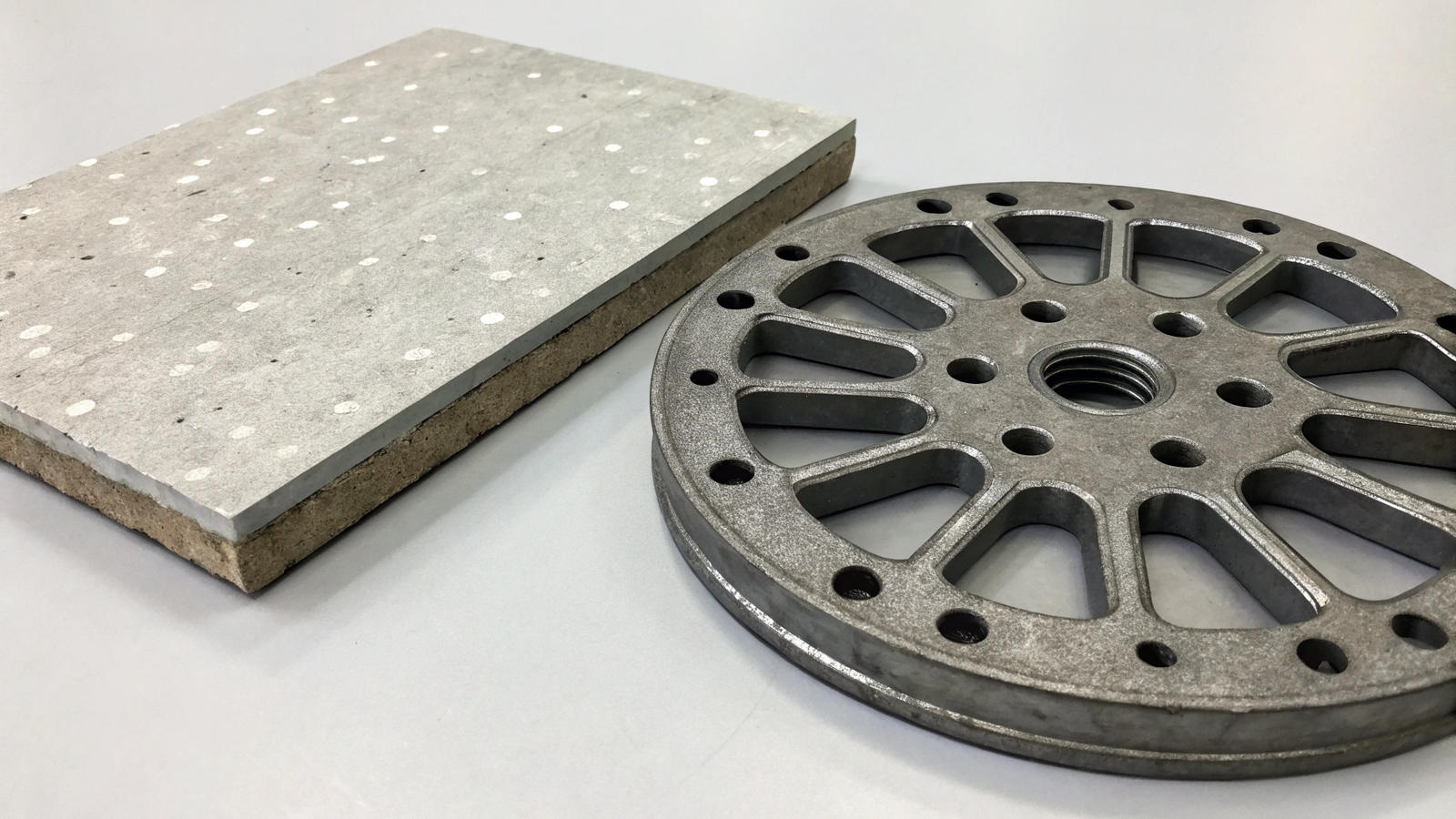
Understanding the differences between T5 and T6 aluminum is essential for making the right choice for your project. T5 aluminum is heat-treated but not to the extent of T6. This leads to a significant difference in their mechanical properties.
When choosing between the two, consider the demands of your application. For instance, if you need a material that withstands higher stress levels, T6 aluminum is the better option. On the other hand, if your project doesn’t require maximum strength, T5 may be adequate.
Here’s a summary of key differences:
| Property | T5 Aluminum | T6 Aluminum |
|---|---|---|
| Strength | Moderate | High |
| Heat Treatment | Less intensive | More intensive |
| Typical Applications | General use | High-stress applications |
Ultimately, selecting between T5 and T6 aluminum depends on the specific requirements of your design.
Is 6061 aluminum forged?
6061 aluminum is a versatile alloy known for its good mechanical properties and weldability. While it can be forged, it is not exclusively a forged material. It can also be found in various forms, including extrusions and rolled plates.
6061 aluminum can be forged, but it can also be used in other forms, making it a flexible choice for multiple applications.
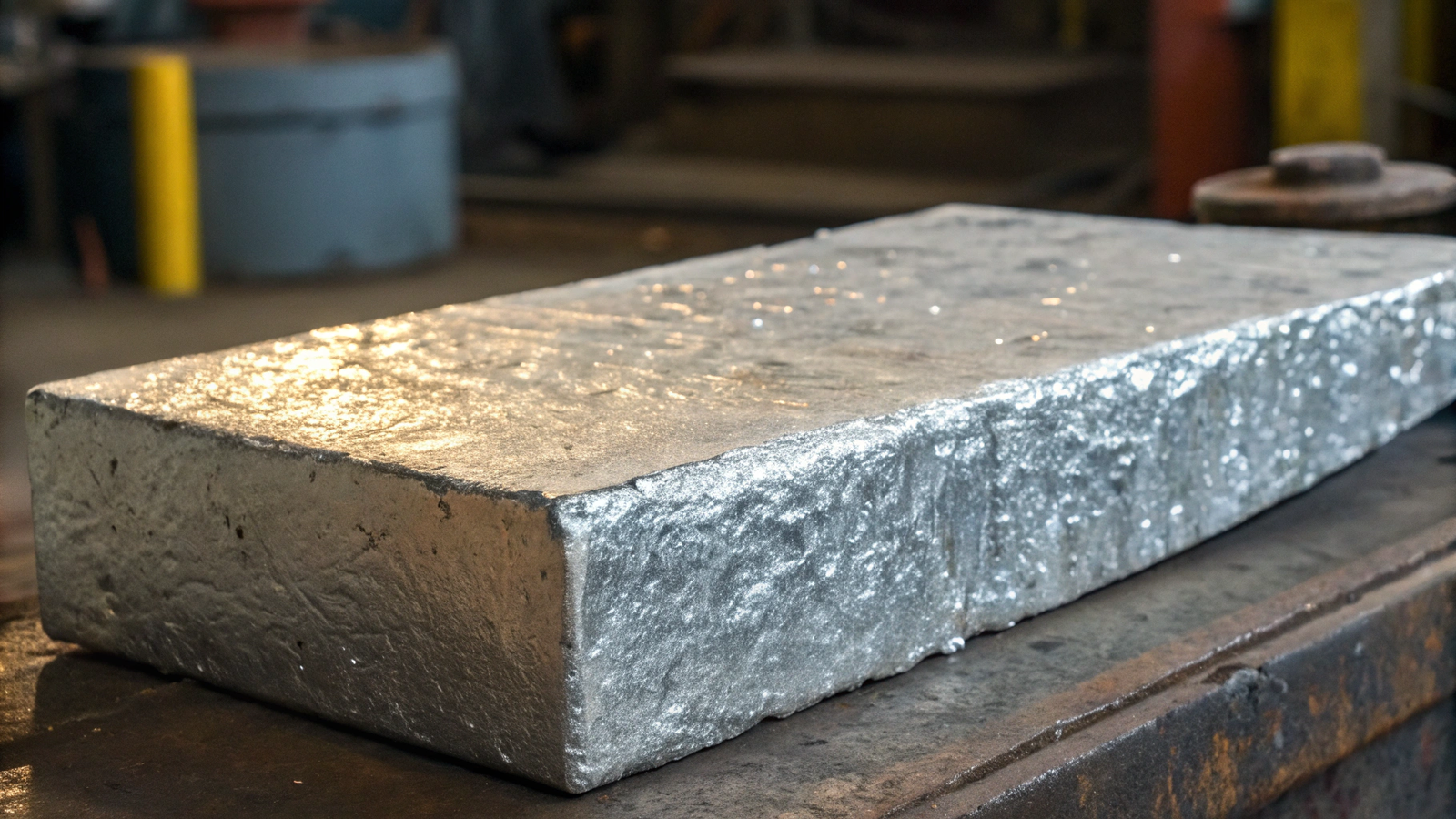
This versatility makes 6061 aluminum popular in various industries. When discussing forging, it's important to know that the forging process can enhance the properties of 6061 aluminum. By forging, we can improve its yield strength, tensile strength, and overall performance.
If you are considering using 6061 aluminum for your projects, you should be aware of its capabilities. Here are some strengths you can expect from forged 6061 aluminum:
| Property | Forged 6061 Aluminum | Rolled 6061 Aluminum |
|---|---|---|
| Yield Strength | Higher | Moderate |
| Durability | Enhanced | Standard |
| Workability | Good | Good |
Overall, while 6061 aluminum can be forged, its properties are significantly enhanced when subjected to this process.
Is forged aluminum stronger than CNC?
CNC (Computer Numerical Control) machining is a process that precisely shapes materials, including aluminum. However, the strength of a component created through CNC depends on the original material. When comparing forged aluminum to CNC-machined aluminum, forged aluminum typically offers superior strength.
Forged aluminum is generally stronger than CNC-machined aluminum due to its refined grain structure and enhanced mechanical properties.
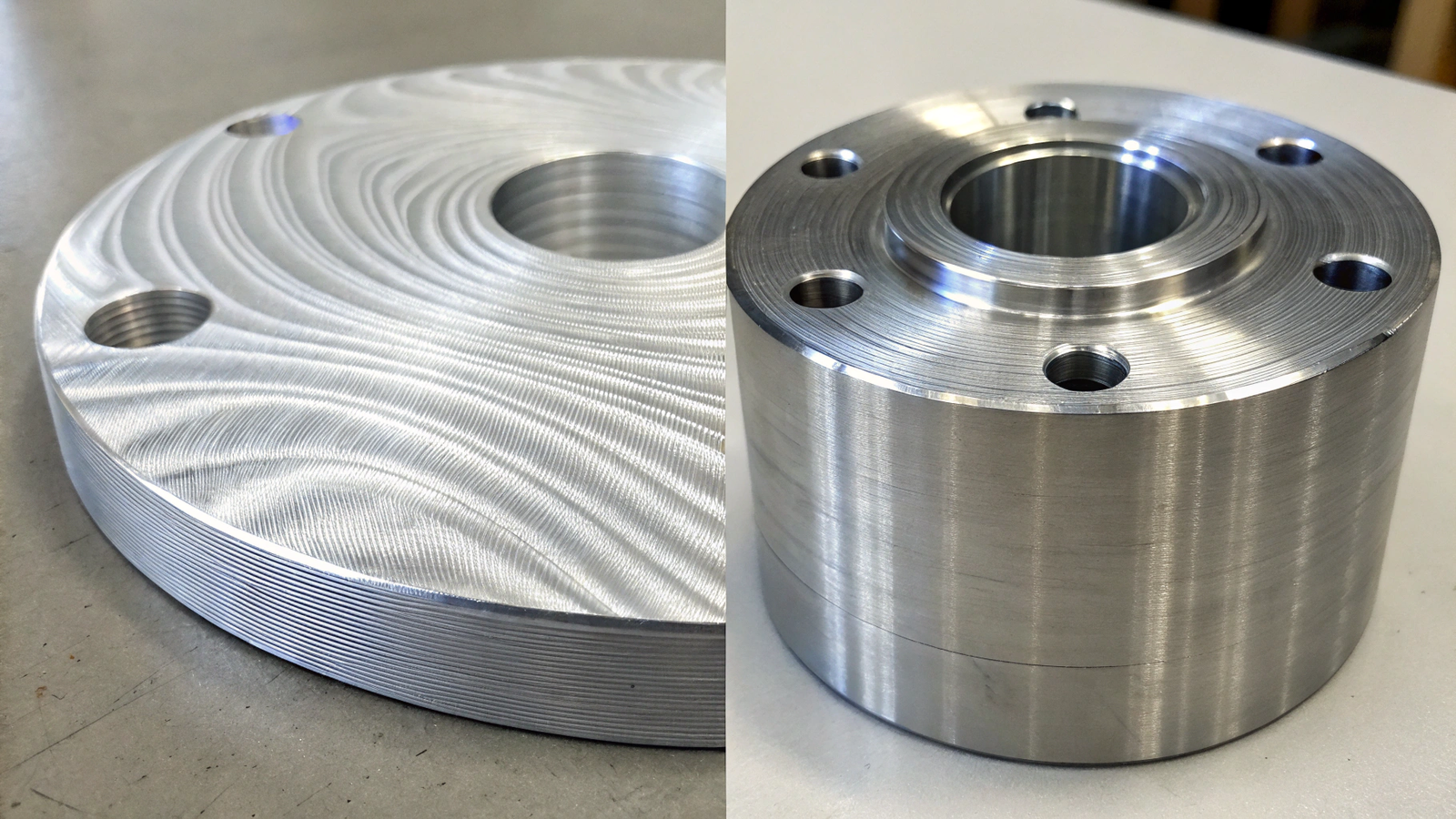
When thinking about the strength of forged versus CNC, consider the process of creating each. Forged aluminum undergoes a process that aligns the grain structure, which greatly enhances its strength. CNC machining, on the other hand, shapes the material but does not enhance its inherent properties.
Here’s a comparison of the two processes:
| Feature | Forged Aluminum | CNC-Machined Aluminum |
|---|---|---|
| Grain Structure | Aligned | Random |
| Strength | Higher | Variable |
| Application Flexibility | Limited to specific shapes | Highly flexible |
In most cases, if you prioritize strength and reliability in your design, forged aluminum is the better choice. It offers consistent performance that can be critical in demanding applications.
Conclusion
SWA’s forged aluminum provides enhanced strength and reliability compared to standard plates, making it an ideal choice for your design upgrades.
"[PDF] Forging of Aluminum Alloys - NIST Materials Data Repository", https://materialsdata.nist.gov/bitstream/handle/11115/223/Forging%20of%20Aluminum%20Alloys.pdf?isAllowed=y&sequence=1. A materials engineering source on aluminum forging supports that forging can improve strength and fatigue resistance by shaping grain flow compared with some cast or wrought stock forms. Evidence role: general_support; source type: institution. Supports: Forged aluminum offers superior strength compared with standard aluminum plates.. Scope note: The degree of improvement depends on alloy, temper, forging design, and comparison material, so it does not prove superiority over every standard plate. ↩
"[PDF] Understanding the Aluminum Temper Designation System", https://materialsdata.nist.gov/bitstream/handle/11115/186/Understanding%20Temper%20Designation.pdf?sequence=3&isAllowed=y. An aluminum temper designation reference supports that T5 and T6 are standardized temper conditions for heat-treatable aluminum alloys, with T5 involving cooling from an elevated-temperature shaping process and artificial aging, and T6 involving solution heat treatment and artificial aging. Evidence role: definition; source type: institution. Supports: T5 and T6 refer to different aluminum tempering processes.. Scope note: Temper definitions are standardized, but mechanical properties also vary by alloy and product form. ↩