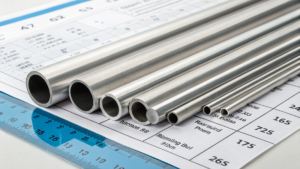

Aluminum tubes are popular in many industries. But how strong are they? Understanding the factors that influence strength is crucial for making informed decisions.
The strength of an aluminum tube depends on its alloy, wall thickness, and size. However, the manufacturing process, particularly the metallurgical process, plays a vital role in determining strength.
The strength of aluminum tubes is a key consideration for engineers and manufacturers. While many focus on the alloy and wall thickness, I believe it is essential to highlight the metallurgical process. A tube's strength is not solely determined by its dimensions but also by how it was made. The process influences the grain structure, impacting the material's performance.
What is the strength of aluminum tube? Aluminum tubes are known for their lightweight and strength. But what exactly does that mean? Strength refers to the material's ability to resist deformation and failure under load. Different aluminum alloys exhibit varying strength levels. For instance, [6061 aluminum offers good corrosion resistance and weldability1]1, making it a popular choice.
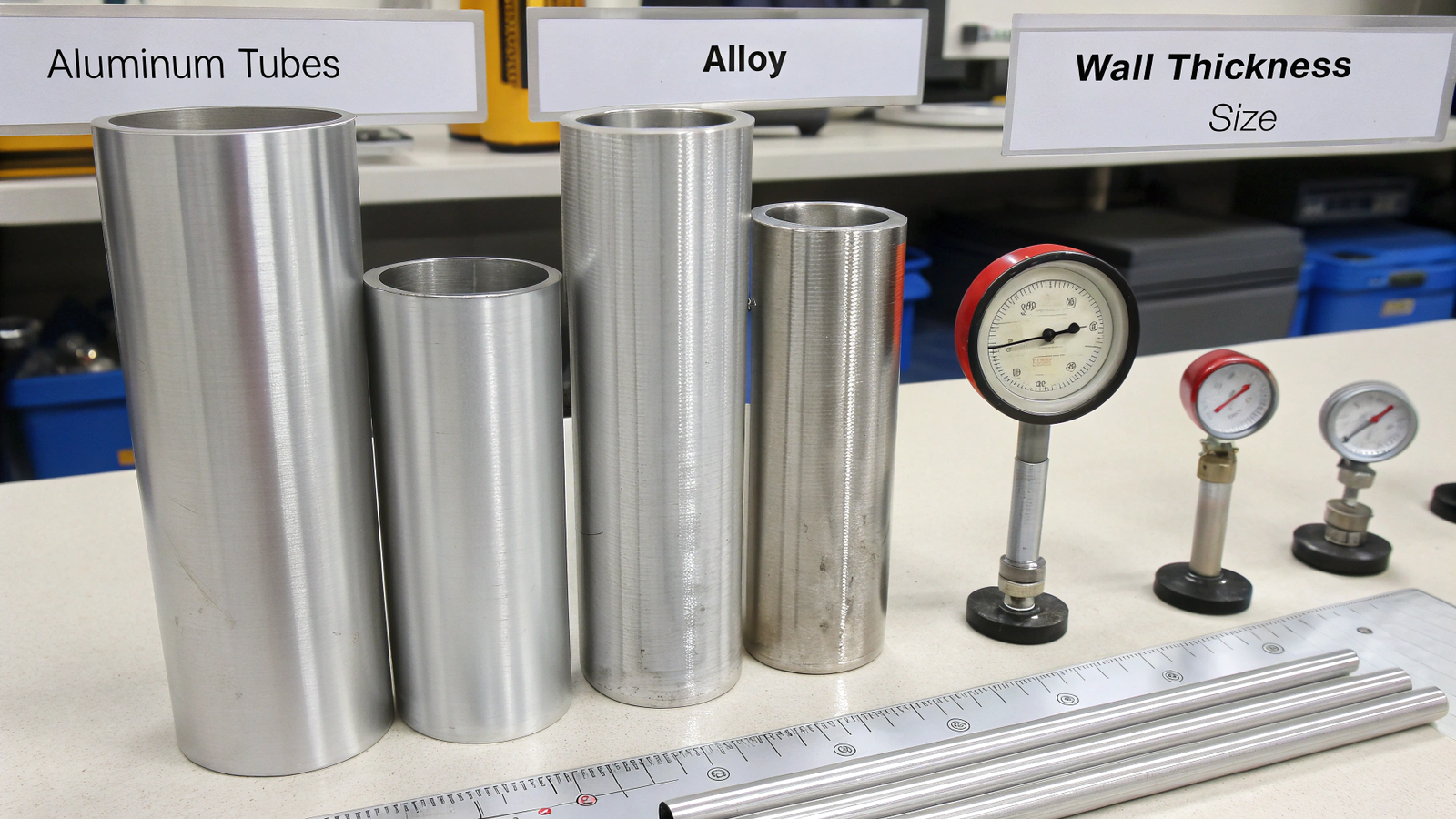
The strength of an aluminum tube is affected by the alloy used and its dimensions. The right combination can lead to impressive performance, but it's crucial to consider the manufacturing process as well.
The strength of aluminum tubes is measured in yield strength and tensile strength. Yield strength is the point at which the material begins to deform, while tensile strength is the maximum stress exerted before failure. These values can vary widely depending on the alloy. For example, 7075 aluminum has a higher strength but lower corrosion resistance than 6061.
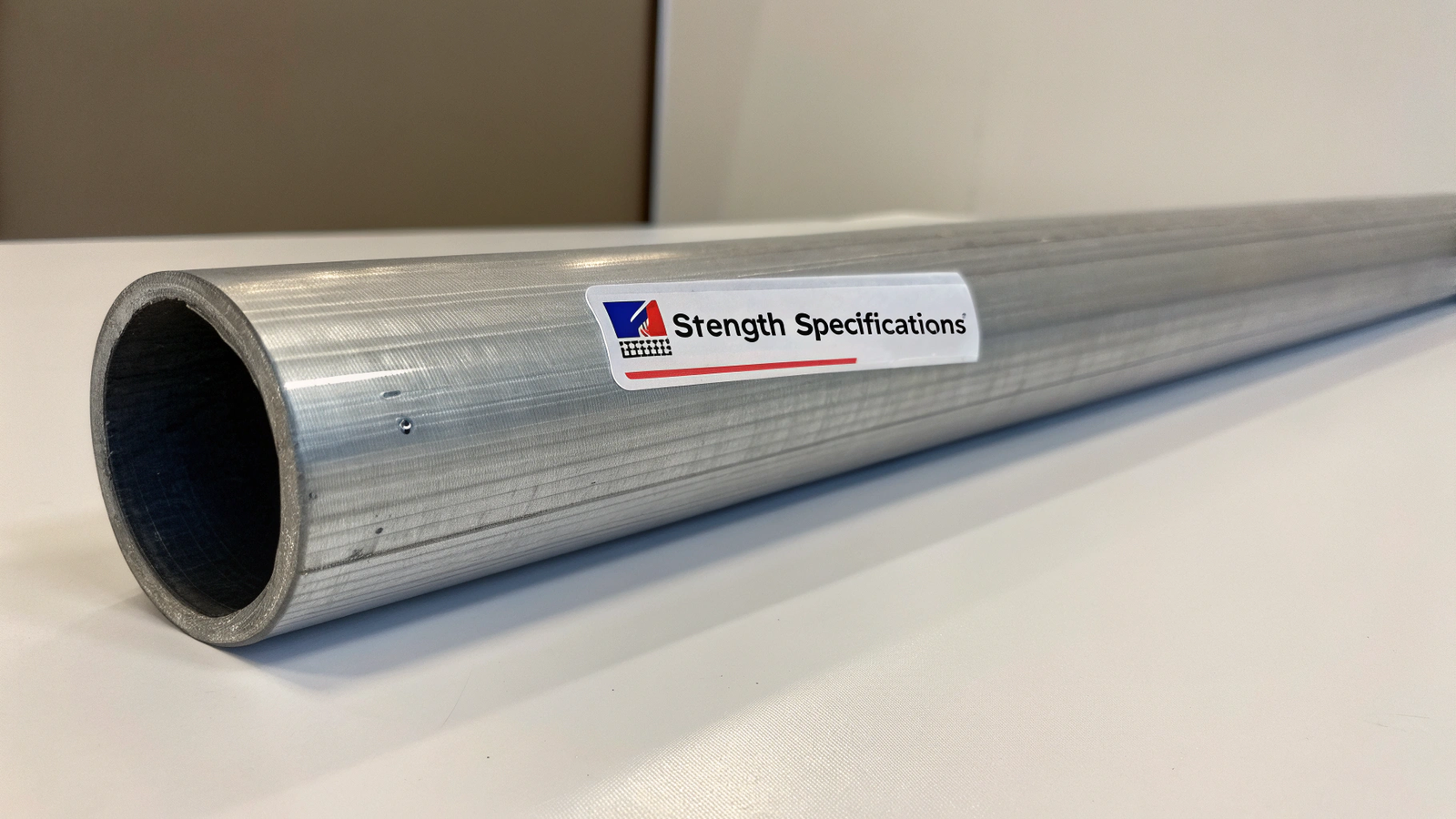
Aluminum tubes often undergo various testing methods to determine their strength. Common tests include tensile tests, where samples are pulled until they break, and compression tests, where samples are pressed until failure. Understanding these tests helps manufacturers select the right material for their specific applications.
What is the minimum wall thickness for aluminum? The minimum wall thickness for aluminum tubes is a critical factor in determining their strength. But what is the right thickness? This depends on the application, the load the tube will bear, and the alloy used. Generally, the minimum wall thickness for structural applications is around 0.065 inches, but it can vary.
Choosing the right wall thickness ensures that the aluminum tube can withstand the required loads without excessive deformation or failure.
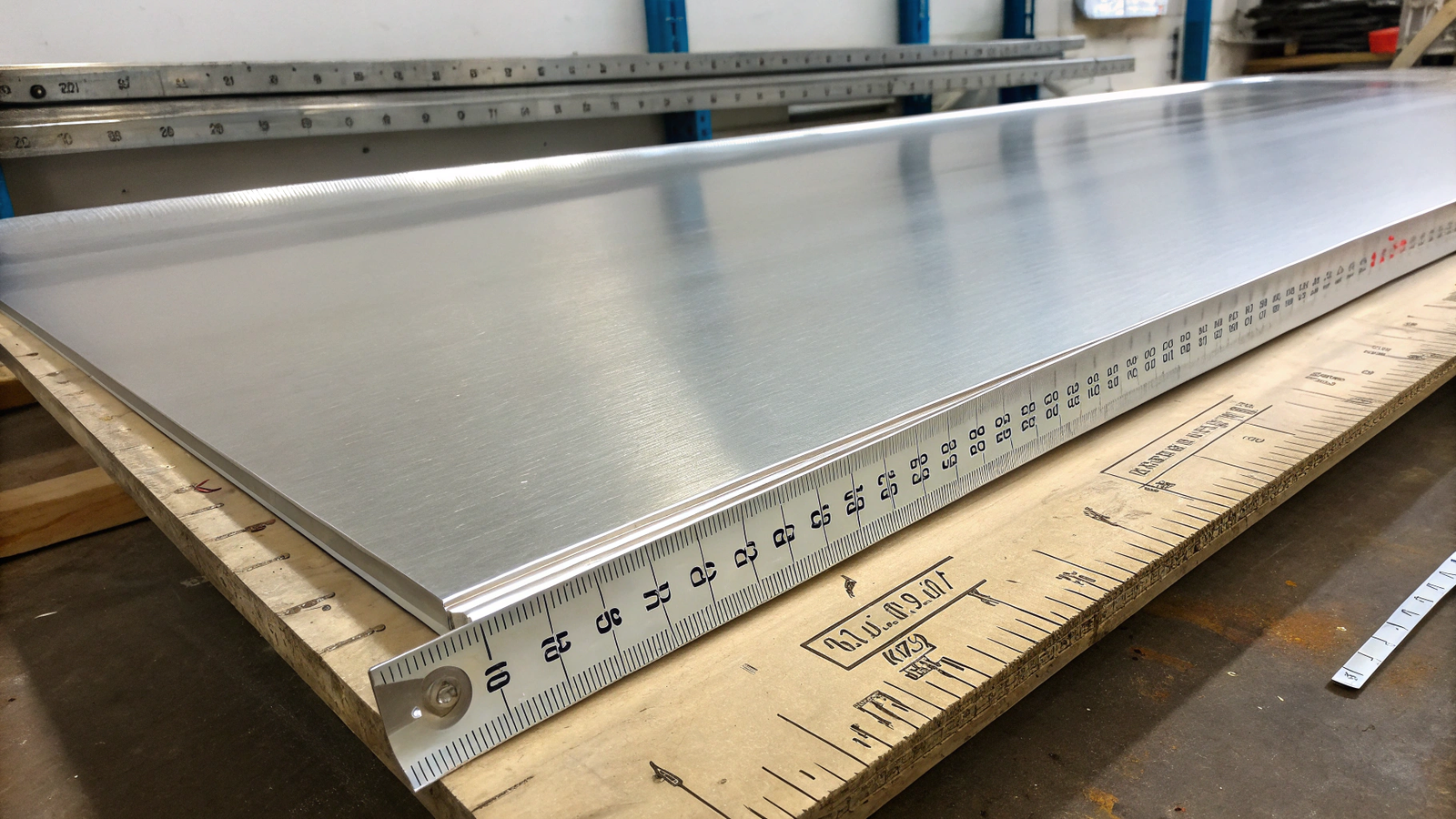
In my experience, a thicker wall increases strength and rigidity. However, it also adds weight. For applications where weight is a concern, such as aerospace, choosing a thinner wall with a high-strength alloy can be an effective approach.
It’s essential to consider the trade-offs when selecting wall thickness. A thicker wall may provide more strength but could also increase costs. Conversely, a thinner wall may save weight but could lead to premature failure if not carefully selected.
When designing aluminum tube applications, it’s vital to consult the relevant design codes and standards. These guidelines ensure that the selected wall thickness meets safety and performance requirements.
What is the strength of aluminum alloys? Aluminum alloys are engineered to enhance specific properties, including strength. There are two main categories: wrought and cast alloys. Wrought alloys, like 6061 and 7075, are shaped through mechanical processes. Cast alloys, such as 319 and 356, are formed by pouring molten aluminum into molds.
The strength of aluminum alloys can vary greatly based on their composition, heat treatment, and processing. Understanding these factors is key to selecting the right alloy for your application.
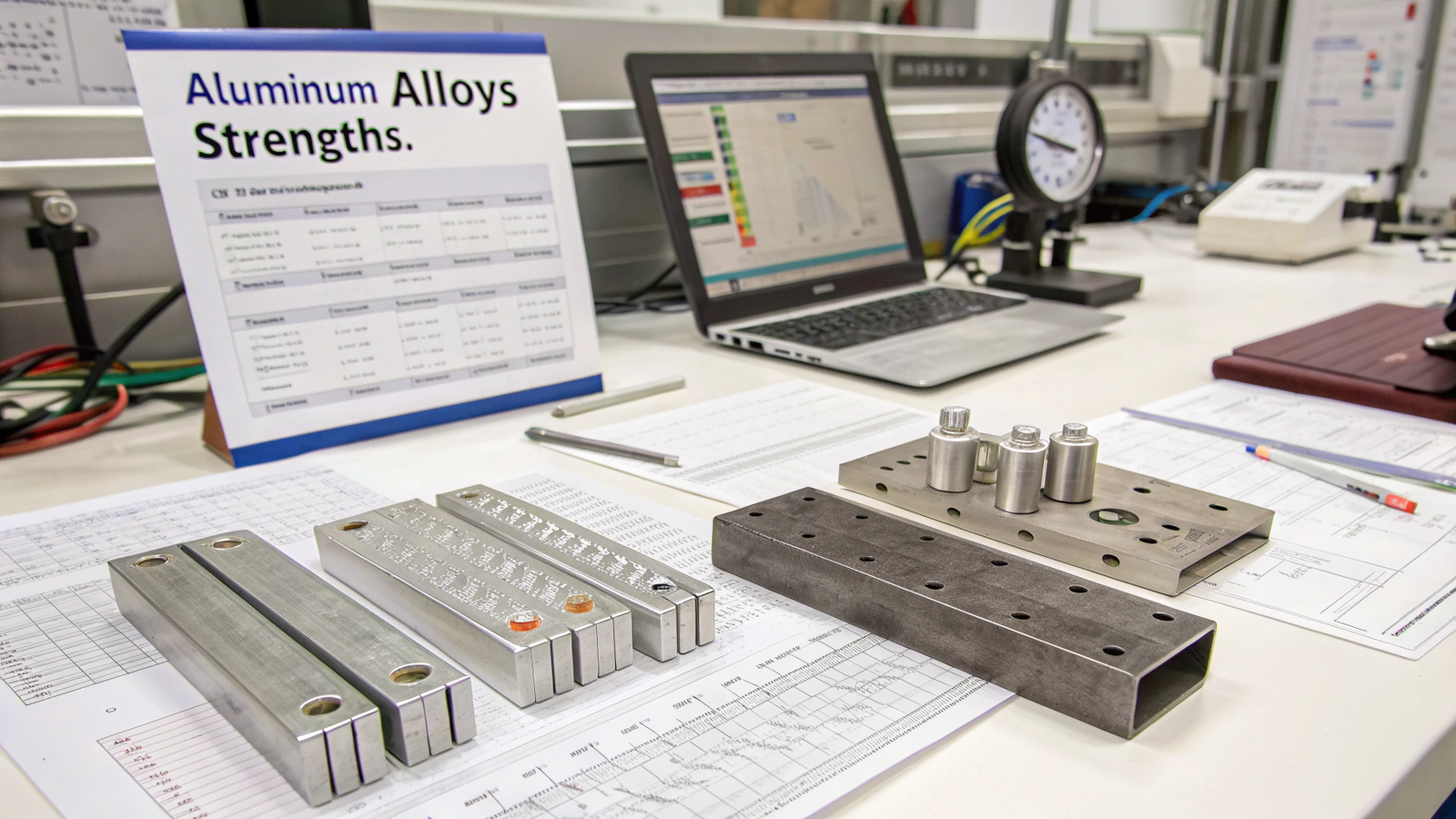
Most aluminum alloys achieve their strength through heat treatment. Heat treatment processes like aging can improve the material's properties significantly. For instance, a T6-treated 6061 alloy can have a yield strength of over 35,000 psi, making it suitable for demanding applications.
It's crucial to note that the alloy's strength is just one aspect of performance. Factors like corrosion resistance, weldability, and machinability must also be considered. For example, while 7075 aluminum is stronger than 6061, it is also more challenging to weld.
When selecting aluminum alloys, consider the specific application requirements. Some industries may prioritize strength, while others may need materials that resist corrosion or are easy to work with.
Are aluminum tubes strong? Aluminum tubes are generally strong, but their performance is influenced by several factors. The alloy used, wall thickness, and manufacturing process all play a role in determining strength.
Aluminum tubes can be strong and lightweight, but their true strength depends on more than just these variables. The metallurgical process is a key player that often goes unnoticed.
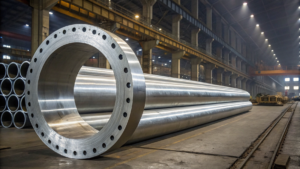
In my experience, components machined from solid forged rings demonstrate superior strength compared to tubes. Forging refines the grain structure, leading to predictable and enhanced strength characteristics. The homogenous structure formed during forging provides benefits that are often unattainable with tubes.
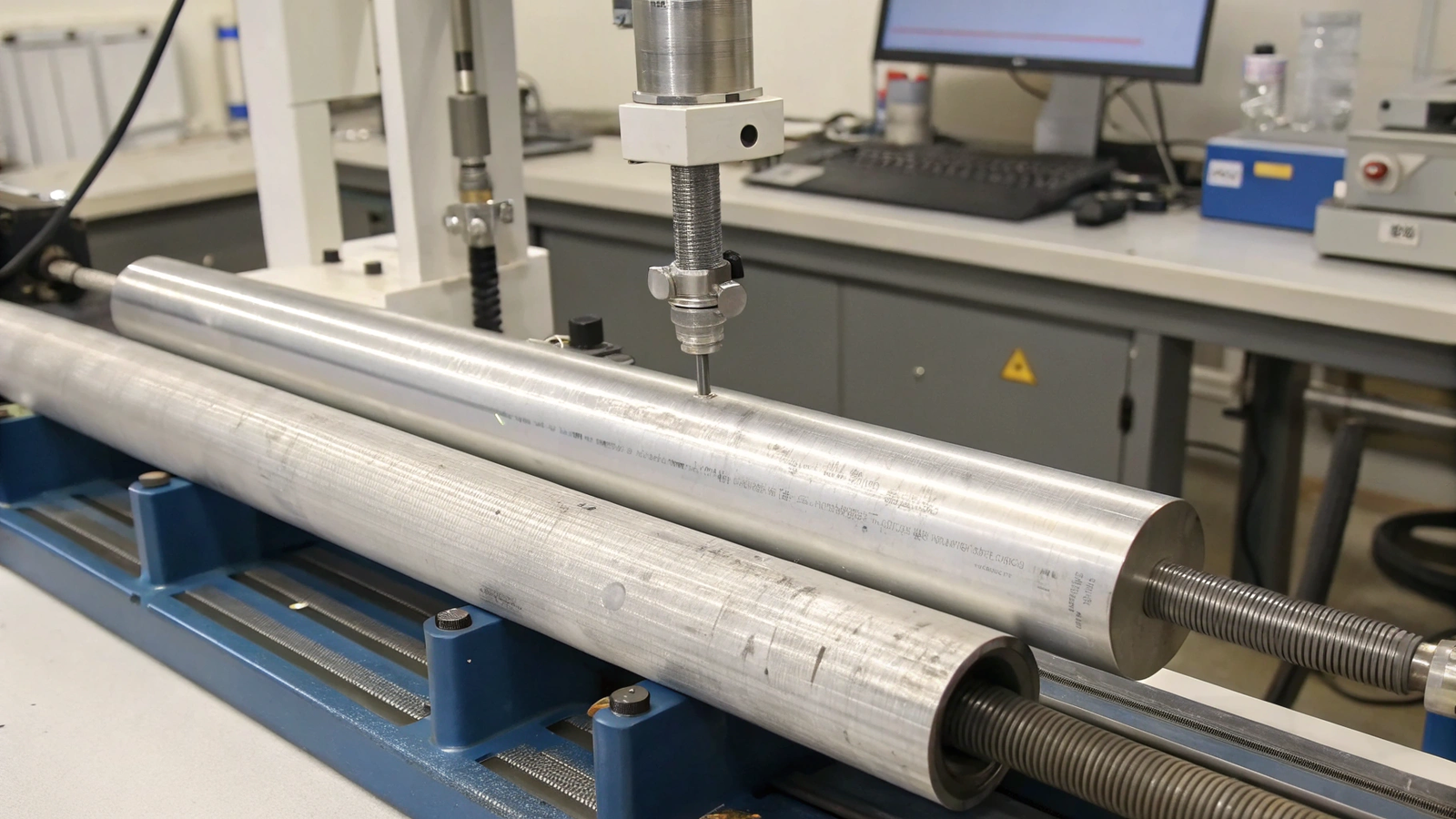
When considering the use of aluminum tubes in demanding applications, it is essential to evaluate the overall design. Sometimes, opting for solid forged components may yield better performance and reliability.
Conclusion Understanding aluminum tube strength involves considering alloy, wall thickness, and the metallurgical process. This knowledge is vital for making informed decisions in applications requiring high-performance materials.
"Corrosion Performance and Mechanical Strength in Aluminum ...", https://pmc.ncbi.nlm.nih.gov/articles/PMC9501936/. A neutral materials database or ASM-style reference listing 6061 aluminum properties supports that 6061 is commonly characterized by good corrosion resistance and weldability; it does not establish suitability for all service environments. Evidence role: general_support; source type: institution. Supports: 6061 aluminum offers good corrosion resistance and weldability.. Scope note: Corrosion and weldability depend on temper, environment, filler metal, and fabrication procedure. ↩