
The world of aluminum solutions is vast and often confusing. Many people struggle to understand the differences between forged and seamless options.
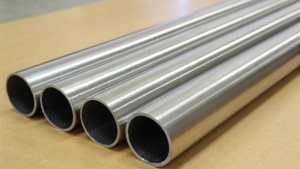
Seamless aluminum is a type of tubing made without any seams, offering strength and reliability. It is widely used in various industries due to its superior properties.
When considering aluminum solutions, it's essential to know how each option meets specific needs. Understanding the differences can help you make informed decisions for your projects.
What is seamless aluminum?
Seamless aluminum is made through an extrusion process, where aluminum is pushed through a die to create long tubes without any welded seams. This method results in a stronger, more durable product that stands up to high pressures and stresses.
Seamless aluminum tubes provide several advantages, including improved strength, reduced risk of leaks, and better overall performance in harsh conditions.
Diving deeper into the properties of seamless aluminum reveals that it offers excellent corrosion resistance and lightweight characteristics. These features make it ideal for applications in aerospace, automotive, and marine industries.
To better understand how seamless aluminum compares to other options, let's take a look at the following table:
| Property | Seamless Aluminum | Welded Aluminum | Forged Aluminum |
|---|---|---|---|
| Strength | High | Moderate | Very High |
| Corrosion Resistance | Excellent | Good | Good |
| Weight | Lightweight | Medium | Heavy |
| Manufacturing Cost | Moderate | Low | High |
Is there such a thing as forged aluminum?
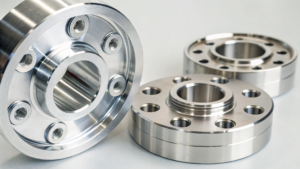
Yes, forged aluminum does exist. It is created by heating aluminum until it is pliable and then shaping it under high pressure. This process aligns the grain structure, resulting in a stronger material than cast aluminum.
Forged aluminum is known for its superior strength, making it suitable for applications requiring high performance and durability.
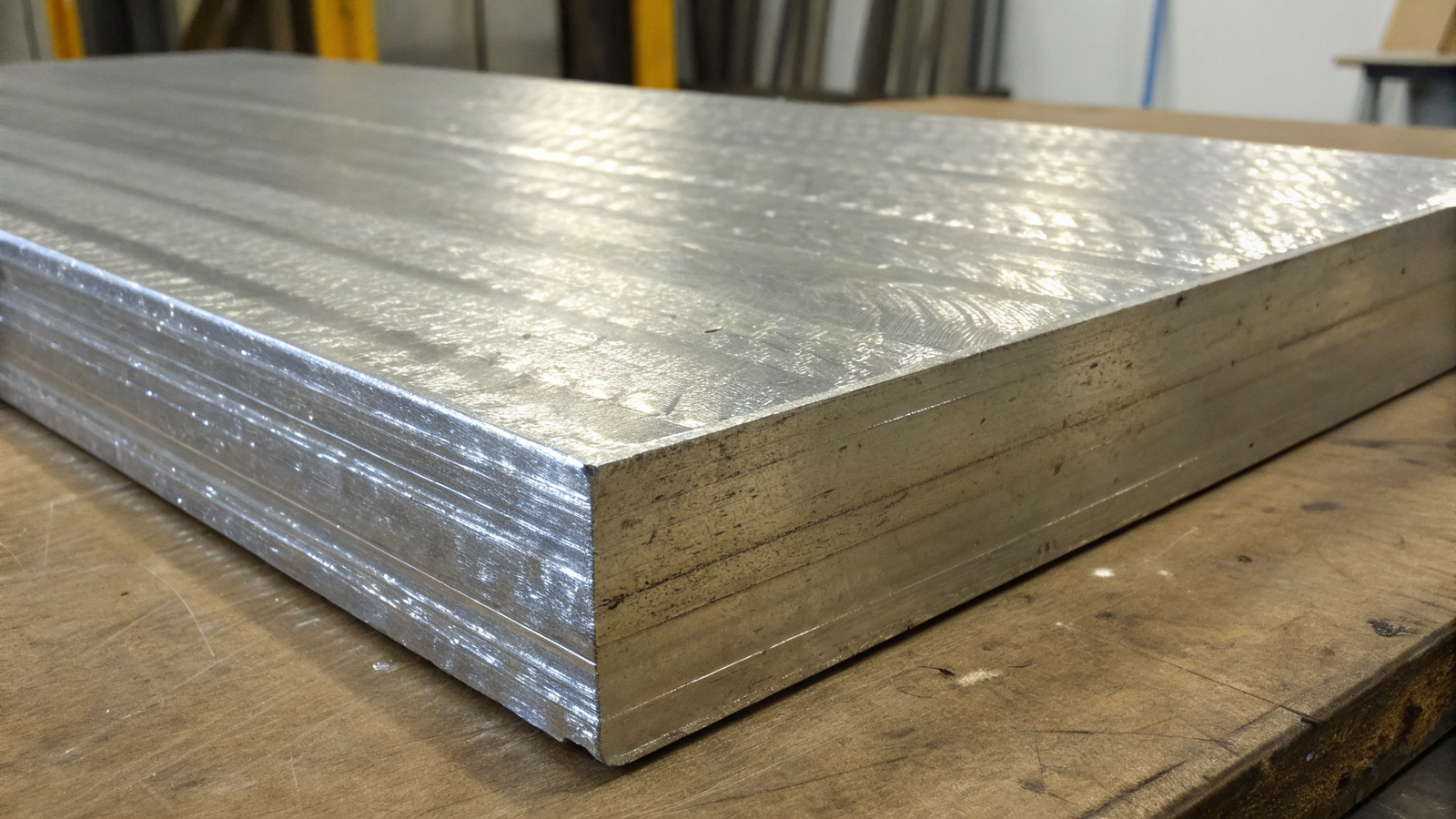
Exploring forged aluminum further, it’s clear that this option provides exceptional mechanical properties. As the grain structure is aligned during forging, the resulting product can withstand greater loads and stresses, making it highly sought after in industries like aerospace and automotive.
To understand the benefits of forged aluminum versus seamless options, consider this breakdown:
| Property | Forged Aluminum | Seamless Aluminum |
|---|---|---|
| Strength | Very High | High |
| Ductility | Moderate | High |
| Cost | High | Moderate |
| Common Uses | Aerospace parts | Piping systems |
Is 6061 aluminum suitable for machining?
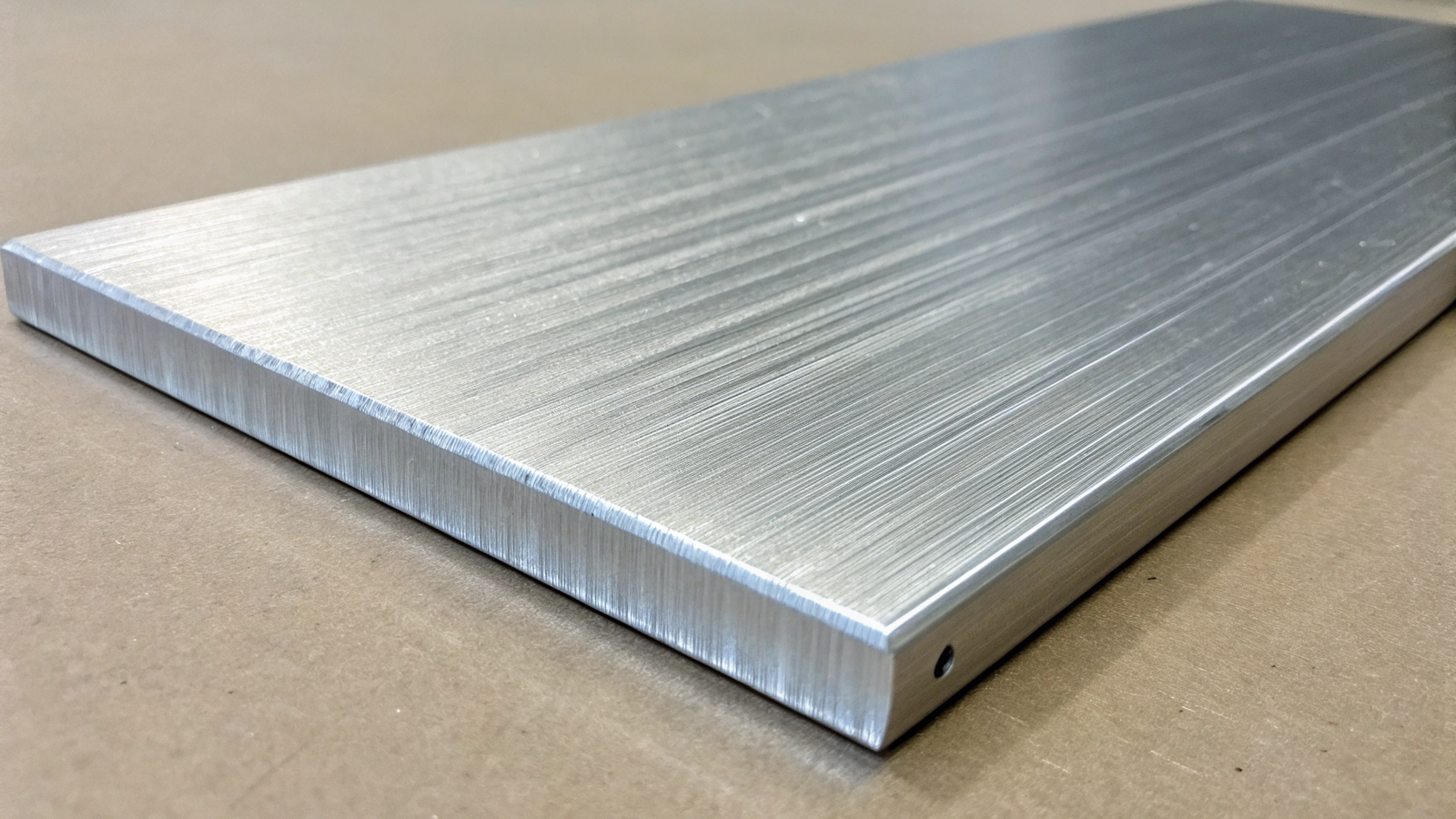
6061 aluminum is one of the most popular alloys for machining. It offers good mechanical properties, excellent corrosion resistance, and is easily weldable.
Machining 6061 aluminum is straightforward, making it a top choice for many applications, including structural components and automotive parts.
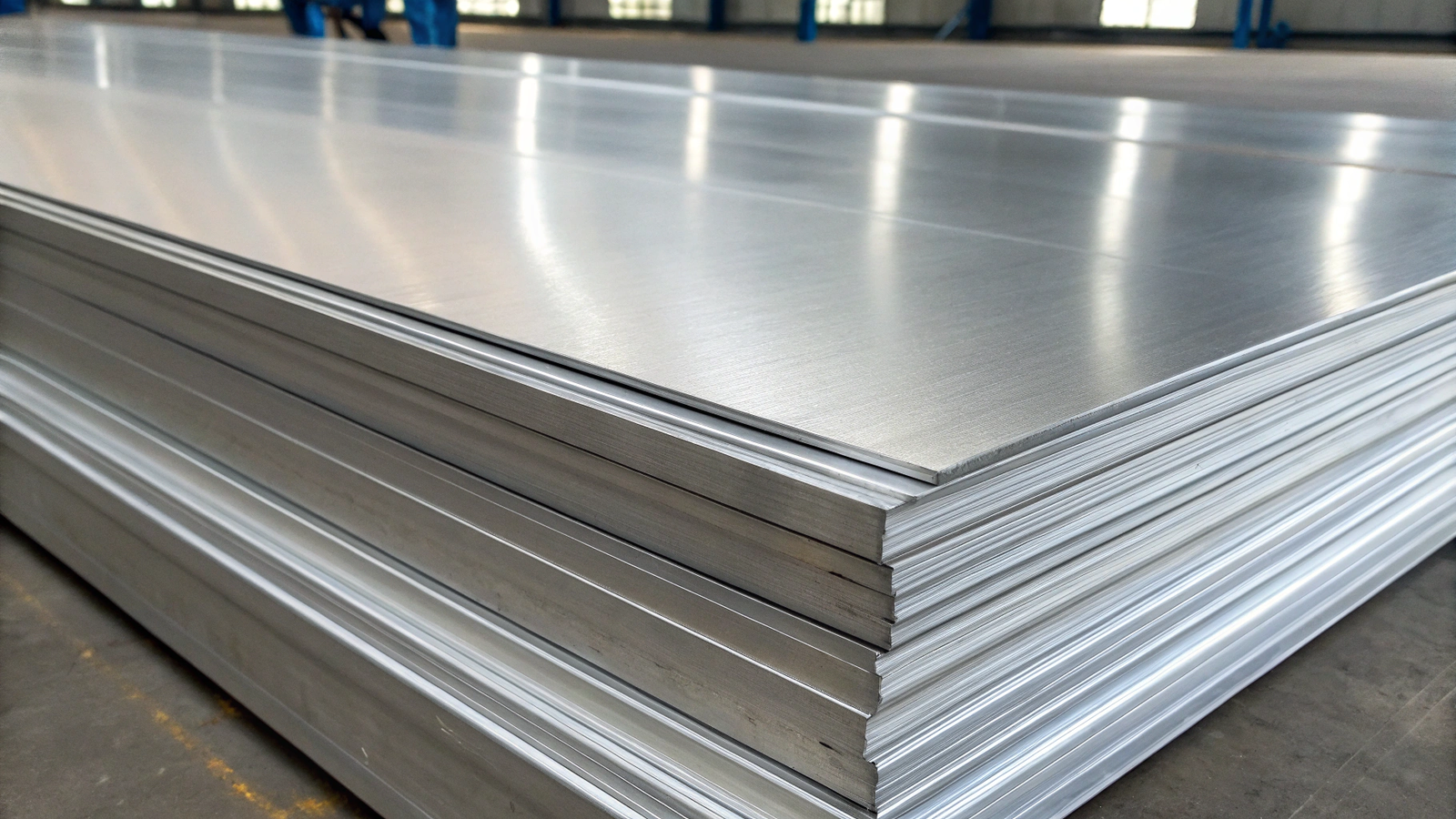
When machining 6061 aluminum, it’s essential to use the correct tools and techniques to achieve the best results. The alloy's workability means it can be cut, drilled, and shaped with relative ease. However, attention must be paid to tool selection and feed rates to prevent issues like tool wear or material deformation.
Here are some key points to consider when machining 6061 aluminum:
| Aspect | Consideration |
|---|---|
| Tool Material | Carbide tools provide better durability. |
| Cutting Speed | Slower speeds may reduce heat buildup. |
| Lubrication | Use cutting fluids to improve finish. |
What is the strongest aluminum tubing available?
The strongest aluminum tubing typically comes from high-strength alloys, such as 7075 aluminum. This alloy is known for its incredible strength-to-weight ratio and is often used in aerospace applications.
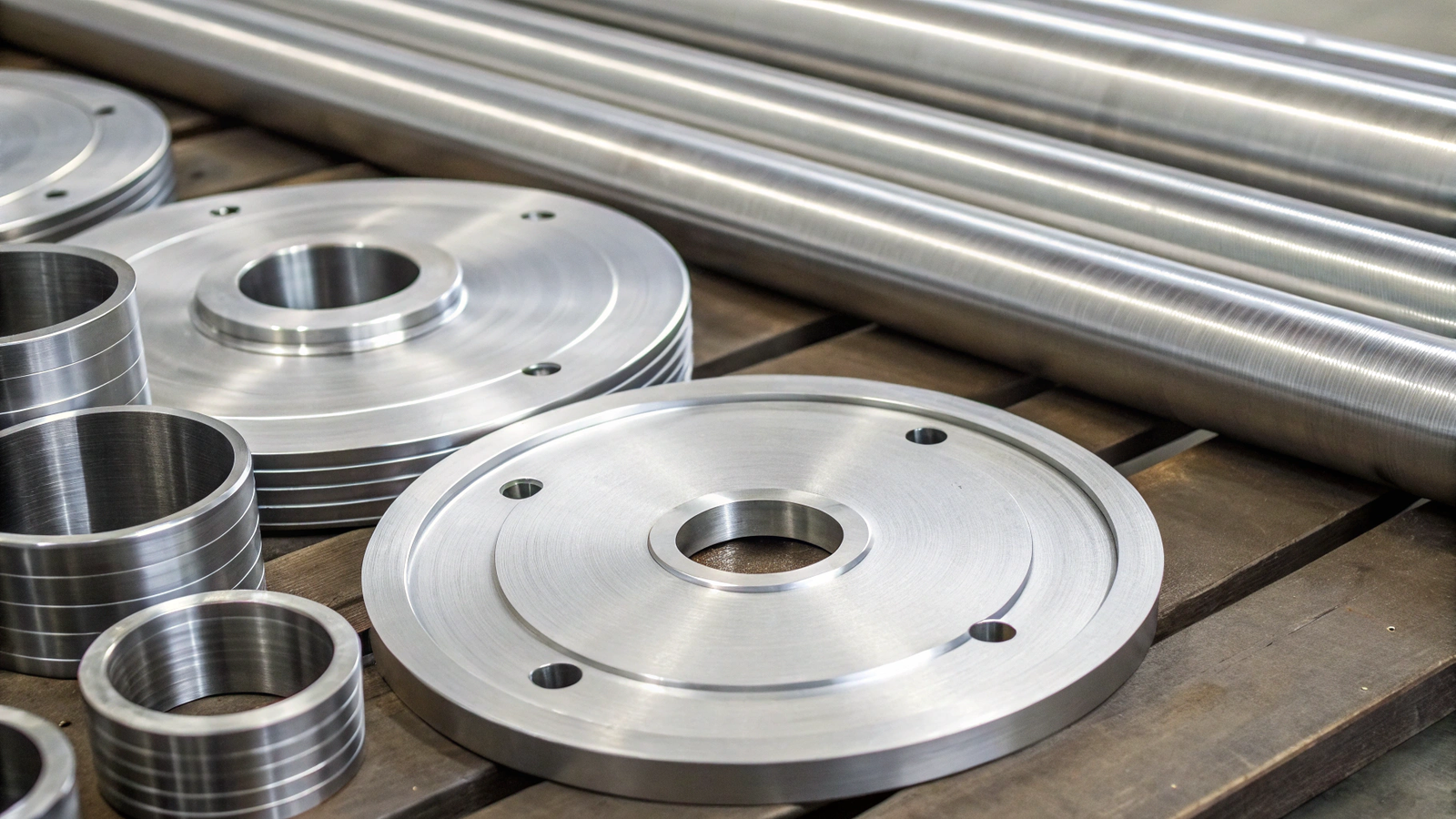
While 7075 aluminum tubing is strong, remember that the ultimate product comes from combining different processes, like starting with a solid forged disc, which achieves the highest strength and precision.
To understand the strength of various aluminum tubing options, let’s look at a comparison of the most common alloys used:
| Alloy | Tensile Strength (MPa) | Uses |
|---|---|---|
| 6061 | 310 | Structural components |
| 7075 | 570 | Aerospace applications |
| 2024 | 480 | Aircraft structures |
By using a forged disc that is machined into custom dimensions, one can achieve a homogenous grain structure that surpasses the strength of any standard seamless tube. This innovative approach combines the best characteristics of both processes.
Conclusion
Understanding aluminum solutions helps you choose the right products for your projects, ensuring strength, durability, and precision.