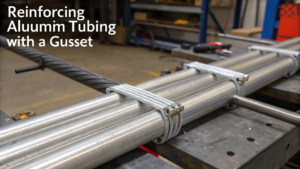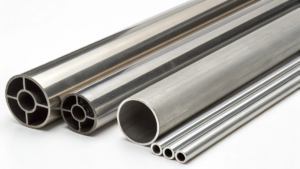

The choice between large diameter aluminum forged rings and seamless tubing can be tricky. Many wonder which option is better for specific applications.
Both large diameter aluminum forged rings and seamless tubing have unique advantages and serve different purposes in various industries. Understanding these differences helps you make informed choices.
When choosing between these two materials, it's essential to look beyond just shape. While both have their merits, the real difference lies in their metallurgical properties. My experience shows that seamless tubing provides a form, but our large diameter forged rings offer a superior refined grain structure. For critical applications that require strength and reliability, a component made from forging ensures unmatched integrity1.
Why is aluminum not used in plumbing?
Many people wonder why aluminum isn’t a popular choice in plumbing systems. The answer lies in its properties. Aluminum is not as corrosion-resistant as other metals like copper or PVC. Plumbing often involves exposure to water and potential chemicals that can degrade aluminum. This degradation leads to leaks and failures over time.
While aluminum has its strengths, such as being lightweight and durable, it simply doesn’t stand up well in plumbing applications compared to other materials.
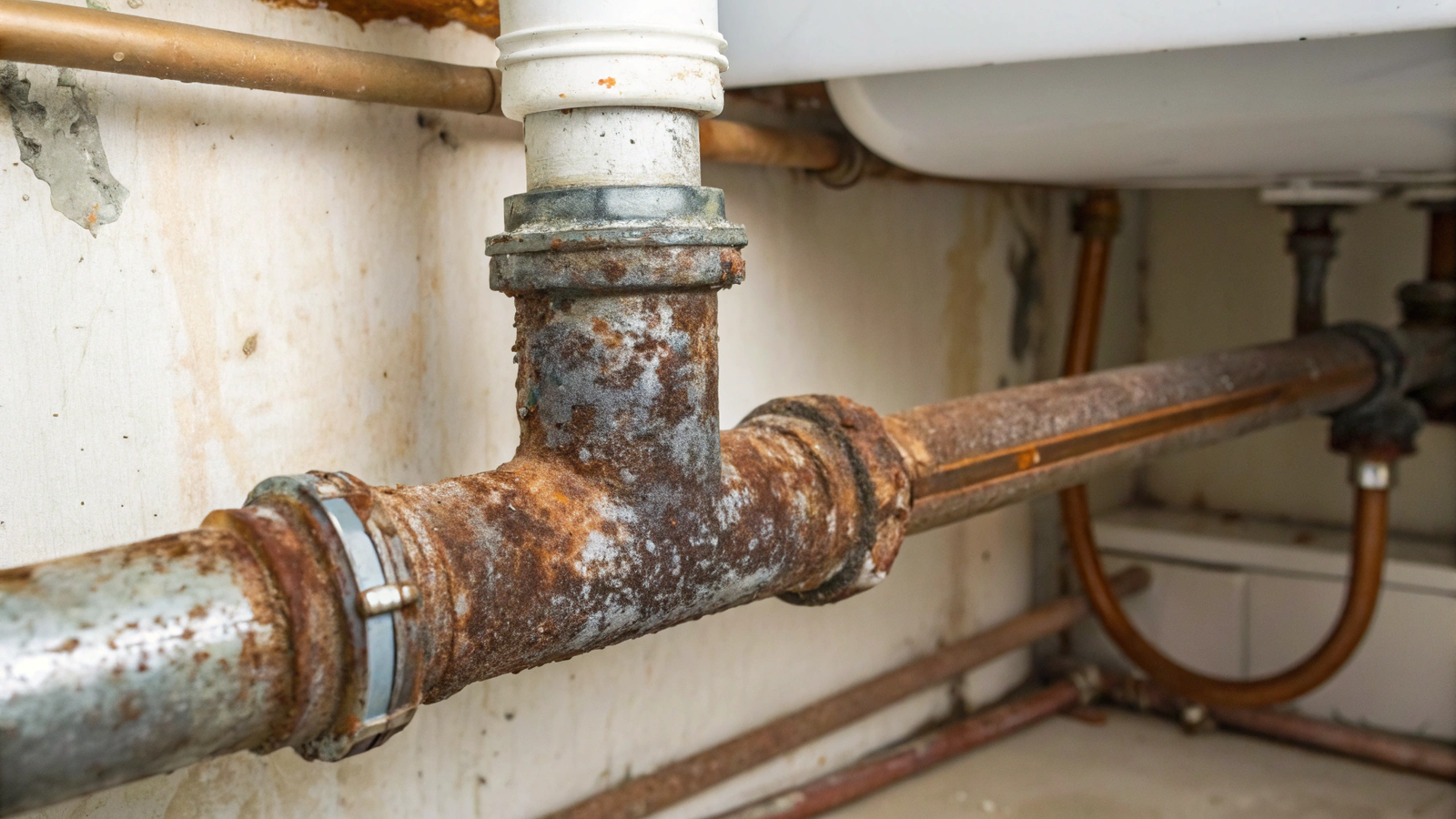
Understanding why aluminum is less common in plumbing requires looking at its characteristics. Aluminum can corrode when exposed to moisture and certain chemicals found in water. Corrosion weakens the material and can lead to leaks. Additionally, aluminum can react with specific water conditions, further increasing the risk of plumbing failures.
| Property | Aluminum | Copper | PVC |
|---|---|---|---|
| Corrosion Resistance | Moderate | High | High |
| Weight | Light | Heavy | Light |
| Cost | Moderate | High | Low |
This table highlights the comparative properties of aluminum, copper, and PVC in plumbing. As you can see, aluminum does not hold up well.
What is the code for aluminium tube?
When it comes to aluminum tubing, industry standards are crucial. The most common code for aluminum tube is ASTM B221. This standard specifies the dimensions and tolerances for aluminum tubing2. Adhering to these codes ensures that the tubing meets performance and safety requirements.
Understanding the codes helps you choose the right aluminum tubing for your project.
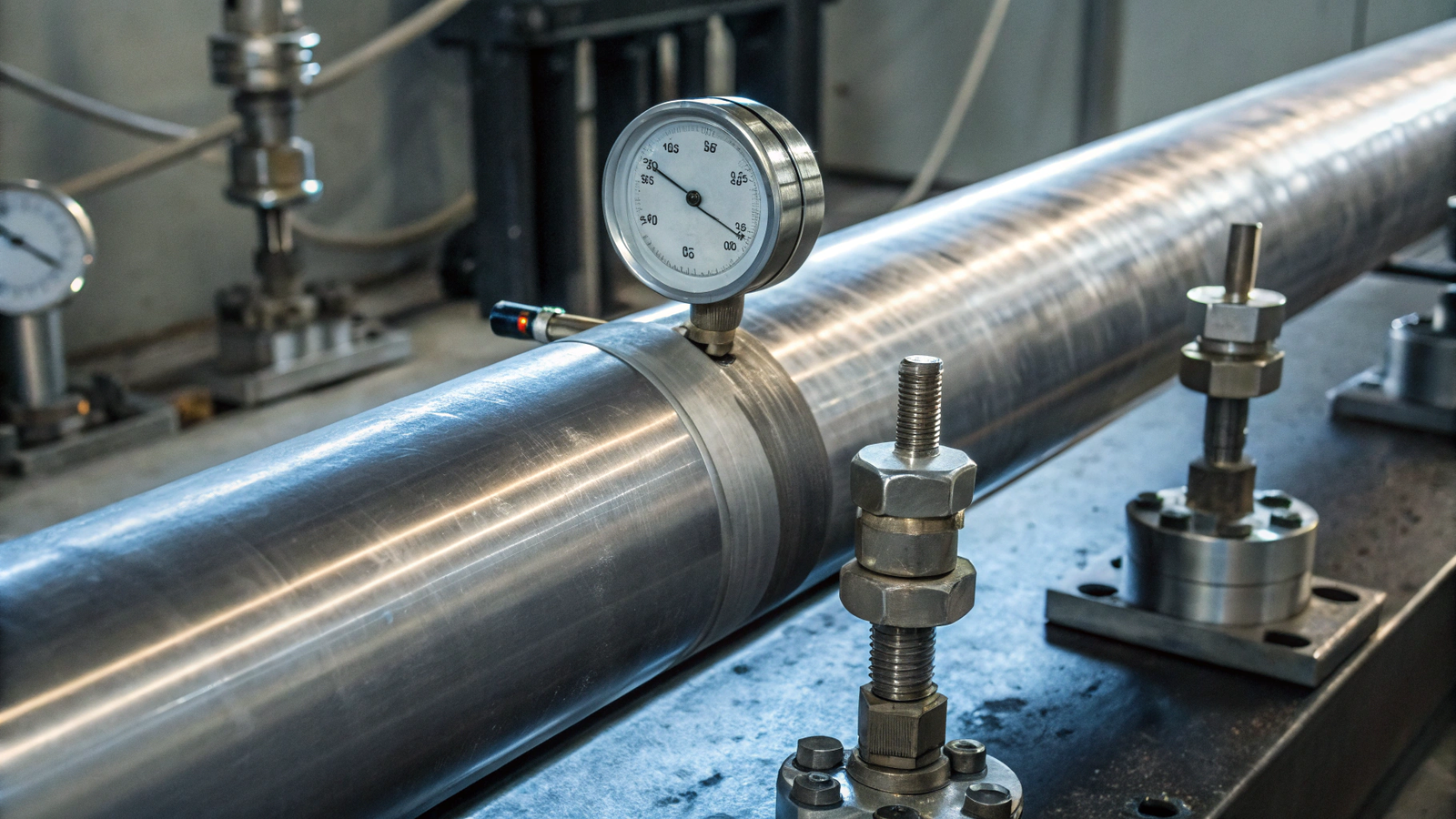
Aluminum tubing can be found in various applications. The ASTM B221 code covers different alloy types and sizes. It ensures that manufacturers produce aluminum tubing that meets specific standards. When selecting aluminum tubing, always check for compliance with these codes. This is vital for ensuring that the material will perform well in your intended application.
How much psi can aluminum hold?
When considering aluminum for structural applications, understanding its pressure capacity is essential. Aluminum can typically withstand between 40,000 to 80,000 psi, depending on the alloy and processing method. This strength makes aluminum suitable for many applications, including aerospace and automotive.
Knowing how much psi aluminum can hold can influence your material choice for high-pressure scenarios.
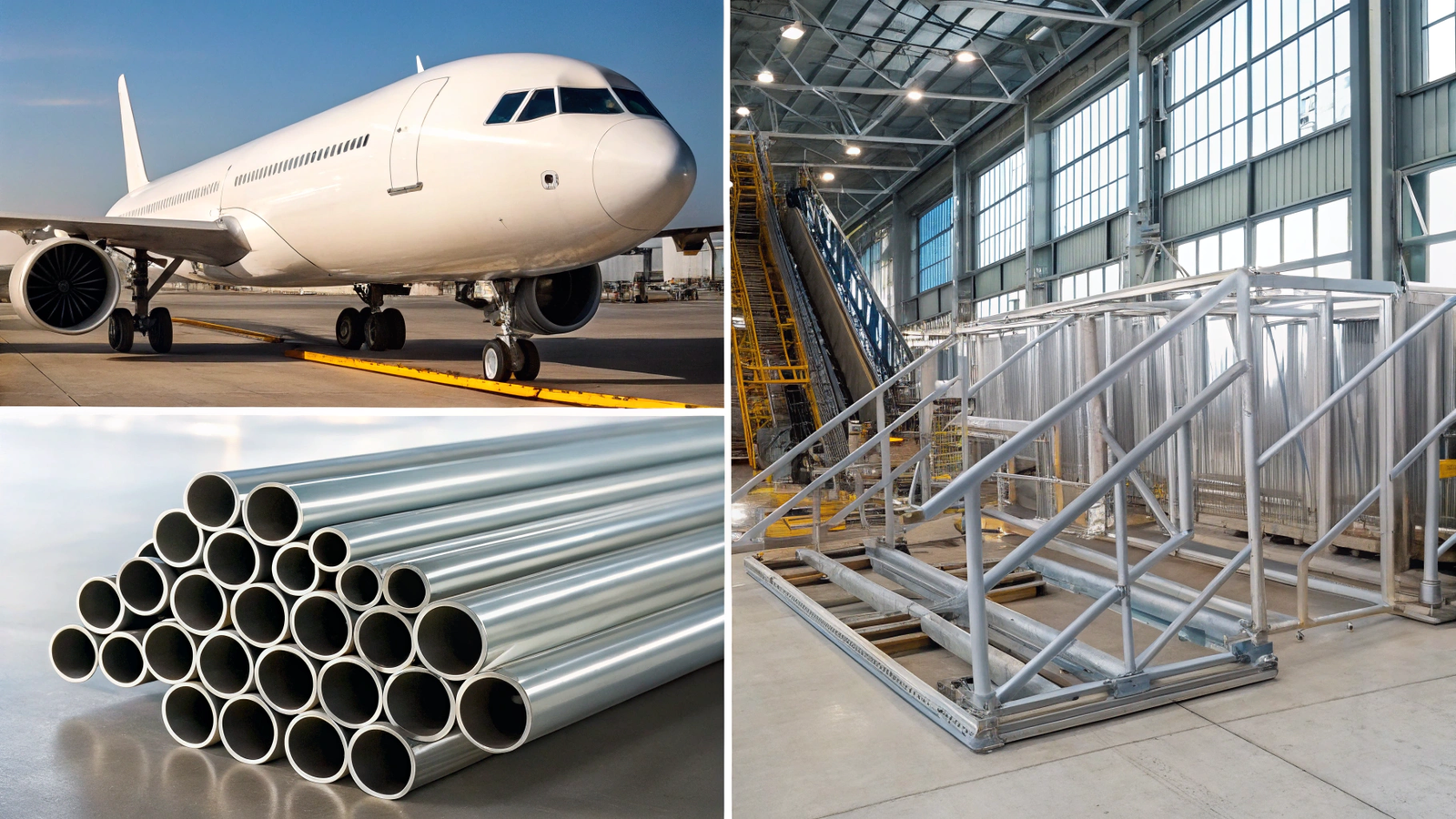
The pressure capacity of aluminum varies by alloy. For instance, 6061 aluminum can handle up to 45,000 psi3, while 7075 aluminum can withstand 80,000 psi or more4. It's crucial to correlate the specific aluminum alloy with its application needs. If you require a material that can endure high pressure, selecting the right alloy is essential to achieving optimal performance.
What is aluminum tubing used for?
Aluminum tubing is versatile and used in various applications. Common uses include structural components, automotive parts, and aerospace applications. Its lightweight nature and corrosion resistance make it an excellent choice for many industries.
Aluminum tubing serves multiple purposes, making it a valuable material across different sectors.
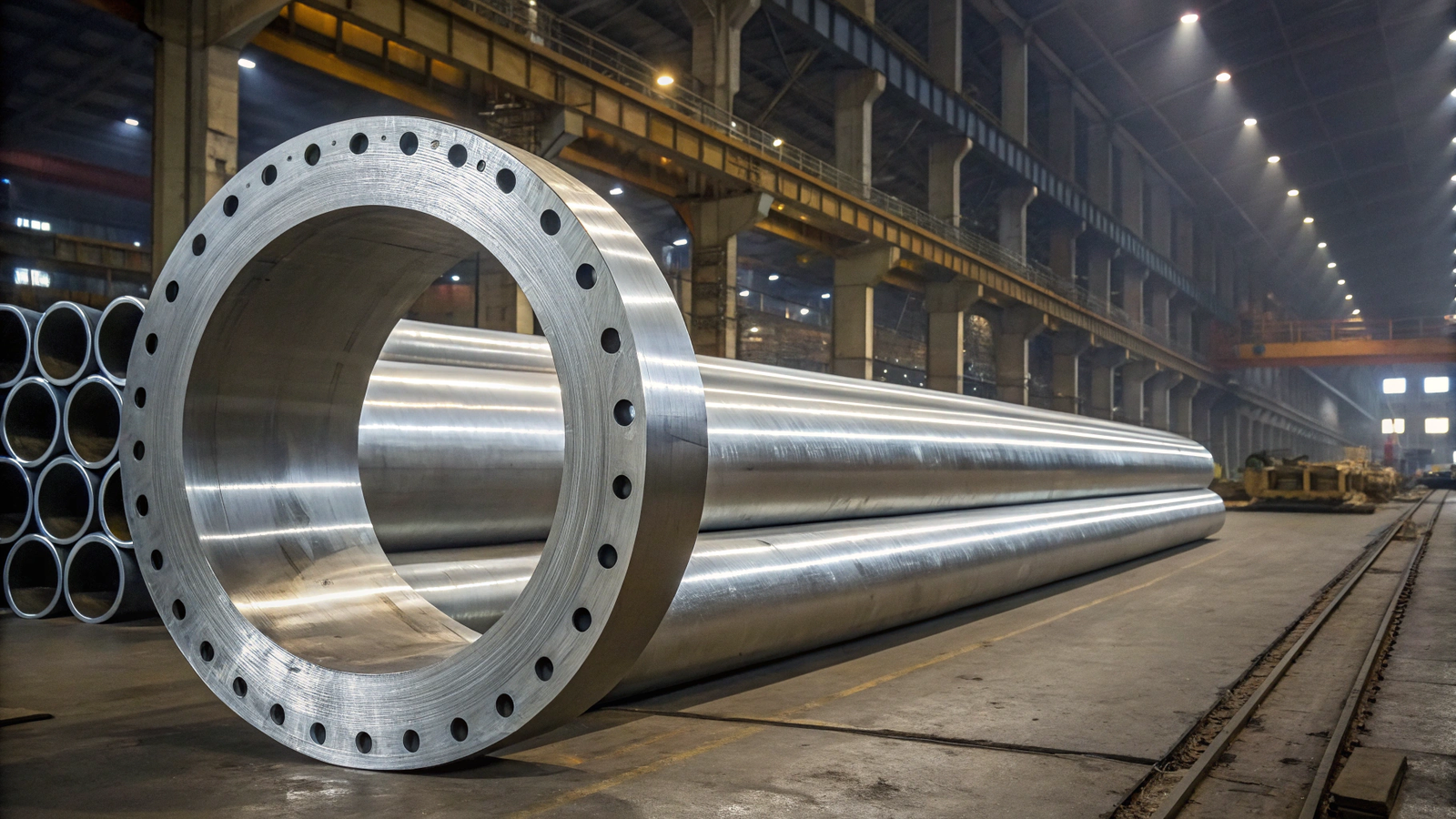
Here’s a closer look at some of the applications for aluminum tubing:
- Automotive: Used in lightweight frames and components to enhance fuel efficiency.
- Aerospace: Essential for aircraft structures due to its high strength-to-weight ratio.
- Construction: Employed in building frameworks and supports, taking advantage of its durability.
- Manufacturing: Used in machinery and equipment, where weight is a critical factor.
Aluminum tubing meets specific industry needs because of its unique properties. It's important to choose the right form of aluminum, whether it’s tubing or forged rings, based on the application’s requirements.
Conclusion
In summary, while both aluminum forged rings and seamless tubing serve critical roles, the choice depends on the specific application. Understanding their properties ensures the best fit for your needs.
"[PDF] Forging of Carbon and Alloy Steels - Mines Files", https://wpfiles.mines.edu/wp-content/uploads/aspprc/ResearchMaterials/Publications/280-Van-Tyne.pdf. Engineering materials sources explain that forging can improve internal soundness and mechanical properties through plastic deformation and grain flow; this supports the claim that forging is used for high-integrity components, while the term “unmatched” is broader than the evidence can establish. Evidence role: expert_consensus; source type: education. Supports: Forged components are often selected for applications requiring high mechanical integrity.. Scope note: The source would support forging as a high-integrity process, not an absolute ranking against all other manufacturing routes. ↩
"[PDF] Standards and Tolerances for Aluminum Extrusions", https://www.mkmetal.net/images/uploads/Alum%20Extrusion%20Standard%20Tolerance.pdf. The ASTM B221/B221M specification includes requirements for extruded aluminum-alloy products, including dimensional tolerances and related acceptance requirements for tube forms; this supports the statement for extruded tubing covered by the standard. Evidence role: definition; source type: institution. Supports: ASTM B221 specifies dimensional and tolerance requirements for covered aluminum tubing.. Scope note: The support is limited to products within ASTM B221/B221M’s scope and does not cover every aluminum tubing manufacturing method. ↩
"6061 aluminium alloy - Wikipedia", https://en.wikipedia.org/wiki/6061_aluminium_alloy. Standard property tables for 6061-T6 aluminum list ultimate tensile strength near 45 ksi, supporting the numerical value when the alloy is in an appropriate heat-treated temper. Evidence role: statistic; source type: education. Supports: 6061 aluminum in a common heat-treated temper can have an ultimate tensile strength around 45,000 psi.. Scope note: The value applies to specific tempers such as 6061-T6 and should not be treated as a pressure rating for a finished tube or component. ↩
"Ballistic impact assessment of Aluminium Alloy 7075 T6, Kevlar and ...", https://ui.adsabs.harvard.edu/link_gateway/2023MRE....10b5309R/doi:10.1088/2053-1591/acbd1d. Reference property data for 7075-T6 aluminum commonly report ultimate tensile strength above 80 ksi, supporting the stated value for high-strength tempers of the alloy. Evidence role: statistic; source type: education. Supports: 7075 aluminum in high-strength tempers can have tensile strength at or above approximately 80,000 psi.. Scope note: The figure is temper-dependent and does not represent the pressure capacity of all 7075 aluminum products or geometries. ↩