

When it comes to aluminum tubing, understanding sizes and tolerances is crucial. This knowledge can prevent costly mistakes in projects.
Aluminum tubing is measured using the outer diameter (OD) and wall thickness. Knowing these dimensions ensures you choose the right material for your needs.
Many people struggle with aluminum tubing measurements. It can be confusing. Tubing is often specified by its outer diameter and wall thickness, which affects its strength and weight. Understanding these measurements helps in selecting the right tubing for your projects. For example, a 2-inch OD tubing with a 0.125-inch wall thickness will perform differently than a 1-inch OD tubing with the same wall thickness. Knowing these details can make a significant difference in the final product.
How is aluminum tubing measured?
When discussing aluminum tubing, measurement is key. If you get the measurements wrong, it can lead to failures in your project.
Aluminum tubing is generally measured by its outer diameter and wall thickness, which directly impact its load-bearing capacity and other performance characteristics.
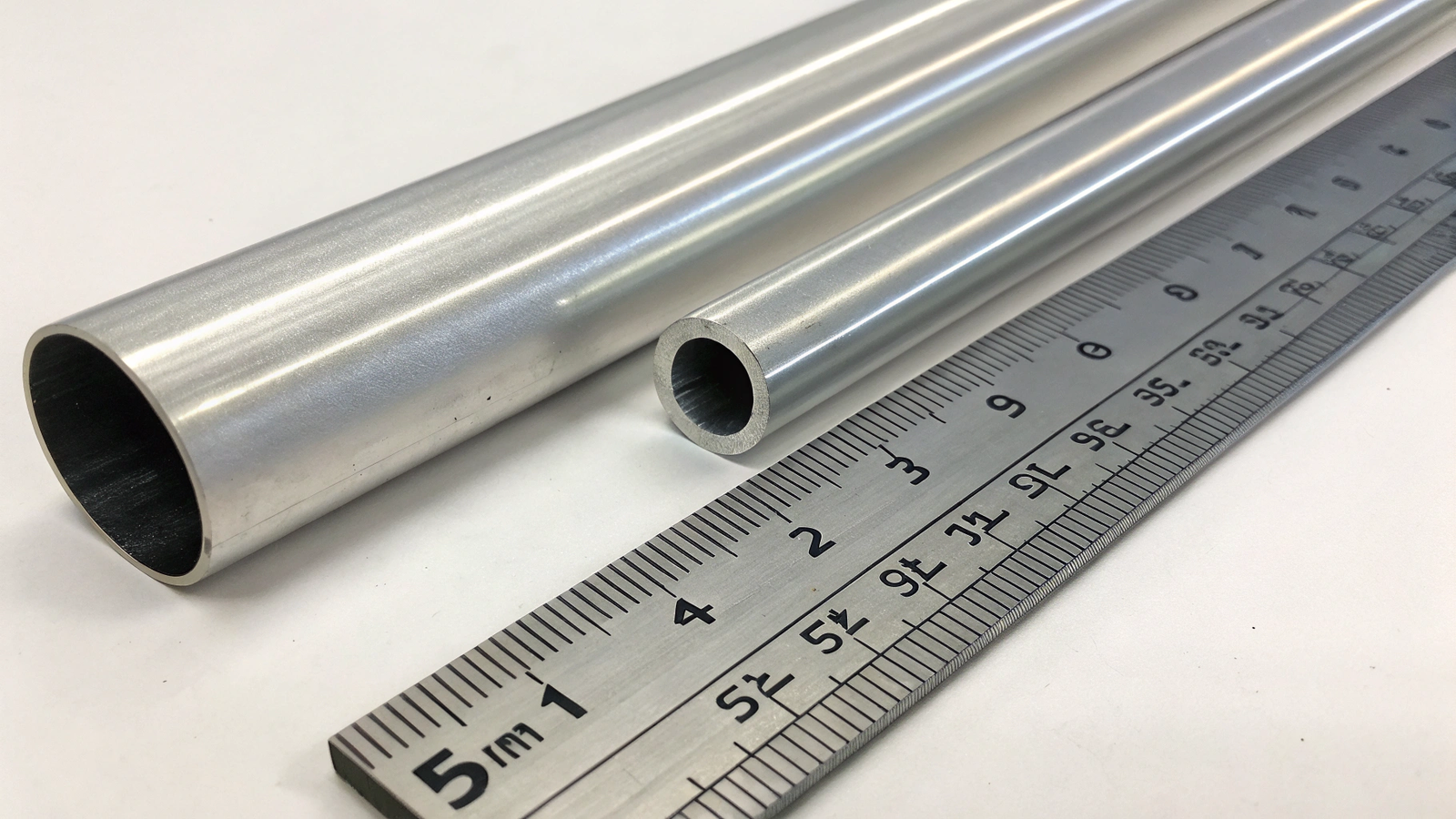
Aluminum tubing measurement involves a few key factors. The most common measurements are outer diameter (OD) and wall thickness. These dimensions define the tubing's properties. The OD is the distance across the tube, while the wall thickness is how thick the tube walls are. The inner diameter (ID) can also be calculated using these two measurements.
Here’s a simple table to illustrate the relationship:
| Outer Diameter (OD) | Wall Thickness | Inner Diameter (ID) |
|---|---|---|
| 2 inches | 0.125 inches | 1.75 inches |
| 1 inch | 0.083 inches | 0.834 inches |
| 3 inches | 0.250 inches | 2.5 inches |
Understanding these measurements allows one to select the right tubing for specific applications. For instance, a thicker wall provides more strength, which is essential for high-stress applications. On the other hand, thinner walls can be used for lightweight projects where strength is less critical.
What is the ASTM standard for aluminum pipe?
Standards are vital in the aluminum industry. They ensure consistency and reliability in products.
The ASTM standards set forth guidelines for aluminum pipe dimensions, tolerances, and overall quality1 to ensure reliable performance across various applications.
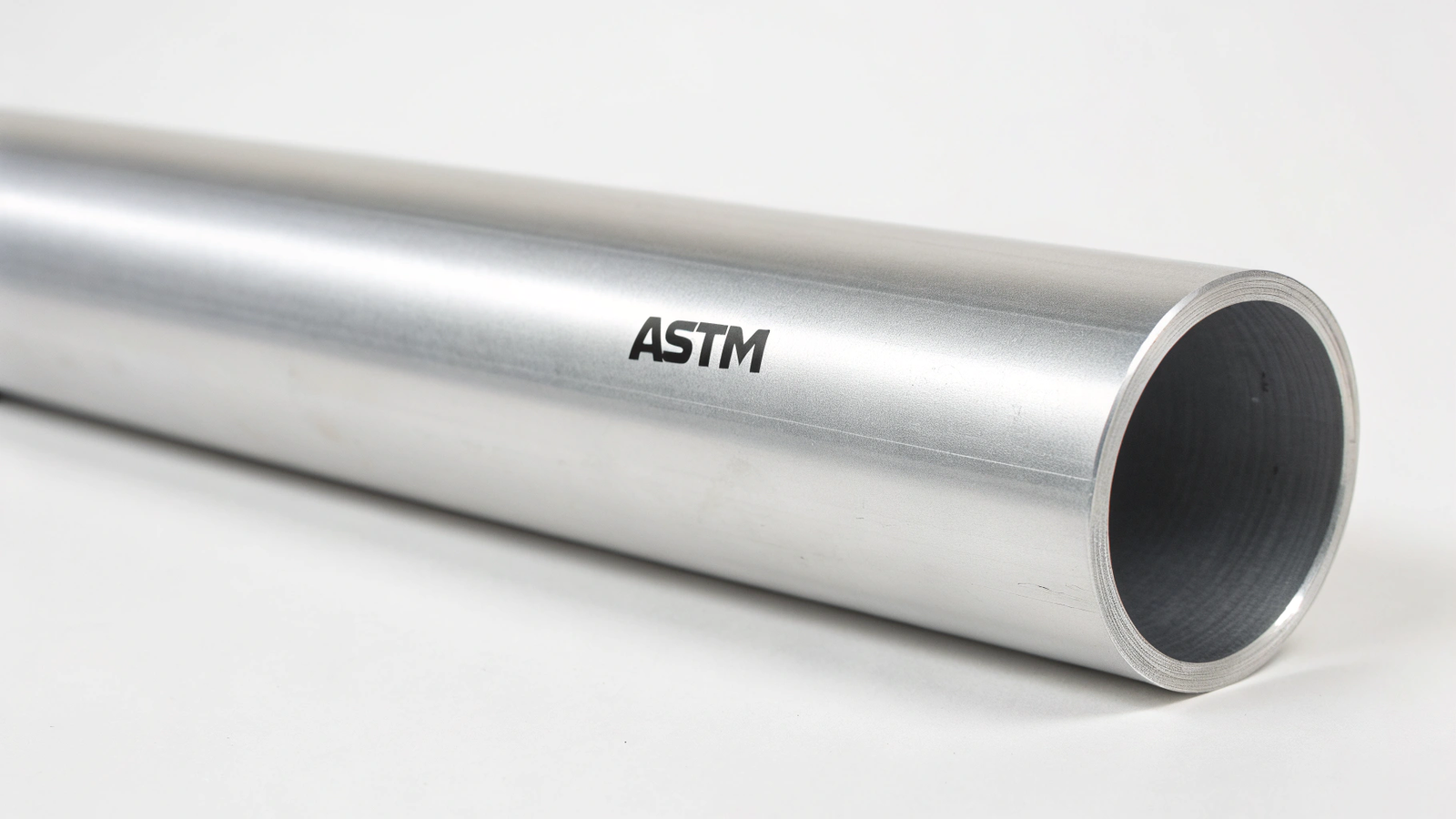
The ASTM (American Society for Testing and Materials) standards define specifications for aluminum pipes. These standards help manufacturers and buyers understand what to expect from their products. Adhering to these standards is crucial for ensuring that aluminum pipes will perform as expected in their applications.
For example, ASTM B221 outlines the specifications for aluminum alloys used in various applications2. It covers everything from dimensions to tolerances. This standard ensures that manufacturers produce aluminum pipes that meet certain quality criteria. Adopting these standards can help avoid discrepancies that could lead to failures in the field.
When choosing aluminum pipes, looking for the ASTM designation is essential. It guarantees that the product meets industry standards for quality and performance.
What are standard tubing sizes?
Finding the right size of aluminum tubing can be daunting. The vast array of sizes can lead to confusion.
Standard aluminum tubing sizes are established to streamline projects, making it easier for professionals to select the right material for their specific needs.
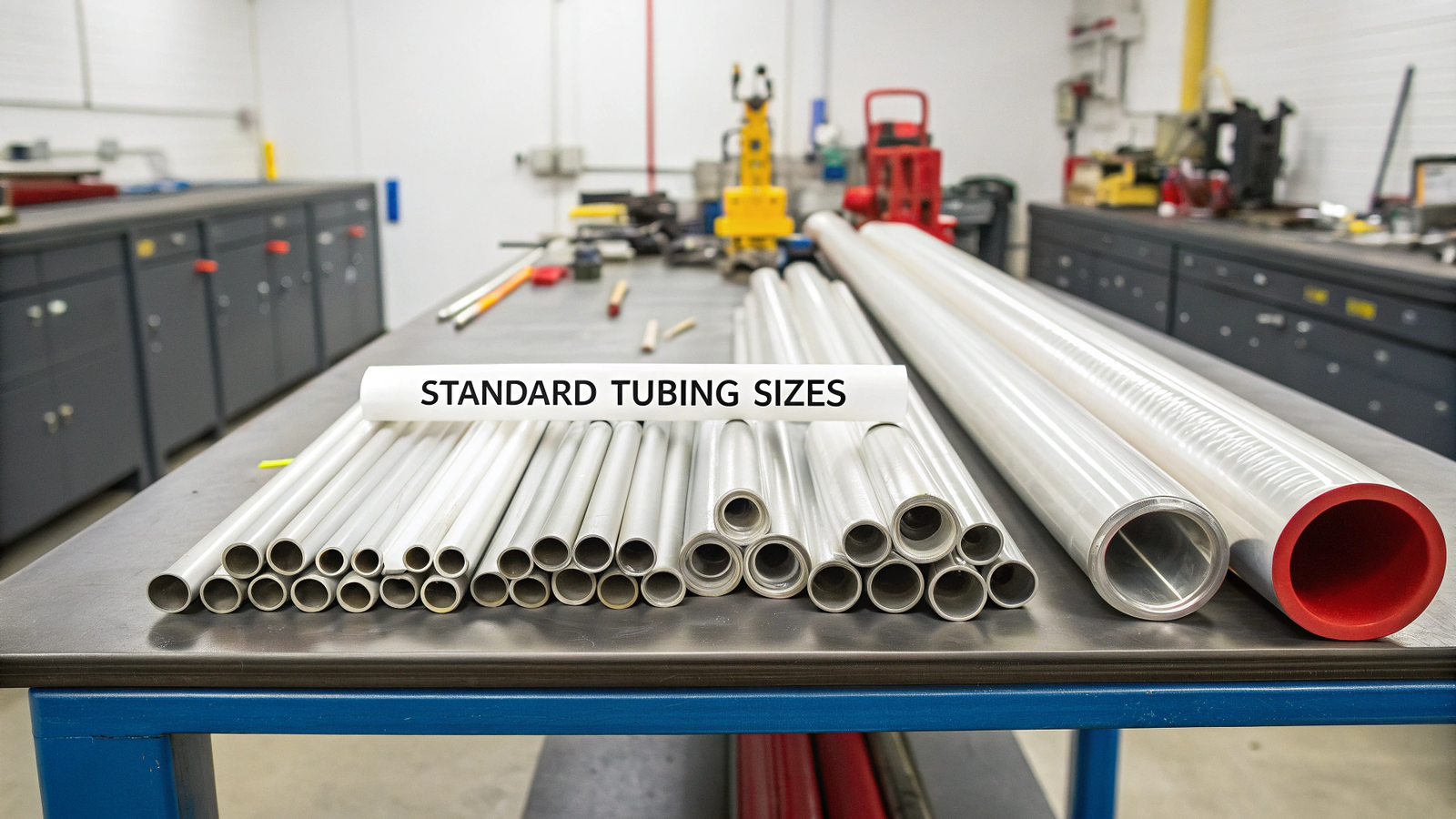
Standard tubing sizes simplify the design and manufacturing process. Various industry standards dictate the common sizes available. These standard sizes ensure compatibility across different projects and applications. Some of the more common sizes include:
- 1/2 inch
- 3/4 inch
- 1 inch
- 1.5 inches
- 2 inches
- 2.5 inches
- 3 inches
These sizes are typically available in various wall thicknesses. The availability of standard sizes makes sourcing aluminum tubing much easier. However, it's important to remember that non-standard sizes can also be made, especially when specific requirements arise.
Here’s a quick reference for common aluminum tubing sizes and their typical applications:
| Size (OD) | Common Applications |
|---|---|
| 1/2 inch | Small structures, handrails |
| 1 inch | Furniture, frames |
| 2 inches | Structural applications |
| 3 inches | Heavy-duty supports |
Understanding these standard sizes will help you make informed decisions when sourcing materials for your projects.
What are the different shapes of aluminum tubing?
Not all aluminum tubing is created equal. Different shapes can serve various purposes.
Aluminum tubing comes in various shapes, including round, square, rectangular, and oval, each offering unique benefits for different applications.
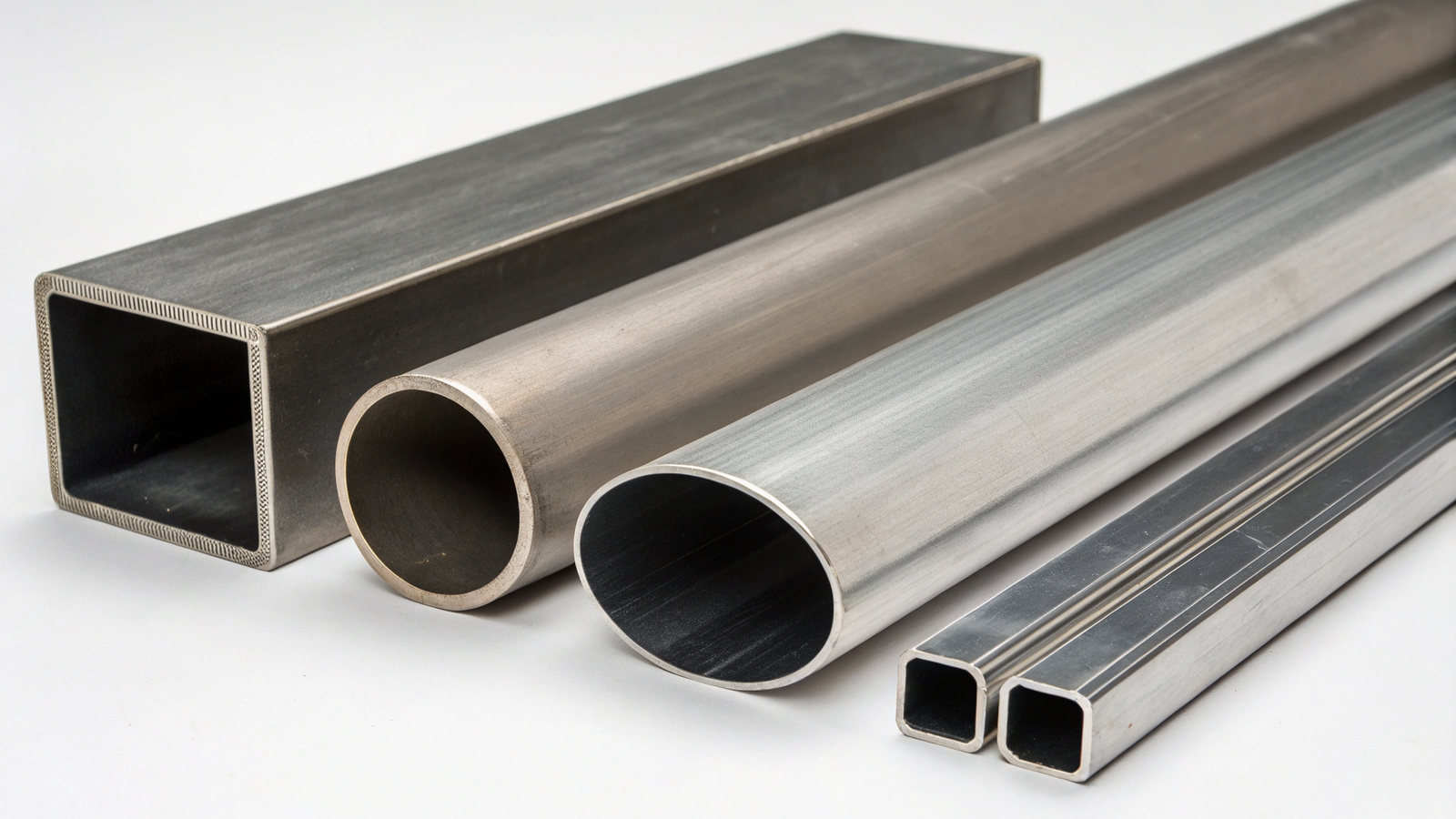
The shape of aluminum tubing plays a significant role in its application. Round aluminum tubing is the most common, widely used in various industries for its structural integrity and ease of fabrication. Square and rectangular tubing are ideal for applications that require a flat surface or angular strength.
Oval tubing combines the benefits of both round and rectangular shapes, allowing for a unique aesthetic while maintaining structural strength.
Here’s a breakdown of some common shapes:
| Shape | Advantages | Common Uses |
|---|---|---|
| Round | High strength, easy to weld | Frames, supports |
| Square | Stability, easy to stack | Racks, furniture |
| Rectangular | Flat surfaces for assembly | Packaging, construction |
| Oval | Aesthetic appeal, good strength | Architectural features |
Choosing the right shape can greatly affect the performance and appearance of your project. Understanding these options will help you define your needs better.
Conclusion
Understanding aluminum tubing sizes and tolerances is essential for successful projects in various industries.
"Standard Specification for Aluminum-Alloy Extruded Structural Pipe and ...", https://store.astm.org/b0429_b0429m-10e01.html. ASTM’s own standards descriptions state that ASTM specifications for aluminum and aluminum-alloy products define requirements such as dimensions, tolerances, mechanical properties, and quality-related criteria. Evidence role: expert_consensus; source type: institution. Supports: ASTM standards provide guidelines or specifications for aluminum pipe dimensions, tolerances, and quality requirements.. Scope note: ASTM standards define specification requirements; they do not by themselves verify that every marketed product conforms unless compliance is documented. ↩
"B221 Standard Specification for Aluminum and ...", https://store.astm.org/b0221-12.html. ASTM B221/B221M is described as a specification for aluminum and aluminum-alloy extruded bars, rods, wire, profiles, and tubes, supporting the claim that it covers certain aluminum alloy extruded products. Evidence role: definition; source type: institution. Supports: ASTM B221 specifies requirements for certain aluminum and aluminum-alloy extruded products, including tubes.. Scope note: ASTM B221 applies to specified extruded product forms and is not a blanket standard for all aluminum pipes or all aluminum tubing products. ↩