
Aluminum is a versatile material, but not all grades are created equal. Understanding the differences can elevate your projects.
6061 aluminum bar is known for its strength, flexibility, and resistance to corrosion, making it ideal for various applications. This versatile alloy is a favorite among manufacturers and engineers alike.
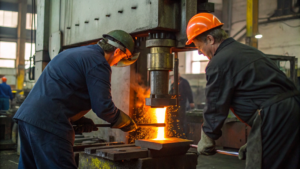
When you think of aluminum bars, 6061 often comes to mind. Many people seek this grade, but not all bars are the same. By forging 6061 aluminum, we refine its grain structure.1 This process creates a non-porous material that ensures our client's machined parts achieve maximum strength and integrity. It transforms a general-purpose alloy into a mission-critical component.
What is 6061 grade aluminum?
6061 grade aluminum is a heat-treatable alloy primarily composed of aluminum, magnesium, and silicon. Its properties include good mechanical strength, excellent corrosion resistance, and good weldability. These traits make it suitable for structural applications, automotive parts, and aerospace components.
6061 aluminum is often used in manufacturing and engineering due to its strength and versatility, making it a go-to choice for many industrial applications.
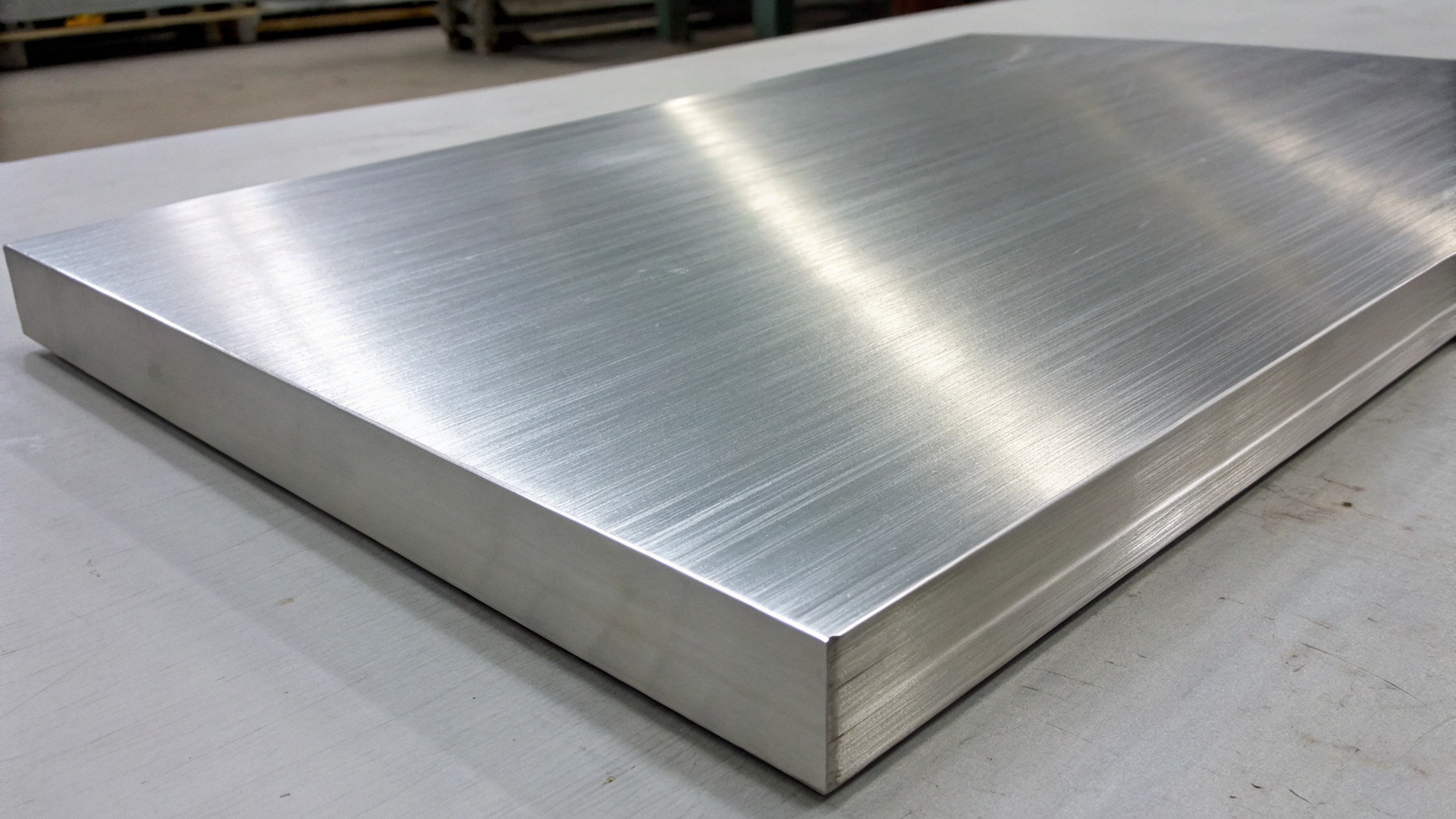
When I first encountered 6061 grade aluminum, I was astonished by its flexibility. It allows for various fabrication processes, such as machining, welding, and forming. In my experience, the alloy’s ability to withstand harsh environments without losing its strength has impressed me repeatedly. This makes it perfect for industries where reliability is non-negotiable.
Let's break down the advantages and uses of 6061 grade aluminum into a more structured format.
| Property | Description |
|---|---|
| Strength | Good mechanical strength, suitable for structural applications. |
| Corrosion Resistance | Excellent resistance to corrosion, extending its lifespan. |
| Workability | Good weldability and machining capabilities. |
| Applications | Used in automotive, aerospace, and marine structures. |
Which is better, 6061 or 6063 aluminum?
Choosing between 6061 and 6063 aluminum depends on your specific needs. 6061 offers higher strength, while 6063 provides better extrudability. 6063's surface finish is often smoother, making it suitable for architectural applications.
If you require strength and toughness, 6061 aluminum is the better option. For aesthetic applications, consider 6063 aluminum for its smooth finish.
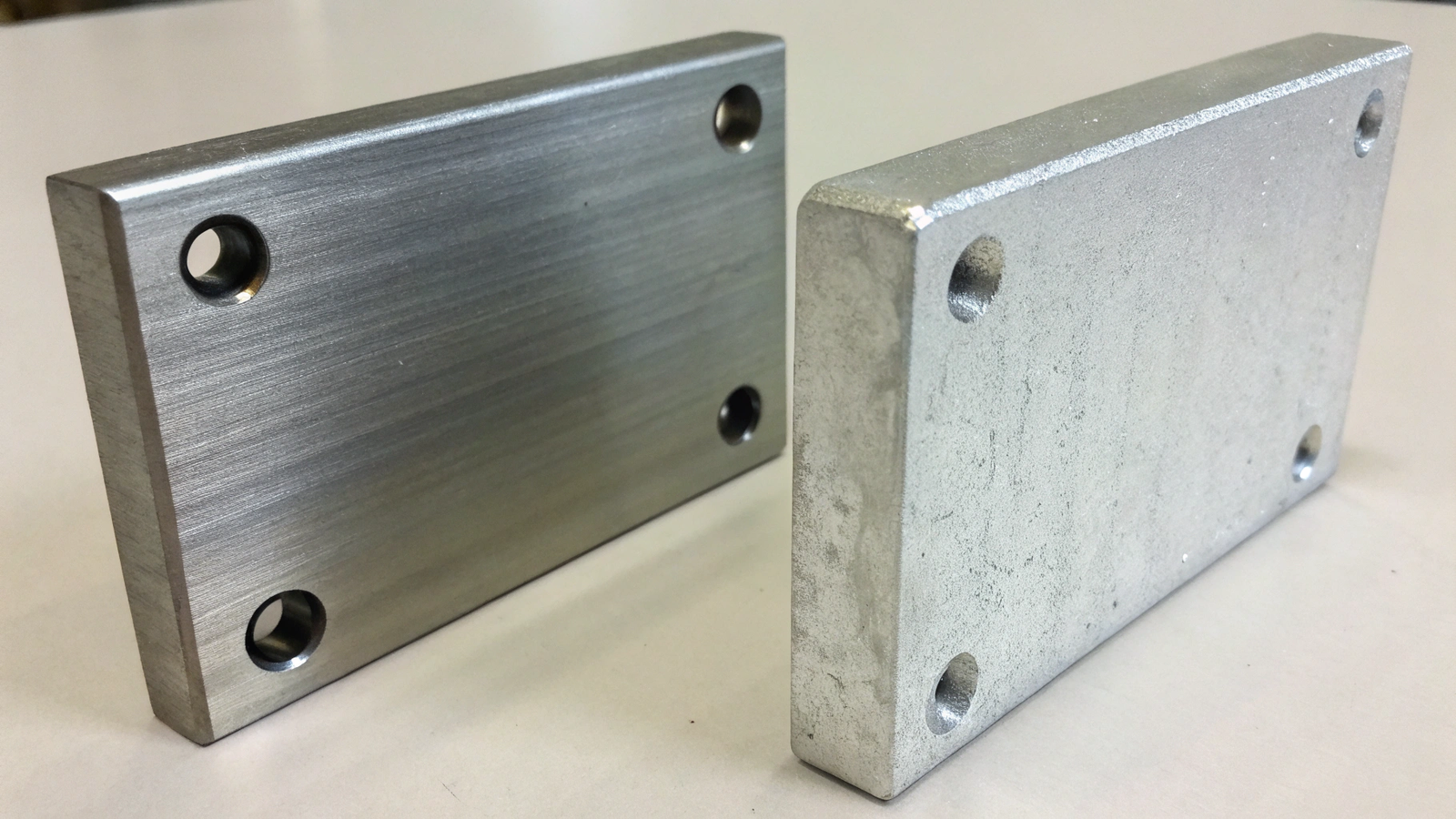
In my work, I frequently weigh the benefits of both grades. For projects that require strength and durability, 6061 has proven invaluable. However, I have also encountered instances where 6063's aesthetic appeal is essential, particularly in architectural designs. Understanding the specific needs of a project allows me to make the right choice and deliver quality results.
To make a better decision, let's look at a comparison table for these two alloys.
| Feature | 6061 Aluminum | 6063 Aluminum |
|---|---|---|
| Strength | Higher tensile strength | Lower tensile strength |
| Extrudability | Moderate | High |
| Corrosion Resistance | Excellent | Good |
| Applications | Structural, automotive | Architectural, decorative |
Which is better, 6061 or 7075 aluminum?
When comparing 6061 and 7075 aluminum, 7075 has higher strength but is less corrosion-resistant and more challenging to weld2. 6061 is more versatile and offers a balance of strength, workability, and corrosion resistance.
For applications requiring high strength and lightweight properties, 7075 aluminum is often chosen. However, for general-purpose use, 6061 remains a strong candidate.
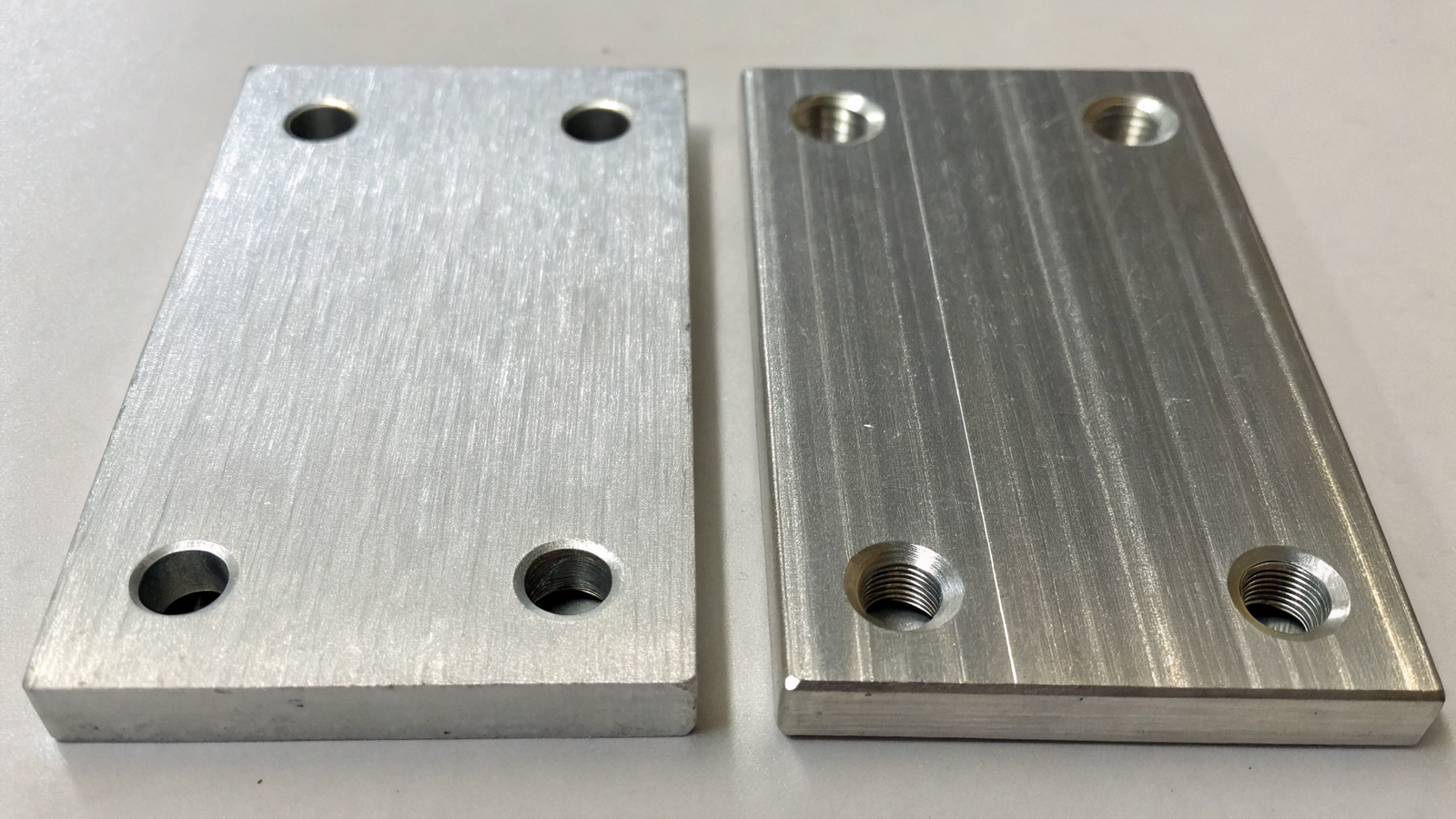
From my experience, the decision between these two aluminum grades comes down to the specific requirements of the project. If strength is paramount, 7075 might be the way to go. However, if you need a material that's easier to work with and still offers good strength, 6061 is an excellent choice.
Here’s a comparison of these two popular aluminum grades:
| Feature | 6061 Aluminum | 7075 Aluminum |
|---|---|---|
| Strength | Good | Very high |
| Corrosion Resistance | Excellent | Fair |
| Workability | Good | Fair |
| Applications | Structural, general use | Aerospace, military applications |
What is 6061-T6 grade aluminum?
6061-T6 is a specific heat-treated version of 6061 aluminum. The 'T6' designation indicates that the material has been artificially aged to enhance its mechanical properties. This treatment improves strength and hardness significantly, making 6061-T6 a popular choice in demanding applications.
6061-T6 aluminum is often used in aerospace and military applications due to its high strength-to-weight ratio and excellent corrosion resistance3.
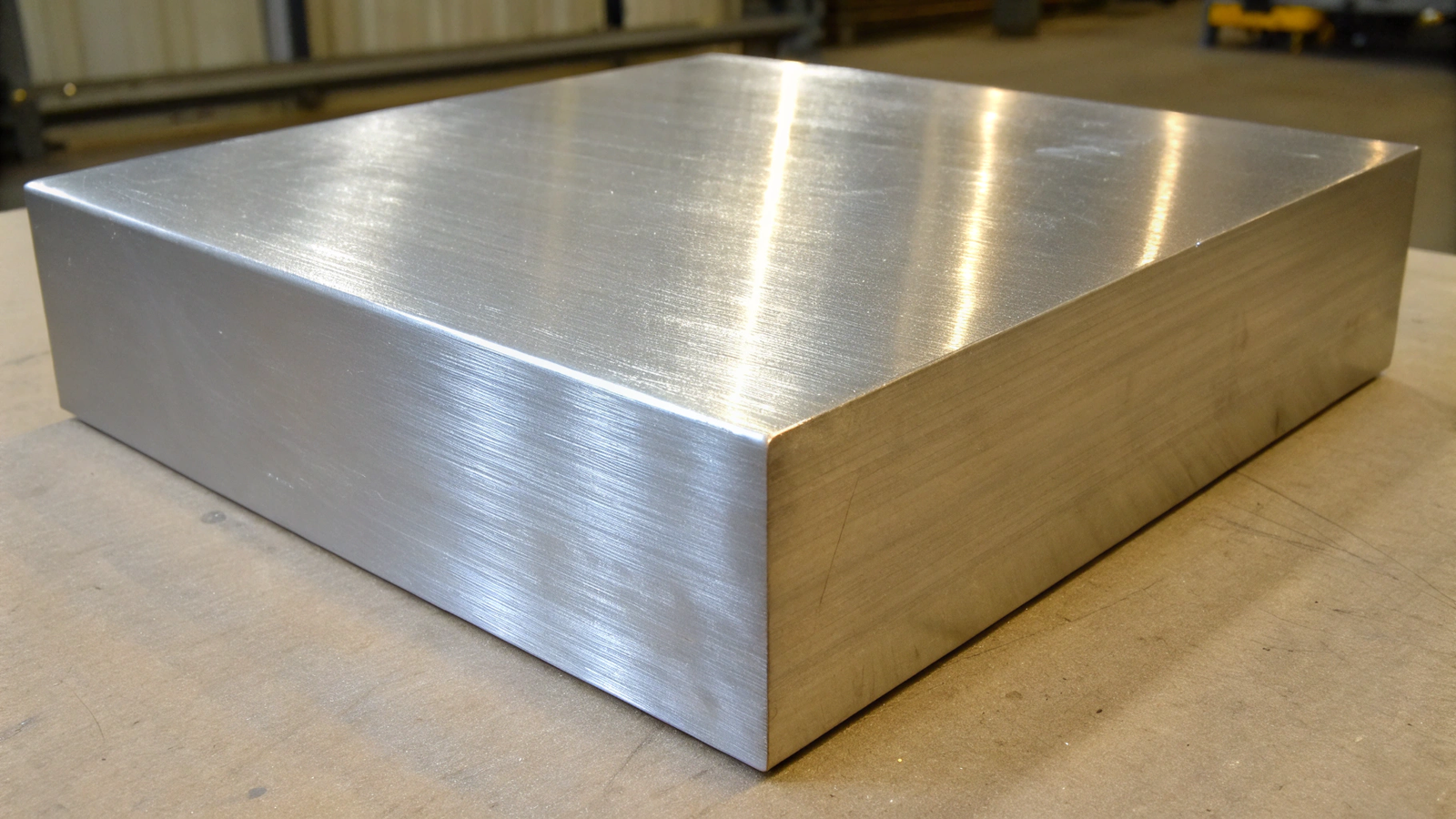
When I first worked with 6061-T6, I was amazed at how the heat treatment transformed the material. It became a go-to option for projects where strength and durability couldn't be compromised. I remember one project where we needed lightweight components that could withstand harsh conditions; 6061-T6 delivered perfectly.
Let’s summarize the key features of 6061-T6 aluminum:
| Feature | 6061-T6 Aluminum |
|---|---|
| Strength | Very high |
| Corrosion Resistance | Excellent |
| Applications | Aerospace, automotive, marine |
Conclusion
In conclusion, 6061 aluminum bars offer a blend of strength and versatility, making them suitable for various applications. Whether you need basic 6061 grade aluminum or the enhanced properties of 6061-T6, understanding these differences can help you make informed decisions.
"Deformation Behavior and Microstructure of 6061 Aluminum Alloy ...", https://pmc.ncbi.nlm.nih.gov/articles/PMC10932298/. A metallurgical source on forging explains that plastic deformation can modify grain flow and microstructure in aluminum alloys, providing contextual support for the claim that forging can refine or improve the grain structure of 6061 aluminum; the exact result depends on temperature, deformation amount, and subsequent heat treatment. Evidence role: mechanism; source type: education. Supports: Forging 6061 aluminum refines its grain structure.. Scope note: The source would support the metallurgical mechanism but not verify the article’s specific forging process or product quality. ↩
"High-Power Fiber Laser Welding of High-Strength AA7075-T6 ...", https://pmc.ncbi.nlm.nih.gov/articles/PMC8705241/. A neutral materials reference comparing 6061 and 7075 reports higher strength for 7075 and notes poorer corrosion resistance and weldability relative to 6061, supporting the comparative claim with the caveat that properties vary by temper and treatment. Evidence role: general_support; source type: education. Supports: 7075 aluminum has higher strength than 6061 but is less corrosion-resistant and more difficult to weld.. Scope note: The comparison depends on temper, heat treatment, cladding, and welding process. ↩
"Corrosion resistance of 6061-T6 aluminium alloy and its feasibility of ...", http://ui.adsabs.harvard.edu/abs/2022RvAMS..61..638L/abstract. A technical reference on 6061-T6 reports its elevated strength after T6 tempering and its recognized corrosion resistance, supporting the strength-to-weight and corrosion-resistance characterization; it does not independently establish that this is why all aerospace or military users select the alloy. Evidence role: general_support; source type: research. Supports: 6061-T6 aluminum has a high strength-to-weight ratio and excellent corrosion resistance.. Scope note: The source would support the material properties, while application selection also depends on design standards, fatigue behavior, availability, and cost. ↩