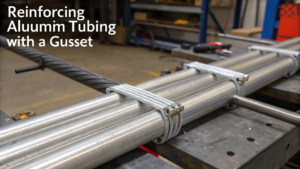

Are you relying on standard tubing1 for critical, proprietary specifications? Standard methods often fail to deliver the needed material integrity for unique demands. We build performance into the core structure.
For proprietary specs like AHS-2, the best "tubing" solution comes from machining a hollow component from our custom-forged ring. This guarantees the exact metallurgical properties standard tubing cannot match.
When you need performance that must be certified and repeatable, you cannot accept the limitations of generic processes. Our forged approach ensures superior material quality from the very beginning of production.
Is 6061 or 5052 Aluminum Stronger for General Use?
People often ask whether 6061 or 5052 offers higher strength for common structural needs. The answer depends on the temper condition you are comparing, but generally, 6061 has higher ultimate strength.
6061-T6 aluminum2 is stronger in both tensile and yield strength than 5052, especially when comparing base alloys. However, 5052 offers better corrosion resistance, particularly against marine environments.
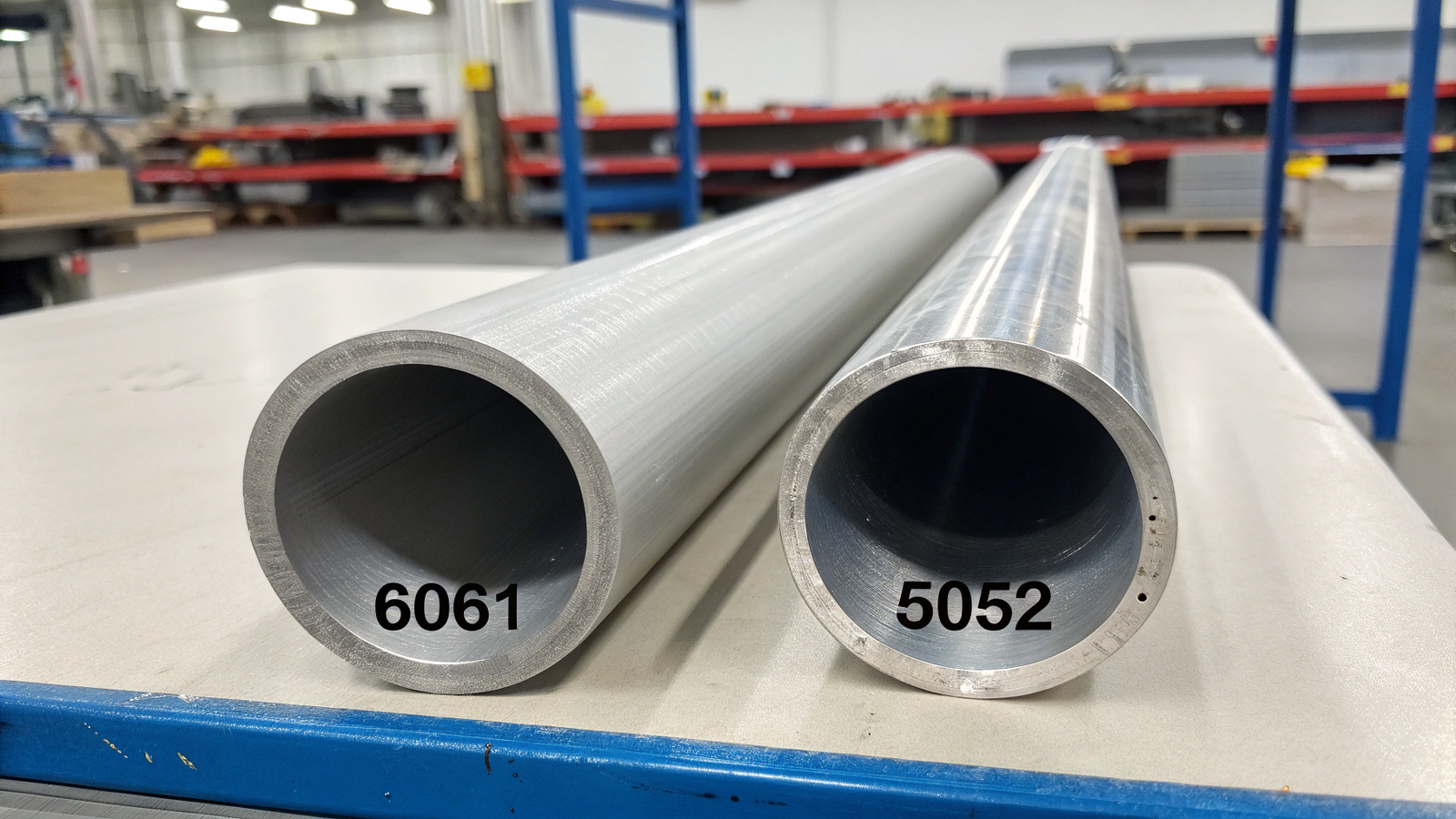
I recall a project where a client in the Middle East needed materials for coastal machinery. They initially selected 6061 because of its higher listed tensile strength. However, after a year, they saw surface pitting. We switched them to 5052, which resists salt water much better. Strength is only one part of the equation. If your application involves heavy forming or welding, 5052 generally retains its properties better than 6061. So, for pure strength, 6061-T6 wins. But for applications demanding high resistance to chemical attack or superior formability, 5052 often proves the superior choice overall. You must weigh strength against environmental exposure for the right material selection.
What is the Difference Between Aluminium 6061-T6 and Regular Aluminium 6061?
Many assume "regular" 6061 means the as-cast or as-extruded state. The temper designation T6 is what gives 6061 its most valued high-strength properties. This difference is huge in real-world performance.
The T6 temper means the material has been solution heat-treated and then artificially aged. This process maximizes its strength, hardness, and stiffness beyond what the standard or as-extruded temper offers.
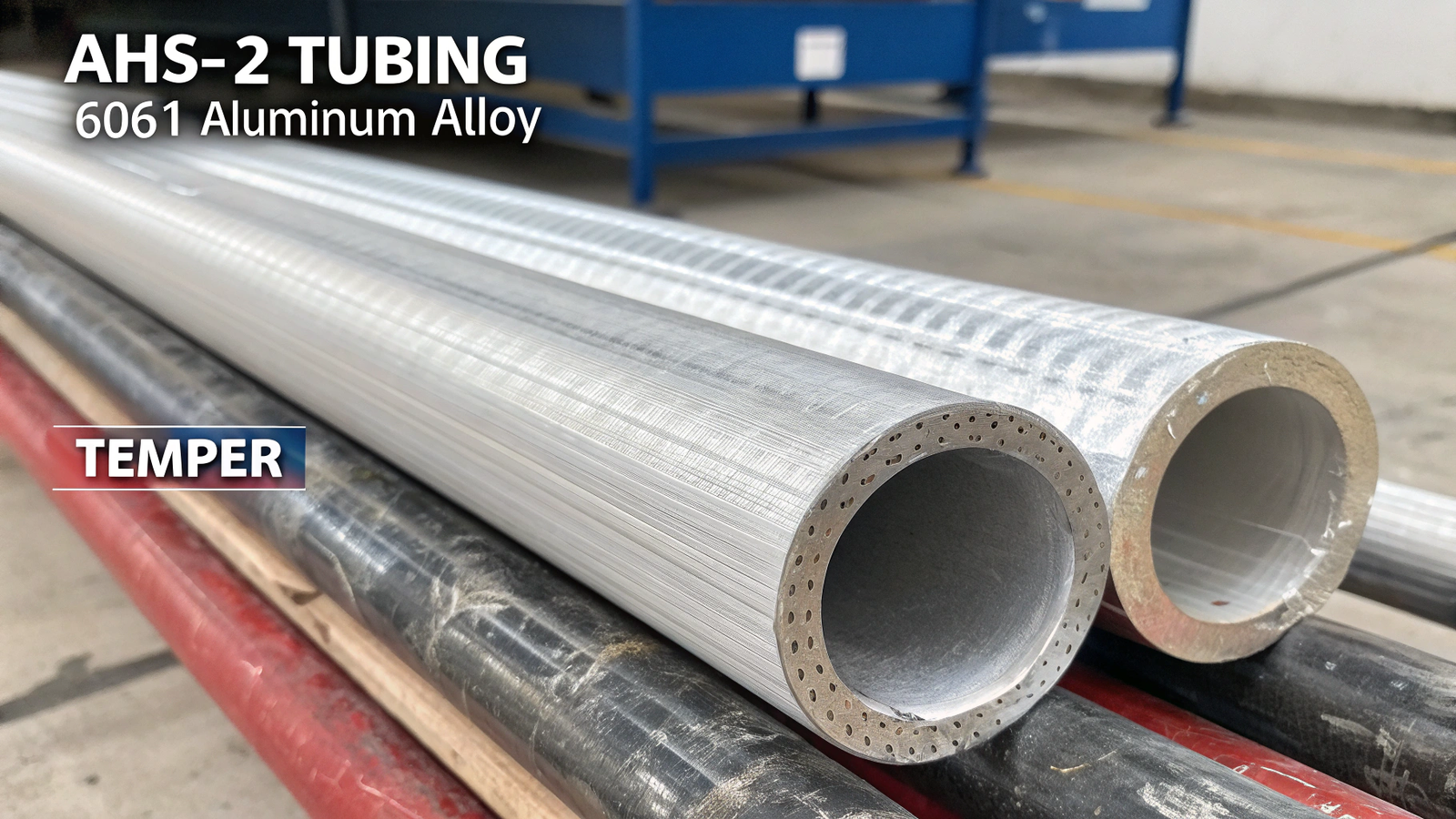
When we talk about "regular" 6061, we often mean the base alloy without specific heat treatment, perhaps just in the F (As Fabricated) temper. The T6 temper3 is crucial because it locks in fine precipitates throughout the grain structure. This hardening effect significantly boosts the yield strength, making the material much more resistant to permanent deformation under load. For structural components where precise load bearing is required—like in high-end machinery frames—the T6 state is mandatory. If you use the F temper, the material will simply yield under lower stress levels. The T6 treatment is what turns 6061 from a useful general metal into a true engineering alloy suitable for demanding components.
How Much Weight Can 2 Inch Aluminum Square Tubing Hold?
The weight capacity of square tubing is not simple. It depends heavily on the wall thickness, the alloy, and the specific loading condition (e.g., bending versus compression).
A 2-inch square tube's load capacity is determined by its moment of inertia and the allowable stress for its alloy and temper. Thicker walls hold much more weight.
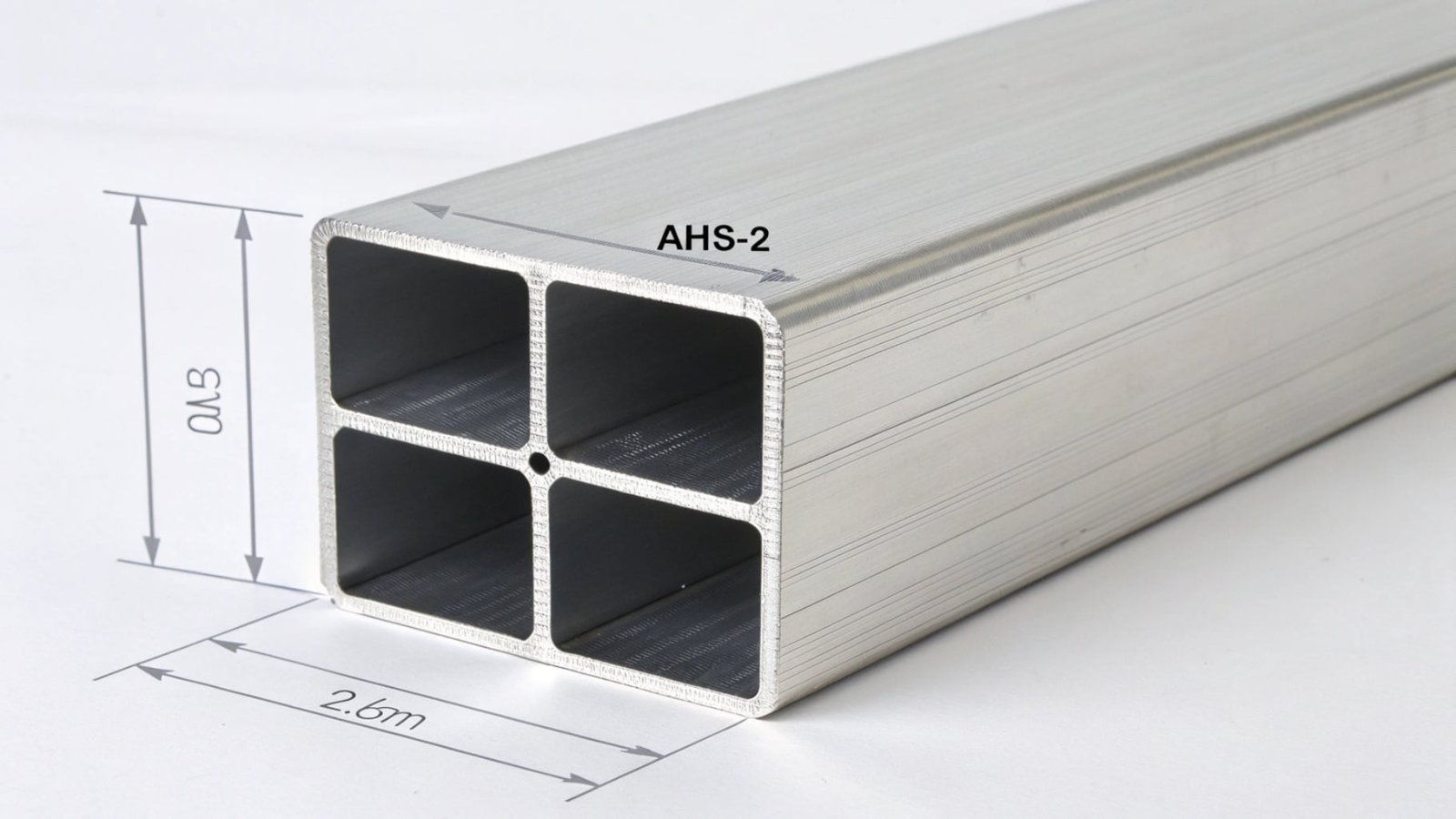
To give you a real answer, we need dimensions, like the wall thickness, which standard tubing varies widely. For example, a thin-walled 6061-T6 tube might handle a few hundred pounds in light bending before failure. But a much thicker 2-inch tube made from a higher strength forged material could potentially handle several thousand pounds if the load is applied purely in compression down the center axis. The failure mode changes based on geometry. If you are bending it, the outer fibers experience the highest stress. If you are compressing it, you must worry about buckling, which is governed by the tube's slenderness ratio. For structural traders or machining customers dealing with load tables, specific cross-sectional properties (like the section modulus) are needed, which standard tubing tables rarely provide for proprietary needs.
Why AHS-2 Demands Forged Integrity Over Standard Tubing?
For proprietary specifications like AHS-2, using standard, off-the-shelf extruded tubing4 introduces unacceptable performance uncertainty. Extrusion has inherent structural weaknesses.
Our custom-forged hollow components ensure uniform mechanical properties throughout the entire ring structure, eliminating the weak spots found in extruded or rolled tubes.
| Feature | Standard Extruded Tubing (e.g., 6061) | SWA Forged Hollow Component (For AHS-2) |
|---|---|---|
| Grain Structure | Elongated, directional, weaker perpendicular to flow | Fine, uniform, equiaxed structure in all directions |
| Consistency | Varies based on extrusion speed and die wear | Highly controlled due to specific forging parameters |
| Property Reliability | Lower reliability for high-stress, multi-directional loads | Guaranteed performance verified by full material traceability |
| Customization | Limited to standard wall thickness and outer diameter | Fully customizable diameter, wall, and alloy chemistry |
When we create a hollow component from a forged ring, we impart directional strength that follows the entire contour of the part. Extrusion relies on pushing material through a die; this process often stretches the grain structure unevenly, creating planes of weakness. For an application like AHS-2, which likely has unique performance demands, you need a material whose internal structure supports the design, not one that limits it. We forge the material to size, minimizing the need for extensive machining later, while ensuring every part of the resulting component meets the strict performance envelope required for your proprietary success.
Explore how custom tubing can enhance material integrity and performance for unique specifications. ↩
Understand the strength and applications of 6061-T6 aluminum for structural needs. ↩
Learn how the T6 temper process enhances the strength and durability of aluminum alloys. ↩
Understand the weaknesses of extruded tubing and why forged components may be a better choice. ↩