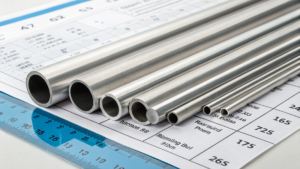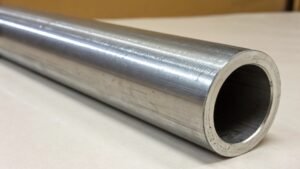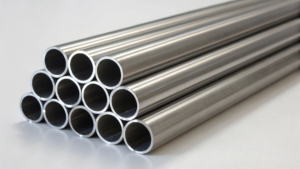

Are you confused by tubing specifications for your next big order? Choosing the wrong tube type can ruin your machining runs. We need to talk about structural versus seamless.
Seamless aluminum tubing is superior when metallurgical integrity is non-negotiable, as it lacks the inherent weakness of a weld seam. This solid structure ensures uniform strength throughout the material, making it ideal for high-stress or high-pressure applications where failure is not an option.
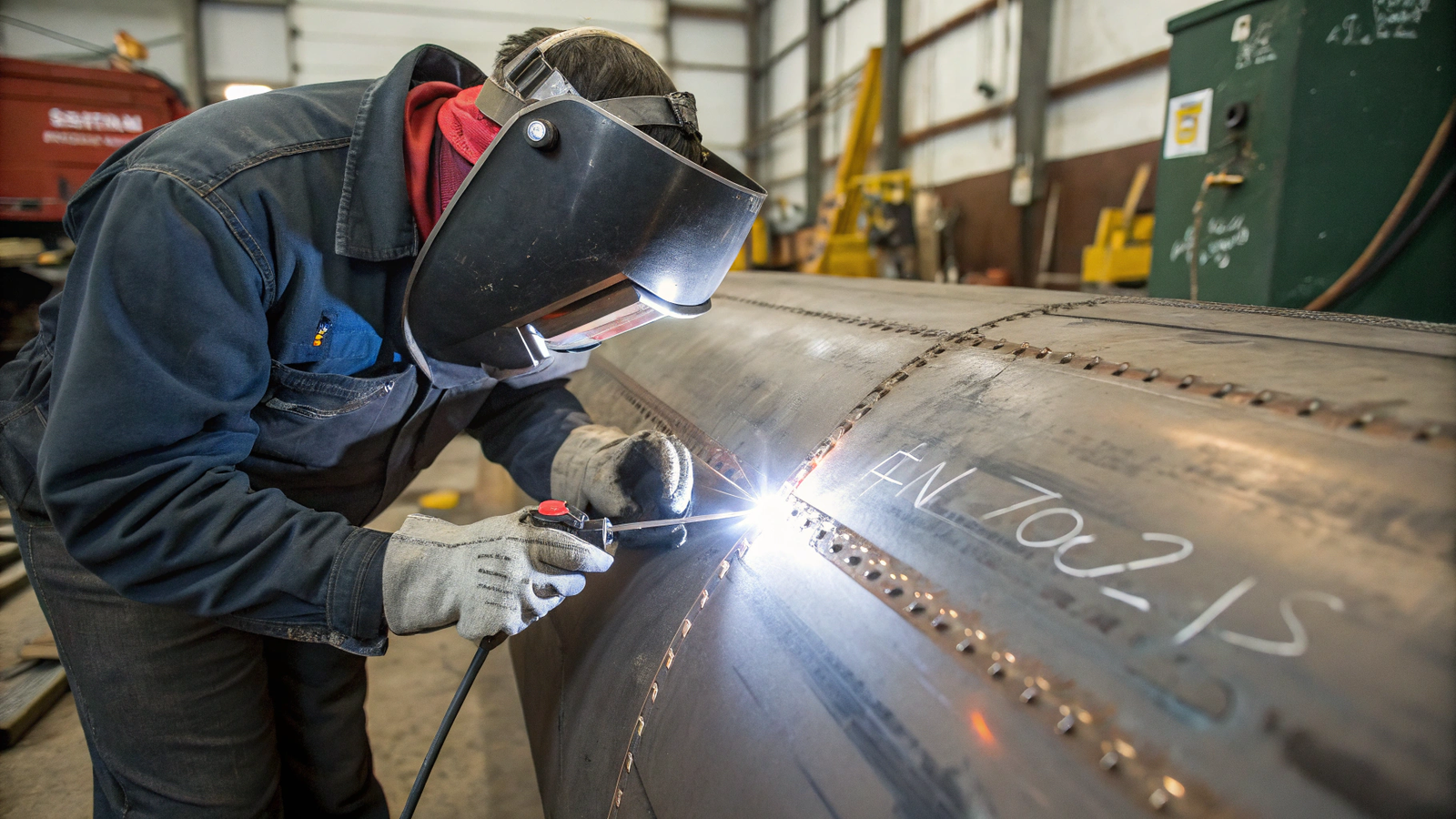
I have seen projects stall because the material chosen could not handle the required operational load. Let us simplify the differences so you can confidently select the right tube for your demanding requirements.
What is the difference between seamless and structural tube?
Are you trying to decide between tubes based only on how they are made? The core difference lies in how the material achieves its final hollow shape. One relies on joining, the other relies on mass transformation.
The main difference is the presence or absence of a weld seam. Structural tubing is typically made by rolling metal sheets and welding the edges together to form the tube shape. Seamless tubing is manufactured from a solid billet of aluminum, which is then pierced and drawn to create a hollow product without any welding.
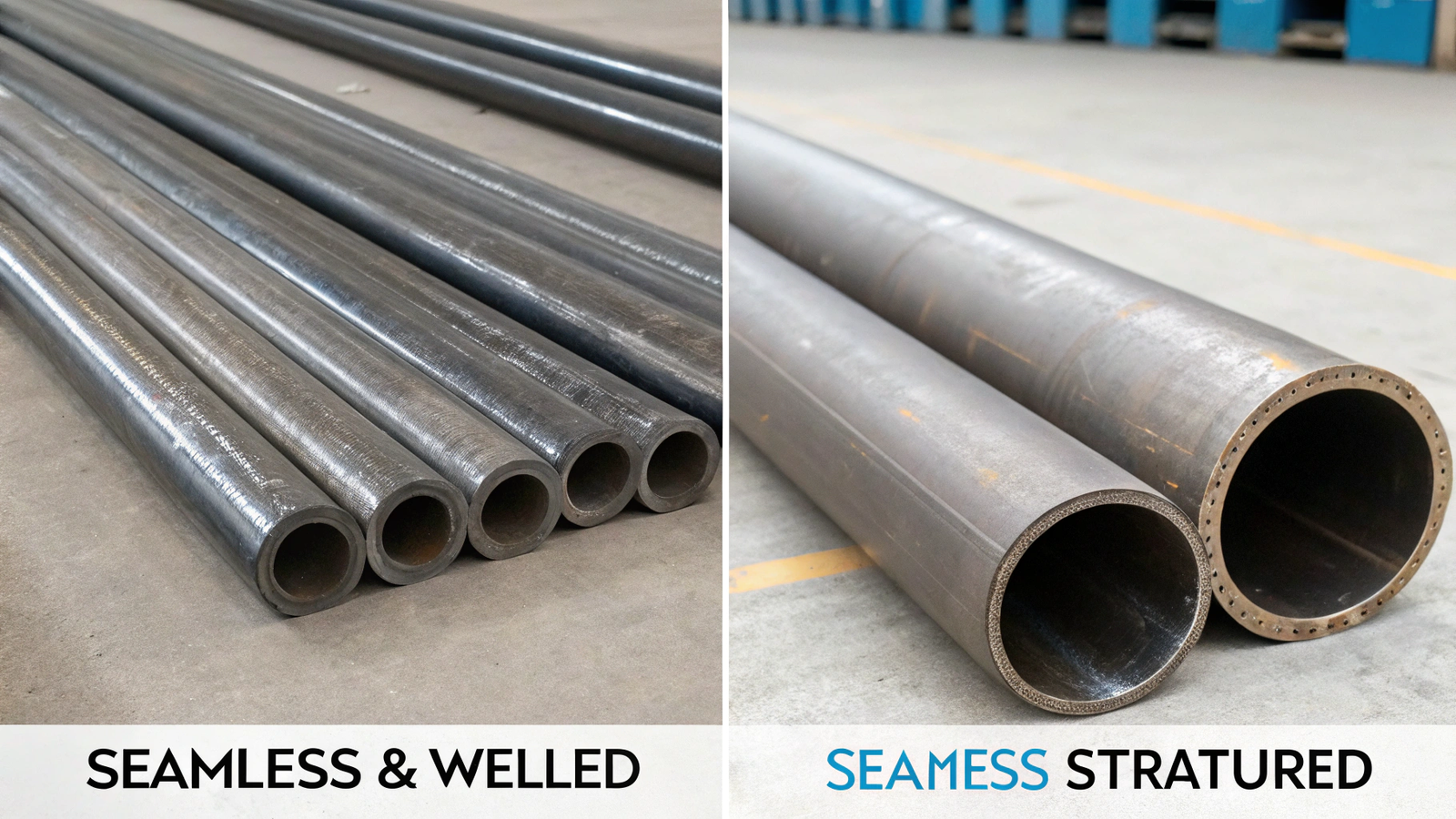
For traders ordering bulk material, this difference might seem minor until a downstream customer flags a quality issue. Structural tubes, because of the weld, introduce a path of lower mechanical strength along the length of the tube. This area is more susceptible to corrosion or fatigue failure under cyclical loading. In contrast, seamless tubing has uniform strength because the grain structure flows continuously around the entire circumference. This uniformity is critical for precise machining operations, especially those that introduce residual stresses into the material. When my team analyzes failure modes, the weld line in structural tubing is almost always the initial point of concern. We prefer seamless for anything demanding consistent performance.
Is an aluminum tube seamless?
How can you be absolutely sure that the tubing you are purchasing is truly seamless? Sometimes marketing terms do not match the actual metallurgical reality. Verifying the source is key.
A tube is only truly seamless if it has been produced from a solid aluminum billet through piercing and cold or hot drawing operations. There should be no evidence of joining or filler material along the length of the tube.
| Test Method | Seamless Tube Expectation | Structural (Welded) Tube Indication |
|---|---|---|
| Ultrasonic Testing | Uniform sound wave transmission | Discontinuity or change in wave pattern at the weld |
| Visual Inspection (End View) | Perfectly uniform cross-section | Visible line or slight weld bead/discoloration |
| Eddy Current Testing | Consistent electrical conductivity readings | Localized variation in conductivity readings |
For our machining customers, ensuring a tube is genuinely seamless is paramount. When we machine grooves or threads into a tube wall, any imperfection in the structure becomes magnified under stress. If the tube is not seamless, the machining process itself can exacerbate the inherent weakness of the weld seam. I insist on clear documentation showing the manufacturing method. If a customer is building complex hydraulic components, for example, the internal pressure demands a material without any artificial line of weakness. We must rely on the material starting as a single, solid piece. This starting point guarantees the material properties match our specifications across every single millimeter of the tube.
What is seamless tubing used for?
Where do we typically see the benefits of seamless aluminum tubing outweighing the slightly higher cost compared to structural alternatives? Think about applications with high demands on pressure containment and structural stability.
Seamless aluminum tubing is primarily used in high-pressure systems, hydraulic lines, aerospace structures, and critical machinery1 where material uniformity prevents catastrophic failure. Its high burst pressure rating makes it essential for fluid transfer.
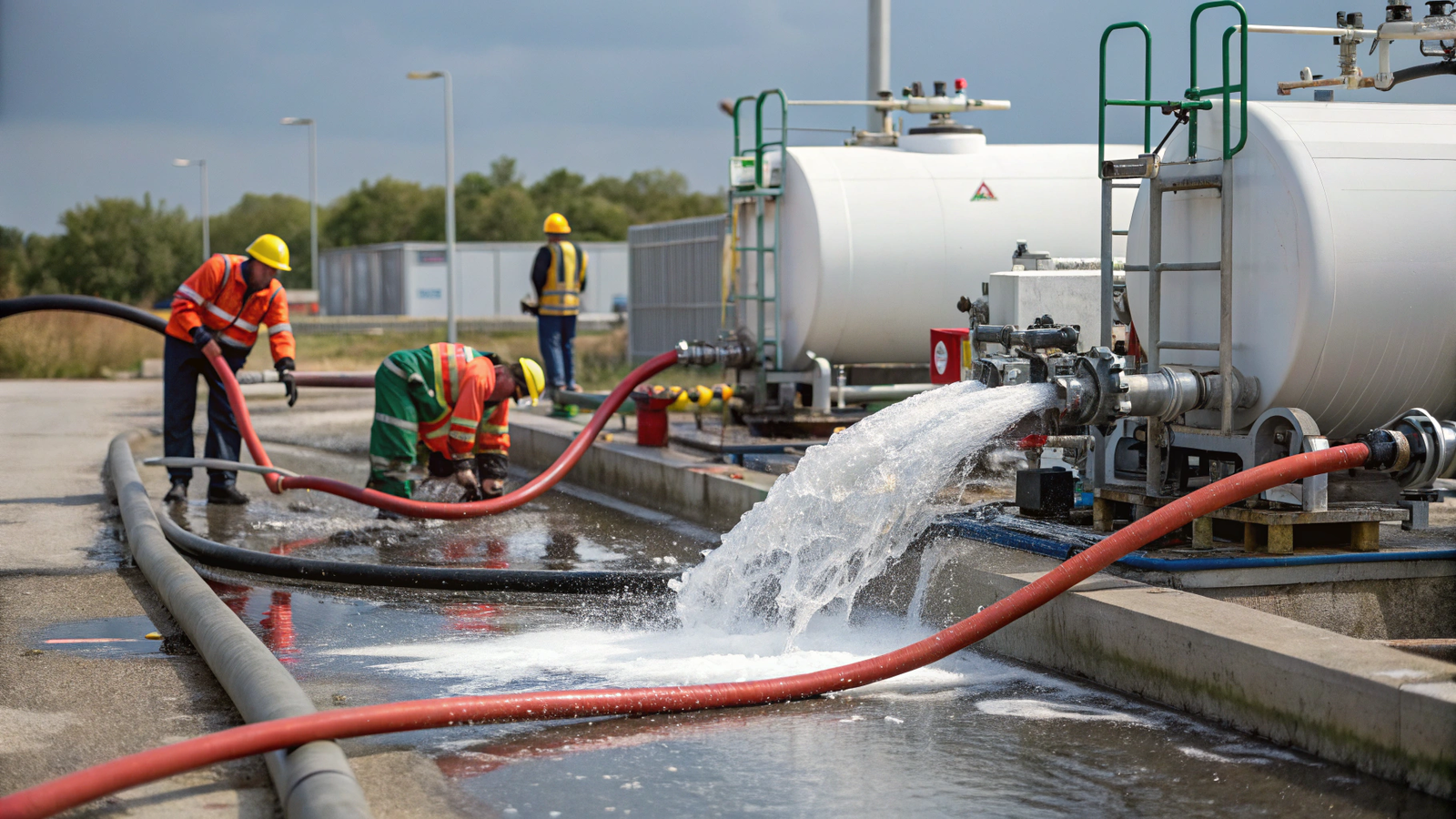
Consider the automotive industry; for components carrying brake fluids or high-pressure air, a leak due to a tiny weld defect is unacceptable. Similarly, in complex framework designs for construction or heavy machinery, the tube needs to handle loads from all directions equally well. This is where seamless quality truly shines. We see this necessity reflected in the aerospace sector, where weight saving must be balanced with absolute reliability. Because seamless tubing offers predictable performance under stress, it allows engineers to design lighter components with confidence. When you are dealing with high-value or safety-critical products, the investment in seamless material pays for itself through reduced long-term risk and fewer material rejections during the machining phase.
What is seamless aluminum?
Could you define "seamless aluminum" in terms of its atomic arrangement and physical properties? This goes beyond just the manufacturing method. It relates to the material's core character.
Seamless aluminum refers to any component, tube or forging, derived from a solid aluminum mass where the internal grain structure is continuous and uniform, exhibiting no artificial bond lines or solidification defects.
I often relate this back to our forging expertise. A seamless tube is structurally similar to a perfect forging in one key aspect: the material flows continuously. When an engineer specifies seamless, they are asking for a material free from the directional vulnerabilities introduced by solidification during casting or joining during welding. The resulting material exhibits improved fatigue life because there are no pre-existing zones of micro-cracks or inclusion clusters that can act as stress concentrators. For us, sourcing or producing seamless stock means we start with the best possible metallurgical foundation. This foundation allows us to achieve the tightest tolerances during subsequent custom machining, which is what our technical clients value most. It is about material purity and structural honesty from the very beginning of the supply chain.
Conclusion
Seamless tubing offers superior, uniform strength without weld risks. Choose seamless for critical, high-stress applications requiring absolute material reliability.
"The Role Of Aluminum Tubes in Aerospace Applications - News", https://www.southwest-aluminum.com/news/the-role-of-aluminum-tubes-in-aerospace-applic-83725080.html. A standards, aerospace, or engineering reference supports that seamless metal tubing is commonly specified for pressure, hydraulic, and safety-critical applications where weld-free construction and predictable properties are important. Evidence role: general_support; source type: institution. Supports: Seamless aluminum tubing is used in high-pressure systems, hydraulic lines, aerospace structures, and critical machinery.. Scope note: This supports common application areas, not a universal requirement that all such systems use seamless aluminum tubing. ↩